


Overview
The Acute Care Surgery (ACS) Department provides comprehensive surgical care for patients with urgent, emergent, and critically ill conditions. The specialty combines three integrated areas of practice: Emergency General Surgery, Trauma Surgery, and Surgical Critical Care.
Our Acute Care Surgeons are board certified in general surgery as well as surgical critical care from the American Board of Surgery. The ACS service operates 24 hours a day, seven days a week, ensuring that patients receive prompt access to specialized surgical expertise regardless of the time of presentation. The department collaborates closely with emergency medicine physicians, anesthesiologists, radiologists, intensivists, nurses, rehabilitation specialists, and other healthcare professionals to provide coordinated, multidisciplinary care.
The primary mission of the ACS department is to improve outcomes for patients with time-sensitive surgical conditions. This includes rapid diagnosis, evidence-based treatment, operative and nonoperative management, and comprehensive postoperative care. The department also serves as a critical resource for inpatient consultation, assisting other medical and surgical specialties in the management of complex acute conditions.
Acute Care Surgery includes the following specialties:
Through continuous availability, specialized expertise, and coordinated care pathways, the Acute Care Surgery Department plays a vital role in delivering high-quality care to patients experiencing surgical emergencies and critical illness. We provide patients with comprehensive, patient-centered care from the time of the injury all the way to recovery. We treat our patients with respect and are mindful that acute conditions are frequently unexpected and can cause significant financial, social and psychological stress. The department also supports age-friendly surgical care initiatives and adheres to best practices consistent with Geriatric Surgery Verification (GSV) standards to optimize outcomes for older adult patients.
Emergency General Surgery
Emergency General Surgery (EGS) focuses on the diagnosis and treatment of acute surgical diseases that require urgent evaluation and intervention. Patients may be seen during emergency department presentations, inpatient units, or direct consultation requests from other healthcare providers.
The EGS service covers urgent and emergent surgical problems such as the following:
- Gallbladder and gallstones
- Appendicitis
- Intestinal obstruction and/or perforation
- Colitis and diverticulitis
- All abdominal infections
- Incarcerated hernias
- Soft tissue infections
- Hernias
- Wound care
Core services include:
- Emergency surgical consultation and assessment
- Rapid diagnostic evaluation and treatment planning
- Open and minimally invasive surgical procedures, including robotic surgery
- Postoperative care and follow-up
- Coordination with subspecialty surgical services when needed
Trauma Surgery
Since 1977, the Akron General Trauma Center has been continuously verified as a level 1 Trauma Center, which is the the highest trauma rating a hospital can receive. We provide the highest level of surgical care from the time patients arrive in the emergency room through a potential hospital stay. The team is available 24 hours a day to provide the timely care for our patients with life-threatening injuries. Upon presentation, patients undergo rapid evaluation using established trauma protocols to identify life-threatening injuries and prioritize treatment. We provide the required expertise and care coordination among our various surgical subspecialties from interventional radiology to orthopedics, plastic, cardiothoracic or neurosurgery.
Conditions we commonly treat include:
- Motor vehicle accident injuries
- Penetrating injuries such as gunshot or stab wounds
- Falls related to syncope or mechanical etiologies
- Work-related traumatic injuries
- Solid organ injuries such as liver, spleen or kidneys
- Brain and spinal cord injuries
- Closed head injuries and hemorrhage
- Sports-related traumatic injuries
- Traumatic bone fractures
Trauma surgeons oversee the continuum of care from the emergency department through hospitalization and follow-up. The service works collaboratively with critical care teams, rehabilitation specialists, social workers, and case managers to address both the immediate and long-term needs of injured patients.
In addition to clinical care, trauma services often support injury prevention programs, trauma registry management, performance improvement initiatives, and community outreach activities designed to reduce injury-related morbidity and mortality.
Surgical Intensive Care Unit (SICU)
The Surgical Intensive Care Unit (SICU) provides specialized care for critically ill surgical and trauma patients requiring advanced monitoring, organ support, and multidisciplinary management. Patients admitted to the SICU may include those recovering from major surgery, severe trauma, sepsis, respiratory failure, shock, or multiple organ dysfunction.
Surgical intensivists, acute care surgeons, advanced practice providers, nurses, pharmacists, respiratory therapists, and other specialists work together to provide comprehensive critical care services. Continuous monitoring allows rapid recognition and treatment of changes in patient status.
Major SICU services include:
- Hemodynamic monitoring and cardiovascular support
- Mechanical ventilation and respiratory management
- Sepsis recognition and treatment
- Multisystem organ failure management
- Postoperative critical care
- Trauma critical care
- Nutritional support and metabolic management
- Pain control and sedation management
- Infection prevention and antimicrobial stewardship
- End-of-life and palliative care discussions when appropriate
The SICU team conducts daily multidisciplinary rounds to review patient progress, establish treatment goals, and coordinate care plans. Evidence-based protocols are used to optimize outcomes, reduce complications, and promote recovery.
A key objective of the SICU is to facilitate the transition from critical illness to recovery. This includes early mobilization, rehabilitation planning, family communication, and coordination with step-down units and outpatient services. Through comprehensive critical care management, the SICU serves as an essential component of the Acute Care Surgery Department and supports the recovery of patients with the most complex surgical conditions.
Our Team
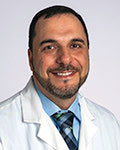
Ali F. Mallat, MD
Executive Director
Acute Care Surgery

Christopher Wolff, MD
Medical Director
Trauma






Patient FAQs
Traumatic injuries and emergency surgery are stressful for patients and their family. We work hard to offer excellence in our delivered care to help reduce the anxiety that occurs when you or a loved one is hospitalized.
What can I expect while in the hospital?
The Acute Care Surgery Team is composed of surgeons, physician assistants and nurse practitioners. Members of the Acute Care Surgery team will evaluate you regularly. Our team will work hard to deliver the information you need to carry out an educated and individualized approach to your surgical care. This includes careful attention and updates to changes in conditions or plans that may happen suddenly. Your care team may change throughout the day as providers rotate between daytime, evening, and overnight coverage. This approach ensures that surgical specialists are available 24 hours a day to address urgent needs.
During your stay, you can expect:
- Daily evaluation by members of the surgical team
- Ongoing communication regarding your diagnosis and treatment plan
- Pain management and symptom control
- Coordination of care with consulting specialists
- Assistance with discharge planning and recovery needs
- Education regarding medications, activity restrictions, and follow-up care
The length of hospitalization varies based on the severity of illness, recovery progress, and individual medical needs.
How will my primary care physician know what happened to me?
Communication with your primary care physician (PCP) is an important part of your ongoing healthcare. Following your hospitalization, a discharge summary and relevant medical information are typically sent to your PCP or referring physician through the hospital's medical record system.
The discharge summary generally includes:
- Your diagnosis and reason for hospitalization
- Procedures or operations performed
- Significant test results
- Medications prescribed at discharge
- Follow-up recommendations
- Instructions for ongoing care
Patients are encouraged to schedule an appointment with their primary care physician after discharge to review their hospitalization and discuss any ongoing healthcare needs.
What can I expect after my hospital visit?
The goal of our team is to return patients to their normal daily life. This goal may not always be achieved at the time of discharge. Recovery therefore continues at home, at a rehabilitation facility, or through other healthcare services, depending on your condition. Our case managers work closely with the clinical teams to ensure any ongoing needs are coordinated closely prior to discharge from the hospital,
Before leaving the hospital, you will receive instructions regarding medications, activity limitations, wound care, diet, and follow-up appointments. These will be discussed as well as documented carefully in paperwork provided to you.
How can I obtain updates of my family member’s progress as a patient?
The healthcare team understands the importance of keeping family members informed. Family members may receive updates through:
- Discussions with the patient's designated healthcare providers
- Meetings with members of the surgical team
- Scheduled family conferences for complex cases
- Communication with nursing staff regarding general status updates
- Information shared by the patient when appropriate
The healthcare team understands the importance of keeping family members informed. However, in efforts to also maintain privacy, patient privacy regulations require that medical information be shared only with authorized individuals and in accordance with the patient's wishes. To help facilitate communication, patients are encouraged to identify a primary contact person. This individual can receive updates and share information with other family members, helping ensure consistent communication and minimizing confusion.
Designated primary contacts may or may not be a legally appointed Health Care Power of Attorney (HCPOA). If you, or a hospitalized loved one, does have HCPOA or other legal medical documents such as Advanced Directives or Living Will, please ensure copies are available to your medical teams.
Questions or concerns
If you have questions about your care, medications, discharge instructions, follow-up appointments, or recovery plan, please speak with a member of your healthcare team. Our goal is to ensure that patients and families understand the treatment plan and have the information needed for a safe and successful recovery.
Appointments & Location

For more information about the Trauma and Emergency General Surgery clinics, please call 330.344.4628.
Location
Our office is located in the Ambulatory Care Center at the Akron General campus:
Ambulatory Care Center
1 Akron General Avenue
Building 301
Suite 359
Akron, OH 44307
