


Hitting the Road in Hopes of Lifesaving Surgery
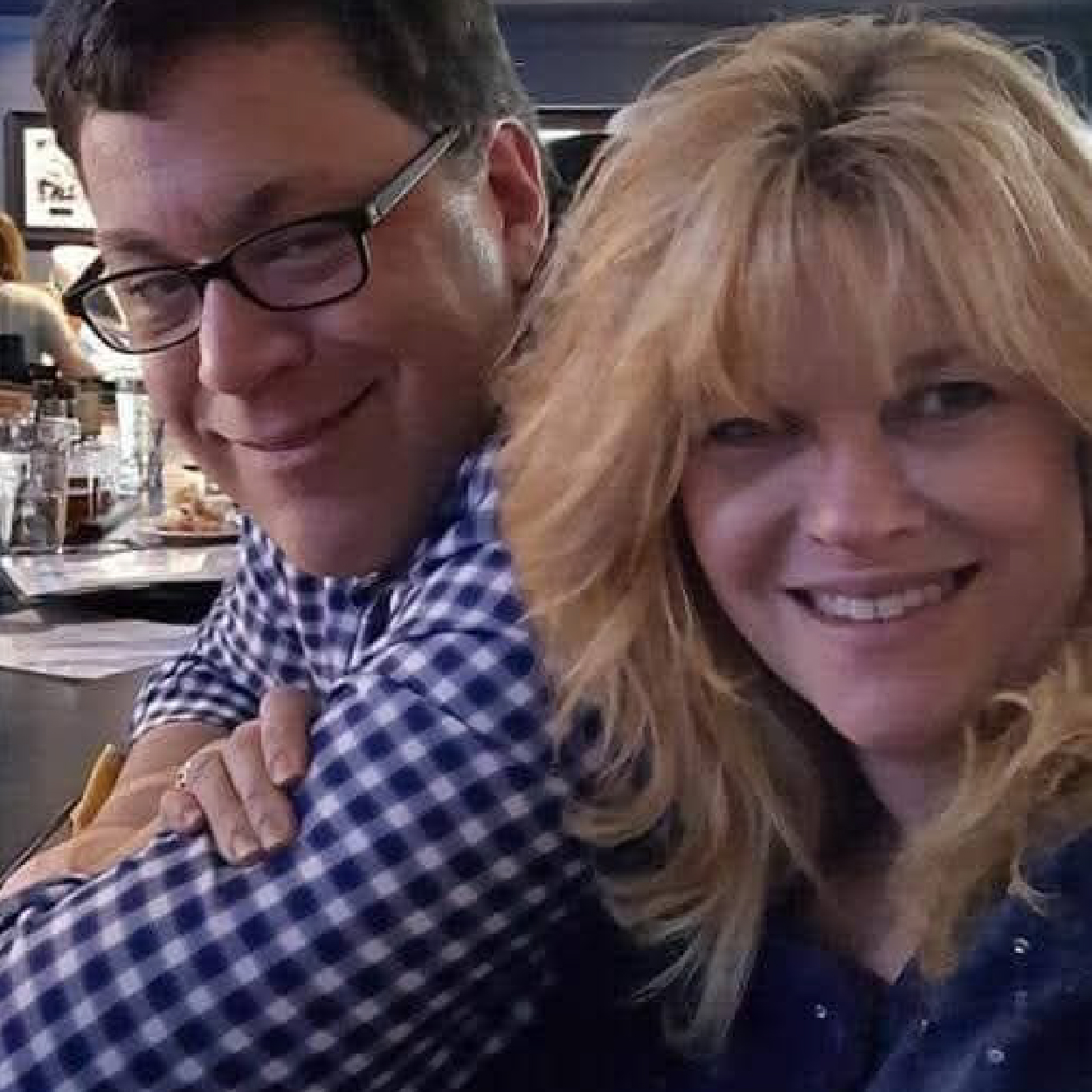
In 2000, as his 40th birthday approached, Michael McCroskey thought it would be a good idea to schedule a physical exam, the first of his adult life. Up to this point, the Gatlinburg, Tennessee commercial insurance executive never experienced a concerning illness or medical condition.
“Halfway through the stress test, I knew something was wrong,” Michael recalled. Nauseous and lightheaded, he was rushed to a hospital in nearby Knoxville. His medical team found two minor blockages and ultimately installed two stents to restore blood flow to his heart and reduce the risk of further blockage. His condition was closely monitored by his cardiologist and, for nearly two decades, Michael was symptom-free.
“I never had chest pain or discomfort of any kind,” Michael said. “But, of course, I changed my diet and tried to make sure I was getting enough exercise and doing all the right stuff. Obviously, when you’re blocking up at 39, that’s not a good sign for the long haul.”
In addition to making healthy lifestyle choices and keeping his doctor appointments, Michael conducted considerable research.
“That’s how I first became aware of Cleveland Clinic and its reputation for excellence, particularly when it comes to the heart,” Michael said. He told his local cardiologist that if he ever needed open heart surgery, he wanted it performed at Cleveland Clinic.
At a routine office visit in the fall of 2019 — 20 years later — Michael’s cardiologist determined a cardiac catheterization was warranted. “They were doing an echo and saw just enough aberration in my heart rate to be concerned. When I woke up from the heart cath, I knew I was in trouble because my cardiologist was right there, and said, ‘You’re going to Cleveland Clinic and you’re going right now.’”
Michael learned he had a 90-95% blockage of his left anterior descending artery (LAD) — the artery often referred to as the “widowmaker.”
“My doctor knew where I wanted to be,” Michael said. With his wife, Janet, in the driver’s seat, Michael began his journey. “It was pretty stressful,” he remembered. The couple opted to stay overnight at a hotel to break up the drive. “I think Janet stayed up the whole night just to watch me.”
Upon entering the ER on Sunday morning and being asked what brought them there, Michael replied, “I’m here for you to save my life.”
He handed his greeter a CD with his medical records and added, “Apparently I’ve got severe blockage and I need y’all to help me, please.” Michael immediately had a team of medical professionals examining him. “It was absolutely unbelievable,” he said.
“From that moment on, I was struck by the seamless integration of everything and the constant communication among staff,” Michael said. His open-heart surgery was performed a couple weeks later, with his medical team determining he would need “only four bypasses.” “I mean, it really was just another day at the office for these people,” Michael said.
Alone with his surgeon in recovery, Michael asked for clarity about his prognosis. “I wanted him to tell me straight. I said, ‘Doctor, I have to make some plans here. I need you to tell me. Do I have five years, 10 years? What should I reasonably plan on?’ And he said, ‘Surgery went great. I’ll give you 20 to 30 years easy, if you take care of (your heart).’ And I believed him because I felt like I was at a symphony in the presence of a top maestro.”
Michael and Janet are long supporters of their local community. But recently, they decided to expand their giving by pledging a $100,000 gift to Cleveland Clinic. In so doing, they became members of the Cornerstone Society.
“I just can’t imagine being cared for any other way. When they say you’re a center of excellence, there’s a reason for that. It’s not just the best doc; it’s the best everything.”
Michael continues to get annual checkups at Cleveland Clinic Miller Family Heart, Vascular & Thoracic Institute and also makes the trip to Cleveland Clinic for other care as needed.
“Y’all get the job done no matter what comes at you,” Michael said. “I just feel exceedingly fortunate and appreciative.”
How Virtual Outreach is Reimagining Neurosurgery Recovery
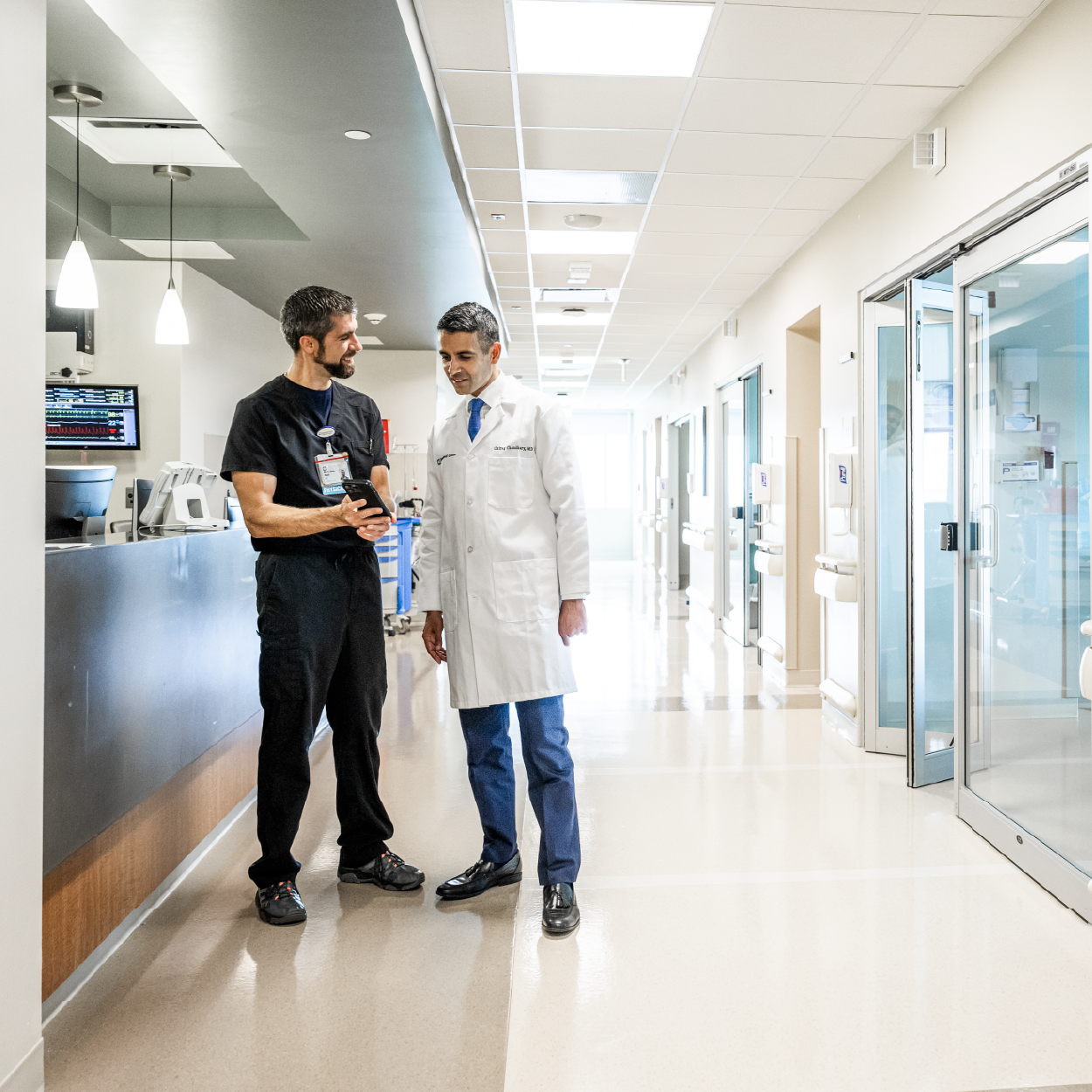
Patients recovering from neurosurgery receive around‑the‑clock, comprehensive care at Cleveland Clinic Tradition Hospital. However, once high‑risk neurological patients finally return home, the shift to managing new medications and healing on their own can be challenging, and for some, uncertainty during this time can lead to avoidable emergency department visits or hospital readmissions.
Recognizing this gap, Marc Alain Babi, MD, MBA, a neurocritical care specialist and Cerebrovascular Center Director for Cleveland Clinic Florida, set out to reimagine what support could look like after discharge. With funding from a Catalyst Grant, Dr. Babi launched a structured virtual outreach program designed to extend Cleveland Clinic’s neurological care beyond the hospital walls and into the early recovery period at home.
“Patients receive excellent, highly specialized care while they are in the hospital, but once they return home, that transition can feel fragmented and overwhelming,” says Dr. Babi. “We wanted to use the telemedicine and outreach tools we already have to bridge that critical period between discharge and the first follow-up visit.”
The program provides patients with a follow‑up call within 24 to 72 hours after discharge, followed by weekly touchpoints during early recovery. Using a standardized checklist, nurses and trained caregivers review medications and dosages, assess symptoms, reinforce discharge instructions and identify potential complications early. The calls also give patients and families opportunities to ask questions, share concerns and offer feedback about their hospital experience.
“When patients come to us, they are often experiencing one of the most vulnerable moments of their lives, whether from stroke, trauma, brain hemorrhage or another serious neurological condition,” says Dr. Babi. “This program is about fulfilling our responsibility to them, both ethically and professionally. It is about staying connected, supporting families and making sure patients do not feel alone after they leave the hospital.”
Catalyst Grants are funded annually by thousands of gifts of all sizes from donors. The competitive grants are awarded to caregivers with innovative ideas to improve the lives of Cleveland Clinic patients, the organization and communities around the world. Dr. Babi was awarded $100,000 to bring this program to life.
“The Catalyst Grant gave us the resources to build this program in a structured and sustainable way,” says Dr. Babi. “Our goal is to start with a focused pilot, measure the impact and then integrate what works into our standard processes and care pathways. Early signals are encouraging, including a reduction in readmission rates.”
Cleveland Clinic Tradition Hospital is designated as a Joint Commission Advanced Comprehensive Stroke Center, the highest level of stroke certification awarded by The Joint Commission.
