



Making SENSE in the NICU
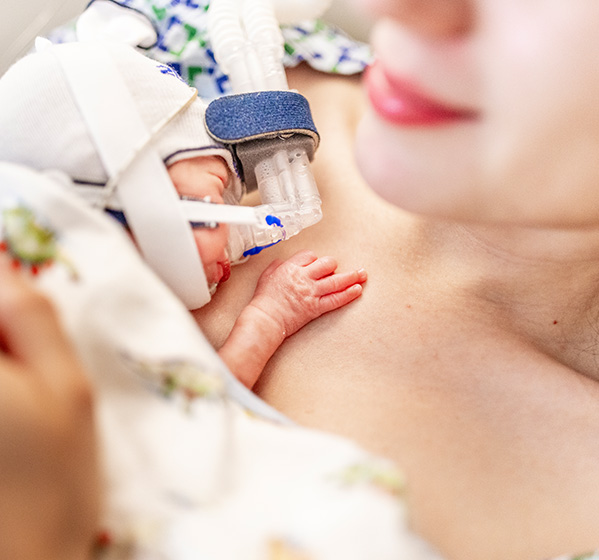
Babies born prematurely enter the world before they are fully ready. In the neonatal intensive care unit (NICU), they encounter light, sound and touch far earlier than nature intended, when they would otherwise still be cocooned in the womb. At this critical stage of development, their brains remain highly sensitive, making the environment around them especially important.
For both parents and caregivers, knowing how to provide the right kind of support can feel overwhelming. Kathleen Kelsay, MS, CCC‑SLP, CNT, a Speech‑Language Pathologist at Cleveland Clinic Tradition Hospital, has seen this challenge time and time again. She saw an opportunity to empower families and her teammates — all she needed was the resources to make it happen.
She implemented the Supporting and Enhancing NICU Sensory Experiences (SENSE) program, which guides parents and caregivers week by week on how to interact with preemies in ways that match their neurological readiness. By reshaping the NICU experience, the program helps families feel confident while giving babies the gentle, developmentally appropriate care they need to thrive.
“Parents are often terrified in the NICU,” says Kathleen. “They are afraid to touch their baby, even though that’s what the baby needs and what the parent needs. This is really going to give parents the confidence to actually participate and be part of their baby’s care from day one.”
For example, a baby born at 24 weeks is especially vulnerable to stimulation. Loud noises can easily overwhelm them, so conversations near the baby should be kept soft and calm. Likewise, light should be introduced gradually and in small amounts to protect their developing senses.
“It's setting the groundwork for the rest of their life,” says Kathleen. “The neurodevelopment happens so rapidly at this age, so it’s really important that we are doing it the right way. These small things now will continue to affect them in a positive way for years to come.”
To better support caregivers and parents, weekly guideline cards have been placed near each bed in the NICU. These cards outline what interactions are appropriate for a baby’s stage of development and serve as a quick reference for families. They also keep track of what’s being done and when on each day, like an hour of skin-to-skin contact, ensuring every baby receives consistent, nurturing care.
Catalyst Grants are funded annually by thousands of gifts of all sizes from donors. The competitive grants are awarded to caregivers with ideas to improve the lives of Cleveland Clinic patients, the organization and communities around the world. Kathleen was awarded about $9,000.
“The Catalyst Grant has allowed us to do everything that we needed to do so that we could get people trained and get this program into our NICU,” says Kathleen. “I think it will really change the culture of the NICU forever.”
