


Thoughtfully Investing in Medical Advancements
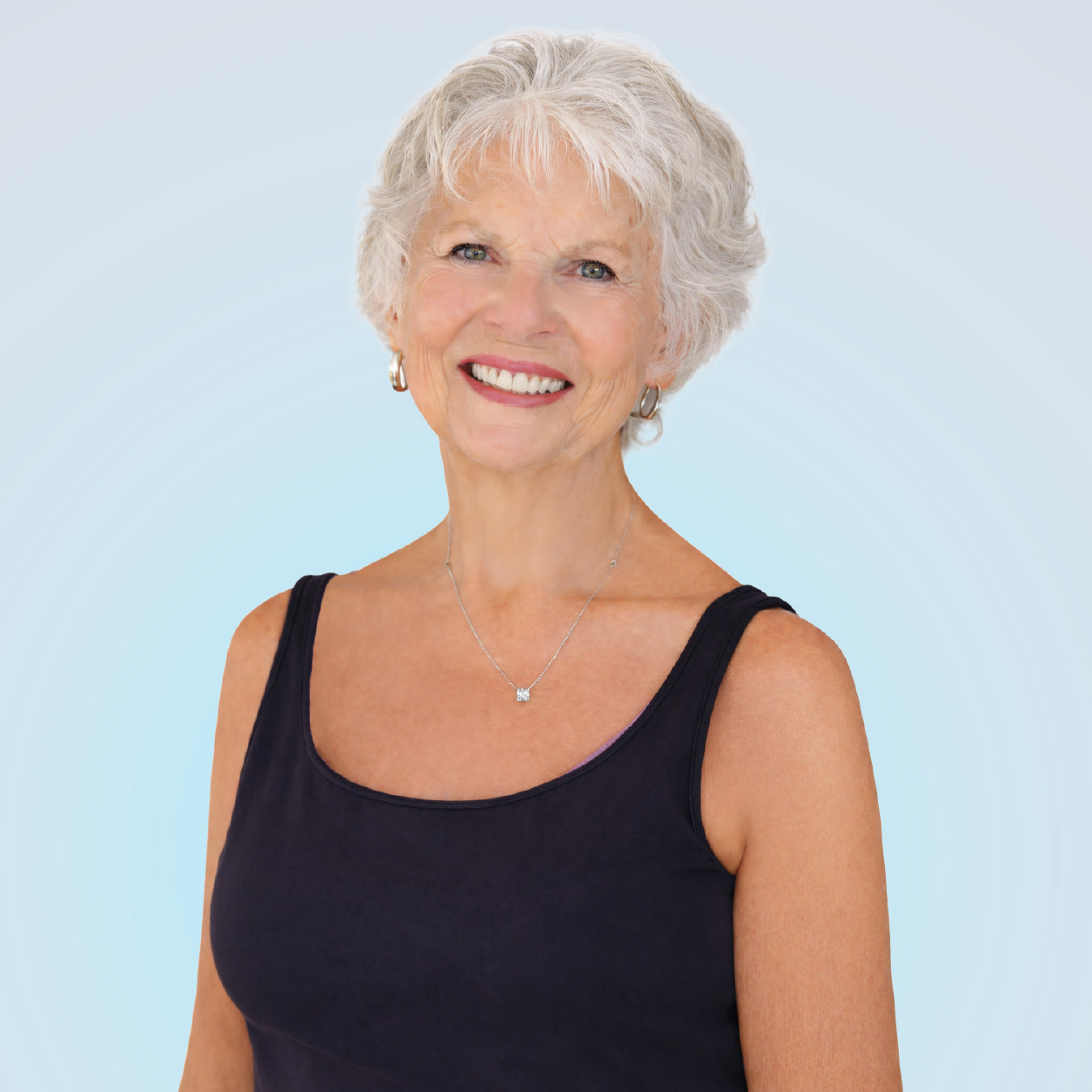
In December 1999, Sandra (Sandy) Jones learned she had Stage 4 breast cancer. The no-cure diagnosis demanded the 59-year-old business leader to abruptly adjust her career, family, travel and health priorities. But she never let the weight of her diagnosis consume her.
A few years ago, from a place of gratitude and hope, Sandy became a member of the Pyramid Legacy Society with her pledge of an estate gift to Cleveland Clinic Taussig Cancer Institute.
“I have not once asked, ‘Why me?’” the Chagrin Falls, Ohio, resident said of her illness. “If I did, I’d have to ask, ‘Why me?’ for all the wonderful things in my life — a much longer life than I expected, given my diagnosis. And for that, I’m very grateful to Cleveland Clinic.
“Mine is not a singular story,” Sandy said. “It’s about many of the people at Cleveland Clinic who helped me navigate each of the medical challenges I had to deal with over the years. The doctors are excellent, as are all the support techs, nurses and everyone I’ve encountered.”
Sandy attributes her resilience over the last 27 years to a grit inherited from her parents, who were Holocaust survivors — her mother of the Bergen-Belsen camps and her father of Auschwitz. Born in a German displaced persons camp, Sandy was only 3 years old when her family arrived in Cleveland. They were sponsored by previously unknown Cleveland relatives who had been located through the Red Cross.
This foundational strength propelled her through a trailblazing career as an entrepreneur in the male-dominated security industry. A devoted stepmother to three daughters and a consummate volunteer, Sandy’s resolve carried her forward even after the passing of her husband of 48 years.
Beating Daunting Odds
Sandy made an appointment to see her primary care doctor in November 1999 when her bra began feeling inexplicably tight. He referred her immediately to Cleveland Clinic for diagnostic testing. When her cancer was confirmed, Sandy chose Steven Andresen, DO, as her oncologist. When Dr. Andresen retired, Sandy moved the management of her care to Halle Moore, MD, Director of Breast Medical Oncology in the Department of Hematology and Oncology.
Sandy began chemotherapy in December and had a mastectomy three months later. This treatment was followed up with more chemotherapy and radiation. Sandy is grateful that her medical team also introduced the targeted Herceptin immunotherapy as a newer treatment at the time.
But in December 2015, the cancer metastasized in her lung and spine. In 2020, it spread to her brain. Aggressive treatment, including gamma knife and new drugs continued.
“I’m on my second port,” Sandy shared. “I wear them out.” She estimates she’s had more than 200 infusions over the years. “I’ve lost my hair twice in this journey, and I’ve had lots of side effects.”
Sandy jokes Dr. Moore is “a champion at Whac-A-Mole.” Whenever the cancer appears in a new location, “Dr Moore is ready with a new, sophisticated course of action.” Sandy believes Cleveland Clinic doctors excel at choosing the right protocol at exactly the right time, often far ahead of other institutions.
A Partnership in Care
Sandy’s gift is an investment in “the continued thoughtful use of technology and the pursuit of research.” She trusts Cleveland Clinic to pursue cures in a way that is both safe and smart. However, Sandy also believes that patients have a responsibility to work alongside their medical teams.
"The best medicine must be complimented by a patient’s own commitment to health," Sandy said. Even as she approaches her 80th birthday, she remains dedicated to her healthy diet and walking at least 10,000 steps most days. Her tenacity and positive attitude will, no doubt, continue to inspire many.
Sandy also hopes her gift will make a difference to future Cleveland Clinic cancer patients’ journeys. “It’s significant to me, even if it may be considered a modest sum to some,” she noted. “All donations count.”
When Minutes Matter
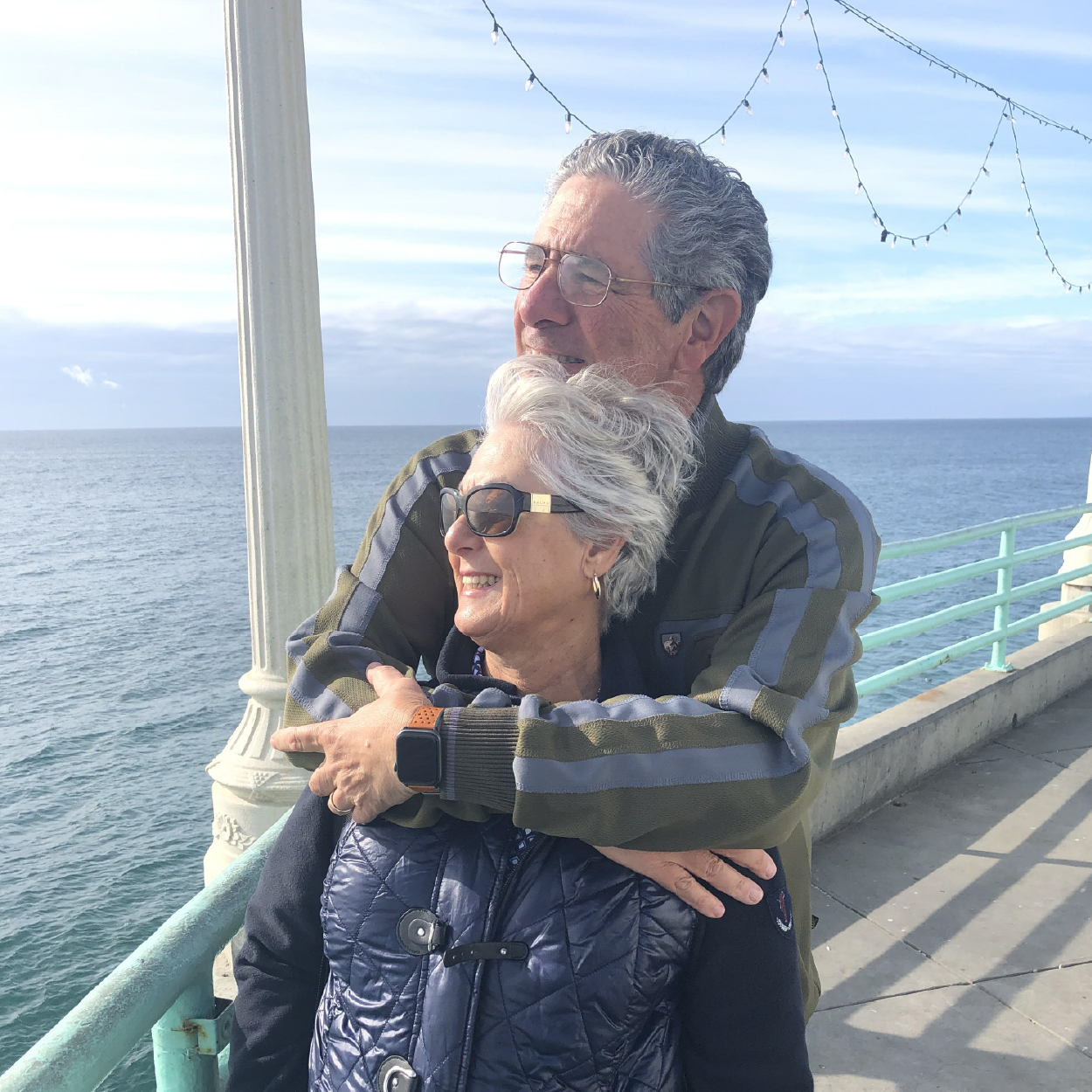
At 81, Paul Karp has a new appreciation for emergency medicine. A series of unexpected health challenges earlier this year resulted in three separate Emergency Department visits.
The first started with a dangerously low blood pressure reading during a scheduled cardiology appointment at Cleveland Clinic Tradition Hospital. Paul was quickly transported next door to the Emergency Department, where he was diagnosed with fluid around his heart – a potentially life-threatening condition.
Days later, he was back in the Emergency Department – this time at Cleveland Clinic Martin North Hospital – with chest pain brought on by pneumonia. Not long after, a third episode brought him again to Tradition Hospital, struggling to breathe due to fluid around his lungs.
Despite the physical toll, what stood out most to Paul was not the hardship – but the care. He consistently experienced excellent care at the hands of a warm and compassionate team of caregivers. He also saw firsthand the strain on emergency services and a system working hard to meet the needs of a growing community.
Those experiences and his continued recovery inspired Paul and his wife, Leslie, to give back.
“Cleveland Clinic has been a lifeline for me and our community,” says Paul. “Giving back is a way to say thank you.”
Married for 51 years, the couple moved to Palm City, Florida, from New York in 2003 after Paul retired from a 30-year career as an options specialist. Soon after, they became early members of the Barstow-Reed Society, a philanthropic group committed to advancing local healthcare. Today, 363 BRS members collectively contribute more than $7 million each year to support priorities at Cleveland Clinic Martin Health.
The Karps have designated their latest annual gift to support expanding the Emergency Department at Tradition Hospital – an investment that reflects both gratitude and a desire to help others receive timely care.
Since opening in 2013, Tradition Hospital has rapidly grown, going from 90 beds to 177 beds in its first four years. As the surrounding community continues to expand, so does demand for emergency and hospital services.
“The growth in and around Tradition is unbelievable, but the hardest thing to add is space,” Paul says.
To meet this need, Cleveland Clinic is expanding the Emergency Department and introducing a new ED Fast Track program. This initiative is designed to improve the patient experience by reducing wait times and ensuring patients receive the most appropriate level of care.
As part of the renovation, underutilized space will be converted into six Fast Track beds for patients with less severe conditions. The goal is to treat and discharge these patients within 90 minutes – freeing up critical resources for those facing more serious emergencies.
For Paul, supporting this expansion is a natural extension of his long-standing commitment to healthcare philanthropy. In fact, he was the very first patient to participate in the Guardian Angel Grateful Patient Program, following its launch at Martin Health in 2012.
After spending a week as a patient at Martin North Hospital, the Karps made a $50,000 gift to honor two nurses who went “above and beyond” during Paul’s stay.
The Guardian Angel program allows grateful patients and families to honor caregivers who have made an impact on their lives while helping fund leading-edge technology, new lifesaving programs, facility improvements and caregiver education.
For Paul and Leslie, giving is about more than gratitude – it’s about ensuring others have access to the same high-quality care when they need it most.
And as Paul’s story shows, that need is growing every day.
