



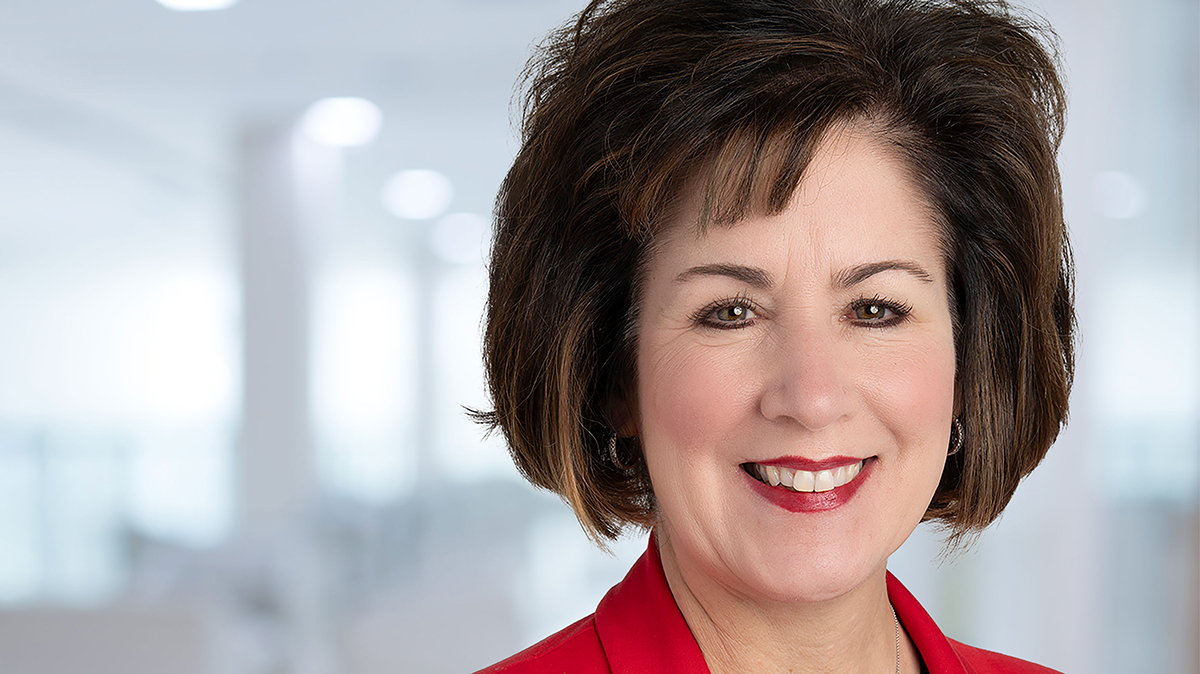
The Power of Purpose Movement Reveals the Passion Behind Quality Patient Care
On the third anniversary of the Nurse Essentials podcast, Cleveland Clinic's Chief Caregiver Officer Kelly Hancock, DNP, RN, NE-BC, FAAN, discusses the health system's power of purpose movement. She shares the importance of understanding why caregivers choose their professions, how the why changes over time and the connection between individual purpose and an organization's mission, vision and values.
Advertisement
Cleveland Clinic is a non-profit academic medical center. Advertising on our site helps support our mission. We do not endorse non-Cleveland Clinic products or services. Policy
Recent Episodes
Spotlight on Critical Care Transport
Imagine employing all the skills, competencies and critical thinking needed to deliver top-notch care to patients in urgent situations while…
Leaning into Evidence-Based Practice
Evidence-based practice involves three factors: using high-quality research to guide nursing practice, relying on clinical expertise and inv…
Caring for Patients with Chronic Lung Disease
Four to six percent of Americans live with some form of chronic lung disease, and it remains one of the leading causes of death and illness…
Video content: This video is available to watch online.
View video online (https://cdnapisec.kaltura.com/p/2207941/sp/220794100/playManifest/entryId/1_gntjqz9v/flavorId/1_5f3sgelj/format/url/protocol/https/a.mp4)
Transcript
Carol Pehotsky, DNP, RN, NEA-BC, CPAN :
Hi, and welcome to Nurse Essentials, a Cleveland Clinic podcast where we discuss all things nursing, from patient care to advancing your career, to navigating tough on the job issues. We're so glad you're here. I'm your host, Carol Pehotsky, Associate Chief Nursing Officer of Surgical Services Nursing. Welcome back, everyone. If you're listening to this in real time as episodes get released, then we're very excited to share a special event with you, which is the third anniversary of the Nurse Essentials podcast, which is insanity to think about. April 12th, 2022, was the very first episode, and here we are on our third anniversary.
Advertisement
Cleveland Clinic is a non-profit academic medical center. Advertising on our site helps support our mission. We do not endorse non-Cleveland Clinic products or services. Policy
It's my distinct pleasure to welcome back a guest who, this will be her third time on the show. Which I promise we didn't actually line up. It just worked out that well. So, it's my great pleasure to welcome Dr. Kelly Hancock back to the show. Kelly is the Executive Vice President, Chief Caregiver Officer and Chief Administrative Officer for Cleveland Clinic. And Kelly, there's a million things I could talk to you about, but the topic today is about the power of purpose.
Kelly Hancock, DNP, RN, NE-BC, FAAN :
Great topic.
Carol Pehotsky, DNP, RN, NEA-BC, CPAN :
Yes. It came up organically through the last year of the episodes. As we've asked guests questions towards the end of each episode, we started asking them what their why was. And so, we have 25 examples of some really fantastic guests.
Kelly Hancock, DNP, RN, NE-BC, FAAN :
It's amazing.
Carol Pehotsky, DNP, RN, NEA-BC, CPAN :
You know me. It takes a lot to make me speechless and yet <laugh> there are moments. There's several where there was a bit of dead air where I just absorbed and ... just so gracious and sharing deeply personal, highly professional, just wonderful stories about their why. I think there's a lot of things that excite me about working as an organization for now, almost 25 years. But this one really gets back to the heart of why a lot of us are in healthcare.
Kelly Hancock, DNP, RN, NE-BC, FAAN :
That's right.
Advertisement
Carol Pehotsky, DNP, RN, NEA-BC, CPAN :
Not just healthcare here. So, this was really your baby, your brainchild. We're going to talk a lot about the power of purpose today. I'm hoping you'll start us off with, where did that come from? What was the genesis of that idea?
Kelly Hancock, DNP, RN, NE-BC, FAAN :
Sure. Firstly, Carol, thank you for inviting me back. It's hard to believe it's been three years since the very first podcast. So, I'm honored to be here. Yes, the power of purpose. It's really been a movement across our organization, as you know, over this past year. We've done a lot of reflecting as an organization about why we chose healthcare, why we chose Cleveland Clinic. And we just started brainstorming and thought, wouldn't it be great to have some dialogue amongst one another to share our why? What is our purpose? Because we know how powerful that is. So that's really how it came to be.
Carol Pehotsky, DNP, RN, NEA-BC, CPAN :
Some creative minds came together and designed this power of purpose movement. And the story has unfolded over this past year where people, our fellow caregivers, colleagues really sharing their why. It's really been amazing to witness and watch people be so candid, authentic with us, and makes you proud. It makes you very proud.
Yes, for sure.
Kelly Hancock, DNP, RN, NE-BC, FAAN :
Yes.
Carol Pehotsky, DNP, RN, NEA-BC, CPAN :
Are you comfortable kicking us off by sharing your why?
Kelly Hancock, DNP, RN, NE-BC, FAAN :
Absolutely. When we think about how we define purpose, particularly with my own work…
Carol Pehotsky, DNP, RN, NEA-BC, CPAN :
Mm-hmm.
Kelly Hancock, DNP, RN, NE-BC, FAAN :
... it's always been the commitment to improve someone's life and to be part of something bigger than myself, that's for sure. Our organization is known for this team of teams approach to delivering healthcare, and I think that's why it's so powerful, because every caregiver's sense of purpose looks a little different. Whether you're an individual contributor or a member of the team, I think we're brought together by the shared mission and shared values.
Carol Pehotsky, DNP, RN, NEA-BC, CPAN :
Mm-hmm.
Kelly Hancock, DNP, RN, NE-BC, FAAN :
As it relates to my own why, I was always drawn to the profession of nursing…
Carol Pehotsky, DNP, RN, NEA-BC, CPAN :
Mm-hmm.
Kelly Hancock, DNP, RN, NE-BC, FAAN :
... because of a desire to care for others. And really starting at bedside gave me, I think, firsthand insight into the rewards of caregiving and healthcare. I got to see the impact that I had, my fellow professional nurses had, on caring for patients and their lives in sometimes the most vulnerable moments. And it's in those moments that you recognize, and you find your purpose and why. So, whether it's sitting alongside a patient going through their recovery after open heart surgery where I began or supporting a family member who's just not understanding why their loved one hasn't woken up yet.
Advertisement
Carol Pehotsky, DNP, RN, NEA-BC, CPAN :
Sure.
Kelly Hancock, DNP, RN, NE-BC, FAAN :
And it's in those moments, you really understand what your purpose is and why you're there. For me, it's how can I do better? How can I really define what it is to be a caregiver here at Cleveland Clinic and ensure that I still have meaningful impact?
Carol Pehotsky, DNP, RN, NEA-BC, CPAN :
Well, sure. And you highlight that, the why our audience members…[Mm-hmm.] ... myself when I went into nursing can evolve from your current day why. So, your why has evolved. Talk us through a little bit about the mental effort and the energy that gets put into that to make sure people still feel connected to that original why but appreciate that it has to evolve sometimes.
Kelly Hancock, DNP, RN, NE-BC, FAAN :
I think in the expanded roles that I've had the privilege to assume over time, particularly as the Chief Caregiver Officer, I've had the privilege of speaking with our caregivers across every cornerstone of our organization. From our teams that work on the third shift to our nurses across the board, and hearing their stories has really been truly the best part of my role. It also helps me understand how I could be a better leader.
Carol Pehotsky, DNP, RN, NEA-BC, CPAN :
Mm-hmm.
Kelly Hancock, DNP, RN, NE-BC, FAAN :
I've always had the belief that, and you know this, Carol, that those closest to the work understand the work the best.
Carol Pehotsky, DNP, RN, NEA-BC, CPAN :
Yes. Yes.
Advertisement
Kelly Hancock, DNP, RN, NE-BC, FAAN :
Our job as leaders in this organization is to continue to support them, build a culture where they can thrive. And if there are any barriers to that success, our role is to remove that. And that's my purpose in this role.
And, when you think about the complexity of our workforce – it is so unique compared to other industries. We support one of the most complex, specialized workforces, arguably, compared to any other industry. So, the work that we do to help them continue to find their purpose is so important and so critical and takes all of us. Whether it's curating programs or ensuring we have appropriate resources to support them where they are personally and professionally, that's what we need to do.
Carol Pehotsky, DNP, RN, NEA-BC, CPAN :
This has come up in a few different conversations over the years, specific to nurses, is nursing a calling, is it a career? And, it's been interesting to have guests come from a different viewpoint. I had a calling personally, but not everybody does. [That's right.] So how do we help that nurse who came saying, "This is a great job, it's a great way to take care of my family, it's a great way to grow- [Mm-hmm.] ... that really came from that vantage point, still feel connected to purpose."
Advertisement
Kelly Hancock, DNP, RN, NE-BC, FAAN :
Well, I think there's value in listening to others share their why. That's why we're doing what we're doing. You just talked about how emotional you got when you heard our fellow caregivers. And I think for those individuals, when they hear from their colleagues, when we share our personal why, I think it invites them to share theirs, of course, but start building a culture of connection and meaning.
Carol Pehotsky, DNP, RN, NEA-BC, CPAN :
Mm-hmm. Mm-hmm.
Kelly Hancock, DNP, RN, NE-BC, FAAN :
They could see that the reason they entered may be a little different now, right? Because they could feel that connection, that empowerment perhaps of their profession, the empowerment of being a caregiver.
Carol Pehotsky, DNP, RN, NEA-BC, CPAN :
Yes.
Kelly Hancock, DNP, RN, NE-BC, FAAN :
What does that mean? Whether you're clinically focused or not, we believe that all of us here as caregivers have a meaningful contribution to the care of our patients, families, this organization, right? And, in our community. I think by storytelling and sharing, it helps those who entered, as your example, into nursing for its great hours, great benefits, it certainly is. But you start building that meaning and that connection by storytelling, I believe.
Carol Pehotsky, DNP, RN, NEA-BC, CPAN :
That's great advice. You've had the great opportunity to listen to caregivers throughout your career and especially this past year. Any moments that in your travels really helped you connect with your purpose or really made a difference how you've envisioned your purpose?
Kelly Hancock, DNP, RN, NE-BC, FAAN :
Yes, for sure. I recall many wonderful conversations with our caregivers, many of which were just circumstantial, right? It's just impromptu. And I recall meeting one of our fellow colleagues, and if she's listening, hopefully she's okay with me sharing this. I won't say names, but she supports our laboratory building and she cleans and makes sure that we have an environment that is safe and clean to do our work. She shared with me that she's always wanted to stop me and ask about what her career pathway is. She believes in this organization, she believes that she can continue to make meaningful impact.
Carol Pehotsky, DNP, RN, NEA-BC, CPAN :
Mm-hmm.
Kelly Hancock, DNP, RN, NE-BC, FAAN :
But she just didn't understand the right pathway to go. “Who do I call? Where do I connect with? I have so much more," these are her words, "that I want to give to this organization." We had a really rich conversation, and I was able to connect her to the appropriate teammates to get her on the path that she so desired. And when I think about purpose that's just one amazing story to me. First of all, she allowed herself to have the courage to be so vulnerable to ask. And to connect her with the amazing resources we have so she could see herself where she wanted to in healthcare here at the Clinic, I think it is just a wonderful example, a wonderful testimonial.
You also meet other caregivers who will share such amazing stories of what led them to healthcare and here to the Cleveland Clinic. And so many are memorable for me. That's for sure.
Carol Pehotsky, DNP, RN, NEA-BC, CPAN :
Goosebumps.
Kelly Hancock, DNP, RN, NE-BC, FAAN :
Yes, right?
Carol Pehotsky, DNP, RN, NEA-BC, CPAN :
Yes. We had a leadership event last year where we asked leaders to share their why at the table, as you mentioned. And somebody who I've known for years, a gentlemen who's sort of tough, not a clinical caregiver, but talked about that here we really refer to everybody as caregivers. We mean that, right? [We do.] That's not a word that we throw around. And his vulnerable sharing of when we first as an organization started talking about that and him really connecting what he did in a non-clinical role…
Kelly Hancock, DNP, RN, NE-BC, FAAN :
Mm-hmm.
Carol Pehotsky, DNP, RN, NEA-BC, CPAN :
... to expand access, to provide support, to essentially support those who take care of patients. I mean, he was tearful. We all were tearful and it's such a great way to connect back to no matter what you do in healthcare, you make a difference.
Kelly Hancock, DNP, RN, NE-BC, FAAN :
Well, absolutely. I think it's that vulnerability in sharing these stories that reveals powerful motivations.
Carol Pehotsky, DNP, RN, NEA-BC, CPAN :
Mm-hmm.
Kelly Hancock, DNP, RN, NE-BC, FAAN :
Whether you're clinical facing or not, it's amazing to witness. These have been definitely eye-opening for me.
Carol Pehotsky, DNP, RN, NEA-BC, CPAN :
You certainly learn something new about folks.
Kelly Hancock, DNP, RN, NE-BC, FAAN :
You sure do.
Carol Pehotsky, DNP, RN, NEA-BC, CPAN :
We've spent the time so far really talking about individual purpose. Right? Why, our individual whys, but we serve a complex population and a complex system of healthcare as a country, but also within our own organization. So how do you value that individual's purpose, that motivates them, that drives them, and helps them connect that to something bigger?
Kelly Hancock, DNP, RN, NE-BC, FAAN :
Absolutely. I think creating this shared mission, shared values, vision that we want to be is the best place to receive care and the best place to work in healthcare. And ensuring that people feel connected to that mission and vision is critical.
Carol Pehotsky, DNP, RN, NEA-BC, CPAN :
Mm-hmm.
Kelly Hancock, DNP, RN, NE-BC, FAAN :
I think it's important to gather and act on the feedback of individuals. Again, just like the story I shared with you about one of our fellow caregivers, about how we can ensure that they continue to be successful and remain connected. But when I think about the resilience of our teams and our caregivers individually, and as a member of the team, I think what's important is that they remain highly engaged and connected. And whether that's with one another or their team that we have open, honest, regular communication. I think that builds resiliency and I think it builds that trust that we have with one another and the organization. So, you can come to work each and every day and be your true best self. And that's what we want.
Carol Pehotsky, DNP, RN, NEA-BC, CPAN :
Absolutely.
Kelly Hancock, DNP, RN, NE-BC, FAAN :
And therefore, you can live your purpose and your mission, right?
Carol Pehotsky, DNP, RN, NEA-BC, CPAN :
And when you think about our listeners are primarily nurses ... right?
Kelly Hancock, DNP, RN, NE-BC, FAAN :
Right.
Carol Pehotsky, DNP, RN, NEA-BC, CPAN :
And some nursing students…
Kelly Hancock, DNP, RN, NE-BC, FAAN :
That's right.
Carol Pehotsky, DNP, RN, NEA-BC, CPAN :
... it all comes back to shared governance ultimately too.
Kelly Hancock, DNP, RN, NE-BC, FAAN :
Having a voice. Absolutely. It sure does, doesn't it?
Carol Pehotsky, DNP, RN, NEA-BC, CPAN :
Yes. So, listeners, maybe you're part of the Cleveland Clinic, maybe you're not, but I think it's some of that internal reflection to say, "My why is X. What is my organization's why and what role do I play in that and how do I help support both?"
Kelly Hancock, DNP, RN, NE-BC, FAAN :
That's right. And it's definitely a partnership. Just like the example of the caregiver I shared with you, asking for help or asking for guidance…
Carol Pehotsky, DNP, RN, NEA-BC, CPAN :
Yes.
Kelly Hancock, DNP, RN, NE-BC, FAAN :
... goes such a long way so you can make sure that you have that connection. And your example of shared governance is a wonderful vehicle to do that. That's why it's so powerful to hear the voices of those who are providing care, those that are coming up with innovative ideas to make it better…
Carol Pehotsky, DNP, RN, NEA-BC, CPAN :
Mm-hmm.
Kelly Hancock, DNP, RN, NE-BC, FAAN :
... for our patients and for one another. That's what it's about.
Carol Pehotsky, DNP, RN, NEA-BC, CPAN :
So, we've talked strategic.
Kelly Hancock, DNP, RN, NE-BC, FAAN :
Mm-hmm.
Carol Pehotsky, DNP, RN, NEA-BC, CPAN :
Now let's think about that unit-based nurse manager, the assistant nurse manager, the leaders that are at that local level. How do they help articulate their own why? The work we have our nurse managers doing is sometimes daunting, sometimes large in scope. How do we help them align that with their why and feel that resilience and that support?
Kelly Hancock, DNP, RN, NE-BC, FAAN :
You're absolutely right. The work that our nurse leaders do, particularly at the front lines, is incredibly complex, yet so important. And they're the linchpin.
Carol Pehotsky, DNP, RN, NEA-BC, CPAN :
Mm-hmm.
Kelly Hancock, DNP, RN, NE-BC, FAAN :
They're the linchpin with engagement, resiliency, and ensuring that they feel connected. So, I think a couple of things, from a manager’s standpoint, it's important for them to continue to gather and act on the feedback from our caregivers. Whether it's through the formal surveys that we do, coming in on the night shift, having a staff meeting throughout the huddles, and ensuring that you're really listening.
Carol Pehotsky, DNP, RN, NEA-BC, CPAN :
Mm-hmm.
Kelly Hancock, DNP, RN, NE-BC, FAAN :
You know, I've learned a lot of things, and still yet to learn over the years. <laugh>
Carol Pehotsky, DNP, RN, NEA-BC, CPAN :
That's all right, that's all right if you're not. <laugh>
Kelly Hancock, DNP, RN, NE-BC, FAAN :
I think one of the most important things I learned early on, particularly as a novice nurse manager, was that leaders show up. What I mean by that is you're there, you're present, you're listening without judgment. And you're seeing what you can do to make it better and how you could help advise or counsel those who are seeking your guidance in ways that are so meaningful for their own career growth. And I mean, for that of the individual nurse and/or perhaps themselves as a nurse manager- [Yes.] ... and then ultimately it impacts on the care we provide for our patients, doesn't it? [Absolutely.]
So going back to the why, we went into it because we want to make it better for those who need healthcare. I think those are some practical ways that people can continue to connect with their teams and individuals on their teams.
Carol Pehotsky, DNP, RN, NEA-BC, CPAN :
Mm-hmm. When I think about it, we all have friends and family who are working different sectors and possibly in leadership and, I've talked to friends and family that are, for lack of a better term in a middle management role- [Yes.] ... when they talk about-
Kelly Hancock, DNP, RN, NE-BC, FAAN :
One of the toughest roles, I believe.
Carol Pehotsky, DNP, RN, NEA-BC, CPAN :
Right? We don't really approach that level of leadership in healthcare, right?
Kelly Hancock, DNP, RN, NE-BC, FAAN :
Right, right.
Carol Pehotsky, DNP, RN, NEA-BC, CPAN :
Nurse manager is not quote middle management.
Kelly Hancock, DNP, RN, NE-BC, FAAN :
Right, right.
Carol Pehotsky, DNP, RN, NEA-BC, CPAN :
But I'm sure there's times where we feel sort of stuck in the middle.
Kelly Hancock, DNP, RN, NE-BC, FAAN :
Sure.
Carol Pehotsky, DNP, RN, NEA-BC, CPAN :
So how do we help those nurse leaders, again, realize that they are empowered to connect that why and not, “I'm just a middleman.”
Kelly Hancock, DNP, RN, NE-BC, FAAN :
First and foremost, when they think about their own personal why, I think aligning their personal purpose with the organizational priorities…
Carol Pehotsky, DNP, RN, NEA-BC, CPAN :
Mm.
Kelly Hancock, DNP, RN, NE-BC, FAAN :
... and it starts with those shared values that I mentioned. It talks about for us as an organization our care priorities.
Carol Pehotsky, DNP, RN, NEA-BC, CPAN :
Mm-hmm.
Kelly Hancock, DNP, RN, NE-BC, FAAN :
I think when you're able to do that, we know that people are drawn or teams are drawn to organizations whose mission really resonates with their own beliefs.
Carol Pehotsky, DNP, RN, NEA-BC, CPAN :
Mm-hmm.
Kelly Hancock, DNP, RN, NE-BC, FAAN :
And I think if a manager is able to make that connection and that alignment, we'll be successful in that effort because it is tough, isn't it? [Mm-hmm.] Because you're kind of caught in the middle. You have so many different stakeholders- [Often.] ... often is right. I also would say as a manager, when you think the priorities immediately don't line up, focus on the bigger picture. What I mean by that, on things that you think you can have the, the biggest impact on. Whether that's the engagement, the retention of your teams, which will allow you to focus on quality, safety, experience, focus on those higher level, bigger picture priorities and everything else will fall in line. I'm a firm believer in that.
Carol Pehotsky, DNP, RN, NEA-BC, CPAN :
Yes. And there's so much that they do have autonomy over.
Kelly Hancock, DNP, RN, NE-BC, FAAN :
They sure do.
Carol Pehotsky, DNP, RN, NEA-BC, CPAN :
And so, what can I influence at this level and what do I need to escalate to my leader, my leaders to say, “this is what I'm hearing from my team.”
Kelly Hancock, DNP, RN, NE-BC, FAAN :
Exactly right, Carol. You're exactly right.
Carol Pehotsky, DNP, RN, NEA-BC, CPAN :
Yes. We'll focus a bit more on the emerging leader, the new leader, the one who's working straight nights and thinking about getting into leadership. It can be hard to really refine one's why when it's 12 hours in and out. <laugh>
Kelly Hancock, DNP, RN, NE-BC, FAAN :
Yes, it is. It is, indeed.
Carol Pehotsky, DNP, RN, NEA-BC, CPAN :
Remember those days?
Kelly Hancock, DNP, RN, NE-BC, FAAN :
We sure do.
Carol Pehotsky, DNP, RN, NEA-BC, CPAN :
You're taking great care of patients and then you're going home and it's time to start thinking about that next whatever that is, an A&M role, an educator role and that requires an evolution of the why. So, what advice would you give those emerging leaders as they're either thinking about taking that path or they're newly on that path about taking some time and thinking about their new why or how their why has evolved?
Kelly Hancock, DNP, RN, NE-BC, FAAN :
Well, you know, that's so important to have that conversation. And I know you and I have benefited from receiving that mentorship, if you will, or that advice.
Carol Pehotsky, DNP, RN, NEA-BC, CPAN :
From you, I believe I have received that mentorship, yes.
Kelly Hancock, DNP, RN, NE-BC, FAAN :
And you've also reciprocated and provided that. So I would say that if your reflection's powerful, right? Exploring your motivations through reflection and experience is a good start. I would try different roles; I would try different projects or volunteer opportunities. You mentioned shared governance. Get involved as a magnet ambassador, ambassador in your area of work for whatever reason and, and see what inspires you.
I also think pay attention to what makes you fulfilled. If there's different things that you're trying, see what really jazzes you up, what gets you excited, what makes you fulfilled and don't forget that because that may be a pathway. So, whether it's around being an educator, a researcher, excelling at the bedside, advanced practice, there's so many different things that you could do.
I think secondly, seeking mentorship is so important. I know you and I have both benefited from so many mentors within the organization and outside the organization. Just somebody that you can bounce ideas off, ask those questions that you may be afraid to ask elsewhere and that's a trusted confidant, if you will.
The last thing I would offer is to focus on impact and how your why may evolve over time. I think that's important to know, but if you start thinking about the difference you want to make for others, right? And that's focusing on the impact, then you can let your purpose grow through that daily work and see how it evolves over time.
Carol Pehotsky, DNP, RN, NEA-BC, CPAN :
Sure. I think some of it is don't just go to the next opportunity, think about what it is and like you said, will it jazz you up? There may be an assistant nurse manager position or there may be the opportunity to get your advanced degree, but if you haven't thought about if it's going to jazz you up.
Kelly Hancock, DNP, RN, NE-BC, FAAN :
That's right. I was just having this conversation with somebody recently who's been a nurse about five years and said, "I want to pursue my master's degree, but I don't know if I want to be an advanced practice provider in the sense of caring for patients, a true APRN? Or do I want to be an advanced practice provider in the form of a clinical nurse specialist because I like that education, bigger picture speaking,” and I said, “Well, go shadow, go ask, go see, go do the work and see what excites you, what motivates you, what inspires you.”
Carol Pehotsky, DNP, RN, NEA-BC, CPAN :
And be willing to pivot.
Kelly Hancock, DNP, RN, NE-BC, FAAN :
Yes.
Carol Pehotsky, DNP, RN, NEA-BC, CPAN :
I was going to be the best nurse practitioner ever until I took the first semester of clinicals and thought, “Oh no, this is not for me.” Right. Cheers to all the NPs out there, but it didn't jazz me up.
Kelly Hancock, DNP, RN, NE-BC, FAAN :
That's right. You have to find your calling for sure.
Carol Pehotsky, DNP, RN, NEA-BC, CPAN :
Absolutely. You mentioned briefly, but I definitely want to spend some time here.
Kelly Hancock, DNP, RN, NE-BC, FAAN :
Mm-hmm.
Carol Pehotsky, DNP, RN, NEA-BC, CPAN :
Our caregivers and any of us feeling connected to our why and our purpose…
Kelly Hancock, DNP, RN, NE-BC, FAAN :
Mm-hmm.
Carol Pehotsky, DNP, RN, NEA-BC, CPAN :
... has great benefits to our organization, to each other, and to our patients. Let's linger on the caregiver experience.
Kelly Hancock, DNP, RN, NE-BC, FAAN :
Yes.
Carol Pehotsky, DNP, RN, NEA-BC, CPAN :
We, like many other organizations, measure that caregiver experience in surveys, but also of course trying to stay in touch with our teams. How does a team that's united in purpose, how does that impact the caregiver experience?
Kelly Hancock, DNP, RN, NE-BC, FAAN :
It certainly impacts it in a favorable way. And it's very interesting because we've had many tools and resources to help with this power of purpose momentum this past year. One of which has been the leader guided discussions that really will, from a leader and within a team, just prompt natural organic conversations about the why and the purpose. When you look at those areas that do it well, who really do have those robust conversations, so whether it's through that tool or through the tiered daily huddle or a staff meeting, you clearly see an impact on the engagement.
Carol Pehotsky, DNP, RN, NEA-BC, CPAN :
Mm-hmm.
Kelly Hancock, DNP, RN, NE-BC, FAAN :
You mentioned the survey that we do. Yes, we have a formal survey on annual basis. That's just one data point to inform us of how well we're doing with the experience or engagement, more importantly of our caregivers. But when you make that comparison, you definitely see a higher engagement with those teams. And when you dig a little deeper and you look at some of the narrative, what they will tell you is they feel very empowered…
Carol Pehotsky, DNP, RN, NEA-BC, CPAN :
Mm.
Kelly Hancock, DNP, RN, NE-BC, FAAN :
... and they have so much trust in the organization that they could speak freely about what is working well and where we have opportunities, and then the more likely that they're here to stay.
Carol Pehotsky, DNP, RN, NEA-BC, CPAN :
Mm.
Kelly Hancock, DNP, RN, NE-BC, FAAN :
And we see that as well. So, when we look at two of our key workforce metrics around turnover and retention…
Carol Pehotsky, DNP, RN, NEA-BC, CPAN :
Mm-hmm.
Kelly Hancock, DNP, RN, NE-BC, FAAN :
... you and I both know that over the years, it's been a bit cyclic, right? And particularly nursing, I think probably the remainder of our careers, but you definitely have seen some stabilization in our organization with those highly engaged groups…
Carol Pehotsky, DNP, RN, NEA-BC, CPAN :
Mm-hmm.
Kelly Hancock, DNP, RN, NE-BC, FAAN :
... that really feel empowered, their voices heard, feeling connected to the purpose, the mission. They stay here because they want to be in a place that continues to invest and support a culture that allows for that to happen every day. So that's really been a huge win for us when we really look at that. We also know there's other ways to sample the engagement of our caregivers. It's like I said about being present, leaders show up, being out and about, coming in on those non-traditional shifts, weekends, et cetera, and just saying, "How are you doing? How's your family? What are some of the hardships?” Making that connection goes such a long way to engagement and allows you to be back to your purpose.
Carol Pehotsky, DNP, RN, NEA-BC, CPAN :
I was having a conversation with a leader this morning and talking about how they had spent some time covering a lunch in an OR.
Kelly Hancock, DNP, RN, NE-BC, FAAN :
Mm-hmm.
Carol Pehotsky, DNP, RN, NEA-BC, CPAN :
It was 40 minutes in one out of 10 ORs, but the chatter and the excitement that it provided; it wasn't just relieving that nurse or that scrub tech for lunch. The word had spread that the leader was here and was helping in the most genuine way. It's that showing up. You don't have to be everywhere at once but when you show up, it ripples.
Kelly Hancock, DNP, RN, NE-BC, FAAN :
And I would argue that the impact for that leader who shows up is just as significant in terms of the gift. I can tell you I could speak personally every time. That's probably one of my favorite parts of my job, honestly, is being with our teams and being with our people, our caregivers, and just listening to their stories, what they're experiencing on a daily basis. I was visiting a patient last week in one of our locations and the patient was just going on and on about the amazing care that they've received from our colleagues. And two of our fellow caregivers who were coming into ...one was to draw blood work…
Carol Pehotsky, DNP, RN, NEA-BC, CPAN :
Mm-hmm.
Kelly Hancock, DNP, RN, NE-BC, FAAN :
... and the other was to do imaging. Just having conversation with them about how their day was going. And for me, they really enjoyed what they did. I mean, you could see it in their face, you could see it in the conversation, and for me, that's such a gift. It helps me with what my purpose is like. This is what it's about.
Carol Pehotsky, DNP, RN, NEA-BC, CPAN :
Your batteries are charged.
Kelly Hancock, DNP, RN, NE-BC, FAAN :
Right? Most definitely.
Carol Pehotsky, DNP, RN, NEA-BC, CPAN :
So, it has to then affect the patient experience.
Kelly Hancock, DNP, RN, NE-BC, FAAN :
Most definitely it does.
Carol Pehotsky, DNP, RN, NEA-BC, CPAN :
Can you talk a little bit more about how that connection to purpose really does benefit our patients?
Kelly Hancock, DNP, RN, NE-BC, FAAN :
Yes. We know that when our caregivers are engaged and they're highly motivated, empowered, resilient, things that we just got done speaking about, we know it has an impact favorably to the quality of care that's delivered to our patients, the experience…
Carol Pehotsky, DNP, RN, NEA-BC, CPAN :
Mm-hmm.
Kelly Hancock, DNP, RN, NE-BC, FAAN :
... to our patients. There are so many studies that have been out there that demonstrate that. And we've seen firsthand here. We know those highly engaged groups are so committed that it impacts favorably. Our patients see that; their families see them.
Carol Pehotsky, DNP, RN, NEA-BC, CPAN :
Yes.
Kelly Hancock, DNP, RN, NE-BC, FAAN :
Just like that patient I was speaking to who went on and on about anyone they interacted with and how awesome they were, what a culture we have here at the organization. It's interesting, Dr. Mihaljevic comes into my office last week and he has this letter in hand, and he and I and others, yourself included, are so lucky to benefit from receiving so many positive letters from grateful patients.
Carol Pehotsky, DNP, RN, NEA-BC, CPAN :
Mm-hmm.
Kelly Hancock, DNP, RN, NE-BC, FAAN :
This was a beautifully handwritten letter to Dr. Mihaljevic from a patient who just experienced care at one of our facilities. Essentially, they went on to say every single caregiver they interacted with really had that sense of purpose and belonged here at the organization and really lived our mission, and that Dr. Mihaljevic and the rest of us should be very proud of what we've created here. To me, that's what impacts patients because they definitely are watching even when we don't know they are, right?
Carol Pehotsky, DNP, RN, NEA-BC, CPAN :
Truer words have never been spoken. <laugh> Oh my gosh, right? So, let's talk a little bit about the video. Listeners, no matter where you're from, you have probably seen the Empathy video.
Kelly Hancock, DNP, RN, NE-BC, FAAN :
Yes.
Carol Pehotsky, DNP, RN, NEA-BC, CPAN :
You may not have heard it called that. And I can only imagine what your challenge was to our colleagues in terms of how we create something that is different but creates that same emotional connection for the viewer.
Kelly Hancock, DNP, RN, NE-BC, FAAN :
Yes, you're right. It's like you can never get number two, right? <laugh> Like version number two of an awesome movie, the sequel's never as good as the original. We put a lot of thought into that. What are we really trying to do? What we're really trying to do is make that emotional connection as you just described. And we are so fortunate in this organization to have such talent that came together to brainstorm what this would look like. The intention behind that was to really hear firsthand from our caregivers and what their why is.
Carol Pehotsky, DNP, RN, NEA-BC, CPAN :
Mm-hmm.
Kelly Hancock, DNP, RN, NE-BC, FAAN :
And what their purpose is from all our locations. We have the privilege to serve patients and caregivers across three continents…
Carol Pehotsky, DNP, RN, NEA-BC, CPAN :
Mm-hmm.
Kelly Hancock, DNP, RN, NE-BC, FAAN :
... so many different locations, and to hear firsthand that they may be in Abu Dhabi or London or here in Northeast Ohio, we have a shared purpose…
Speaker 3 :
Mm-hmm.
Kelly Hancock, DNP, RN, NE-BC, FAAN :
... and we have our own whys for what we do and our own challenges, our own inspirations, but we're connected within this fabric here of the organization that's pretty amazing. And I get so excited every time I watch that video. <laugh> Every time.
Carol Pehotsky, DNP, RN, NEA-BC, CPAN :
I probably don't cry like the other one, right? <laugh>
Kelly Hancock, DNP, RN, NE-BC, FAAN :
It's just inspiring to me. Yes. It's like a sense of pride.
Carol Pehotsky, DNP, RN, NEA-BC, CPAN :
Mm-hmm.
Kelly Hancock, DNP, RN, NE-BC, FAAN :
I think others have the same experience that you and I have when we watch that video.
Carol Pehotsky, DNP, RN, NEA-BC, CPAN :
And I don't have to psych myself up…
Kelly Hancock, DNP, RN, NE-BC, FAAN :
Right.
Carol Pehotsky, DNP, RN, NEA-BC, CPAN :
Like I do for that. It's a nice reminder.
Kelly Hancock, DNP, RN, NE-BC, FAAN :
Yes. It’s a very nice reminder. It's pretty cool.
Carol Pehotsky, DNP, RN, NEA-BC, CPAN :
Yes. Listeners will put in the show notes a link to the video. Excellent. You're going to love it. Anybody can see it.
Kelly Hancock, DNP, RN, NE-BC, FAAN :
Yes.
Carol Pehotsky, DNP, RN, NEA-BC, CPAN :
We do have listeners from outside the organization and as much as we'd like to say, "Welcome, align your purpose with <laugh> we would welcome anybody." But for that person who doesn't have the benefit of working here, what advice would you give them in terms of identifying their why and trying to line up with the purpose of the organization which they serve?
Kelly Hancock, DNP, RN, NE-BC, FAAN :
I think going back to the storytelling, it’s just a remarkable tool that you can use that will resonate and make a connection. Also, if your organization has different tools and resources to facilitate discussion. For us here at the Clinic, one tool that we use is a leader guided discussion that is really a kickstart, a really rich discussion about whatever topic it is that you're seeking. And we've utilized that to generate communication around what matters most, and so that would be my advice. Whether you're in a moment with an individual where it matters to have that conversation or when you're in a larger forum such as a retreat…
Carol Pehotsky, DNP, RN, NEA-BC, CPAN :
Hmm, sure.
Kelly Hancock, DNP, RN, NE-BC, FAAN :
... I mean, use those opportunities where you have a captive audience to kind of thread that needle, so people really understand what you're about, what you stand for and how it connects to your overall organization's mission.
Carol Pehotsky, DNP, RN, NEA-BC, CPAN :
If you don't know your organization's mission, it's time to go find out.
Kelly Hancock, DNP, RN, NE-BC, FAAN :
Exactly right. Look up your values as well. Most definitely.
Carol Pehotsky, DNP, RN, NEA-BC, CPAN :
Audience, you've got homework, that's one of them. <laugh> The other challenge I'm going to give all of you is to take that moment to reflect. What is your why? Has it evolved? And how does it need to be enriched? Are you in a role that really helps you live in that why? Or is it time for a change? Is it time for a different direction to really help live out your purpose?
Kelly Hancock, DNP, RN, NE-BC, FAAN :
Any advice you'd give to our listeners?
Carol Pehotsky, DNP, RN, NEA-BC, CPAN :
Well said, Carol. No, this has been a really great discussion for me, and I want to thank you again for inviting me back.
Kelly Hancock, DNP, RN, NE-BC, FAAN :
Of course.
Carol Pehotsky, DNP, RN, NEA-BC, CPAN :
I appreciate it. And congratulations again on three years of great success.
Kelly Hancock, DNP, RN, NE-BC, FAAN :
Thank you. Thank you so much for joining us today.
Carol Pehotsky, DNP, RN, NEA-BC, CPAN :
My pleasure. Thank you.
As always, thanks so much for joining us for today's discussion. Don't miss out, subscribe to hear new episodes wherever you get your podcasts. And remember, we want to hear from you. Do you have ideas for future podcasts or want to share your stories? Email us at nurseessentials@ccf.org.
To learn more about nursing at Cleveland Clinic, please check us out at clevelandclinic.org/nursing. Until next time, take care of yourselves and take care of each other.
The information in this podcast is for educational and entertainment purposes only and does not constitute medical or legal advice. Consult your local state boards of nursing for any specific practice questions.
Recent Episodes
Spotlight on Critical Care Transport
Imagine employing all the skills, competencies and critical thinking needed to deliver top-notch care to patients in urgent situations while…
Leaning into Evidence-Based Practice
Evidence-based practice involves three factors: using high-quality research to guide nursing practice, relying on clinical expertise and inv…
Caring for Patients with Chronic Lung Disease
Four to six percent of Americans live with some form of chronic lung disease, and it remains one of the leading causes of death and illness…
Never miss a moment - subscribe now.
Listen to the Health Essentials Podcast on your favorite streaming platform.
Other Podcasts You May Love
MedEd Thread
MedEd Thread explores the latest innovations in medical education and amplifies the tremendous work…
Health Essentials
Tune in for practical health advice from Cleveland Clinic experts. What's really the healthiest diet…
Beyond Leadership
Hosts Jim Pae and Elizabeth Pugel escort you through a network of thought leaders, sharing world-cla…
Studies in Empathy
Join Cleveland Clinic Patient Experience leaders and a group of guests with a wide range of experien…