



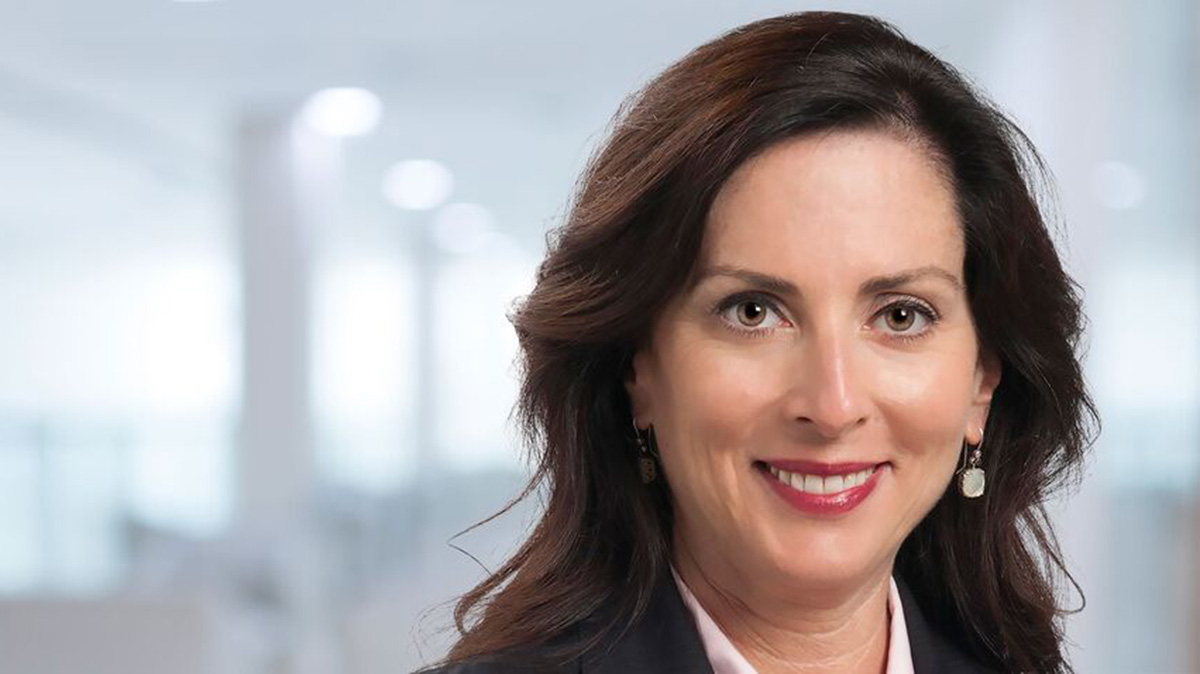
Practical Ways to Prioritize Your Own Wellbeing
Nurses are devoted to caring for others, but they often neglect their own wellbeing. In the latest episode of Nurse Essentials, Holli Blazey, CNP, APRN, shares advice for prioritizing self-care and making good decisions about nutrition, sleep and exercise. "We have to learn to take care of ourselves," says Blazey, APRN/PA Manager in Occupational Health at Cleveland Clinic.
Advertisement
Cleveland Clinic is a non-profit academic medical center. Advertising on our site helps support our mission. We do not endorse non-Cleveland Clinic products or services. Policy
Recent Episodes
Spotlight on Critical Care Transport
Imagine employing all the skills, competencies and critical thinking needed to deliver top-notch care to patients in urgent situations while…
Leaning into Evidence-Based Practice
Evidence-based practice involves three factors: using high-quality research to guide nursing practice, relying on clinical expertise and inv…
Caring for Patients with Chronic Lung Disease
Four to six percent of Americans live with some form of chronic lung disease, and it remains one of the leading causes of death and illness…
Video content: This video is available to watch online.
View video online (https://cdnapisec.kaltura.com/p/2207941/sp/220794100/playManifest/entryId/1_x04c4suh/flavorId/1_5f3sgelj/format/url/protocol/https/a.mp4)
Transcript
Carol Pehotsky, DNP, RN, NEA-BC, CPAN:
As nurses, we're so skilled in taking care of others. But when it comes to our own needs, we hear words like self-care and, and often we think that it is selfish. That's a luxury. I don't have the time. But like a lot of things in life, if we don't take care of ourselves, it will catch up to us and often quickly. We're joined today by Holli Blazey to talk about the importance of self-care, to learn more about practical ways to prioritize our own wellbeing.
Advertisement
Cleveland Clinic is a non-profit academic medical center. Advertising on our site helps support our mission. We do not endorse non-Cleveland Clinic products or services. Policy
Hi, and welcome to Nurse Essentials, a Cleveland Clinic podcast where we discuss all things nursing from patient care to advancing your career, to navigating tough on the job issues. We're so glad you're here. I'm your host, Carol Pehotsky, Associate Chief Nursing Officer of Surgical Services Nursing.
Welcome back everyone. I could be accused of picking topics and speakers that I need to hear for myself. Rest assured audience, we have an interprofessional group working on this podcast that recommend topics. So, I promise this one wasn't just for my own good. I think you'll find it very helpful as well. We're recording this episode during the holiday season. It won't come out till probably early 2026, but the timing is very interesting. As nurses, we are very busy during the holiday season, but whenever you're listening, the topic today is about caring for yourself and how important it is to do that. The tried and true putting on your own oxygen mask before you help the person next to you. It's not just cliché. Speaking for myself, and I'm sure many of you, it's easy to give people advice. It's much easier to take rather than own advice for yourself and put into practice. So it's my great pleasure to introduce you to Holly Blasey. Holly is an A PRN and PA manager in our Department of Occupational Health. Holly, welcome. Thanks for joining me today.
Advertisement
Holli Blazey, CNP, APRN:
Thank you. Thank you for having me.
Carol Pehotsky, DNP, RN, NEA-BC, CPAN:
So, there is no shortage of things to talk about when it comes to self-care, but first, you've had a fantastic nursing career. I'm hoping you'll start off by telling us a little bit about your career thus far.
Holli Blazey, CNP, APRN:
Certainly. I have been a nurse here for 33 years. I started in cardiothoracic, ICU as a new grad. I worked there for a few years and decided to go back to graduate school. I went to Kent State to get my nurse practitioner. It took three years full-time and working the weekend shift. I worked there for a while, say seven years in cardiothoracic ICU. And then one of the surgeons hired me right out of the unit to work for him in his pre-op and post-op clinic. I worked there for a few years.
Carol Pehotsky, DNP, RN, NEA-BC, CPAN:
Mm-hmm <affirmative>.
Holli Blazey, CNP, APRN:
And then I transitioned over to the medical side. I was working with surgical, transplant, heart and lung transplant patients.
Carol Pehotsky, DNP, RN, NEA-BC, CPAN:
Oh, wow.
Holli Blazey, CNP, APRN:
I very much enjoyed that side of medicine. And so, I switched over to the pulmonary side.
Carol Pehotsky, DNP, RN, NEA-BC, CPAN:
Hmm.
Holli Blazey, CNP, APRN:
I did heart and lung transplant over there, and I was the director for lung transplant. It was wonderful. I think 16 years working there and very much enjoyed it. But then a position came up, it was a dual position between nursing and wellness.
Carol Pehotsky, DNP, RN, NEA-BC, CPAN:
Mm-hmm <affirmative>.
Holli Blazey, CNP, APRN
To be the director of employee wellness for nursing wellness.
Carol Pehotsky, DNP, RN, NEA-BC, CPAN:
Mm-hmm <affirmative>.
Holli Blazey, CNP, APRN:
And I took that. It was a little scary to leave everything that I knew and to take that position, but it was a wonderful position. I started there in 2016.
Carol Pehotsky, DNP, RN, NEA-BC, CPAN:
Mm-hmm <affirmative>.
Holli Blazey, CNP, APRN:
I've been fascinated with wellness my whole life. I was a runner. I play tennis, I play pickle, and I do weight training. So, it was just kind of a natural progression for me to go into that and to help nurses and wellness. Unfortunately, with the pandemic in 2020, that position transitioned then into occupational health.
Carol Pehotsky, DNP, RN, NEA-BC, CPAN:
Mm-hmm <affirmative>.
Holli Blazey, CNP, APRN:
And I was already helping them through PRN work, seeing caregivers in the return-to-work clinic here on main campus. It was just an easy fix. I transitioned right over, and here we are five years later. I am working in occupational health on the occupational health hotline and still with wellness in mind.
Speaker 3:
Mm-hmm <affirmative>. And you had no shortage of stressful roles in that time. So, I'm guessing you come from self-care, both from an expert standpoint as well as somebody who's living that or trying to live that in your daily life.
Holli Blazey, CNP, APRN:
Every day. There's not a day that goes by where I don't do something physical.
Advertisement
Carol Pehotsky, DNP, RN, NEA-BC, CPAN:
Mm-hmm <affirmative>.
Holli Blazey, CNP, APRN:
Even if it's just walking.
Carol Pehotsky, DNP, RN, NEA-BC, CPAN:
Okay.
Holli Blazey, CNP, APRN:
I do squats every hour. I walk multiple times a day. It's just part of who I've become.
Carol Pehotsky, DNP, RN, NEA-BC, CPAN:
That's amazing.
Holli Blazey, CNP, APRN:
Mm-hmm <affirmative>.
Carol Pehotsky, DNP, RN, NEA-BC, CPAN:
Most of us are on that journey; some of us are at the starting line. Talk to us a little bit though, about how self-care has always been important, but why is it so important for nurses, especially today?
Holli Blazey, CNP, APRN:
Oh, my goodness. I think the nursing profession is known for being physically, emotionally, mentally demanding.
Carol Pehotsky, DNP, RN, NEA-BC, CPAN:
Mm-hmm <affirmative>.
Holli Blazey, CNP, APRN:
That's not a secret. So, it is critical for nurses of all people to take care of themselves. You mentioned it earlier, and I would say this in every presentation that I would give, you have to take care of yourself in order to be able to take care of others, whether it's your patients, your family, you have to take care of yourself first. And it’s something that's hard to get through to people. They would say, well, it's very time consuming. I had a primary care clinic with wellness focus, and I would see a lot of nurses, nurse managers, and that was the biggest complaint is I don't have time.
Carol Pehotsky, DNP, RN, NEA-BC, CPAN:
Hmm.
Holli Blazey, CNP, APRN:
I don't have time to pack my lunch. I don't have time to eat lunch. I don't have time to work out. I have to care for my children. So, it is something that I'm passionate about.
Advertisement
Carol Pehotsky, DNP, RN, NEA-BC, CPAN:
Mm-hmm <affirmative>.
Holli Blazey, CNP, APRN:
And, I try very hard to help other nurses through this.
Carol Pehotsky, DNP, RN, NEA-BC, CPAN:
We all get 24 hours in a day. So, let's go since you brought it up.
Holli Blazey, CNP, APRN:
No, no. It's good.
Carol Pehotsky, DNP, RN, NEA-BC, CPAN:
Time.
Holli Blazey, CNP, APRN:
Yes.
Carol Pehotsky, DNP, RN, NEA-BC, CPAN:
Right. We all get that same 24 hours in a day. How do we figure out, how do you make those decisions and weigh the this or that that leads to a better or more self-care focused decision?
Holli Blazey, CNP, APRN:
Yes. I like to say baby steps because when someone comes in and they're not eating healthy, they're not sleeping, they're not exercising, they're under a lot of stress. I don't want to throw everything at them at once.
Carol Pehotsky, DNP, RN, NEA-BC, CPAN:
Mm-hmm <affirmative>.
Holli Blazey, CNP, APRN:
We're all overwhelmed as it is. The last thing I want to do is give you more things to think about. And I don't want you to consider it as an obligation that you have to do all these things at once. So, I think just starting little, I always start with sleep. That's my biggest thing.
Carol Pehotsky, DNP, RN, NEA-BC, CPAN:
Mm-hmm <affirmative>.
Holli Blazey, CNP, APRN:
And everyone admits to it when you talk to them that they're on their phone at night and in bed. I'm going to bed at 10. But then, at , 11, you're still on TikTok or Instagram reels or something.
Carol Pehotsky, DNP, RN, NEA-BC, CPAN:
Mm-hmm. Mm-hmm <affirmative>.
Holli Blazey, CNP, APRN:
I just say, once you're in bed, that's it. Do a meditation if need be. Close off all the crazy thoughts from your day at work or your day at home, and then just go to bed. Sleep is so crucial. We all know this. So, I focus on sleep first.
Advertisement
Carol Pehotsky, DNP, RN, NEA-BC, CPAN:
Okay.
Holli Blazey, CNP, APRN:
And then that of course goes into everything else, caffeine, fatigue.
Carol Pehotsky, DNP, RN, NEA-BC, CPAN:
Mm-hmm <affirmative>.
Holli Blazey, CNP, APRN:
But then once we make baby steps on that, then I would say, what do you want to work on next? Do you want to work on nutrition? Do you want to work on physical activity? And then go from there.
Carol Pehotsky, DNP, RN, NEA-BC, CPAN:
Mm-hmm <affirmative>.
Holli Blazey, CNP, APRN:
Nutrition is something that definitely, I've had so many nurses come in to see me in their clinics and they'll say, ‘I just eat in the cafeteria all day, or eat graham crackers, or I drink a lot of coffee <laugh>.’ And I understand that. I've been an ICU nurse. I've been an ambulatory nurse. It is a lot. But the biggest thing is preparation.
Carol Pehotsky, DNP, RN, NEA-BC, CPAN:
Okay.
Holli Blazey, CNP, APRN:
And I'm seeing now with the younger generation, they are very into food prep, which is phenomenal.
Carol Pehotsky, DNP, RN, NEA-BC, CPAN:
Mm-hmm <affirmative>.
Holli Blazey, CNP, APRN:
It's all over TikTok. It's all over social media, nurses sharing, food prep ideas, recipe ideas, they're on my TikTok feeds <laugh>. I follow them. I think it's fantastic.
Carol Pehotsky, DNP, RN, NEA-BC, CPAN:
Yes.
Holli Blazey, CNP, APRN:
So that is it. And you know, always be prepared for food. We worked very hard with our cafeterias, with all the different vendors to make sure that they had quick, easy grab and go healthy snacks for people. Because you don't always have a lot of time once you leave your unit, go down to the cafeteria, wait in line, try to get something. So, my first recommendation is always to have your own food, pack your food. We all forget. I've heard many times nurses say, ‘I packed my kids' food and then there wasn't a lot left for me.’
Carol Pehotsky, DNP, RN, NEA-BC, CPAN:
Right.
Holli Blazey, CNP, APRN:
Or they're in meetings all day, so they stop at the cafeteria. They don't have time to run back to their office.
Carol Pehotsky, DNP, RN, NEA-BC, CPAN:
Sure.
Holli Blazey, CNP, APRN:
I understand that it's just making smart, healthy choices and we are all smart, educated people. We know it's just easier sometimes. And unfortunately, maybe less expensive. Some unhealthy foods are less expensive, but, you know, just to make smart choices. I always pack my food. I pack it the night before in the event I'm running late.
There have been occasions where I forget my lunch, which is frustrating. And I will run down to a vending machine and get a protein bar or a bag of pretzels or a cheese stick. Thankfully, most of our vending machines have very healthy options now.
Carol Pehotsky, DNP, RN, NEA-BC, CPAN:
Mm-hmm <affirmative>.
Holli Blazey, CNP, APRN:
The cafeterias all have healthy options. You just have to be prepared. That's my biggest thing. Even if you're not at work, like you're going to your kids' games – it’s going to be a long day with multiple games and breaks. I always take a cooler. I always pack my food.
Carol Pehotsky, DNP, RN, NEA-BC, CPAN:
Nice. And you think about, certainly over time, is a protein bar as good as something else? Probably not, but better than [Right.] And bringing a box of protein bars and leaving them in your locker or other things that you could do to set yourself up for...
Holli Blazey, CNP, APRN:
A hundred percent.
Carol Pehotsky, DNP, RN, NEA-BC, CPAN:
Okay.
Holli Blazey, CNP, APRN:
Yes, I do that. I always try to go with real food.
Carol Pehotsky, DNP, RN, NEA-BC, CPAN:
Yes.
Holli Blazey, CNP, APRN:
That's my choice. But I do buy protein bars in bulk. I buy turkey sticks in bulk. Cheese sticks in bulk, hard boiled eggs. They're pre peeled in a package of two very easy, convenient, so that you can just grab and go, whether you have it in your locker, in your car, wherever, in your cooler that you transport around. A lot of people I know do that food prep. It starts with that. And once you get into the habit of doing it, it's just much easier and you feel better.
Carol Pehotsky, DNP, RN, NEA-BC, CPAN:
Sure. Getting to sleep at a sort of reasonable time, whether that is, seems hard at first, but
Holli Blazey, CNP, APRN:
It does.
Carol Pehotsky, DNP, RN, NEA-BC, CPAN:
You have once you get there...
But once you get there and you realize, oh my gosh, I feel so much better. I feel well rested, I'm pleasant.
Well, and you think about the trade-offs that come, right? But even a healthy vending machine experience is going to be more expensive, most likely more than even a little bit of prep. So even if it's getting over that hurdle of being prepared, it's probably also painting that picture of the larger landscape that says you're going to save money, you're going to save that time. [Exactly.] That is so limited. You're not going to be waiting in line, looking for your phone or change to go from the vending machine. There are other benefits in it.
Holli Blazey, CNP, APRN:
A hundred percent. Just think about it. If you are in a rush, it's just like going to the grocery store when you're hungry, <laugh>, you end up buying... making poor choices. We've all been there. But even if you're in a hurry and you run down to the cafeteria and you grab something that you wouldn't normally grab, but you're hungry, you're stressed, you grab it and then you don't feel well afterwards. That was my biggest issue. I couldn't do my best at work when I just didn't feel great after eating.
Carol Pehotsky, DNP, RN, NEA-BC, CPAN:
Yes.
Holli Blazey, CNP, APRN:
A bad meal. So...
Carol Pehotsky, DNP, RN, NEA-BC, CPAN:
And it's almost remembering that. So, before you do that, the next time, think about how badly you felt afterwards.
Holli Blazey, CNP, APRN:
Right. So, I just try to plan, that's the biggest thing. I am a planner by nature. Not everyone is, but I think it helps to do that.
Carol Pehotsky, DNP, RN, NEA-BC, CPAN:
Yes. Unfortunately, there's also no shortage of caffeine options. So, we talked about the importance of sleep.
Mm-hmm <affirmative>.
Caffeine is everywhere. It's in all sorts of preparations and in much higher doses than were around when I was younger. We know there's people in healthcare that are drinking those high caffeinated beverages. Probably shouldn't go cold turkey on those. How do you help people, trying to get to better sleep, but I'm also drinking all these high caffeine drinks. How do you help them start that journey knowing that they're sort of at a deficit at both ends?
Holli Blazey, CNP, APRN:
Well, that's a great question because I love coffee.
Carol Pehotsky, DNP, RN, NEA-BC, CPAN:
Okay. <laugh>
Holli Blazey, CNP, APRN:
I don't drink energy drinks, but I just enjoy the smell of coffee, taste of coffee. I drink straight black coffee.
Carol Pehotsky, DNP, RN, NEA-BC, CPAN:
Okay. Wow.
Holli Blazey, CNP, APRN:
That's it.
Carol Pehotsky, DNP, RN, NEA-BC, CPAN:
Wow. All right.
Holli Blazey, CNP, APRN:
And that was a positive change for me when I went to wellness. And I will not go back thankfully. But again, you know, people get jittery, anxious, irritable, and they just have to be made aware. Everyone needs to be a little more self-aware. I think it comes with age and experience, but [Yes. <laugh>] Yes.
Carol Pehotsky, DNP, RN, NEA-BC, CPAN:
Looking at my own life anyway.
Holli Blazey, CNP, APRN:
I certainly drink a few cups of coffee in the morning when I get up but just connect your sleep with having that late afternoon coffee or energy drink or whatever. I don't drink energy drinks, but coffee? Yes. And again, I like to point out how many calories and grams of fat are in the drinks that they can consume wherever they go. And all the things, when you see people adding sugar, cream, whipped cream, syrups, that's a lot. [That's a choice.] It's an entire meal. [Mm-hmm <affirmative>.] And once you have someone sit down and do a food journal log, I know no one wants to do that, but when you actually sit down and you think, oh my gosh, it was 1200 calories for this drink that I just had for my little pick me up.
Carol Pehotsky, DNP, RN, NEA-BC, CPAN:
Right.
Holli Blazey, CNP, APRN:
Right.
Carol Pehotsky, DNP, RN, NEA-BC, CPAN:
Or that sugar free energy drink, maybe sometimes, even if you're going to have it, don't have it after the hour of [Right.] or start thinking about less of it, or a lower caffeinated version.
Holli Blazey, CNP, APRN:
Absolutely. You have to just start cutting back. The start of your shift or the morning, depending if you're a night shifter, whenever. I did night shift for years in graduate school, so yes. You just have to cut back very slowly. At one point in time, and I'm not embarrassed to admit this, but when I worked in transplant, I was probably drinking 14 to 15 cups of coffee a day.
Carol Pehotsky, DNP, RN, NEA-BC, CPAN:
Okay.
Holli Blazey, CNP, APRN:
And again, I like the taste of coffee.
Carol Pehotsky, DNP, RN, NEA-BC, CPAN:
Sure.
Holli Blazey, CNP, APRN:
It's winter. I like that it's nice and warm.
Carol Pehotsky, DNP, RN, NEA-BC, CPAN:
Mm-hmm <affirmative>.
Holli Blazey, CNP, APRN:
I would just hold it, I would reheat it multiple times, just kept pouring more in. And then I would realize, oh, I drank that entire pot myself. And with cream poured in.
Carol Pehotsky, DNP, RN, NEA-BC, CPAN:
A little bit of coffee with a lot of cream. Yes.
Holli Blazey, CNP, APRN:
Right. I just started cutting back and cutting back. Okay. I won't drink after this time. I won't drink after that time. I will only have half caffeine, half decaf. Or then I just switched over and started drinking hot water with lemon.
Carol Pehotsky, DNP, RN, NEA-BC, CPAN:
Sure.
Holli Blazey, CNP, APRN:
I know a lot of people do not think this sounds appetizing.
Carol Pehotsky, DNP, RN, NEA-BC, CPAN:
I think that's an age thing too. I've made fun of my mother for years and now [Completely agree] I'm a hot water with lemon...
Holli Blazey, CNP, APRN:
Completely agree. But I found that I was drinking coffee just to have it, it was a more of a habit...
Carol Pehotsky, DNP, RN, NEA-BC, CPAN:
Sure.
Holli Blazey, CNP, APRN:
Than anything. But at some point, I actually just did a coffee detox
Carol Pehotsky, DNP, RN, NEA-BC, CPAN:
Mm-hmm <affirmative>.
Holli Blazey, CNP, APRN:
And I completely went without for two weeks.
Carol Pehotsky, DNP, RN, NEA-BC, CPAN:
I bet that was fun. <laugh>.
Holli Blazey, CNP, APRN:
It was. It was great. <laugh> <laugh>. Yes. I did have a headache. I did not feel great.
Carol Pehotsky, DNP, RN, NEA-BC, CPAN:
Yes.
Holli Blazey, CNP, APRN:
But once you get over the hump, it's wonderful. That's when I went back to just a few cups a day.
Carol Pehotsky, DNP, RN, NEA-BC, CPAN:
Mm-hmm <affirmative>.
Holli Blazey, CNP, APRN:
Straight, black coffee, hot coffee, that's all I drink. It is hard. And I know when everyone likes to have it more as their coffee and their sweet treat, that's where you have to do the food log, actually look on the site and see how many calories you consumed, how many grams of sugar you consumed. You're going to have that sugar rush temporarily followed by the crash.
Carol Pehotsky, DNP, RN, NEA-BC, CPAN:
Yes. And there's no shortage of apps these days. Right. You don't have to care. And I have periodically done this. It's so helpful, too, that it'll fill in once it knows what you're eating. And if you have a brand name, it takes care of all of that. It's simple. And it's very jarring to see things with consume, but you can scan it and then ‘oh, I think I only had this much,’ so it's probably only that many calories or fatter. It's right there in front of you.
Holli Blazey, CNP, APRN:
Right.
Carol Pehotsky, DNP, RN, NEA-BC, CPAN:
Yes. It's very sobering, <laugh>.
Holli Blazey, CNP, APRN:
It is. But it is something that you have to do. And once you start cutting back, like I stopped drinking after five, then I stopped drinking after three.
Carol Pehotsky, DNP, RN, NEA-BC, CPAN:
Mm-hmm <affirmative>.
Holli Blazey, CNP, APRN:
Now it's two.
Carol Pehotsky, DNP, RN, NEA-BC, CPAN:
It's a baby step.
Holli Blazey, CNP, APRN:
It is baby steps. Everything is baby steps. You can't expect to do everything at once and to be successful. It's too hard.
Carol Pehotsky, DNP, RN, NEA-BC, CPAN:
Well, and going back to something you said that really resonated with me is, sometimes, at least from my perspective, I end up on some sort of social media seeing somebody whose profession is to do this, right? [Right.] Sometimes it's a little, well, that's your job. [Right.] Versus being able to see that there are nurses like yourself, nurses on social media, other people. So, you don't have to take our word for it. You can go find other nurses who will also give you very real examples of what they're doing. That nurse-to-nurse someone could relate to.
Holli Blazey, CNP, APRN:
Right. I do see that all the time on social media. OR nurses will say, I work in this type of OR and this is what I pack. These are the times I eat. I think that's incredible. It's wonderful for nursing in general, and all healthcare providers.
Carol Pehotsky, DNP, RN, NEA-BC, CPAN:
Right. We talked about the misconception of I don't have enough time, or I have to have caffeine. What are some other misconceptions that nurses have when it comes to self-care?
Holli Blazey, CNP, APRN:
A lot of people, and it's kind of an outdated way of thinking, is that it's selfish to do self-care. That's what I hear a lot. You know, I have my family, I have my job, I have this, I work 12 hours a day, I have an hour commute. I understand that.
Carol Pehotsky, DNP, RN, NEA-BC, CPAN:
Those are all realities.
Holli Blazey, CNP, APRN:
It is. A hundred percent. I have an hour commute here as well. So, it just depends. And I would work with each caregiver depending on, do you work three twelves? Four tens? Five eights? How can we work what fits best for you?
Carol Pehotsky, DNP, RN, NEA-BC, CPAN:
Mm-hmm <affirmative>.
Holli Blazey, CNP, APRN:
And what are your negotiables? Your non-negotiables? What can make you feel great? And I think honestly, once people start working with you and they can see that it's not black and white. Everything is very individualized. Once they start to feel better, people start sleeping better, cutting back on their caffeine, drinking more water, straight water, <laugh>, <laugh>. I get sluggish if I don't have enough water. Sometimes I'm like, I'm starving. And why am I starving? I'm pretty sure I just ate 45 minutes ago.
Carol Pehotsky, DNP, RN, NEA-BC, CPAN:
<laugh>, My body needs something, but maybe it's water.
Holli Blazey, CNP, APRN:
Right?
Carol Pehotsky, DNP, RN, NEA-BC, CPAN:
Yes.
Holli Blazey, CNP, APRN:
Absolutely. I drink a lot of water throughout the day, and I think that helps. I think that helped me cut down on the coffee intake.
Carol Pehotsky, DNP, RN, NEA-BC, CPAN:
Sure.
Holli Blazey, CNP, APRN:
Whether it's cold water, hot water. And I'm happy to say when I see nurses walking in here, everyone has their own water bottle.
Carol Pehotsky, DNP, RN, NEA-BC, CPAN:
Some of them are quite large.
Holli Blazey, CNP, APRN:
Yes.
Carol Pehotsky, DNP, RN, NEA-BC, CPAN:
They have a whole day’s worth of water in that bottle.
Holli Blazey, CNP, APRN:
Yes, absolutely. Whatever it takes. That's fantastic.
Carol Pehotsky, DNP, RN, NEA-BC, CPAN:
Yes.
Holli Blazey, CNP, APRN:
That's what they need.
Carol Pehotsky, DNP, RN, NEA-BC, CPAN:
Mm-hmm <affirmative>.
Holli Blazey, CNP, APRN:
You have to stay hydrated. That helps with your energy. It helps with your appetite.
Carol Pehotsky, DNP, RN, NEA-BC, CPAN:
Well, and I imagine some of this too, is we do a great job of assessing signs and symptoms and helping patients understand when you feel this way, [Right.] This medication is part of that, this thing that you're doing. [Right.] We're terrible about seeing that in ourselves. [Hundred percent.] Same connection that says, wait a minute, when I drink a lot of water, I feel better. Not so much when I ate that fast food. This is how I felt. Some of it is being more aware, I suppose.
Holli Blazey, CNP, APRN:
Absolutely. Being more aware and, we're both nurses so we take care of other people. We have to learn to take care of ourselves. That's the biggest thing. I think we're getting there. I do see progress, which is fantastic.
Carol Pehotsky, DNP, RN, NEA-BC, CPAN:
Yes. And your point about people getting more into food prep. There was no such thing as water bottles being brought to work when I could work the floor. So, it is good to see nurses being really intentional and trying to set themselves up for success with hydration at the very least.
Holli Blazey, CNP, APRN:
Mm-hmm <affirmative>.
Carol Pehotsky, DNP, RN, NEA-BC, CPAN:
Yes.
Holli Blazey, CNP, APRN:
The other thing that I've heard people say to me when I see them in their clinics is, self-care is a luxury. But that's just such a huge misconception and it almost hurts me to hear people say that. How can you even say that about yourself?
Carol Pehotsky, DNP, RN, NEA-BC, CPAN:
How do you chip away at that?
Holli Blazey, CNP, APRN:
It takes a lot. And then I just work with people based on who they are. What their role is, what their schedule is, and then just work on an individualized plan with them and what their priorities are. I don't want to take somebody who eats out every day to say, oh, you have to food prep now. Stop eating out.
Carol Pehotsky, DNP, RN, NEA-BC, CPAN:
Only carrots and salad from now on <laugh>.
Holli Blazey, CNP, APRN:
Right. We have to be realistic and reasonable with everyone. And everyone has different time constraints, commitments; I only have one kid, some people have six. It's just different for everyone, and just trying to break away and what's important to them, what they're willing to do.
Carol Pehotsky, DNP, RN, NEA-BC, CPAN:
Mm-hmm <affirmative>.
Holli Blazey, CNP, APRN:
That's the biggest thing.
Carol Pehotsky, DNP, RN, NEA-BC, CPAN:
One of the topics we haven't talked about yet is movement and breathing. Certainly nurses get no shortage of steps when they're working on most units. It's back and forth, but it can, depending on the role, be a very physically taxing role.
Holli Blazey, CNP, APRN:
Mm-hmm <affirmative>.
Carol Pehotsky, DNP, RN, NEA-BC, CPAN:
How do you help start nurses who may say, ‘I don't have time to work out or don't have time to stretch, I don't have time to exercise. I'm getting enough steps on my unit.’
Holli Blazey, CNP, APRN:
Right.
Carol Pehotsky, DNP, RN, NEA-BC, CPAN:
How do you start chipping away at that?
Holli Blazey, CNP, APRN:
That one is kind of frustrating because I do get that almost with every single person. I don't have time to work out. I understand, and you know we have fitness centers here on main campus or,
Carol Pehotsky, DNP, RN, NEA-BC, CPAN:
And a lot of our other hospitals. Yes.
Holli Blazey, CNP, APRN:
Yes. We have all these locations. And I would print it out and say, you can go here, you can go there. And a lot of people are like, ‘well, I don't want to work out here. I want to go home and go to my own gym.’
Carol Pehotsky, DNP, RN, NEA-BC, CPAN:
Okay.
Holli Blazey, CNP, APRN:
And that's fine.
Carol Pehotsky, DNP, RN, NEA-BC, CPAN:
Mm-hmm <affirmative>. But you actually have to stop at the gym.
Holli Blazey, CNP, APRN:
Based on my own life, you know, it's winter here in Cleveland, Ohio, so it's dark when you come into work. It's dark when you leave and after my hour commute home, I'm not going to change and go back out. So, I always pack my work out clothes. It's a little difficult working at AM to work out before, but by all means, if you can get up and do it. I used to.
Carol Pehotsky, DNP, RN, NEA-BC, CPAN:
Mm-hmm <affirmative>.
Holli Blazey, CNP, APRN:
20 years ago.
Carol Pehotsky, DNP, RN, NEA-BC, CPAN:
Yes. I'm not that person either. <laugh>.
Holli Blazey, CNP, APRN:
I used to, but yes. Same thing with meal planning as for exercise; you have to plan for it.
Carol Pehotsky, DNP, RN, NEA-BC, CPAN:
Mm-hmm <affirmative>.
Holli Blazey, CNP, APRN:
Have your clothes, have your gym bag packed and go right from work, come here right after work.
Carol Pehotsky, DNP, RN, NEA-BC, CPAN:
Mm-hmm <affirmative>.
Holli Blazey, CNP, APRN:
Once you get home, it's so hard.
Carol Pehotsky, DNP, RN, NEA-BC, CPAN:
And when I think about other avenues, there's no shortage of workout tips and YouTube videos or other online videos or platforms. So, I try to work out at home. I can appreciate that it comes with its own challenges. And then I've been in phase of my life where I had to go somewhere else because the minute I was home, I was thinking about home things, not myself. [Right.] But there's no shortage of options. Just taking that first step.
Holli Blazey, CNP, APRN:
And most of them are free online.
Carol Pehotsky, DNP, RN, NEA-BC, CPAN:
Yes. Yes.
Holli Blazey, CNP, APRN:
Absolutely. And people will say, ‘well, I can't work out at home. I have to go to a gym.’ Then by all means, go. Then I get, ‘if you work three twelves or whatever, it's difficult.’ So, give yourself a pass for those three days you've been working all three days. You have been physically active, physically demanding job. So, give yourself a pass those three days and then what do you do on your days off? What about the other four days of the week?
“Well, I have kids.” I'm like, yes, yes. They're in school or you just have to prioritize and make time for it. Exercise while your child's napping or exercise while they're in school. Or if you drive your kids to practice, get a group and walk there. Or go to the gym while they're at practice. Carpool with people. There are so many options. You just have to want to do it and make it a priority.
Carol Pehotsky, DNP, RN, NEA-BC, CPAN:
And it doesn't have to be, I go from very little activity to I'm in the gym two hours.
Holli Blazey, CNP, APRN:
Oh my goodness.
Carol Pehotsky, DNP, RN, NEA-BC, CPAN:
That would actually be bad, right?
Holli Blazey, CNP, APRN:
Again, it's just you have to start somewhere. And then be happy with your progress. Every little bit counts. And don't beat yourself up if you don't go one day. You know, we all have bad days. We all have families and other things that take time.
Carol Pehotsky, DNP, RN, NEA-BC, CPAN:
Mm-hmm <affirmative>.
Holli Blazey, CNP, APRN:
But again, once you work out, like for me, after I have a stressful day at work, I would pretty much decompress on my drive home.
Carol Pehotsky, DNP, RN, NEA-BC, CPAN:
Mm-hmm <affirmative>.
Holli Blazey, CNP, APRN:
Which is fantastic for me. But then to get home and to work out, it just became a routine for me. I have a treadmill and a bike at home, so I would work out. Or I would work out in the morning and that's just what works for me. So, if it doesn't work for you, it doesn't work for you. If you want to be a weekend warrior, that's a little difficult.
Carol Pehotsky, DNP, RN, NEA-BC, CPAN:
Mm-hmm <affirmative>.
Holli Blazey, CNP, APRN:
But, go for a walks, start walking your dog, walk with your kids, go to the park with your kids. Any little bit of activity is fantastic. We all know this. It's just doing it.
Carol Pehotsky, DNP, RN, NEA-BC, CPAN:
Yes.
Holli Blazey, CNP, APRN:
Not sitting there on your phone, <laugh>
Carol Pehotsky, DNP, RN, NEA-BC, CPAN:
Or at least be on the treadmill while you're on <laugh>.
Holli Blazey, CNP, APRN:
Absolutely. You can watch TV on the treadmill. Listen to a book while you're walking. That's what I do.
Carol Pehotsky, DNP, RN, NEA-BC, CPAN:
Okay. So, like a lot of things in this life and a lot of the things that we help take care of as nurses left unchecked, we'll start to see symptoms that the disease process is out of control.
Holli Blazey, CNP, APRN:
Mm-hmm <affirmative>.
Carol Pehotsky, DNP, RN, NEA-BC, CPAN:
Right. And that comes with our bodies as well. In terms of we can either manage our stress with self-care and rituals that help us take care of ourselves at some point. If we don't do that our bodies are going to tell us that we need to do something.
Holli Blazey, CNP, APRN:
Right.
Carol Pehotsky, DNP, RN, NEA-BC, CPAN:
So, I'm looking in the mirror or I'm looking at my colleagues at a nursing unit. What are some signs that it's really time to start taking care of myself or taking better care of myself?
Holli Blazey, CNP, APRN:
For me, the first thing that always comes to mind is irritability. Fatigue. I'm very self-aware. If you're feeling down, if you're feeling tired, caregivers that are, employees that start to become irritable, calling off, getting sick more often. Just less engaged in work in general. You can see it. It's unfortunate, but it's there. It happens.
Carol Pehotsky, DNP, RN, NEA-BC, CPAN:
And especially with, you know, you could keep your brain busy 24/7 between...
Holli Blazey, CNP, APRN:
Mm-hmm <affirmative>.
Carol Pehotsky, DNP, RN, NEA-BC, CPAN:
Being at work and being on social media. It's finding that quiet space to listen to yourself and listen to your body and say, wait a minute. I'm masking all of this irritability. My lack of sleep, well it's because all these excuses I'm giving, but maybe I just need to listen to my body.
Holli Blazey, CNP, APRN:
Right. And it starts with the basic, your annual primary care visit that you know,
Carol Pehotsky, DNP, RN, NEA-BC, CPAN:
Alright everybody, this is your homework. If you don't have a primary care provider
Holli Blazey, CNP, APRN:
Yes.
Carol Pehotsky, DNP, RN, NEA-BC, CPAN:
Go find one. Go make an appointment there. Sorry, resume <laugh>.
Holli Blazey, CNP, APRN:
Absolutely. When I was in primary care that
Carol Pehotsky, DNP, RN, NEA-BC, CPAN:
Yes.
Holli Blazey, CNP, APRN:
I would see nurses and every time I'm like, have you had your mammogram? No. Have you had your colon...? No.
Carol Pehotsky, DNP, RN, NEA-BC, CPAN:
When's the last time you had a PCP visit? This is the first time. Yes.
Holli Blazey, CNP, APRN:
Yes.
Carol Pehotsky, DNP, RN, NEA-BC, CPAN:
Yes.
Holli Blazey, CNP, APRN:
Or I don't have a PCP. There's so many of those. Even in occupational health, when we have an exposure and you'll say, well what about this? I don't have a primary; I haven't been to a provider. Again, you take your children to the pediatrician, and you go to the dentist, but you need to take care of yourself.
Carol Pehotsky, DNP, RN, NEA-BC, CPAN:
Mm-hmm <affirmative>.
Holli Blazey, CNP, APRN:
In all your health maintenance that's required. But absolutely. That's the first step.
Carol Pehotsky, DNP, RN, NEA-BC, CPAN:
A couple more questions before we wrap it up.
Holli Blazey, CNP, APRN:
Sure.
Carol Pehotsky, DNP, RN, NEA-BC, CPAN:
There are a lot of things you have shared with us today that are super helpful. What are your top two to three non-negotiables that you consistently practice no matter how busy you get?
Holli Blazey, CNP, APRN:
I have three. It's always sleep, exercise and nutrition.
Carol Pehotsky, DNP, RN, NEA-BC, CPAN:
Okay.
Holli Blazey, CNP, APRN:
For sure. As I said, sleep is a priority for me. I am early to bed, early to rise. I would love to take a nap, but I know that I won't sleep the next night. So I don't.
Carol Pehotsky, DNP, RN, NEA-BC, CPAN:
So you know your sleep habits?
Holli Blazey, CNP, APRN:
Yes. I'm a little more mature. <laugh> and understanding of how it works for me. Consistency and sleep. Exercise, as I mentioned, I do something seven days a week. If I can go out, I love to lift weights, you know? It's good for bone density. It's good for aging. I want to be able to pick myself up off the ground one day if I fall.
Carol Pehotsky, DNP, RN, NEA-BC, CPAN:
Right.
Holli Blazey, CNP, APRN:
So, I love that. I love to go walking. I love to be outside.
Carol Pehotsky, DNP, RN, NEA-BC, CPAN:
Mm-hmm <affirmative>.
Holli Blazey, CNP, APRN:
And then nutrition. As I mentioned, I am very easy to not feel well if I eat junk food.
Carol Pehotsky, DNP, RN, NEA-BC, CPAN:
Sure.
Holli Blazey, CNP, APRN:
So, I just don't.
Carol Pehotsky, DNP, RN, NEA-BC, CPAN:
There you go.
Holli Blazey, CNP, APRN:
And those are
Carol Pehotsky, DNP, RN, NEA-BC, CPAN:
Definitely big for me, without a doubt.
Holli Blazey, CNP, APRN:
Mm-hmm <affirmative>.
Carol Pehotsky, DNP, RN, NEA-BC, CPAN:
All right. So, everyone you have a second assignment. First, you're all going to find a PCP and make an appointment if you only had one. And second, you're going to give yourself a little bit of brain space.
Holli Blazey, CNP, APRN:
Mm-hmm <affirmative>.
Carol Pehotsky, DNP, RN, NEA-BC, CPAN:
To do a body scan. And to think about how is my sleep, how's my activity, how's my diet? And this will come out after the first of the year, but it's never too late to start a good habit to say, what am I going to try? What one thing am I going to try...
Holli Blazey, CNP, APRN:
Right.
Carol Pehotsky, DNP, RN, NEA-BC, CPAN:
...to make one of those better?
Holli Blazey, CNP, APRN:
Absolutely. Start with one thing. Once you get that, move on to the next. Start just incorporating more things.
Carol Pehotsky, DNP, RN, NEA-BC, CPAN:
That's right. Come back to this podcast, listen to it again, and then you get your next tip. Sorry. <laugh.>
Holli Blazey, CNP, APRN:
Right.
Carol Pehotsky, DNP, RN, NEA-BC, CPAN:
You've shared so many helpful things today for us. I can't thank you enough. Before we call it a day, as you know, at Cleveland Clinic, we've been spending this year talking a lot about the power of purpose, and how important each of us are and how our why informs the care we provide.
Holli Blazey, CNP, APRN:
Mm-hmm <affirmative>.
Carol Pehotsky, DNP, RN, NEA-BC, CPAN:
I'm hoping you'll share with us what's your why.
Holli Blazey, CNP, APRN:
Oh, my goodness. Well, being a nurse for me is just a natural progression. My mom is a nurse. So I guess I always wanted to be a nurse. And I came here right out of college many, many years ago. I think it's just part of my nature being a nurturing person. I like caring for other people. I love promoting health and wellness. It's just the natural progression of my career in this. But it's just to help. I mean, I'm a nurse. I'm here to help <laugh>.
Carol Pehotsky, DNP, RN, NEA-BC, CPAN:
And you've clearly helped a bunch of people, and you've helped all of us today. Thanks so much for joining us.
Holli Blazey, CNP, APRN:
Thank you.
Carol Pehotsky, DNP, RN, NEA-BC, CPAN:
As always. Thanks so much for joining us for today's discussion. Don't miss out. Subscribe to hear new episodes wherever you get your podcasts. And remember, we want to hear from you. Do you have ideas for future podcasts or want to share your stories? Email us at nurseessentials@ccf.org.
To learn more about nursing at Cleveland Clinic, please check us out at clevelandclinic.org/nursing.
Until next time, take care of yourselves and take care of each other.
The information in this podcast is for educational and entertainment purposes only and does not constitute medical or legal advice. Consult your local state boards of nursing for any specific practice questions.
Recent Episodes
Spotlight on Critical Care Transport
Imagine employing all the skills, competencies and critical thinking needed to deliver top-notch care to patients in urgent situations while…
Leaning into Evidence-Based Practice
Evidence-based practice involves three factors: using high-quality research to guide nursing practice, relying on clinical expertise and inv…
Caring for Patients with Chronic Lung Disease
Four to six percent of Americans live with some form of chronic lung disease, and it remains one of the leading causes of death and illness…
Never miss a moment - subscribe now.
Listen to the Health Essentials Podcast on your favorite streaming platform.
Other Podcasts You May Love
MedEd Thread
MedEd Thread explores the latest innovations in medical education and amplifies the tremendous work…
Health Essentials
Tune in for practical health advice from Cleveland Clinic experts. What's really the healthiest diet…
Beyond Leadership
Hosts Jim Pae and Elizabeth Pugel escort you through a network of thought leaders, sharing world-cla…
Studies in Empathy
Join Cleveland Clinic Patient Experience leaders and a group of guests with a wide range of experien…