



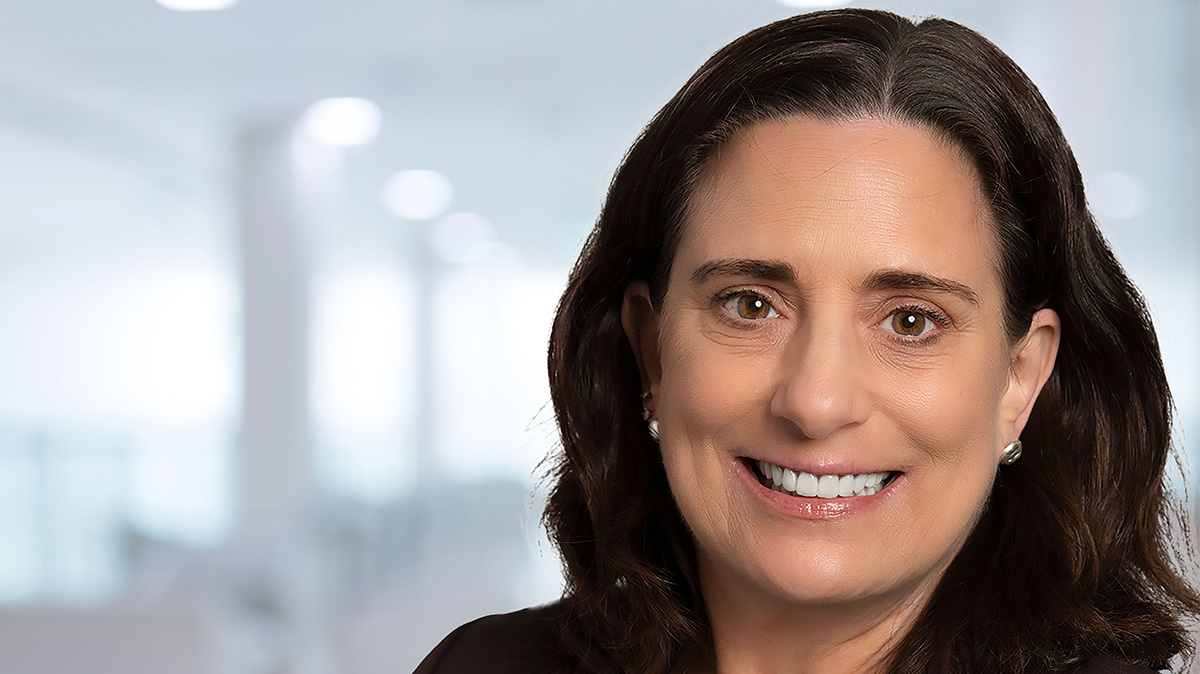
Bringing Joy to the Nursing Profession
During her 40-plus-year nursing career, Sue Behrens, DNP, RN, ACNS-BC, NEA-BC, has cared for patients in their most vulnerable moments, including running medical clinics in Haiti and working in a unhoused clinic in Illinois. "What fills my cup is helping others that are truly in need," says Behrens, Chief Nursing Officer and Vice President of Cleveland Clinic Hillcrest and Mentor Hospitals. In the latest episode of Nurse Essentials, she talks about the importance of finding joy in the workplace and how to foster it among bedside nurses and nursing leaders.
Advertisement
Cleveland Clinic is a non-profit academic medical center. Advertising on our site helps support our mission. We do not endorse non-Cleveland Clinic products or services. Policy
Recent Episodes
Spotlight on Critical Care Transport
Imagine employing all the skills, competencies and critical thinking needed to deliver top-notch care to patients in urgent situations while…
Leaning into Evidence-Based Practice
Evidence-based practice involves three factors: using high-quality research to guide nursing practice, relying on clinical expertise and inv…
Caring for Patients with Chronic Lung Disease
Four to six percent of Americans live with some form of chronic lung disease, and it remains one of the leading causes of death and illness…
Video content: This video is available to watch online.
View video online (https://cdnapisec.kaltura.com/p/2207941/sp/220794100/playManifest/entryId/1_x77vntbo/flavorId/1_5f3sgelj/format/url/protocol/https/a.mp4)
Transcript
Carol Pehotsky, DNP, RN, NEA-BC, CPAN:
When we think of the word joy, a lot of us may conjure in our heads the blue haired character from Inside Out and, and the effervescence that she portrayed most of two movies now. But when we think about joy in nursing, joy in what we do, it isn't fluffy and effervescent. I looked up the definition of joy, and it's a state of being that allows one to experience feelings of intense, long-lasting happiness and contentment. So, what does that look like as a nurse? As a nurse who serves others, as a nurse who serves as a leader? I'm joined today by Dr. Sue Behrens as we discuss bringing joy to what we do as nurses.
Advertisement
Cleveland Clinic is a non-profit academic medical center. Advertising on our site helps support our mission. We do not endorse non-Cleveland Clinic products or services. Policy
Hi, and welcome to Nurse Essentials, a Cleveland Clinic podcast where we discuss all things nursing, from patient care to advancing your career, to navigating tough on the job issues. We're so glad you're here. I'm your host, Carol Pehotsky, Associate Chief Nursing Officer of Surgical Services Nursing.
Welcome back everyone. We're coming up, we're soon to celebrate our third anniversary for this podcast journey, which is just wild to me. It's been a fabulous journey so far, and we've had such great guests, and we will continue to have great guests, including the one I'm welcoming today. If you've been listening all along, you might have noticed that in our second year of existence, we spent some time asking every guest at the end of the session what brought them joy. This year we've been talking about the power of purpose and our guests’ why, but going back to that, what brought them joy?
If you haven't listened, you really should. Just such wonderful, inspiring ways that people stay connected to their work, to their teams, to their environment, to their families, just things that always made me pause and think, I would say that too. Or, I never thought about it that way. And nursing's not getting any easier. The challenges remain. Some of them different, some perhaps even worse than that year we spent talking about that. But the need to stay in touch with joy remains. How do we keep our batteries charged? How do we create that scenario where the people we serve, the people we work with, feel that within us in a way that's authentic and not toxic positivity, but true coming from a deep place. It's my great honor to introduce you all to Dr. Sue Behrens. Sue is Chief Nursing Officer and Vice President of Cleveland Clinic Hillcrest and Mentor Hospitals. Sue, thank you so much for joining me today.
Advertisement
Sue A. Behrens, DNP, RN, ACNS-BC, NEA-BC :
Thank you for having me, and congratulations on coming up on three years.
Carol Pehotsky, DNP, RN, NEA-BC, CPAN:
Yes, thank you.
Sue A. Behrens, DNP, RN, ACNS-BC, NEA-BC :
That's quite an accomplishment.
Carol Pehotsky, DNP, RN, NEA-BC, CPAN:
Yes, so I've been harassing you for about that whole time to come on the show, <laugh>. So finally got you here. You have so much to offer our audience, but you said, “I'd really love to speak about joy in the workplace,” which is a phenomenal topic. It's something we've spent some time working on. I can't wait to dig into it with you. But first, you have a fantastic and very interesting nursing story. So, I'm hoping you'll spend a few minutes telling our listeners a little bit about your nursing journey.
Sue A. Behrens, DNP, RN, ACNS-BC, NEA-BC :
My nursing journey has been over 40 years. I started off in emergency medicine, basically a level one trauma center. And I flew for over 15 years.
Carol Pehotsky, DNP, RN, NEA-BC, CPAN:
Wow.
Sue A. Behrens, DNP, RN, ACNS-BC, NEA-BC :
Yes.
Carol Pehotsky, DNP, RN, NEA-BC, CPAN:
And you were based out of Illinois then, right?
Sue A. Behrens, DNP, RN, ACNS-BC, NEA-BC :
Yes. Mm-hmm <affirmative>. We had one helicopter, and when I left, we had four.
Carol Pehotsky, DNP, RN, NEA-BC, CPAN:
Oh, wow. Alright.
Sue A. Behrens, DNP, RN, ACNS-BC, NEA-BC :
Yes. It was a great time to really be in nursing and to learn everything. What really drives me and what motivates me is helping those in their most vulnerable moments. And those are vulnerable moments if a helicopter is coming. Then I got involved in working in Haiti as well and got over 25 years of running a couple medical clinics in Haiti. Huge love of myself and my husband. Just amazing what you can bring. And the hospital system that I worked with at the time was very supportive of it, too. But I was ending up going, using all my PTO time that I would be over there like six weeks out of the year. And to me, what fills my cup is helping others that are truly in need. In fact, I was over there for the 2010 earthquake, the big one. I don't know if you remember that.
Carol Pehotsky, DNP, RN, NEA-BC, CPAN:
Oh yes.
Sue A. Behrens, DNP, RN, ACNS-BC, NEA-BC :
I could go on for hours…stories, [That's a whole episode itself] that particular one. But that's what drives me. Really helping those, whether it is something as significant as a developing country that really does need help with medicine and healthcare. But also, I do have my DNP, that I do have a nurse practitioner's license.
Carol Pehotsky, DNP, RN, NEA-BC, CPAN:
That's right.
Sue A. Behrens, DNP, RN, ACNS-BC, NEA-BC :
I would also work in our unhoused clinic back in our hometown too, in Illinois. What I liked about that is we grew it to where we could actually provide medicine. We got a medical director, one of the physicians from the hospital that I worked at, so that we could provide more care. And we knew a lot of our clientele because I came into our emergency department, right? So, part of that was hoping that we could continue their care outside of the walls of the emergency department as well.
Carol Pehotsky, DNP, RN, NEA-BC, CPAN:
Wow.
Sue A. Behrens, DNP, RN, ACNS-BC, NEA-BC :
But from that, which was always a passion, a love of mine, I started getting into leadership and grew into different leaderships where people will ask you, will you do this? Will you do this? So, you get into different leadership opportunities. I found I had a passion for it and ended up interviewing for Cleveland Clinic Abu Dhabi and got a position over there.
Advertisement
Carol Pehotsky, DNP, RN, NEA-BC, CPAN:
Yes.
Sue A. Behrens, DNP, RN, ACNS-BC, NEA-BC :
I started off as an executive director and then got a CNO position for a while, and then I was the CNO when the other CNO retired. That to me was the perfect world of working with other cultures, which is what I love to do. So, a lot of great experiences from that, especially when we had 77 different nationalities in the nursing institute alone. But then it was time to come back to the U.S.
Carol Pehotsky, DNP, RN, NEA-BC, CPAN:
How long were you in Abu Dhabi?
Sue A. Behrens, DNP, RN, ACNS-BC, NEA-BC :
Seven years.
Carol Pehotsky, DNP, RN, NEA-BC, CPAN:
Wow. All right.
Sue A. Behrens, DNP, RN, ACNS-BC, NEA-BC :
It was coming back, because for me, the key thing for working for anybody is the mission and the values.
Carol Pehotsky, DNP, RN, NEA-BC, CPAN:
Mm-hmm <affirmative>.
Sue A. Behrens, DNP, RN, ACNS-BC, NEA-BC :
If I don't believe in them, I can't work for them. I knew Cleveland Clinic's values and mission because we had done some research projects with the children's hospital, et cetera, that we had with Cleveland Clinic. I knew of them and I wanted to stay in. Actually, that imprint was over there in Cleveland Clinic, Abu Dhabi. So, I was really impressed that they could take that and put it in another country that is not used to US healthcare, if you...
Carol Pehotsky, DNP, RN, NEA-BC, CPAN:
Yes.
Sue A. Behrens, DNP, RN, ACNS-BC, NEA-BC :
So anyway, I knew that coming back, I wanted to stay with Cleveland Clinic. And I was honored enough to be the chief nursing officer for Hillcrest. We were also opening Mentor Hospital at the same time.
Advertisement
Carol Pehotsky, DNP, RN, NEA-BC, CPAN:
Gosh, I'm losing track of time. How long have you been back with us?
Sue A. Behrens, DNP, RN, ACNS-BC, NEA-BC :
It'll be five years this fall.
Carol Pehotsky, DNP, RN, NEA-BC, CPAN:
Wow.
Sue A. Behrens, DNP, RN, ACNS-BC, NEA-BC :
Yes.
Carol Pehotsky, DNP, RN, NEA-BC, CPAN:
All right. Nothing like moving to the states in the middle of a pandemic <laugh>.
Sue A. Behrens, DNP, RN, ACNS-BC, NEA-BC :
Yes. We surged before you all did. And you guys were good to us. In fact, Hillcrest sent over 15 nurses. That's right. And I think five ECMO machines. It was interesting because on that side of the world, we saw more ICU critical care patients where it was more med surg, at least my experience when we moved back in '21 of it being more med surgical patients.
Carol Pehotsky, DNP, RN, NEA-BC, CPAN:
So, we'll come to the international perspectives in a different episode, perhaps <laugh>. That leads us to our topic for the day very nicely.
Sue A. Behrens, DNP, RN, ACNS-BC, NEA-BC :
Mm-hmm <affirmative>.
Carol Pehotsky, DNP, RN, NEA-BC, CPAN:
What does joy at work mean to you as a nurse and as a nurse leader or,
Sue A. Behrens, DNP, RN, ACNS-BC, NEA-BC :
It evolves. It depends, you know? When I was more frontline caring for patients at that point, it was more about caring for them. I mentioned the vulnerable times in their life, but also being able to use the skills that I was taught, that was very fulfilling for me. And knowing that I had an impact on the outcome of the patient. It was that teamwork, too. We talk about teamwork a lot.
Carol Pehotsky, DNP, RN, NEA-BC, CPAN:
Yes.
Sue A. Behrens, DNP, RN, ACNS-BC, NEA-BC :
But you had to have teamwork. When you only have one other partner in the helicopter or in the ED, you have to have teamwork, just as you do if you're out on a medical surgical floor or even in the OR, in your case.
Advertisement
Carol Pehotsky, DNP, RN, NEA-BC, CPAN:
Mm-hmm <affirmative>
Sue A. Behrens, DNP, RN, ACNS-BC, NEA-BC :
You have to have that teamwork, right? So that to me is what joy is about. Because if you don't have that positive teamwork, you're not having that engagement. It's what drives us and brings us to work, right?
Carol Pehotsky, DNP, RN, NEA-BC, CPAN:
Mm-hmm <affirmative>. Mm-hmm <affirmative>.
Sue A. Behrens, DNP, RN, ACNS-BC, NEA-BC :
That's how I felt as a frontline caregiver. But as I got into leadership, I realized it was more about making sure others felt that connection.
Carol Pehotsky, DNP, RN, NEA-BC, CPAN:
Okay.
Sue A. Behrens, DNP, RN, ACNS-BC, NEA-BC :
And how can we do that as leaders. It's that meaningful connection that we make with those that we serve, or those that we lead.
Carol Pehotsky, DNP, RN, NEA-BC, CPAN:
Mm-hmm <affirmative>.
Sue A. Behrens, DNP, RN, ACNS-BC, NEA-BC :
Helping them, but also too, making sure that they have joy in what they're doing. In leadership, you want to see others succeed. It's fascinating because I did my own little survey. I talked to bedside nurses, and I also talked to leaders about what does joy mean to them.
Carol Pehotsky, DNP, RN, NEA-BC, CPAN:
Okay.
Sue A. Behrens, DNP, RN, ACNS-BC, NEA-BC :
Overall, it was for the bedside nurse, it was about teamwork, connections. Meaningful. And for the leaders, most of them, it was about helping those grow. Seeing that 'aha' moment if you will. We've all had those when somebody you're leading or that you've been mentoring or coaching, and they had that aha moment. So, for leaders, it was more about building resilience. Resilience was brought up.
I found that fascinating, too. But it was about building that resilience in each other as leaders, because you know that we still have to fill our cup, right?
Carol Pehotsky, DNP, RN, NEA-BC, CPAN:
Yes. Absolutely.
Sue A. Behrens, DNP, RN, ACNS-BC, NEA-BC :
It really depends, I think, where you're at in your nursing career. But I do have one very touching moment, and we always call it here at Cleveland Clinic, those mission moments.
Carol Pehotsky, DNP, RN, NEA-BC, CPAN:
Mm-hmm <affirmative>. Mm-hmm <affirmative>.
Sue A. Behrens, DNP, RN, ACNS-BC, NEA-BC :
So, if you don't mind, I would love to read because I think for this critical care nurse, and that's all they've ever been, is a frontline critical care nurse, which I applaud because there's people that just want to take care of other individuals. Let me read this to you and see what you think.
Carol Pehotsky, DNP, RN, NEA-BC, CPAN:
Yes.
Sue A. Behrens, DNP, RN, ACNS-BC, NEA-BC :
I find joy in the hardest days knowing that I have made someone feel safe in my care. I am let into a very private place in someone's most vulnerable time. And when someone finds comfort and tells me I made their day secure, even for a moment of that time, it brings me joy. I have been on both sides as a nurse and as a family member. And being out of control makes you feel so exposed. I allow people to know me and know that I will be there for them and take whatever load I can from them. I use the motto of finding one good moment to carry with you through the day, no matter how big or small.
Carol Pehotsky, DNP, RN, NEA-BC, CPAN:
Perfect. I'm so glad you read that.
Sue A. Behrens, DNP, RN, ACNS-BC, NEA-BC :
That is that mission moment that we call at Cleveland Clinic.
Carol Pehotsky, DNP, RN, NEA-BC, CPAN:
When you think about it, is joy creating moments or noticing moments?
Sue A. Behrens, DNP, RN, ACNS-BC, NEA-BC :
Very good question. I think it's both. You know, because you have to recognize that. Well, creating moments, I think is what everybody does all day. But I'm not sure if they know they're doing it. So, as a leader, I think it's our responsibility to recognize that. And I believe that recognition empowers people.
Carol Pehotsky, DNP, RN, NEA-BC, CPAN:
Oh yes.
Sue A. Behrens, DNP, RN, ACNS-BC, NEA-BC :
So, for me, recognition is key that I am constantly looking out in those moments, whether it's in meetings or in our huddles, and shout outs are being done.
Carol Pehotsky, DNP, RN, NEA-BC, CPAN:
Mm-hmm.
Sue A. Behrens, DNP, RN, ACNS-BC, NEA-BC :
I take those moments and I write down that individual so that I can send them a caregiver celebration. [Nice.] Or so that I can talk to them later and say, thank you for that or what you did. And I think that's what people find meaningful in it. So, I think it's a little combination.
Carol Pehotsky, DNP, RN, NEA-BC, CPAN:
Sure. Life is not getting easier for the bedside nurse, right? [Mm-hmm <affirmative>.] Patients are sicker. There are demands, there's challenges, there's all those things. Right? So, for that nurse that’s struggling, who's feeling a lot of stress, maybe not in a good place in terms of resilience, I can see how coming up like let's be joyful would come off as inauthentic. So, let's start first from the perspective of a nurse who's listening right now, who feels that way who says, I don't want to feel like this anymore. What advice would you have for that nurse who recognizes I've lost some of the joy.
Sue A. Behrens, DNP, RN, ACNS-BC, NEA-BC :
I think that part of that is we have to provide psychological safety for them to be able to speak up.
Carol Pehotsky, DNP, RN, NEA-BC, CPAN:
Mm-hmm <affirmative>.
Sue A. Behrens, DNP, RN, ACNS-BC, NEA-BC :
And they should be able to say, I'm not feeling joyful. I'm not feeling...
Carol Pehotsky, DNP, RN, NEA-BC, CPAN:
That's a good point.
Sue A. Behrens, DNP, RN, ACNS-BC, NEA-BC :
You know?
Carol Pehotsky, DNP, RN, NEA-BC, CPAN:
Yes.
Sue A. Behrens, DNP, RN, ACNS-BC, NEA-BC :
We should be able to say that.
Carol Pehotsky, DNP, RN, NEA-BC, CPAN:
Yes.
Sue A. Behrens, DNP, RN, ACNS-BC, NEA-BC :
And we should take that moment to say, let's talk about this. What does that mean?
Carol Pehotsky, DNP, RN, NEA-BC, CPAN:
Mm-hmm <affirmative>.
Sue A. Behrens, DNP, RN, ACNS-BC, NEA-BC :
And what can you do as a leader? We have a great caring for caregiver office that has so many resources. And if you don't know, we can always go to HR. There are so many resources that we have at our fingertips. But the first act of kindness toward anybody like that is to talk to them, let them speak.
Carol Pehotsky, DNP, RN, NEA-BC, CPAN:
Mm-hmm <affirmative>.
Sue A. Behrens, DNP, RN, ACNS-BC, NEA-BC :
Ask them why they feel that way. And I think that that does help. Because you should feel that you are able to talk.
Carol Pehotsky, DNP, RN, NEA-BC, CPAN:
Mm-hmm <affirmative>.
Sue A. Behrens, DNP, RN, ACNS-BC, NEA-BC :
Just as a side note, I really love talking to bedside nurses. And so I have a couple different avenues that I let them come and speak. One of them is my CNO breakfast.
Carol Pehotsky, DNP, RN, NEA-BC, CPAN:
Nice.
Sue A. Behrens, DNP, RN, ACNS-BC, NEA-BC :
That's kind of their thing.
Carol Pehotsky, DNP, RN, NEA-BC, CPAN:
Okay.
Sue A. Behrens, DNP, RN, ACNS-BC, NEA-BC :
You know, I don't have an agenda. I don't have anything and they bring every topic from things they want improved to things that are going well; it's their total time.
Carol Pehotsky, DNP, RN, NEA-BC, CPAN:
Okay.
Sue A. Behrens, DNP, RN, ACNS-BC, NEA-BC :
But I started wanting to have a little more meaningful conversations as far as what action items can I put from the CNO breakfast. What I do now is I have a CNO advisory council that is just all bedside nurses.
Carol Pehotsky, DNP, RN, NEA-BC, CPAN:
Mm-hmm <affirmative>.
Sue A. Behrens, DNP, RN, ACNS-BC, NEA-BC :
I just implemented it not too long ago, but I send out their homework and their agenda items. And it's the same CNO breakfast. I get different invites from different people each time. These are the same individuals that come every time. So, one of their homework assignments was recognition.
:
I said, I want to know how you want to be recognized because, as we know, that's a big topic, too. If everybody wants to be recognized, how do we know how they want to be recognized? I asked them to ask the caregivers they work with, just come back and give us some information. It was interesting because the number one thing that they wanted was the recognition to be in the huddles in front of others. And I would've never thought that; I was going in a different direction.
Carol Pehotsky, DNP, RN, NEA-BC, CPAN:
All right.
Sue A. Behrens, DNP, RN, ACNS-BC, NEA-BC :
They want the caregiver celebrations; they get to be read [Alright.] Or they want to know who got the Daisy or the Emerald Awards, or who got them from another area.
Carol Pehotsky, DNP, RN, NEA-BC, CPAN:
Mm-hmm <affirmative>.
Sue A. Behrens, DNP, RN, ACNS-BC, NEA-BC :
Even talking about the SCALA boards, having that information on them because they want to be able to recognize each other. So, they said, “if I go to another department, if I'm taking a patient from my department to their department and I recognize Carol, [Yeah.] I can say, Carol, I saw you just got recognized for blah, blah, blah...”
Carol Pehotsky, DNP, RN, NEA-BC, CPAN:
Yes.
Sue A. Behrens, DNP, RN, ACNS-BC, NEA-BC :
...and they want to spread that, [That connection.] So, it was really interesting because then they started talking about how they like the shoutouts that they get.
Carol Pehotsky, DNP, RN, NEA-BC, CPAN:
Mm-hmm <affirmative>.
Sue A. Behrens, DNP, RN, ACNS-BC, NEA-BC :
I have one manager in particular who I knew, and they brought her up and they said, she will not let us leave the huddle until we give three shout outs to ...
Carol Pehotsky, DNP, RN, NEA-BC, CPAN:
<laugh> You're all stuck here until...
Sue A. Behrens, DNP, RN, ACNS-BC, NEA-BC :
...recognize somebody. And then they had give three shout outs. So, it makes them start recognizing each other. And from that, we started doing that in our hospital tier huddle. We don't move to the next area of topic until we get at least three recognitions from somebody. It's interesting because I would've thought that they wanted something more substantial, something different, you know?
Carol Pehotsky, DNP, RN, NEA-BC, CPAN:
Sure.
Sue A. Behrens, DNP, RN, ACNS-BC, NEA-BC :
And I don't know if substantial is the right word, but...
Carol Pehotsky, DNP, RN, NEA-BC, CPAN:
More formal recognition perhaps.
Sue A. Behrens, DNP, RN, ACNS-BC, NEA-BC :
Yes.
Carol Pehotsky, DNP, RN, NEA-BC, CPAN:
So that answered my other question as well both in terms of how we help that caregiver struggling with joy [Mm-hmm <affirmative>.] But you've given us a lot to think about in that reflection; what we do is hard and sometimes we need that support to get back to the joy.
Sue A. Behrens, DNP, RN, ACNS-BC, NEA-BC :
Absolutely. I think it's our responsibility as leaders to give them grace.
Carol Pehotsky, DNP, RN, NEA-BC, CPAN:
Absolutely.
Sue A. Behrens, DNP, RN, ACNS-BC, NEA-BC :
Somebody may be struggling; we have to give them grace. And what that means depends on the situation.
Carol Pehotsky, DNP, RN, NEA-BC, CPAN:
Mm-hmm <affirmative>.
Sue A. Behrens, DNP, RN, ACNS-BC, NEA-BC :
But even if you've got somebody who, they may not have made the right decision or whatever in patient care. It's, we have the just culture tree…
Carol Pehotsky, DNP, RN, NEA-BC, CPAN:
Mm-hmm <affirmative>.
Sue A. Behrens, DNP, RN, ACNS-BC, NEA-BC :
For a reason. And to me that is giving grace, you know?
Carol Pehotsky, DNP, RN, NEA-BC, CPAN:
Yes.
Sue A. Behrens, DNP, RN, ACNS-BC, NEA-BC :
It's not about you doing something you shouldn't have done. It's more about what we can do for future state, so this doesn't happen again. And it is that, like I said, just giving grace.
Carol Pehotsky, DNP, RN, NEA-BC, CPAN:
Yes.
Sue A. Behrens, DNP, RN, ACNS-BC, NEA-BC :
Yes.
Carol Pehotsky, DNP, RN, NEA-BC, CPAN:
And I think it's paying attention to each other, too.
Sue A. Behrens, DNP, RN, ACNS-BC, NEA-BC :
Mm-hmm <affirmative>.
Carol Pehotsky, DNP, RN, NEA-BC, CPAN:
Like when somebody is showing up to huddle a little bit differently. If it's one time, maybe they're tired. If it's two or three times... And folks, you don't have to be in a leadership position to notice something and say something. It probably is as, as much not more effective peer-to-peer to say, "Hey, Carol, are you doing okay? You seem just a little off the last couple of days."
Sue A. Behrens, DNP, RN, ACNS-BC, NEA-BC :
Some of that you can do as the check-ins, right? I know that you were there when we had the CNO from Press Ganey talk to us. [Yes.] That was a great and fabulous discussion, and I wanted all my managers to hear it. So, I had my managers and directors listen to it.
Carol Pehotsky, DNP, RN, NEA-BC, CPAN:
Wonderful.
Sue A. Behrens, DNP, RN, ACNS-BC, NEA-BC :
And a couple of the managers took away exactly what you're talking about. So, they do the check-ins in the afternoon…
Carol Pehotsky, DNP, RN, NEA-BC, CPAN:
Mm-hmm <affirmative>.
Sue A. Behrens, DNP, RN, ACNS-BC, NEA-BC :
And it's that huddle to regroup, if you recall, [Yes.] before you, [Call it a day. <laugh>] a good hour before we all...
Carol Pehotsky, DNP, RN, NEA-BC, CPAN:
We all get out together. Yes.
Sue A. Behrens, DNP, RN, ACNS-BC, NEA-BC :
And what do we need to do to help each other out? But they started the one to five and there's no questions asked. Five is like, I'm having a tremendous day. [Mm-hmm <affirmative>.] One, I'm not having…that kind of that scale. They're doing that now, and they just go around in the circle, and they just throw out the number. But nothing's said about it. But you're now aware too, if you weren't aware before,
Carol Pehotsky, DNP, RN, NEA-BC, CPAN:
Carol's having a 'one' day.
Sue A. Behrens, DNP, RN, ACNS-BC, NEA-BC :
Yes.
Carol Pehotsky, DNP, RN, NEA-BC, CPAN:
What does she need?
Sue A. Behrens, DNP, RN, ACNS-BC, NEA-BC :
Yes.
Carol Pehotsky, DNP, RN, NEA-BC, CPAN:
Yes!
Sue A. Behrens, DNP, RN, ACNS-BC, NEA-BC :
That we can give a little extra support to Carol.
Carol Pehotsky, DNP, RN, NEA-BC, CPAN:
Something that simple. It creates psychological safety because we're doing it all the time.
Sue A. Behrens, DNP, RN, ACNS-BC, NEA-BC :
Yes.
Carol Pehotsky, DNP, RN, NEA-BC, CPAN:
It eventually creates that opportunity where I feel like I can say, if I'm having a one day, I don't have to say that I'm having a five because everybody else is too.
Sue A. Behrens, DNP, RN, ACNS-BC, NEA-BC :
Yes.
Carol Pehotsky, DNP, RN, NEA-BC, CPAN:
Yes.
Sue A. Behrens, DNP, RN, ACNS-BC, NEA-BC :
Very true.
Carol Pehotsky, DNP, RN, NEA-BC, CPAN:
I love it. We've touched on this, but certainly psychological safety has a lot to do with all this, right? You know, can I be joyful if I don't feel psychologically safe? Can I tell my group at a check-in that I'm having a level one day?
Sue A. Behrens, DNP, RN, ACNS-BC, NEA-BC :
Yes.
Carol Pehotsky, DNP, RN, NEA-BC, CPAN:
If I don't feel psychologically safe. So, what can we do both as nurses and as nursing leaders, to really make sure that when we say it's psychologically safe space, that it really is.
Sue A. Behrens, DNP, RN, ACNS-BC, NEA-BC :
I think we have to demonstrate it.
Carol Pehotsky, DNP, RN, NEA-BC, CPAN:
Mm-hmm <affirmative>.
Sue A. Behrens, DNP, RN, ACNS-BC, NEA-BC :
And we have to be honest about it. One thing that leaders have is the ability to imprint. Leaders can put the imprint of how others feel.
Carol Pehotsky, DNP, RN, NEA-BC, CPAN:
Mm-hmm <affirmative>.
Sue A. Behrens, DNP, RN, ACNS-BC, NEA-BC :
And there are days that we don't have good days. So, I'm going to go into that real quick before answering, because sometimes we do have to have that moment.
Carol Pehotsky, DNP, RN, NEA-BC, CPAN:
Mm-hmm <affirmative>.
Sue A. Behrens, DNP, RN, ACNS-BC, NEA-BC :
So, we've all had them.
Carol Pehotsky, DNP, RN, NEA-BC, CPAN:
Mm-hmm <affirmative>.
Sue A. Behrens, DNP, RN, ACNS-BC, NEA-BC :
So, I can tell you that if I'm feeling that I'm tuned in, you have to be in tune to yourself and how you're feeling and how you're coming across. We may not be having a good day. How are we going to help somebody who is not having a good day?
Carol Pehotsky, DNP, RN, NEA-BC, CPAN:
Right.
Sue A. Behrens, DNP, RN, ACNS-BC, NEA-BC :
What fills my cup is I literally will have to go out and round and walk around. And whether that is, [That's your reset button. <laugh>.] that is my reset button. I mean that in a way where I will go out and sometimes, I will walk through the floors, I will see and chat with people, or I might do some leadership rounding [Mm-hmm <affirmative>.] but that fills my cup.
Carol Pehotsky, DNP, RN, NEA-BC, CPAN:
Mm-hmm <affirmative>.
Sue A. Behrens, DNP, RN, ACNS-BC, NEA-BC :
And what was fascinating was when I was looking at one of my executive team peers, they do that as well. They'll get up and I know where they're going because they go out and just walk the floors…
Carol Pehotsky, DNP, RN, NEA-BC, CPAN:
Mm-hmm <affirmative>.
Sue A. Behrens, DNP, RN, ACNS-BC, NEA-BC :
And then they come back about 20, 25 minutes later and they're reengaged again.
Carol Pehotsky, DNP, RN, NEA-BC, CPAN:
Yes.
Sue A. Behrens, DNP, RN, ACNS-BC, NEA-BC :
So, it's whatever fills your cup, right?
Carol Pehotsky, DNP, RN, NEA-BC, CPAN:
Mm-hmm <affirmative>.
Sue A. Behrens, DNP, RN, ACNS-BC, NEA-BC :
Leaders do have to be aware of how they come across, but we also have to be able to help others. So, if our cup is not filled, first of all, then we're not going to be able to do that. And I'm going to go a little bit more on that, too.
Carol Pehotsky, DNP, RN, NEA-BC, CPAN:
Please.
Sue A. Behrens, DNP, RN, ACNS-BC, NEA-BC :
We have to be able to disconnect. I know you do the same. I've had phone calls with you after hours, <laugh>, we go home and sometimes we're not modeling those we are teaching.
Carol Pehotsky, DNP, RN, NEA-BC, CPAN:
Yes.
Sue A. Behrens, DNP, RN, ACNS-BC, NEA-BC :
That you do need to disconnect.
Carol Pehotsky, DNP, RN, NEA-BC, CPAN:
Mm-hmm <affirmative>.
Sue A. Behrens, DNP, RN, ACNS-BC, NEA-BC :
And that's hard to do.
Carol Pehotsky, DNP, RN, NEA-BC, CPAN:
Yes, for sure.
Sue A. Behrens, DNP, RN, ACNS-BC, NEA-BC :
We're doing it after hours. And then we're contacting whether that is, the noms or your directors or the managers, but we're not teaching them then. They think they have to be totally on. So, I'm trying to intentionally have that kind of quiet moment where you can come down.
Carol Pehotsky, DNP, RN, NEA-BC, CPAN:
Mm-hmm <affirmative>.
Sue A. Behrens, DNP, RN, ACNS-BC, NEA-BC :
And I did this even when I was flying frontline. My husband knew that I could not have music on or anything when I first came into the house. I'm still that way.
Carol Pehotsky, DNP, RN, NEA-BC, CPAN:
Sure, because you get all that stimulation from the helicopter and...
Sue A. Behrens, DNP, RN, ACNS-BC, NEA-BC :
And I still get it just for being in leadership role.
Carol Pehotsky, DNP, RN, NEA-BC, CPAN:
Yes <affirmative>, <laugh>.
Sue A. Behrens, DNP, RN, ACNS-BC, NEA-BC :
It's a little different noise.
Carol Pehotsky, DNP, RN, NEA-BC, CPAN:
It's a different stimulation, but it's there.
Sue A. Behrens, DNP, RN, ACNS-BC, NEA-BC :
So, he goes to his side and listens to his music. And my decompression is always like, I love to cook, so...
Carol Pehotsky, DNP, RN, NEA-BC, CPAN:
I'll be over at seven. Tell me what are you feeding me? Just kidding <laugh>.
Sue A. Behrens, DNP, RN, ACNS-BC, NEA-BC :
But that chopping and that cooking and that prepping, that's what brings me down to where, okay, I'm not going to be on my phone. I'm not going to say, this needs to be done, et cetera, et cetera. You have to find out what works for you.
Carol Pehotsky, DNP, RN, NEA-BC, CPAN:
Mm-hmm <affirmative>.
Sue A. Behrens, DNP, RN, ACNS-BC, NEA-BC :
To some people it's reading a book.
Carol Pehotsky, DNP, RN, NEA-BC, CPAN:
Yes.
Sue A. Behrens, DNP, RN, ACNS-BC, NEA-BC :
I’ll do some of the rituals and I know if I deviate from it, my mind starts thinking about work again. it just kind of reconnects the wires in my brain to just time.
Carol Pehotsky, DNP, RN, NEA-BC, CPAN:
I think the other thing is no matter who we are as nurses, you talked a lot about being aware of thyself, right? [Right.] Which is also not necessarily intuitive. Any suggestions for nurses, nurse leaders, loved ones in terms of how do we find that quiet moment to check in with ourselves? Am I feeling joy? Whether I'm feeling it or not? What am I portraying and what do I need to do to get myself back in a place where I can even be in the moment?
Sue A. Behrens, DNP, RN, ACNS-BC, NEA-BC :
I think it's all that self-recognition, but sometimes you don't recognize it. And there's a difference when somebody points it out to you at work versus your spouse, right?
Carol Pehotsky, DNP, RN, NEA-BC, CPAN:
<laugh> Yes that's a whole other episode too.
Sue A. Behrens, DNP, RN, ACNS-BC, NEA-BC :
<laugh> It's those meaningful, authentic relationships that you do have that we can keep each other in check. But if you are feeling that way, I think it's important if you're not being recognized to be able to speak up.
Carol Pehotsky, DNP, RN, NEA-BC, CPAN:
Mm mm-hmm <affirmative>.
Sue A. Behrens, DNP, RN, ACNS-BC, NEA-BC :
Because I may not know, because Carol's always got a smile on her face, that she is really struggling. And so sometimes it is hard to see that, but it is so important, and especially in today's environment, like you said, it's a tough job.
Carol Pehotsky, DNP, RN, NEA-BC, CPAN:
Yes.
Sue A. Behrens, DNP, RN, ACNS-BC, NEA-BC :
You know?
Carol Pehotsky, DNP, RN, NEA-BC, CPAN:
Yes.
Sue A. Behrens, DNP, RN, ACNS-BC, NEA-BC :
But we have to get people to speak up and sometimes that might just be going around the room and even if you're in a meeting or something, just asking for input from everybody. One of the things I like to do, so to make sure that I'm not missing anything, is to say, "What else?"
Carol Pehotsky, DNP, RN, NEA-BC, CPAN:
Mm-hmm <affirmative>.
Sue A. Behrens, DNP, RN, ACNS-BC, NEA-BC :
What have I missed?
Carol Pehotsky, DNP, RN, NEA-BC, CPAN:
Mm-hmm <affirmative>.
Sue A. Behrens, DNP, RN, ACNS-BC, NEA-BC :
Trying to get people engaged [Mm-hmm <affirmative>] into talking. But then you can tell too, if there is that quiet one, you don't do it in front of others, but you can have that one-on-one. [Right.] You know, Carol, everything okay today, you know, are you doing all right?
Carol Pehotsky, DNP, RN, NEA-BC, CPAN:
Mm-hmm <affirmative>. Mm-hmm <affirmative>.
Sue A. Behrens, DNP, RN, ACNS-BC, NEA-BC :
Sometimes it just takes that but in a private moment. to have somebody say, I'm not...
Carol Pehotsky, DNP, RN, NEA-BC, CPAN:
Mm-hmm.
Sue A. Behrens, DNP, RN, ACNS-BC, NEA-BC :
I'm struggling.
Carol Pehotsky, DNP, RN, NEA-BC, CPAN:
Mm-hmm <affirmative>.
:
We aren't always as aware of ourselves as we'd like to think we are. And it's reading that room to say, boy, the way people react to me is not the way I anticipate. And do I need to pause and take a quick walk and reset myself.
Sue A. Behrens, DNP, RN, ACNS-BC, NEA-BC :
I think it's a little bit harder if you're a bedside nurse,
Carol Pehotsky, DNP, RN, NEA-BC, CPAN:
Yes.
Sue A. Behrens, DNP, RN, ACNS-BC, NEA-BC :
...but we've got the rooms where they can go, the lavender rooms [Mm-hmm <affirmative>.] et cetera...
Carol Pehotsky, DNP, RN, NEA-BC, CPAN:
Taking a bathroom break and just some deep breaths.
Sue A. Behrens, DNP, RN, ACNS-BC, NEA-BC :
Yes.
Carol Pehotsky, DNP, RN, NEA-BC, CPAN:
Mm-hmm <affirmative>.
Sue A. Behrens, DNP, RN, ACNS-BC, NEA-BC :
Sometimes you can shut your door if you're in a private office and just take those breaths and then go back out again. But you have to recognize it in yourself.
Carol Pehotsky, DNP, RN, NEA-BC, CPAN:
Yes.
Sue A. Behrens, DNP, RN, ACNS-BC, NEA-BC :
Yes.
Carol Pehotsky, DNP, RN, NEA-BC, CPAN:
So, joy is certainly not the same thing as positivity.
Sue A. Behrens, DNP, RN, ACNS-BC, NEA-BC :
Mm-hmm <affirmative>.
Carol Pehotsky, DNP, RN, NEA-BC, CPAN:
Or happiness.
Sue A. Behrens, DNP, RN, ACNS-BC, NEA-BC :
Yes.
Carol Pehotsky, DNP, RN, NEA-BC, CPAN:
There's a lot out there about toxic positivity, right? It's, everything's going to be okay all the time is not authentic, right?
Sue A. Behrens, DNP, RN, ACNS-BC, NEA-BC :
Right. Yes.
Carol Pehotsky, DNP, RN, NEA-BC, CPAN:
So, you don't have to be feeling super positive and happy to still have joy. How do you walk somebody through that definition to help them recognize that joy is something different? And to look for it in themselves?
Sue A. Behrens, DNP, RN, ACNS-BC, NEA-BC :
I think it's truly understanding what matters most to them...
Carol Pehotsky, DNP, RN, NEA-BC, CPAN:
Mm. Mm-hmm <affirmative>.
Sue A. Behrens, DNP, RN, ACNS-BC, NEA-BC :
You know?
Carol Pehotsky, DNP, RN, NEA-BC, CPAN:
Mm-hmm <affirmative>.
Sue A. Behrens, DNP, RN, ACNS-BC, NEA-BC :
Because your joy is going to be different than my joy.
Carol Pehotsky, DNP, RN, NEA-BC, CPAN:
Yes.
Sue A. Behrens, DNP, RN, ACNS-BC, NEA-BC :
So, if you're leading a team, you get to know your different teammates, right?
Carol Pehotsky, DNP, RN, NEA-BC, CPAN:
Mm-hmm <affirmative>. Mm-hmm <affirmative>.
Sue A. Behrens, DNP, RN, ACNS-BC, NEA-BC :
Whether you're a manager and you have 50 nurses under you, you get to know them.
Carol Pehotsky, DNP, RN, NEA-BC, CPAN:
Yes.
Sue A. Behrens, DNP, RN, ACNS-BC, NEA-BC :
Versus somebody who may only have six directors or whatever, but...
Carol Pehotsky, DNP, RN, NEA-BC, CPAN:
Mm-hmm <affirmative>.
Sue A. Behrens, DNP, RN, ACNS-BC, NEA-BC :
You get to know them, but you have to find out what matters most to them.
Carol Pehotsky, DNP, RN, NEA-BC, CPAN:
Mm-hmm <affirmative>.
Sue A. Behrens, DNP, RN, ACNS-BC, NEA-BC :
And really watch them, because it is a tough environment.
Carol Pehotsky, DNP, RN, NEA-BC, CPAN:
Mm-hmm <affirmative>.
Sue A. Behrens, DNP, RN, ACNS-BC, NEA-BC :
Anyway, it's just those meaningful, authentic relationships and not just coming into work, because nobody wants to hear we got to do this or this, you know?
Carol Pehotsky, DNP, RN, NEA-BC, CPAN:
Yes. Everything's happy all the time. No, it's not <laugh>.
Sue A. Behrens, DNP, RN, ACNS-BC, NEA-BC :
It isn't.
Carol Pehotsky, DNP, RN, NEA-BC, CPAN:
No it isn't.
Sue A. Behrens, DNP, RN, ACNS-BC, NEA-BC :
And that's where you need that leader or whoever to step in and say, look, it's going to be a rough day today, but you know what, we've got a great team here and we are going to get it done. And that's that recognition piece too.
Carol Pehotsky, DNP, RN, NEA-BC, CPAN:
Mm-hmm <affirmative>.
Sue A. Behrens, DNP, RN, ACNS-BC, NEA-BC :
It's like Carol, I know that you're really great at whatever A, B, and C and you're going to be our primary person for doing that today. I mean, it's that recognition too. We can't be a hundred percent, it's a busy field that we're in.
Carol Pehotsky, DNP, RN, NEA-BC, CPAN:
And then it's joy, in a day they may seemingly not be super happy, but it's that joy of the teamwork and...
Sue A. Behrens, DNP, RN, ACNS-BC, NEA-BC :
Right. And feeling support.
Carol Pehotsky, DNP, RN, NEA-BC, CPAN:
So we also talked about the just culture that we use at Cleveland Clinic, but again, listeners from outside of the organization, I also have strong confidence that your organization has some sort of methodology that when things don't quite go the way we'd plan, that we're pausing and looking at did we follow all protocols and processes? Is there a process that needs to be worked on? Or is this an individual coaching and follow-up moment? So we want caregivers to have joy, but we also know that we all need to be accountable...
Sue A. Behrens, DNP, RN, ACNS-BC, NEA-BC :
Mm-hmm <affirmative>.
Carol Pehotsky, DNP, RN, NEA-BC, CPAN:
To our patients, to the care we're providing. How do you balance that? Helping somebody keep their cup full, but also that accountability has to come with...
Sue A. Behrens, DNP, RN, ACNS-BC, NEA-BC :
Mm-hmm <affirmative>.
Carol Pehotsky, DNP, RN, NEA-BC, CPAN:
Nothing but the best in evidence-based care.
Sue A. Behrens, DNP, RN, ACNS-BC, NEA-BC :
I think it's how you present it to them. Because nobody comes into nursing because they want to harm somebody.
Carol Pehotsky, DNP, RN, NEA-BC, CPAN:
Of course not.
Sue A. Behrens, DNP, RN, ACNS-BC, NEA-BC :
You know, we want to take care of people.
Carol Pehotsky, DNP, RN, NEA-BC, CPAN:
Mm-hmm <affirmative>.
Sue A. Behrens, DNP, RN, ACNS-BC, NEA-BC :
And mistakes happen.
Carol Pehotsky, DNP, RN, NEA-BC, CPAN:
Mm-hmm <affirmative>.
Sue A. Behrens, DNP, RN, ACNS-BC, NEA-BC :
We've all made mistakes.
Carol Pehotsky, DNP, RN, NEA-BC, CPAN:
Indeed.
Sue A. Behrens, DNP, RN, ACNS-BC, NEA-BC :
I always get a little nervous when somebody says, "Oh, I've never made a med error, or I've never done this," because we all make mistakes.
Carol Pehotsky, DNP, RN, NEA-BC, CPAN:
Yes.
Sue A. Behrens, DNP, RN, ACNS-BC, NEA-BC :
And they're unintentional.
Carol Pehotsky, DNP, RN, NEA-BC, CPAN:
Mm-hmm <affirmative>.
Sue A. Behrens, DNP, RN, ACNS-BC, NEA-BC :
So, we have to really support the individual through how we hopefully make sure that this never happens again.
Carol Pehotsky, DNP, RN, NEA-BC, CPAN:
Mm-hmm <affirmative>.
Sue A. Behrens, DNP, RN, ACNS-BC, NEA-BC :
But not in a punitive way. And when I say punitive more in that reaction, "How could you have done that? What were you thinking?" Because we all have consequences.
Carol Pehotsky, DNP, RN, NEA-BC, CPAN:
Yes.
Sue A. Behrens, DNP, RN, ACNS-BC, NEA-BC :
You know.
Carol Pehotsky, DNP, RN, NEA-BC, CPAN:
Yes.
Sue A. Behrens, DNP, RN, ACNS-BC, NEA-BC :
We all have scorecards, we all have, you know, whatever that looks like.
Carol Pehotsky, DNP, RN, NEA-BC, CPAN:
Yes. <laugh>
Sue A. Behrens, DNP, RN, ACNS-BC, NEA-BC :
Different, different world as you get up into leadership. It's that understanding and helping that individual get over that hump, hopefully that they will not make it again. It's the support. It's how you talk to them. We do have the just culture, but it is not about being punitive even when corrective action may have to take place.
Carol Pehotsky, DNP, RN, NEA-BC, CPAN:
Mm-hmm <affirmative>.
Sue A. Behrens, DNP, RN, ACNS-BC, NEA-BC :
There's a grace in how you do it.
Carol Pehotsky, DNP, RN, NEA-BC, CPAN:
I've witnessed and heard caregivers respond to some very challenging moments with gratitude for the way it's been handled. And even with some joy that, you reassured me that I'm supported and we're going to learn from this together and we're all going to be committed to changing that policy, procedure, what have you. So, we're all in it together.
Sue A. Behrens, DNP, RN, ACNS-BC, NEA-BC :
And supporting them. I think one of the most powerful things is somebody, if they're willing, who had an error or a different outcome than should have happened. Speak about it.
Carol Pehotsky, DNP, RN, NEA-BC, CPAN:
Yes.
Sue A. Behrens, DNP, RN, ACNS-BC, NEA-BC :
Because that's most powerful to say, “This is what I did. This is how I got over it.”
Carol Pehotsky, DNP, RN, NEA-BC, CPAN:
Mm-hmm <affirmative>.
Sue A. Behrens, DNP, RN, ACNS-BC, NEA-BC :
Because sometimes you can feel isolated and it happens. It happens to everybody.
Carol Pehotsky, DNP, RN, NEA-BC, CPAN:
Yes.
Sue A. Behrens, DNP, RN, ACNS-BC, NEA-BC :
You know, and it's interesting. I can share a story because I have shared it a hundred times. When I was flying, I came back from a very rough scene response and it affected me differently about what we did and what could have, you know. [Mm-hmm <affirmative>.] It was just the whole experience that affected me differently than others.
Carol Pehotsky, DNP, RN, NEA-BC, CPAN:
Mm-hmm <affirmative>.
Sue A. Behrens, DNP, RN, ACNS-BC, NEA-BC :
And you know, as we're putting the helicopter, everything back together, it was, what are we doing for lunch? Which was a common conversation. But I was like...
Carol Pehotsky, DNP, RN, NEA-BC, CPAN:
We compartmentalize, we move on, yes.
Sue A. Behrens, DNP, RN, ACNS-BC, NEA-BC :
But for those that have had something that they're not sure to speak up, you don't want to be different, right?
Carol Pehotsky, DNP, RN, NEA-BC, CPAN:
Sure.
Sue A. Behrens, DNP, RN, ACNS-BC, NEA-BC :
It's a difficult situation to put yourself in. I did not speak up at that point, but I knew enough, so I went and talked to my chief flight nurse about it. And then I got the support. I got everything that I needed to move forward. But sometimes it's hard to do in your group...
Carol Pehotsky, DNP, RN, NEA-BC, CPAN:
Absolutely.
Sue A. Behrens, DNP, RN, ACNS-BC, NEA-BC :
That you're working with so closely.
Carol Pehotsky, DNP, RN, NEA-BC, CPAN:
You're reading the room and everybody else is fine.
Sue A. Behrens, DNP, RN, ACNS-BC, NEA-BC :
Yes.
Carol Pehotsky, DNP, RN, NEA-BC, CPAN:
Their joy seems okay and mine is not. Yes.
Sue A. Behrens, DNP, RN, ACNS-BC, NEA-BC :
So it's kind of like, what happened?
Carol Pehotsky, DNP, RN, NEA-BC, CPAN:
Mm-hmm <affirmative>.
Sue A. Behrens, DNP, RN, ACNS-BC, NEA-BC :
What happened?
Carol Pehotsky, DNP, RN, NEA-BC, CPAN:
Mm-hmm <affirmative>.
Sue A. Behrens, DNP, RN, ACNS-BC, NEA-BC :
You know, why am I feeling this way?
Carol Pehotsky, DNP, RN, NEA-BC, CPAN:
Mm-hmm.
Sue A. Behrens, DNP, RN, ACNS-BC, NEA-BC :
And it happens to everybody.
Carol Pehotsky, DNP, RN, NEA-BC, CPAN:
Absolutely.
Sue A. Behrens, DNP, RN, ACNS-BC, NEA-BC :
It can be in any setting.
Carol Pehotsky, DNP, RN, NEA-BC, CPAN:
Mm-hmm <affirmative>.
Sue A. Behrens, DNP, RN, ACNS-BC, NEA-BC :
It's very important that you still feel comfortable that I'm going to talk to somebody...
Carol Pehotsky, DNP, RN, NEA-BC, CPAN:
Mm-hmm <affirmative>.
Sue A. Behrens, DNP, RN, ACNS-BC, NEA-BC :
Whoever that somebody is. And you can't keep it inside because you know how your mind takes over.
Carol Pehotsky, DNP, RN, NEA-BC, CPAN:
Mm-hmm <affirmative>.
Sue A. Behrens, DNP, RN, ACNS-BC, NEA-BC :
Then you lose what joy you have and why you're in the nursing profession.
Carol Pehotsky, DNP, RN, NEA-BC, CPAN:
And it can even be, I know I've talked to caregivers who... that became a source of joy for them, that they were able to share their experience, be heard, be recognized.
Sue A. Behrens, DNP, RN, ACNS-BC, NEA-BC :
Mm-hmm <affirmative>.
Carol Pehotsky, DNP, RN, NEA-BC, CPAN:
Be part of the solution.
Sue A. Behrens, DNP, RN, ACNS-BC, NEA-BC :
Yes.
Carol Pehotsky, DNP, RN, NEA-BC, CPAN:
That can fill your cup too.
Sue A. Behrens, DNP, RN, ACNS-BC, NEA-BC :
Yes.
Carol Pehotsky, DNP, RN, NEA-BC, CPAN:
Well, you've given us an awful lot to think about today and I'm so grateful for it. Before we call it a day, I can't believe we're at time already <laugh> we're going to switch to some more fun questions, so our audience gets to know a little bit more about you as an amazing human being in addition to an amazing nurse and leader.
:
Question number one, if you weren't a nurse, and we're all so glad you are, but if you weren't a nurse, what would your passion career be?
Sue A. Behrens, DNP, RN, ACNS-BC, NEA-BC :
I would go back and be a chef.
Carol Pehotsky, DNP, RN, NEA-BC, CPAN:
Ah, yes. You hinted at that. What's your favorite thing to make?
Sue A. Behrens, DNP, RN, ACNS-BC, NEA-BC :
That's a good question because I experiment all the time. My daughter and her husband are vegan, so I'm learning vegan right now.
Carol Pehotsky, DNP, RN, NEA-BC, CPAN:
Okay. Very nice. Challenging, but great.
Sue A. Behrens, DNP, RN, ACNS-BC, NEA-BC :
Just bought my first tofu press. [Alright.] so I'm learning it <laugh>. But I don't have one because I'm very ethnic. I go into a lot of different food groups and so I like challenges.
Carol Pehotsky, DNP, RN, NEA-BC, CPAN:
Very cool.
Sue A. Behrens, DNP, RN, ACNS-BC, NEA-BC :
I don't have a favorite because I'm constantly looking for that new recipe or that newest thing that I can do.
Carol Pehotsky, DNP, RN, NEA-BC, CPAN:
Excellent. I'll be over at seven. We can check <laugh>.
:
Finally, we've spent the last year asking all our guests the same final question. We've been talking a lot about the power of purpose at Cleveland Clinic and how important it is to tap into our why. We talked about that a little bit today, but do you feel comfortable sharing with us what your why is?
Sue A. Behrens, DNP, RN, ACNS-BC, NEA-BC :
I mentioned that it truly is for me, for it to work for anybody, it's got to be the mission and the values. [Mm-hmm <affirmative>.] And when I say that, I don't take that lightly.
Carol Pehotsky, DNP, RN, NEA-BC, CPAN:
Mm-hmm <affirmative>.
Sue A. Behrens, DNP, RN, ACNS-BC, NEA-BC :
I need whatever organization it is to truly believe in them. To say yes, this is our north star. And I can say that it is Cleveland Clinic. I am thrilled about the new values that we've got.
Carol Pehotsky, DNP, RN, NEA-BC, CPAN:
Mm-hmm <affirmative>.
Sue A. Behrens, DNP, RN, ACNS-BC, NEA-BC :
You know, serve with heart.
Carol Pehotsky, DNP, RN, NEA-BC, CPAN:
Mm-hmm <affirmative>. Mm-hmm <affirmative>.
Sue A. Behrens, DNP, RN, ACNS-BC, NEA-BC :
And I love that.
Carol Pehotsky, DNP, RN, NEA-BC, CPAN:
Mm-hmm <affirmative>.
Sue A. Behrens, DNP, RN, ACNS-BC, NEA-BC :
I think the other one is to succeed as a team.
Carol Pehotsky, DNP, RN, NEA-BC, CPAN:
Mm-hmm <affirmative>.
Sue A. Behrens, DNP, RN, ACNS-BC, NEA-BC :
And then shape the future, right?
Carol Pehotsky, DNP, RN, NEA-BC, CPAN:
Yes.
Sue A. Behrens, DNP, RN, ACNS-BC, NEA-BC :
So, if you think about it, the joy too is about serving with heart. And it's also that team.
Carol Pehotsky, DNP, RN, NEA-BC, CPAN:
Mm-hmm <affirmative>. Mm-hmm <affirmative>.
Sue A. Behrens, DNP, RN, ACNS-BC, NEA-BC :
You know, we talked a lot about teamwork.
Carol Pehotsky, DNP, RN, NEA-BC, CPAN:
Yes.
Sue A. Behrens, DNP, RN, ACNS-BC, NEA-BC :
I do believe I would not be here if I did not feel that Cleveland Clinic did not live and breathe their values and mission. Very good.
Carol Pehotsky, DNP, RN, NEA-BC, CPAN:
Well, thank you so much for joining us today. It was a joy to have you <laugh>.
Sue A. Behrens, DNP, RN, ACNS-BC, NEA-BC :
It was a joy talking to you. Thank you, Carol.
Carol Pehotsky, DNP, RN, NEA-BC, CPAN:
As always, thanks so much for joining us for today's discussion. Don't miss out, subscribe to hear new episodes wherever you get your podcasts. And remember, we want to hear from you. Do you have ideas for future podcasts or want to share your stories? Email us at nurseessentials@ccf.org. To learn more about nursing at Cleveland Clinic, please check us out at clevelandclinic.org/nursing.
Until next time, take care of yourselves and take care of each other.
The information in this podcast is for educational and entertainment purposes only and does not constitute medical or legal advice. Consult your local state boards of nursing for any specific practice questions.
Recent Episodes
Spotlight on Critical Care Transport
Imagine employing all the skills, competencies and critical thinking needed to deliver top-notch care to patients in urgent situations while…
Leaning into Evidence-Based Practice
Evidence-based practice involves three factors: using high-quality research to guide nursing practice, relying on clinical expertise and inv…
Caring for Patients with Chronic Lung Disease
Four to six percent of Americans live with some form of chronic lung disease, and it remains one of the leading causes of death and illness…
Never miss a moment - subscribe now.
Listen to the Health Essentials Podcast on your favorite streaming platform.
Other Podcasts You May Love
MedEd Thread
MedEd Thread explores the latest innovations in medical education and amplifies the tremendous work…
Health Essentials
Tune in for practical health advice from Cleveland Clinic experts. What's really the healthiest diet…
Beyond Leadership
Hosts Jim Pae and Elizabeth Pugel escort you through a network of thought leaders, sharing world-cla…
Studies in Empathy
Join Cleveland Clinic Patient Experience leaders and a group of guests with a wide range of experien…