



The Vital Role of Oncology Social Workers in Blood Cancer Treatment
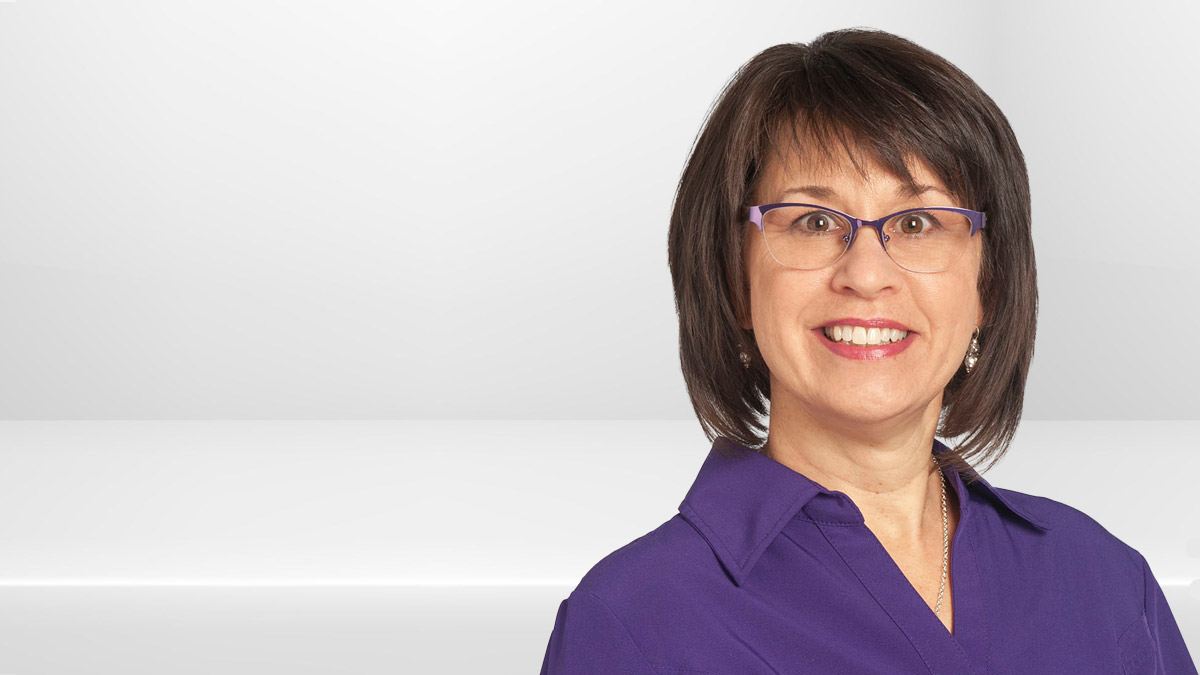
Certified Oncology Social Worker Jane Dabney, MSW, LISW-S, OSW-C, joins the Cancer Advances Podcast to talk about the vital role social workers play in blood cancer care. Listen as she explains how social work helps identify barriers to transplant and cellular therapy, supports patient and caregiver preparedness, and strengthens continuity of care.
Advertisement
Cleveland Clinic is a non-profit academic medical center. Advertising on our site helps support our mission. We do not endorse non-Cleveland Clinic products or services. Policy
Recent Episodes
Partnering with Classical Hematology: Optimizing Referrals, Diagnostics and Patient Care
Bethany Samuelson Bannow, MD, Director of Classical Hematology at Cleveland Clinic, joins the Cancer Advances podcast to discuss how stronge…
Personalizing Pediatric Cancer Care: The Promise of Precision Oncology
As molecular profiling advances, precision oncology is reshaping cancer care for children, adolescents and young adults. In this episode of…
From Evidence to Practice: How NCCN Defines the Standard of Cancer Care
What does it take to establish the standard of care in oncology? Matt Kalaycio, MD, Vice Chair of the Cleveland Clinic Cancer Institute and…
Video content: This video is available to watch online.
View video online (https://cdnapisec.kaltura.com/p/2207941/sp/220794100/playManifest/entryId/1_brod886d/flavorId/1_5f3sgelj/format/url/protocol/https/a.mp4)
Transcript
Dale Shepard, MD, PhD:
Cancer Advances, a Cleveland Clinic podcast for medical professionals exploring the latest innovative research and clinical advances in the field of oncology. Thank you for joining us for another episode of Cancer Advances. I'm your host, Dr. Dale Shepherd, a medical oncologist and co-director of the Sarcoma Program at Cleveland Clinic. Today I'm happy to be joined by Jane Dabney, a certified oncology social worker here at Cleveland Clinic. She's here today to talk about revolutionizing support for patients with blood cancers and their families. So welcome.
Advertisement
Cleveland Clinic is a non-profit academic medical center. Advertising on our site helps support our mission. We do not endorse non-Cleveland Clinic products or services. Policy
Jane Dabney, MSW, LISW-S, OSW-C:
Thank you for having me.
Dale Shepard, MD, PhD:
So I am actually going to point out before you tell us what you did, that you actually have been quite an impactful social worker. You actually got the Leukemia and Lymphoma Society Lifetime Achievement Award, so congratulations for that.
Jane Dabney, MSW, LISW-S, OSW-C:
Thank you very much. It's quite an honor.
Dale Shepard, MD, PhD:
Yeah. So tell us a little bit about what you do here at Cleveland Clinic. Just big picture, what do you do and we'll talk about the specifics?
Jane Dabney, MSW, LISW-S, OSW-C:
Well, I work as a clinical social worker in the transplant and cellular therapy program, which means that I meet with patients prior to coming in for transplant and complete a thorough psychosocial assessment and identify any needs they might have, any barriers that they might have in coming to treatment or starting or completing treatment, and then follow them through the continuum of care. So inpatient phase and then outpatient again.
Dale Shepard, MD, PhD:
So, when do you get involved? Patients are being seen, is it from the initial consult for if a patient's valuable or eligible rather for a transplant in the first place, or when do you get involved as a social worker?
Jane Dabney, MSW, LISW-S, OSW-C:
It's at some point after they've seen the oncologist for their initial evaluation and after they're determined medically appropriate for transplant. Then they'll be set up with a series of appointments for different testing to see if they're appropriate for transplant. And the social work appointment is scheduled during that time, during their workup appointments.
Advertisement
Dale Shepard, MD, PhD:
And I guess we're talking about transplants and cell therapies and much different than the solid tumor world where we're thinking about I see a patient for chemo and I'm trying to get them started in the next week. Give us a little bit of an idea of, because this is a really important part of what you do, is the whole period of time between, okay, we're going to do this to actually doing this. How does social work play into that?
Jane Dabney, MSW, LISW-S, OSW-C:
Yeah. So it does take quite a bit of time to get patients in for transplant. And typically, our patients are in the middle of receiving treatment, whether it's inpatient or outpatient here somewhere in the region or at a referring provider's practice. And so they may be receiving chemotherapy and then come for their appointments, and during that waiting time, they may go back to their referring provider for more chemotherapy. So what we do is complete a pretty lengthy psychosocial assessment.
It could be anywhere from an hour and a half to two hours where we really take a deep dive in, first of all, engaging with the patient and establishing a relationship with them and then identifying any needs or barriers that they may have. Some patients we find may have untreated mental illness that maybe we need to make a referral to get them on medications or substance use concerns, maybe they need treatment for that, or they could have maybe family concerns and trouble identifying a caregiver, so we work on problem-solving, finding a caregiver to help them through the process or other barriers like financial or housing.
Dale Shepard, MD, PhD:
So when you do an assessment, I mean, this is kind of big picture, you assess a hundred people, how many times do they sort of go through and you're like, "Okay, you're good"? How many times do you like things that you need to spend some time working on, it may even delay the transplant? And then how many times do you find patients that because not necessarily the disease but the psychosocial parts, they just aren't going to get a transplant?
Jane Dabney, MSW, LISW-S, OSW-C:
Well, that's a tough question to answer, but we always are in problem-solving mode, so we're always working with the patient and the family to try to problem-solve any of those barriers. So it's hard for me to say because oftentimes there could be a medical reason why they're not able to move forward. I would say if the patient is engaged and has insight and is actively working with us to mitigate some of the barriers, then we keep going and keep working with them and try to resolve whatever issues there are. If they really are lacking insight and not wanting to work with us, then that kind of tells us that they're making a decision.
Dale Shepard, MD, PhD:
Yeah, makes sense. One thing that separates patients it seems with blood cancers compared to solid tumors, I might see people from a distance and I can just recommend they get chemo in their hometown. Whereas transplants and cell therapies are much more specialized and they actually have to come here. And so what kind of challenges does that bring to your work in terms of being a social worker that it seems like there's a lot more that gets involved from that standpoint?
Advertisement
Jane Dabney, MSW, LISW-S, OSW-C:
There can be a lot of issues. Transportation can be a barrier. We encourage our patients to talk with their insurance company to see if they have a travel and lodging benefit that might help pay for transportation and lodging. We do make quite a few referrals to Hope Lodge, which is no-cost lodging just a mile from the Cleveland Clinic run by the American Cancer Society. Not all patients are eligible to stay at Hope Lodge, so then we may tap into different grants that might be available to pay for lodging. Then there's also just regular living costs while they're here, so costs for food or they may be paying rent wherever they live. And because they're out of work, they may be struggling financially, so we tap into other grants to help maybe pay some of their household bills.
If someone is working, we encourage them to explore if they have a short-term and long-term disability policy through their work. And if they don't, then they'll be taking time off without pay and so that can be concerning. Also, we assist with resources for patients to apply for social security disability, which there is a five-month waiting period before they would receive any funds. So a lot of financial issues come up with transplant.
Advertisement
Dale Shepard, MD, PhD:
And I guess for people who might be listening in, a lot of different backgrounds, they may not really be as familiar with the details of these therapies. What kind of timeframe are we typically thinking between thinking about getting a transplant, get a transplant recovery and follow up from transplant? We're not talking days of chemotherapy, we're talking weeks and months of treatment, right?
Jane Dabney, MSW, LISW-S, OSW-C:
Right. So there's different types of transplants and cellular therapies. When we're talking about allogeneic transplants, those are the transplants where they receive donor cells either from a relative, unrelated or cord blood. Those patients are out of the workforce typically for a year or more. So they really have a lot of planning and problem-solving to do. They need to have a caregiver for a hundred days after transplant. So from the time we see them, it could be a couple of weeks to a couple of months before they come in for transplant. It all depends on their disease status.
Dale Shepard, MD, PhD:
The world certainly has changed over time from everyone being hospitalized to then having transplants really kind of in an outpatient setting, and then now with our new cell therapies as well. What are the changes from a social work needs standpoint from just kind of everyone got a transplant in the hospital to now we're doing these cellular therapies and things as an outpatient?
Advertisement
Jane Dabney, MSW, LISW-S, OSW-C:
Yeah. So we are doing a lot more outpatient autologous transplants and CAR T-cell therapies. And so some of the differences there are that the patients need to stay close by to the hospital. So when they were hospitalized, they didn't need lodging or funds for extra expenses while outpatient. So when they're getting outpatient treatment, they need lodging, they need a caregiver and they need funds to pay for everyday expenses. So those are some things that we work on with them and try to problem-solve and really solidify before they start treatment.
Dale Shepard, MD, PhD:
So on the one hand, it would initially seem that it'd be beneficial to patients to not have to be in the hospital. There's actually a financial impact in not being in the hospital because now they have to find their own housing and they have to find all these ways to pay other bills.
Jane Dabney, MSW, LISW-S, OSW-C:
Right. I mean, we do help them with lodging and we do help apply for grants for patients to help them.
Dale Shepard, MD, PhD:
And then from a social work standpoint, you guys, you really are kind of an integral part of the team, so how do you from the actual delivery of care get embedded in rounds and seeing patients during treatments?
Jane Dabney, MSW, LISW-S, OSW-C:
So we work very closely with the interprofessional team and we are involved in inpatient rounds and we follow our patients while they're inpatient and outpatient again. We follow with more than just for practical needs. We do a lot of supportive counseling and caregiver counseling to help with coping and adjusting to their diagnosis and to the treatment. Transplant, as you know, can be very intense process. And so it has a way of bringing up past issues. If a patient has experienced trauma in the past, sometimes that resurfaces during transplant. So we're very involved with how helping our patients through that and coping with some of that intensity.
Dale Shepard, MD, PhD:
You mentioned that patients when they get transplant and some of these therapies, they need to have a caregiver for sometimes prolonged periods of time. What kind of support or resources do we have? How can we help caregivers, and quite honestly, is this an area that we really need to do better?
Jane Dabney, MSW, LISW-S, OSW-C:
I think we can always do better on supporting our caregivers. During the height of transplant, a lot of the focus is on the patient and the caregivers typically want it that way because they're very focused on the patient. Where we see caregivers sometimes break down is after transplant is finished and they're in their recovery phase and the patient is becoming more independent. The caregivers all of a sudden realize everything they've been through and they're starting to process it and that's when they tend to have increased anxiety and can use more support.
Dale Shepard, MD, PhD:
What are we doing here at the clinic for post-transplant education for both patients and caregivers?
Jane Dabney, MSW, LISW-S, OSW-C:
Well, we years ago started a multi-professional psycho-education group that we do monthly for our patients and care partners. And what that consists of is education for taking care of themselves or their loved one after transplant. So for the patients who are in the hospital, it can be kind of scary for them to leave the safe environment of the hospital, especially if they've been there for a month or so. So this helps to break down the information about how they need to take care of themselves, taking their temperature twice a day, their blood pressure and being careful around other people so they don't get an infection. And we break that information down in digestible parts.
So all this information is given to them before transplant and it's reiterated at different time points throughout the transplant process, but this is just another way to deliver that information in an informal setting. And it involves the social worker, one of our nurse coordinators and someone from nutritional services. And it's a group effort and patients and caregivers can ask questions and also talk with other patients and care partners about their experience with transplant.
Dale Shepard, MD, PhD:
So certainly, social work is really embedded into the care of these patients with transplants and cell therapies at this point. How could it be made better?
Jane Dabney, MSW, LISW-S, OSW-C:
It could always be made better with additional staffing. Our program has expanded over the years, and most recently the past couple years in adding cellular therapy. And we are always hoping to add more staff so we can better meet the needs of our patients.
Dale Shepard, MD, PhD:
I guess just from the standpoint of if you think about how things have changed through your career, this of course started with hematologic malignancies. Now with a lot of our cellular therapies, we're starting to get more patients with solid tumors. That's kind of a difference. How are you guys handling sort of you've been used to leukemias and lymphomas and now you have a lung cancer or a melanoma?
Jane Dabney, MSW, LISW-S, OSW-C:
Right. We are doing TIL therapy for melanoma and we have a couple other solid tumors like you mentioned. We do tandem autologous transplants for germ cell tumors. And it is a shift. We definitely have to shift our thinking because solid tumors are very different from blood cancers. But the treatment, we focus on what the patient's needs are regardless of what their disease is. And we try to have good communication with the other teams and the social workers from the other teams that maybe we're following the patient before they came to us and then we'll hand the patient back to them.
Dale Shepard, MD, PhD:
That handoff piece is a little bit different, right? So just thinking about transplants, it's kind of like the doc that initially saw them and maybe even treated them then became the transplant person, then it's the follow-up person. But now maybe people are just getting dropped in for therapies and then going back to other providers that you don't interact with as much. So it sounds like maybe room for changes in how we do things.
Jane Dabney, MSW, LISW-S, OSW-C:
Yeah. I feel like our team has very good communication amongst ourselves. And then when we do have other disease groups that become involved with transplant or cell therapy, I think that because our team is a well-oiled machine, I think we do pretty well with communicating. I know that's something that I've noticed over the many years that I've been here that I definitely have become more comfortable in communicating with all members of the team and inserting myself or the social work role where needed to benefit the patient.
Dale Shepard, MD, PhD:
So tell us a little bit about the importance of really looking ahead at a patient that might go to transplant, and for providers even maybe before they refer a patient to transplant, how important is it for them to address some of the potential barriers to minimize the time it takes to get people to transplant?
Jane Dabney, MSW, LISW-S, OSW-C:
Identifying psychosocial barriers early, and so whether that be from providers at our own institution or in the region or other outside referring providers, if a patient has mental health issues that are untreated, they don't have to wait until they're referred to our program for us to make a referral for them to be treated. They can go ahead and suggest treatment while they're treating the patient. And so it would be a good idea for that provider to refer them for help with that and not let it wait until they get to us because that treatment will only delay their transplant or their cell therapy treatment because we want to get those things taken care of before they come to transplant because they need all the tools in their toolbox that they can have in order to get through transplant or cell therapy.
And without those, if they're using alcohol or other drugs as a coping mechanism, and that's taken away from them, what are they going to have left to cope with the intense treatment? So the important thing to remember is we're not referring patients for say mental health treatment or substance use treatment because they're going to have a transplant. We're referring them to those therapies because it's a problem that needs addressing whether they're coming to transplant or not.
Dale Shepard, MD, PhD:
So maybe you can give us an example of the importance of addressing some of these things like dependence on alcohol, for instance?
Jane Dabney, MSW, LISW-S, OSW-C:
Early in my career, I had a patient that I was evaluating for an autologous transplant and he drank quite a bit of alcohol daily and it was clear that he did have alcohol abuse. And I recommended that he have an evaluation by our alcohol and drug recovery program and he declined. He did not think that he had a problem. And our team moved forward with autologous transplant for him. And I was concerned about how he would get through that and he got through it just fine. And I started to second-guess my recommendation and my assessment and he repeatedly said to me, "See, I'm fine. I told you I didn't have a problem."
It wasn't until a year later when our team was no longer following him, he called me and he said, "Jane, I'm calling you because I need help. I realize now that I have a problem with alcohol and I don't know what to do and I need your help and you were the only one on the team who was willing to listen." So all that self-doubt that I had, I realized that even if it's uncomfortable, if it's the right thing to do for the patient, we need to make our recommendations. And so we were able to get him into treatment and he was extremely grateful. So alcohol abuse or any kind of substance abuse is a serious issue, whether someone's coming to transplant or not that we should address even if it's uncomfortable.
Dale Shepard, MD, PhD:
Even if it's uncomfortable. Yeah. Well, it's certainly a very important part of patient care with these cancers and treatments. And appreciate all you do and for your insights today.
Jane Dabney, MSW, LISW-S, OSW-C:
Thank you for having me and for your interest in oncology social work.
Dale Shepard, MD, PhD:
To make a direct online referral to our Cancer Institute, complete our online cancer patient referral form by visiting clevelandclinic.org/cancerpatientreferrals. You will receive confirmation once the appointment is scheduled.
This concludes this episode of Cancer Advances. For more podcast episodes, visit our website, clevelandclinic.org/canceradvancespodcast. Subscribe on Apple Podcasts, Spotify, or wherever you listen to podcasts.
Thank you for listening. Please join us again soon.
Recent Episodes
Partnering with Classical Hematology: Optimizing Referrals, Diagnostics and Patient Care
Bethany Samuelson Bannow, MD, Director of Classical Hematology at Cleveland Clinic, joins the Cancer Advances podcast to discuss how stronge…
Personalizing Pediatric Cancer Care: The Promise of Precision Oncology
As molecular profiling advances, precision oncology is reshaping cancer care for children, adolescents and young adults. In this episode of…
From Evidence to Practice: How NCCN Defines the Standard of Cancer Care
What does it take to establish the standard of care in oncology? Matt Kalaycio, MD, Vice Chair of the Cleveland Clinic Cancer Institute and…
Never miss a moment - subscribe now.
Listen to the Health Essentials Podcast on your favorite streaming platform.
Other Podcasts You May Love
Beyond Leadership
Hosts Jim Pae and Elizabeth Pugel escort you through a network of thought leaders, sharing world-cla…
Beyond the Pages: CCJM Podcast
Beyond the Pages: CCJM Podcast takes the listener more in-depth into Cleveland Clinic Journal of Med…
Butts & Guts
A Cleveland Clinic podcast exploring your digestive and surgical health from end to end. You’ll lear…
Cardiac Consult
A Cleveland Clinic podcast exploring heart, vascular and thoracic topics of interest to healthcare p…