“Can I ride my bike now?” That was the simple question 4-year-old Wyatt Keller asked his doctors after undergoing open-heart surgery. The answer was yes – and now, not only can he ride his bike, but Wyatt can also keep up with his older brothers and play T-ball.
“Wyatt is still the same joyful little boy he’s always been – now with the energy of a typical 4 year old,” says Wyatt’s mom, Anna Keller.
But getting to this point was a journey. With two healthy children already, Anna and her husband, Jonathon, weren't expecting any surprises at a routine ultrasound during Anna’s pregnancy with Wyatt. But at 20 weeks' gestation, they learned something was wrong with his heart.
“When the doctor told us there were concerns with his heart, everything changed in an instant. It went from a typical pregnancy to so many unknowns. That moment is forever burned in my memory,” says Anna.
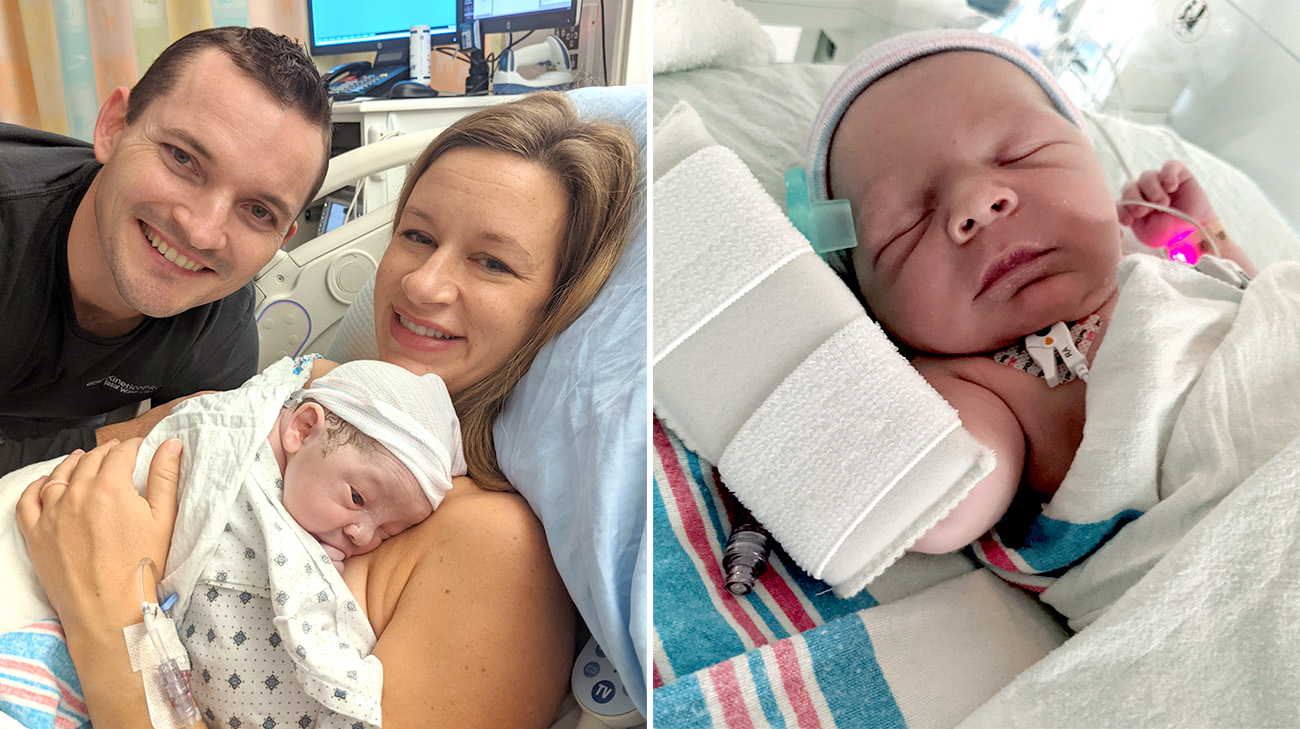
With the proper team in place, Anna and Jonathon say Wyatt’s birth went smoothly. (Courtesy: Anna Keller)
Additional scans before and after Wyatt’s birth revealed he had a rare and complex congenital heart anatomy called criss-cross heart – meaning the connections between his heart's upper and lower chambers were twisted, so blood flow crossed in an unusual pattern.
“It is possible to have criss-cross connections without a major disturbance to blood flow in some cases. More often, though, it occurs alongside other cardiac defects that eventually cause symptoms and require repair,” says Cleveland Clinic Children’s pediatric cardiologist Malek Yaman, MD.
In Wyatt's case, he had double outlet right ventricle, a condition where both of the heart’s main arteries arise from the same lower chamber instead of separate chambers. He was also born with a large hole in the heart wall called a ventricular septal defect. Additionally, one of his criss-crossing valves, his tricuspid valve, formed an aneurysm underneath his pulmonary valve, the valve leading to his lung arteries, creating severe obstruction to flow.
“Luckily, this obstruction was, in a way, very useful, as it prevented Wyatt from over circulating blood to his lungs, which would invariably happen with a large hole in the heart, and therefore helped keep him out of heart failure. This is what allowed us to delay his complex surgery until after his fourth birthday,” says Dr. Yaman.
With Wyatt’s care team monitoring him closely, he was able to be at home with his family until it was time for surgery. (Courtesy: Anna Keller)
Doctors monitored Wyatt closely as he grew, and for several years, there were hardly any signs his heart condition was slowing him down. Eventually, his energy started to decline around the time he turned 4 years old. Wyatt's parents noticed he would need more breaks while playing with his brothers and was taking naps even after a full night’s sleep.
"As Wyatt became older and more active, the obstruction to blood flow started to limit his exercise and activity tolerance. At this point, his symptoms indicated it was the right time to intervene, and he was now big enough to handle the complexity of the surgery," says Dr. Yaman.
To prepare for the surgery, pediatric and congenital heart surgeon Hani Najm, MD, used a 3D-printed model of Wyatt's heart. This model, created using advanced imaging, helped Dr. Najm determine the best surgical course forward.
“The 3D-printed model was an exact replica of Wyatt's heart, so even before stepping into the operating room, I could see the anatomy and determine exactly how I want to do the repair,” says Dr. Najm. “This kind of planning is incredibly important in complex cases like Wyatt's because it saves valuable time in the operating room and allows us to carry out the operation as precisely as possible.”
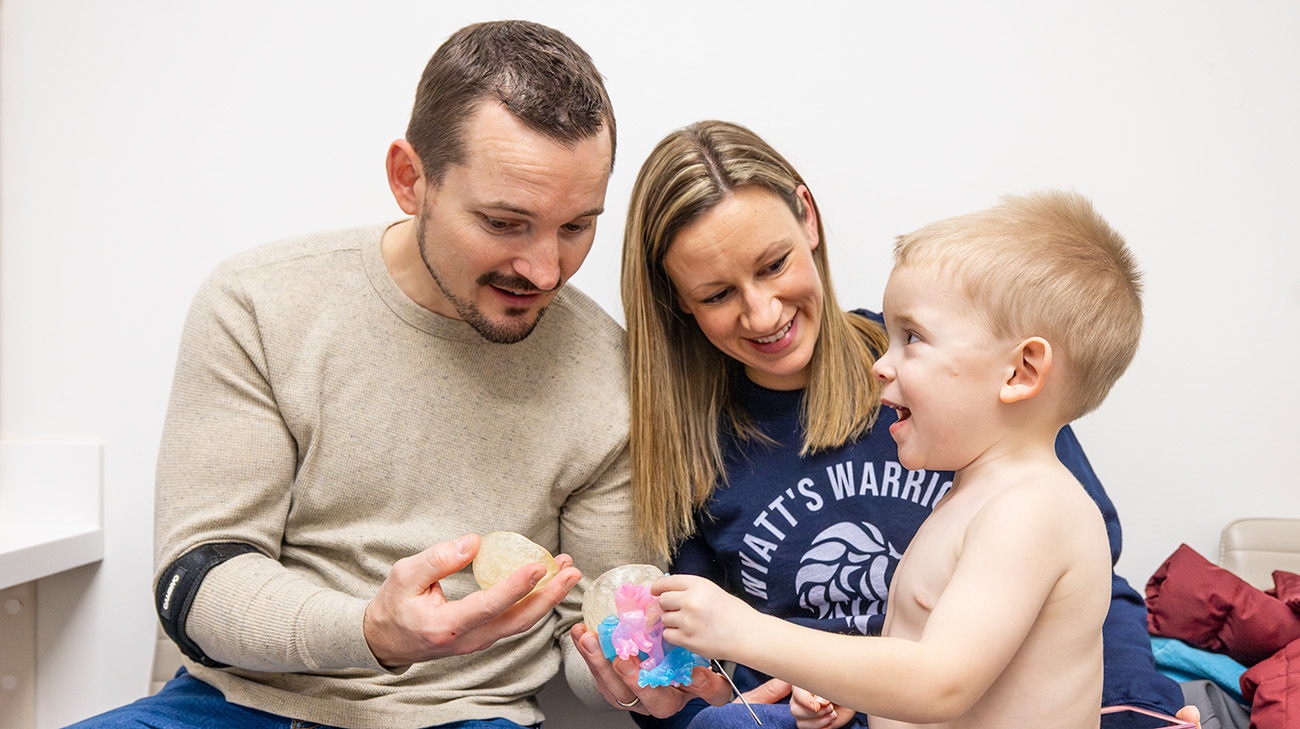
Wyatt and his family seeing the 3D-printed model of his heart before surgery. (Courtesy: Cleveland Clinic)
“At his pre-op appointment, Dr. Najm showed us the 3D print of his heart. It was so crazy to actually see how the criss-cross works, and Wyatt got to hold the model in his own hands. Then, step by step, Dr. Najm explained his plan for surgery," says Anna.
In January 2026, Wyatt was ready for surgery.
"We had a lot of anxiety the morning of but a feeling of peace as well, knowing he was so covered in prayer. We also had such confidence in his entire medical team, and I knew he was in the best hands possible. We gave him our kisses and handed him over," says Anna.
For Wyatt's surgery, Dr. Najm performed a biventricular repair. He rebuilt the inside of Wyatt’s heart so both lower chambers could pump blood. In similar cases, surgeons may choose to make a single-ventricle pathway, relying mainly on one chamber to do the heart’s work. This option often involves more long-term challenges and complications, including the possibility of additional surgeries. Instead, Dr. Najm used a specialized approach he developed called a ventricular switch, which rerouted blood flow inside Wyatt’s heart to make use of both ventricles and give him a better long-term outlook.
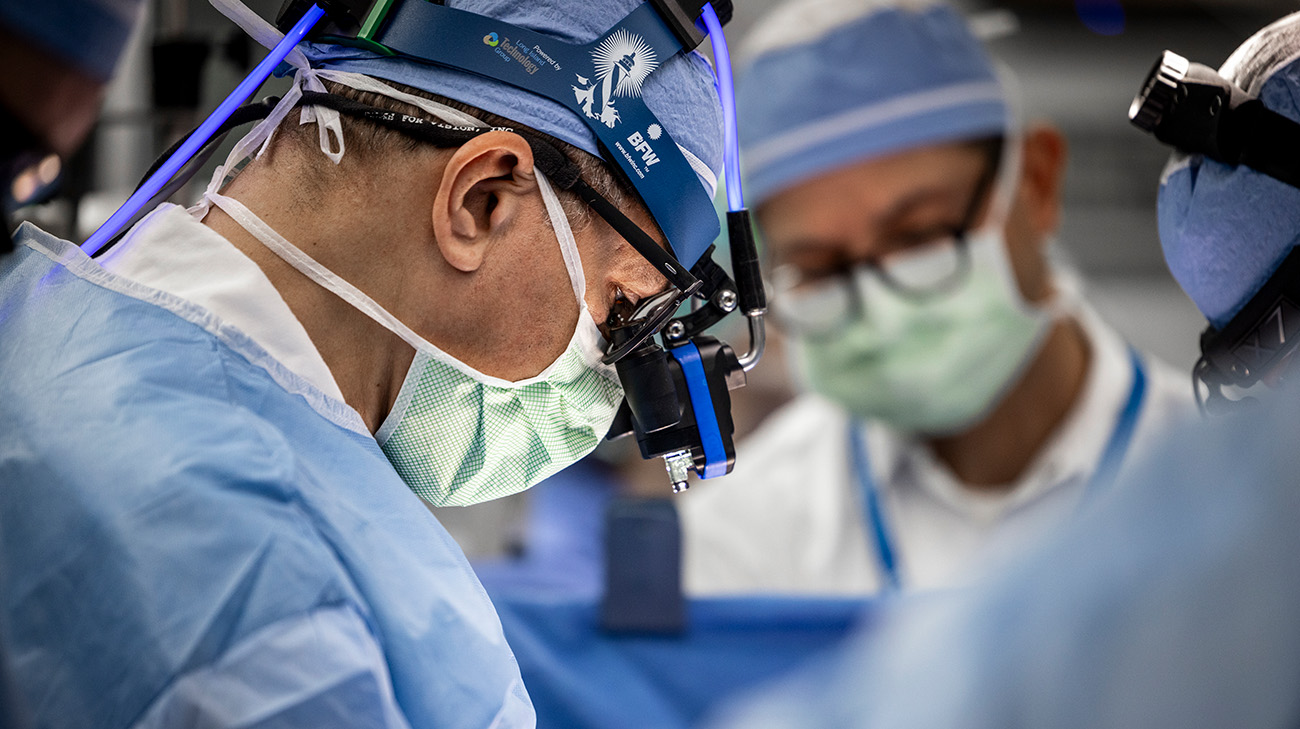
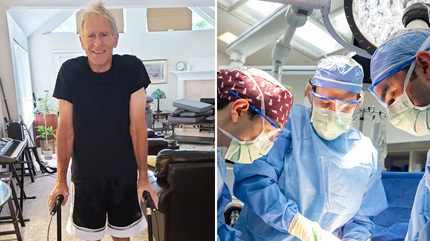
Dr. Hani Najm performing Wyatt’s biventricular repair. (Courtesy: Cleveland Clinic)
“When you’re not able to get the ventricles to pump to the body the way they typically would, we switch their circulation and function. This allows the right ventricle to pump blood to the body, and the left ventricle to pump blood to the lungs – making a two-ventricle repair possible when it otherwise would not be," says Dr. Najm, who also removed the abnormal tissue that was obstructing blood flow to Wyatt’s lungs while preserving the affected valve.
Because of Wyatt’s complex heart anatomy, Dr. Najm and team took proactive steps during surgery to protect his heart’s conduction system, which controls the heartbeat. Damage to that system can cause heart block and make a permanent pacemaker necessary.
“We mapped the conduction system so as we repaired the inside of the heart we did not damage it, and he doesn't need a pacemaker after the surgery,” says Dr. Najm.
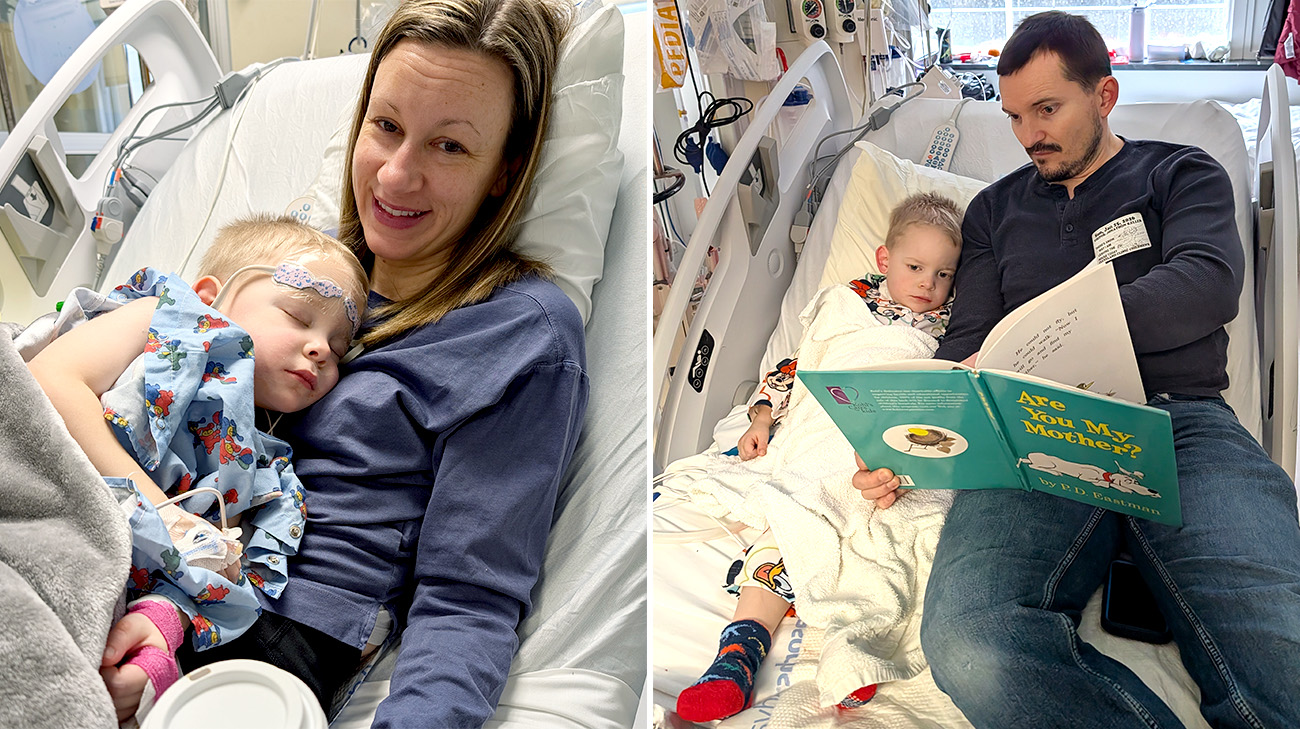
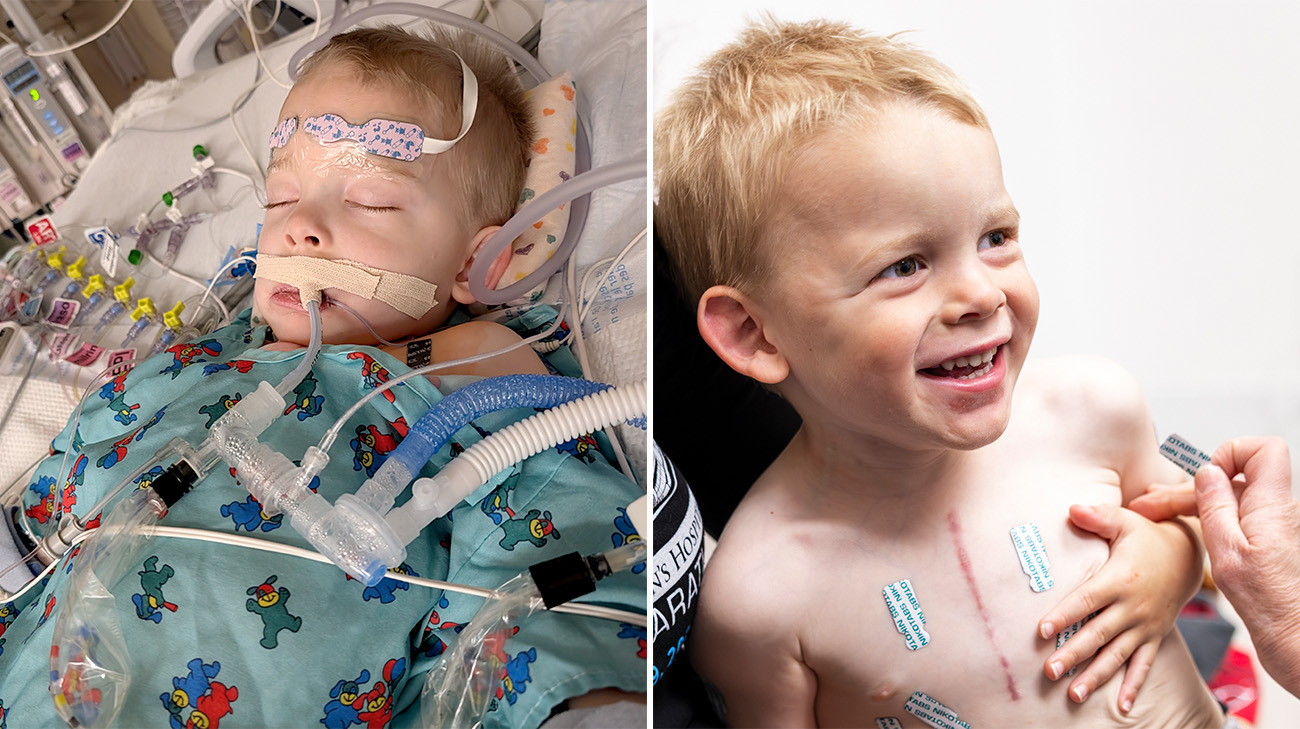
Wyatt recovered quickly after his surgery and was in the hospital for less than a week. (Courtesy: Anna Keller)
"The surgery seemed to go faster than we were anticipating, and we were constantly getting updates throughout. Afterwards, Dr. Najm came in to tell us it went the best they possibly could have hoped for," says Jonathon Keller.
Wyatt spent four days in the hospital and was able to go home on the fifth.
"Literally maybe two hours after we got home, Wyatt was walking towards the rack of dumbbells saying he was going to do some exercises. He was ready to jump back into things at 100%," says Anna.
After recovering from surgery, Wyatt was cleared of any physical restrictions. And while his care team will continue to closely monitor him, they don't currently anticipate him needing any further procedures at this point.
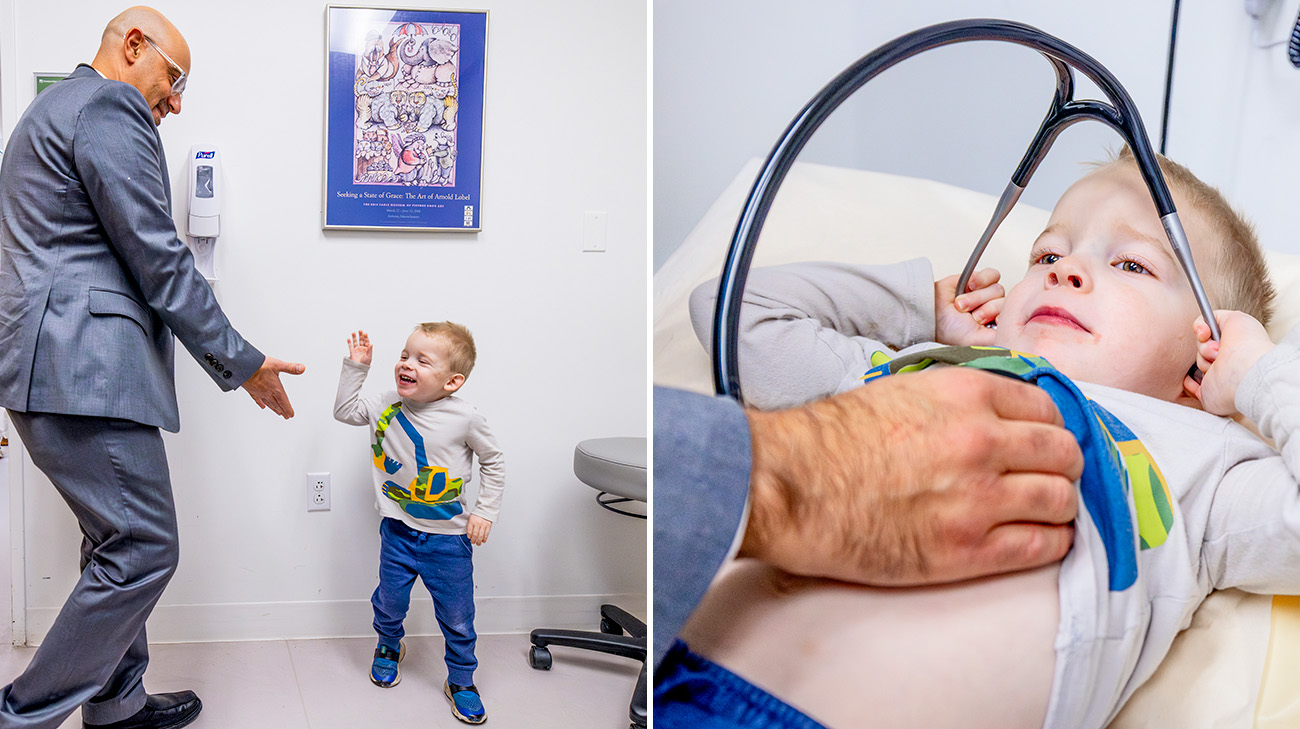
Wyatt at a follow-up appointment with Dr. Malek Yaman. (Courtesy: Cleveland Clinic)
"Throughout this journey, I had people ask if we were going to get second opinions or go to see anyone else. But there wasn't a moment where it felt necessary, or it really even crossed our minds. We had such confidence in the care we were getting. I can't imagine facing what we did without them," says Anna.
"It was a blessing we had the right team, the right tools and everything we could have hoped and prayed for to get Wyatt and our family through this," says Jonathon.
Whether he's riding his bike, playing with his brothers or singing his favorite songs, Wyatt's full of energy and thriving after his surgery. Anna and Jonathon are now looking forward to the future and seeing what's to come for Wyatt.
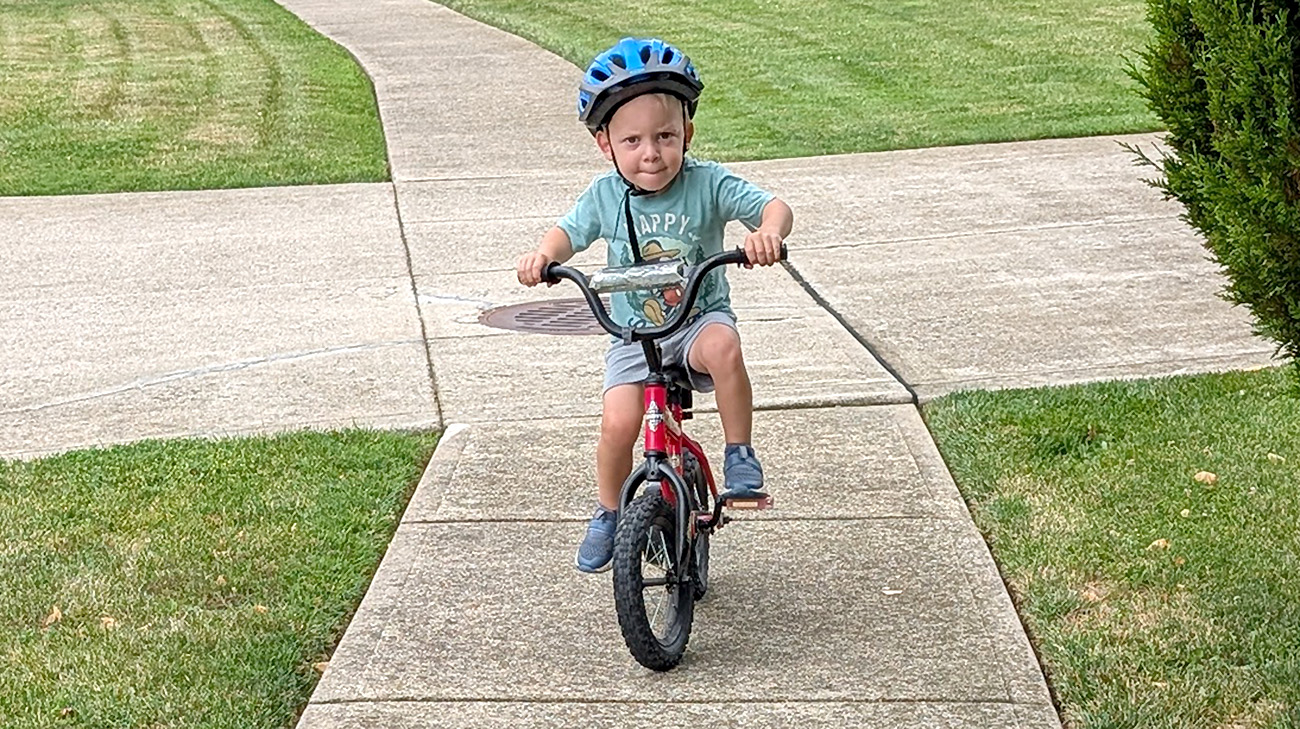
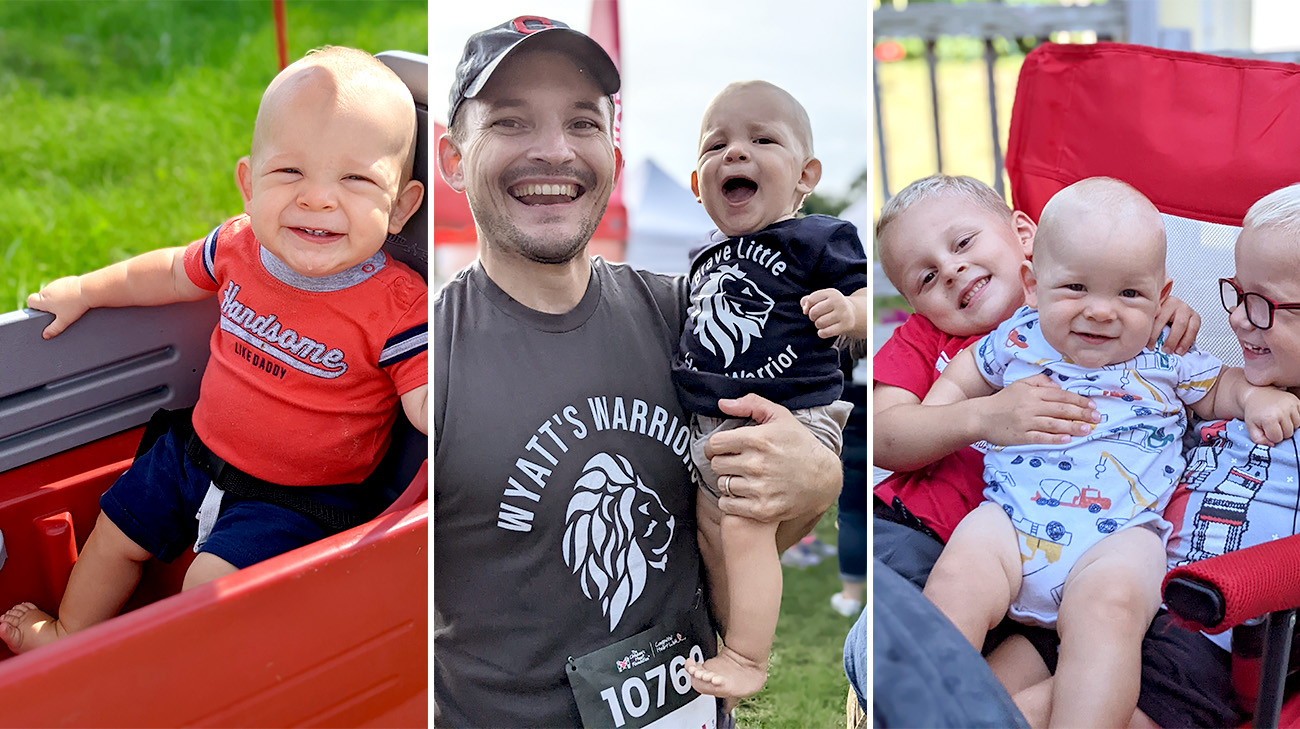
Following his surgery, Wyatt now has the energy for the activities he loves, including riding his bike. (Courtesy: Anna Keller)
"Wyatt is a goofball and loves making people laugh. He's now able to better keep up with other kids and can run and play fully. I've always felt he was born to do something big, and I can't wait to see what that is," says Anna.
“Wyatt loves building, creating and learning new things. He's eager to understand everything and now he's got the energy to be the little boy he's always wanted to be," says Jonathon.
Related Institutes: Heart, Vascular & Thoracic Institute (Miller Family), Cleveland Clinic Children'sPatient Stories
Boy Thriving After Complex Surgery for Rare Criss-Cross Heart Condition
Sep 29, 2026
From Struggle to Strength: Maraine’s Weight-Loss Journey
Sep 28, 2026