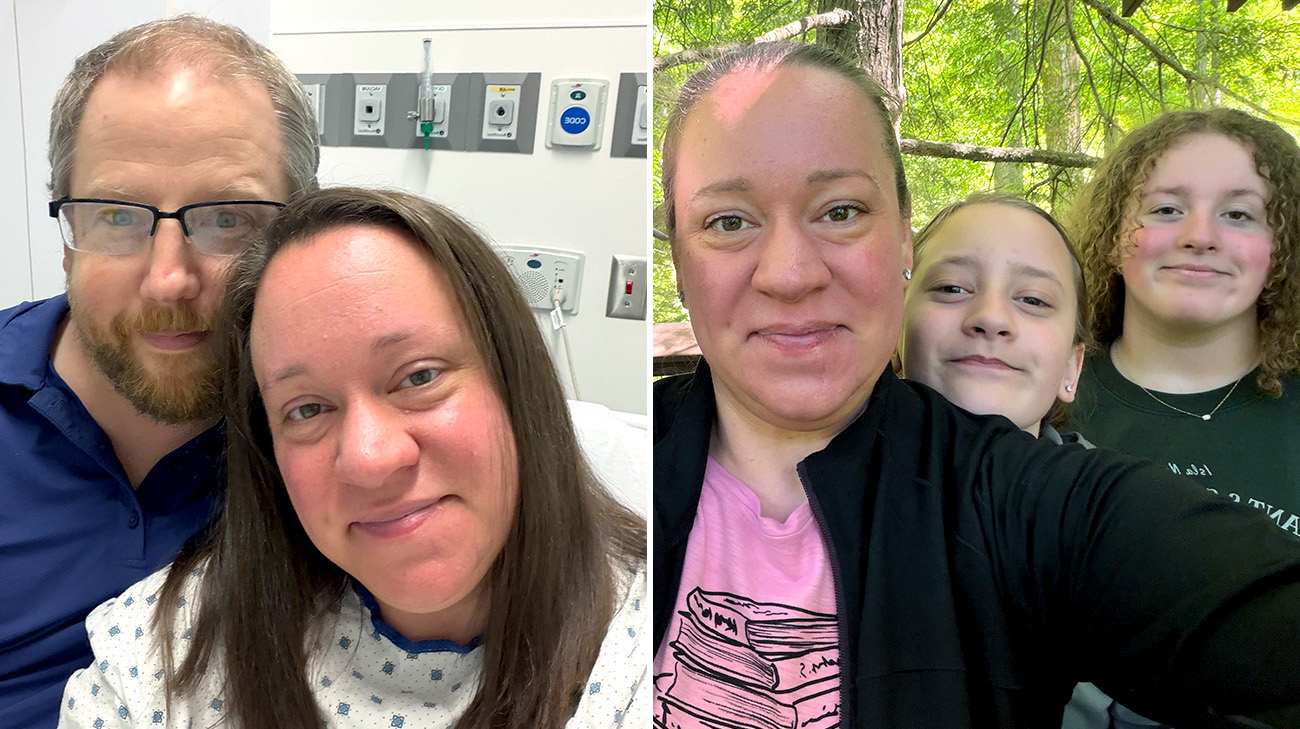
“I can’t believe I had a stroke,” says Lindsay Johnson, an active mom of two who had always considered herself relatively healthy. But in December 2025, at just 41 years old, she had a stroke.
"There was this disconnect between what had happened to me and how I've treated my body over all these years. Hearing I had a stroke didn't make sense because I wasn't aware I had any risk factors," says Lindsay, who received the diagnosis after going to the emergency department for left-sided weakness.
Every 40 seconds, someone in the United States has a stroke. And about one in four stroke survivors will experience another one – with secondary strokes often carrying a higher risk of disability or death. That's why the follow-up after is so crucial.
"Scans revealed the blockage that caused my stroke, but I still didn’t know what caused the blockage in the first place," says Lindsay.

Lindsay with her neurologist, Dr. Andrew Russman, during a follow-up appointment. (Courtesy: Cleveland Clinic)
Looking for that answer and better ways to help prevent another stroke, Lindsay came to Cleveland Clinic where she met neurologist Andrew Russman, DO, Head of the Stroke Program and Medical Director of the Comprehensive Stroke Center.
"Dr. Russman was the first doctor to check my lipoprotein(a) levels, and mine were off the chart high," says Lindsay.
Lipoprotein(a), or Lp(a), is a type of cholesterol particle found in the blood. Your Lp(a) level is mostly determined by genetics, and the amount you have as a child usually stays the same throughout your life. High Lp(a) levels are linked to a greater risk of plaque buildup in the arteries and may interfere with the body’s ability to break down blood clots, which can increase the risk of heart attack and stroke, like Lindsay's case.
“I finally had the why I’d been searching for,” says Lindsay. She then had a stent placed to open the blockage that caused her stroke.
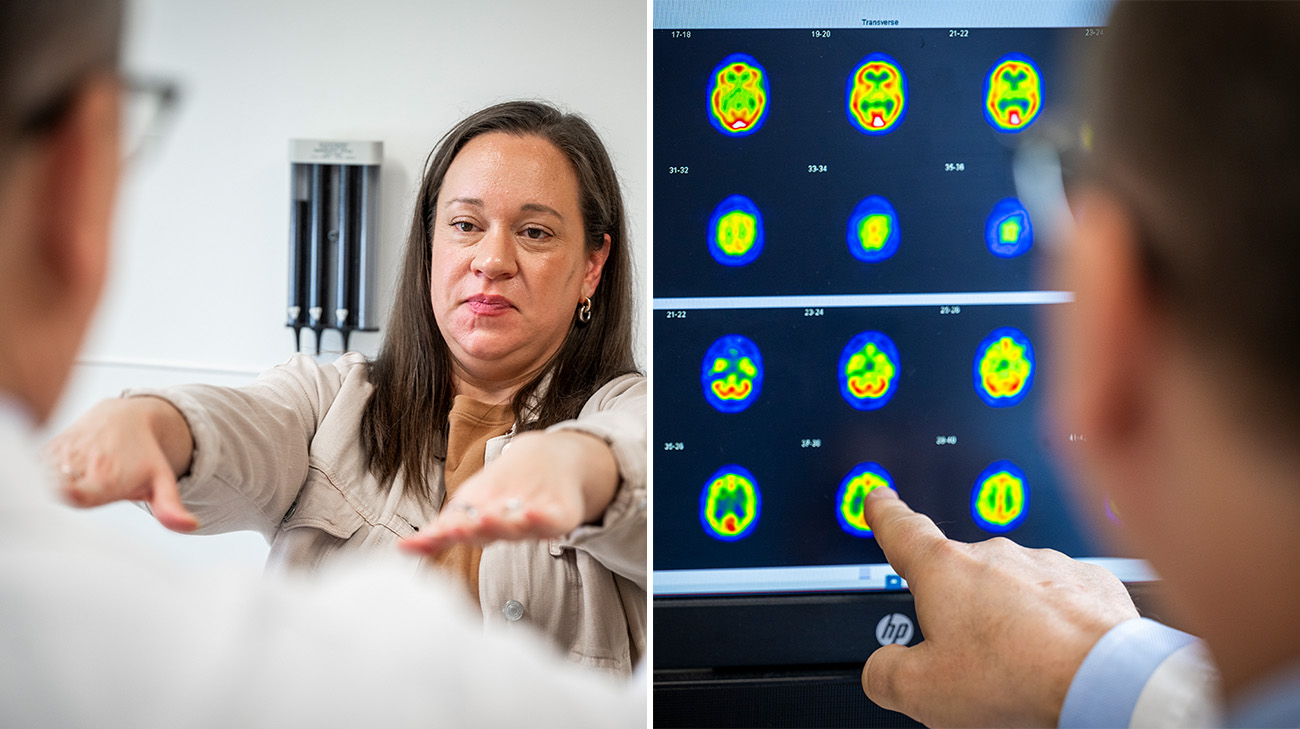
After her stroke, Lindsay says she has been able to make a full recovery. (Courtesy: Cleveland Clinic)
Since genetics determine Lp(a) levels, doctors focus on helping patients with elevated Lp(a) maintain overall health and may prescribe newer medications that can help lower those levels.
In addition, a recently FDA-approved medication called asundexian has been found to reduce the risk of having a second stroke in people who have had a non-cardioembolic ischemic stroke or high-risk transient ischemic attack, including those with large artery narrowings, which may be associated with high Lp(a) and other risk factors.
“Asundexian is a new kind of blood thinner called a Factor XIa inhibitor,” explains Dr. Russman, who was involved in clinical research of the drug at Cleveland Clinic. “In studies, it lowered the risk of having another stroke by 26%, and importantly, it didn’t raise the risk of serious bleeding.”
Unlike traditional treatments, which help prevent clots but often increase bleeding risk, asundexian works differently. It blocks Factor XIa, a protein involved in harmful clot formation.
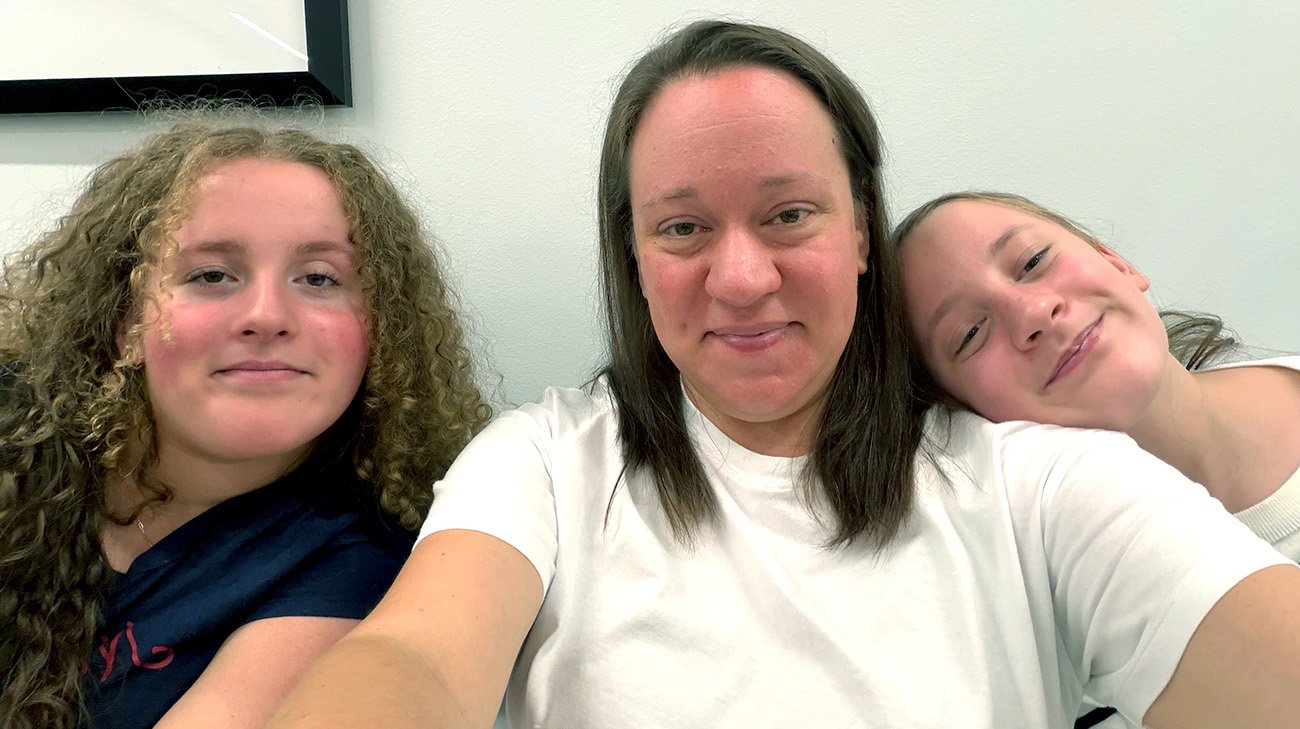
As she continues prioritizing her health, Lindsay looks forward to creating new memories with her family. (Courtesy: Lindsay Johnson)
“Targeting Factor XIa lets us reduce dangerous clots without interfering with the body’s natural ability to stop everyday bleeding. It’s a meaningful step forward for preventing a second stroke," says Dr. Russman, who adds that in addition to medications, it's important to control blood pressure, cholesterol, diabetes and to avoid smoking in order to reduce the risk of another stroke.
Grateful to her care team for identifying and managing her elevated Lp(a) levels, Lindsay is optimistic about new treatments that can help reduce the risk of a second stroke.
"One of my biggest passions is helping others. If a stroke can happen to someone who was a college athlete and ate her fruits and veggies, it can happen to anyone. Stay on top of your yearly checkups, know the signs of stroke and don't brush off any symptoms," says Lindsay.
Related Institutes: Neurological InstitutePatient Stories
After Unexpected Stroke, Woman Hopeful New Drug Can Lower Future Stroke Risk
Nov 12, 2026

Vietnamese Football Player Đỗ Duy Mạnh Focuses on Return to Competition After Knee Procedure
Nov 10, 2026