


Welcome
Welcome to the Cleveland Clinic ASTS-accredited Abdominal Organ Transplantation and Hepatopancreatobiliary Surgery Fellowship.
Why should you choose Cleveland Clinic as your training institution? The answer is simple: what you learn early on in your career will shape forever your future!
We strongly believe that the ideal training program should provide the right mix of education, clinical volume, academic complexity, and innovation.
Our fellowship is an integrated program of abdominal organ transplantation and hepatopancreatobiliary surgery. Our high-volume liver and kidney transplant programs continue to grow every year. Our large hepatobiliary practice is the perfect environment to provide excellent oncologic and liver resection teaching, including the use of minimally-invasive (purely laparoscopic and robotic) techniques. We believe that liver transplantation and oncological liver surgery are one inseparable entity.
Every day we strive to innovate and increase access to transplantation by expanding the donor pool. This is why we created and clinically tested the first non-commercial ex-vivo normothermic liver preservation device in the nation. Our living donor program has been at the forefront of developing strategies to increase the routine utilization of left lobe living donor grafts with outstanding outcomes. We are one of few programs around the world to routinely perform minimally-invasive living donor hepatectomies, including robotic donor hepatectomy and purely laparoscopic hepatectomy, and one of the few globally to perform fully-robotic liver transplantation. The incorporation of machine perfusion with state-of-the-art viability assessment for deceased donor grafts has allowed for increased organ utilization, particularly of extended criteria grafts. Our liver transplant oncology program has and continues to lead the way in the field. The natural collaborations with our world-renowned cardiothoracic and lung transplant teams led to one of the most active programs of simultaneous open-heart surgeries and liver transplantation, and combined heart- and lung-liver transplants. Our kidney transplant program, under one of the most preeminent centers of excellence in urology and kidney medicine in the world, has a rich history of innovative practices, most notably in recent years having paved the way in the use of robotic single-port kidney transplantation, in addition to large volume robotic kidney transplantation and robotic simultaneous kidney and pancreas transplantation.
At Cleveland Clinic, we educate our fellows to become leaders in the field of transplantation by never accepting the status quo and by embracing relentless innovation. Our goal is to attract the finest candidates. We look forward to receiving your application!
Program Description
The Abdominal Transplant Surgery fellowship at Cleveland Clinic is an American Society of Transplant Surgeons (ASTS) accredited 2-year program offering comprehensive training in liver and kidney transplantation and advanced hepatopancreatobiliary surgery. Appointment occurs through the SF Match scheme, alternating between 2 and 3 fellows each year. Our program boasts a substantial volume of transplantation activity, performing over 250 liver transplants and 350 kidney transplants each year.
Deceased donor organ transplantation
There is a significant amount of deceased donor activity in our region with ample opportunities for increased donation, including split-liver and DCD organ procurements. We provide a wealth of experience in the use of marginal/extended criteria organs including those obtained following donation after circulatory death (DCD). The program also provides pediatric liver transplantation services.
Living donor organ transplantation
The fellowship provides ample exposure to living donation for kidney and liver transplantation. The liver department has maintained a robust living donor liver transplant program since performing its first transplant over twenty-five years ago. Our program has been at the forefront of minimally invasive living liver donation in North America, having performed all living donors laparoscopically since 2019 and adopting fully robotic living donor hepatectomy as the standard approach for all donors since 2025. As a fellow in our program, you will have the unique opportunity to train at one of a select few pioneering centers performing robotic living donor liver transplantation in recipients. The minimally invasive living donor kidney program has also remained very active over the years, currently performing both robotic and laparoscopic left and right donor nephrectomies and robotic living donor kidney recipient operations, and continuing to lead innovation in single-port robotic donor nephrectomy and kidney transplantation
Clinical innovation
The department consistently endeavors to be at the forefront of innovations in the field of transplantation. A substantial number of simultaneous organ transplants, including liver-kidney, liver-lung and liver-heart are performed, not to mention an appreciable volume of combined coronary revascularization - liver transplantation procedures. The program also provides liver transplantation as treatment for hilar cholangiocarcinoma, colorectal liver metastases, and metastatic neuroendocrine tumors, within the realm of specialized institutional protocols, which fellows get valuable exposure to. Our program is also one of the few centers worldwide to employ the fully robotic approach for the liver transplant operation in selected recipients.
In kidney transplantation, our center is one of the largest nationwide by annual robotic volume, performing 115 robotic kidney transplants in 2025 alone. Currently, the kidney transplant program is unique in applying both the single port and multiport robotic systems to perform extraperitoneal and transperitoneal donor nephrectomy and kidney transplantation. In recent years, we have developed a fully robotic approach to simultaneous kidney and pancreas transplantation and were the first program to have performed a kidney/pancreas transplant using the single-port robotic system.
Our liver transplant program is currently one of the largest users of ex vivo normothermic machine perfusion in the country, which has allowed for a significant decrease in listing-to-transplant time and wait-list mortality. Increased utilization of normothermic regional perfusion (NRP) has also allowed for increased utilization of DCD grafts with improved recipient outcomes.
Lastly, we are one of the few centers in the country to offer deceased donor uterine transplantation to women with absolute uterine factor infertility, and the first center in the nation to welcome a child following transplantation of a uterus from a deceased donor.
Hepatopancreatobiliary surgery
The hepatopancreatobiliary surgery program averages around 300 cases annually with approximately 30 to 40% of cases being performed through minimally invasive techniques, with the provision of appropriate, focused training. An increasing number of major hepatectomies are currently performed using the robotic approach. Our center was one the first in the country to incorporate histotripsy for the treatment of unresectable liver tumors.
Kidney transplantation
Fellows on the kidney service have extensive exposure to open and robotic deceased and living donor kidney transplantation, laparoscopic and robotic donor nephrectomy, as well as pancreas procurement and transplantation. In addition to allotransplant procedures, fellows participate in single-port and multi-port robotic renal autotransplantation for nutcracker syndrome and ureteral pathology. Fellows can also join robotic ureteral repair procedures in kidney transplant recipients such as ureteral reimplantation, Boari flap and ipsilateral ureteroureterostomy. Furthermore, Cleveland Clinic has a high-volume urologic oncology program, and transplant fellows frequently assist with resection of kidney and retroperitoneal tumors requiring hepatic mobilization, inferior vena cava resection and reconstruction.
Training in robotic surgery
Cleveland Clinic has been at the forefront of robotic surgery utilization in multi-organ transplantation. The program is among a select handful globally to perform fully robotic liver transplantation, including both living donor and deceased donor liver transplants. Similarly, living donor hepatectomy is performed using a fully robotic approach. Cleveland Clinic is currently one of the highest-volume centers worldwide for kidney transplants performed robotically. The program has also achieved several major milestones, including among the highest volumes of single-port robotic kidney transplantation and the world’s first kidney–pancreas transplant performed using a single-port robotic platform. A substantial volume of robotic liver, biliary, and pancreatic resection cases provides additional depth to fellowship training. Fellows gain unparalleled hands-on experience, actively participating in these advanced procedures, with dedicated access to robotic simulators and a robotic system in the cadaver laboratory to support comprehensive training.
In-patient team structure
The liver in-patient service is heavily supported by a dedicated Critical Care Team,8 advanced practice providers, and 2-3 residents committed to pre- transplant care, ICU and post-operative care. Fellows gain intensive training in the perioperative management of transplant recipients, and patients recuperating following liver resections. The kidney service is led by the Department of Urology and Transplant Nephrology, and fellows rotate here for an approximate duration of eight months in their two years of training. There is flexibility built into this schedule to accommodate the needs of fellows who wish to have additional kidney experience. The inpatient kidney team consists of 2-3 advanced practice providers and 2-3 residents who are the initial point of contact for inpatient care.
There is a strong emphasis on academic activity with plenty of opportunities and guidance for the conduct of clinical projects towards presentations at national/international fora and publications. Fellows also lead academic activities which include morbidity/mortality conferences, readmission meetings and journal club sessions.
In summary, we provide a fertile environment that enables the provision of high-quality surgical training and the development of our fellows into competent multi-organ transplant surgeons and future leaders in the field of transplantation.
Faculty
Leadership
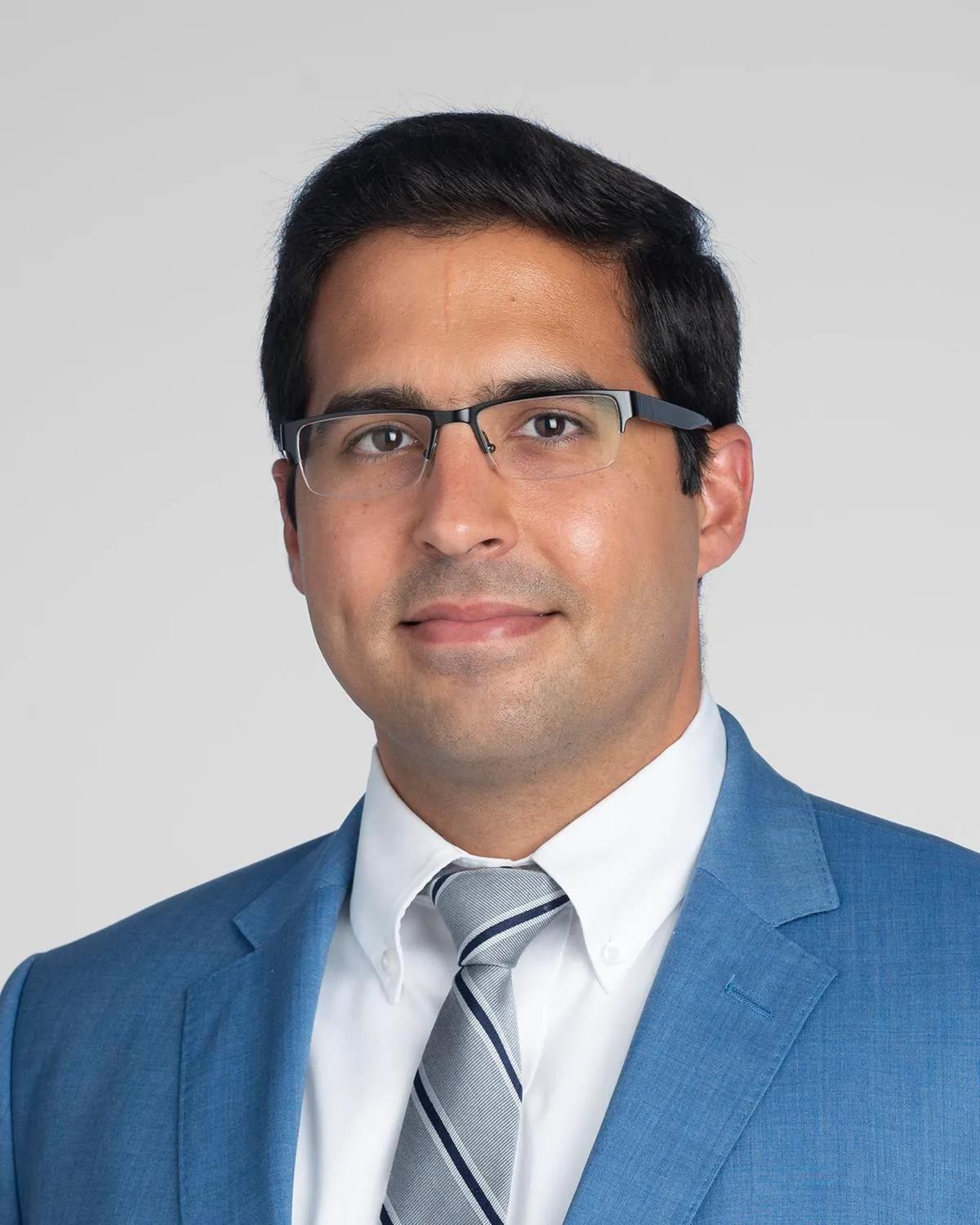
Alejandro Pita, MD
Fellowship Program Director
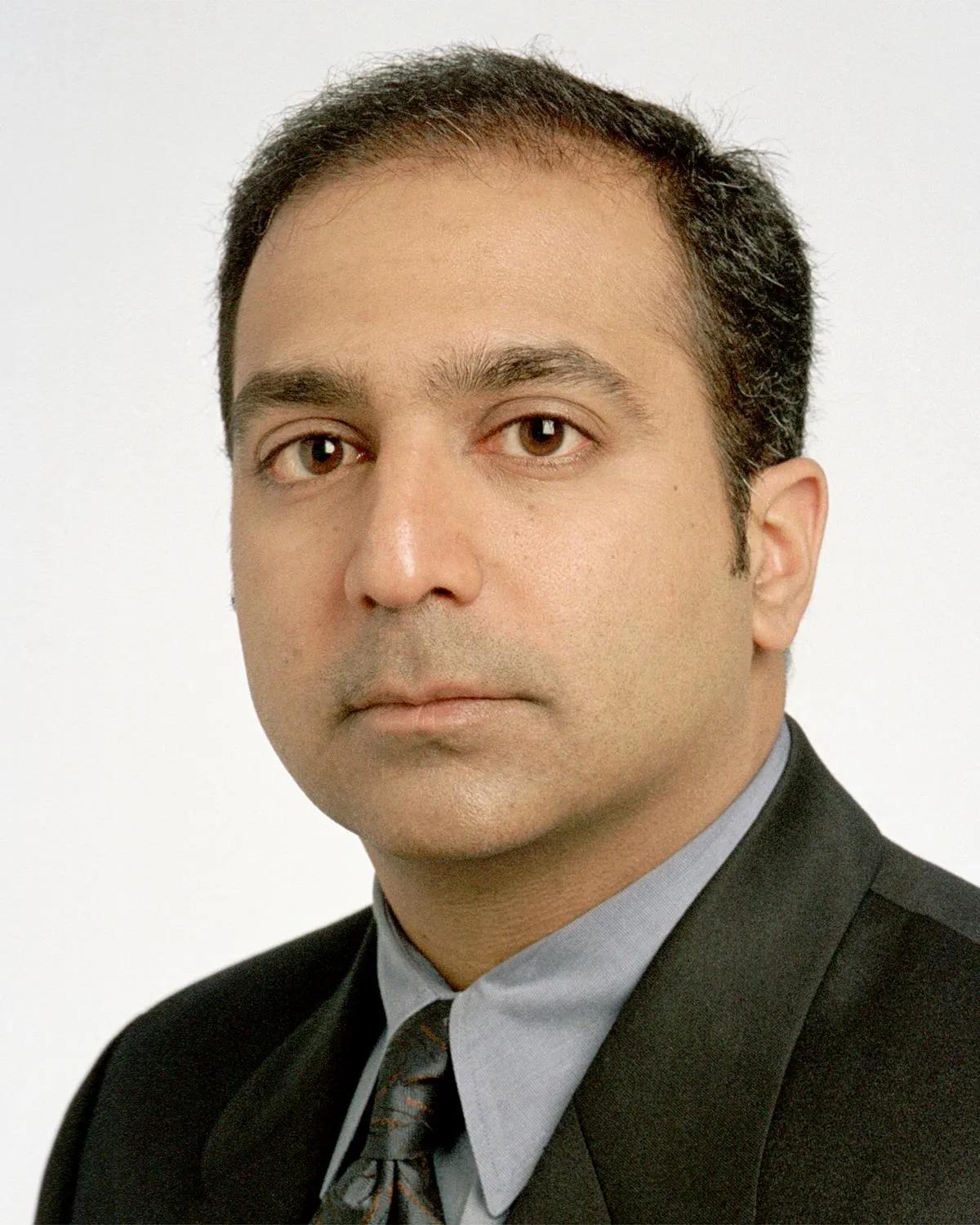
Venkatesh Krishnamurthy, MD
Fellowship Program Co-Director
Transplant Surgeons
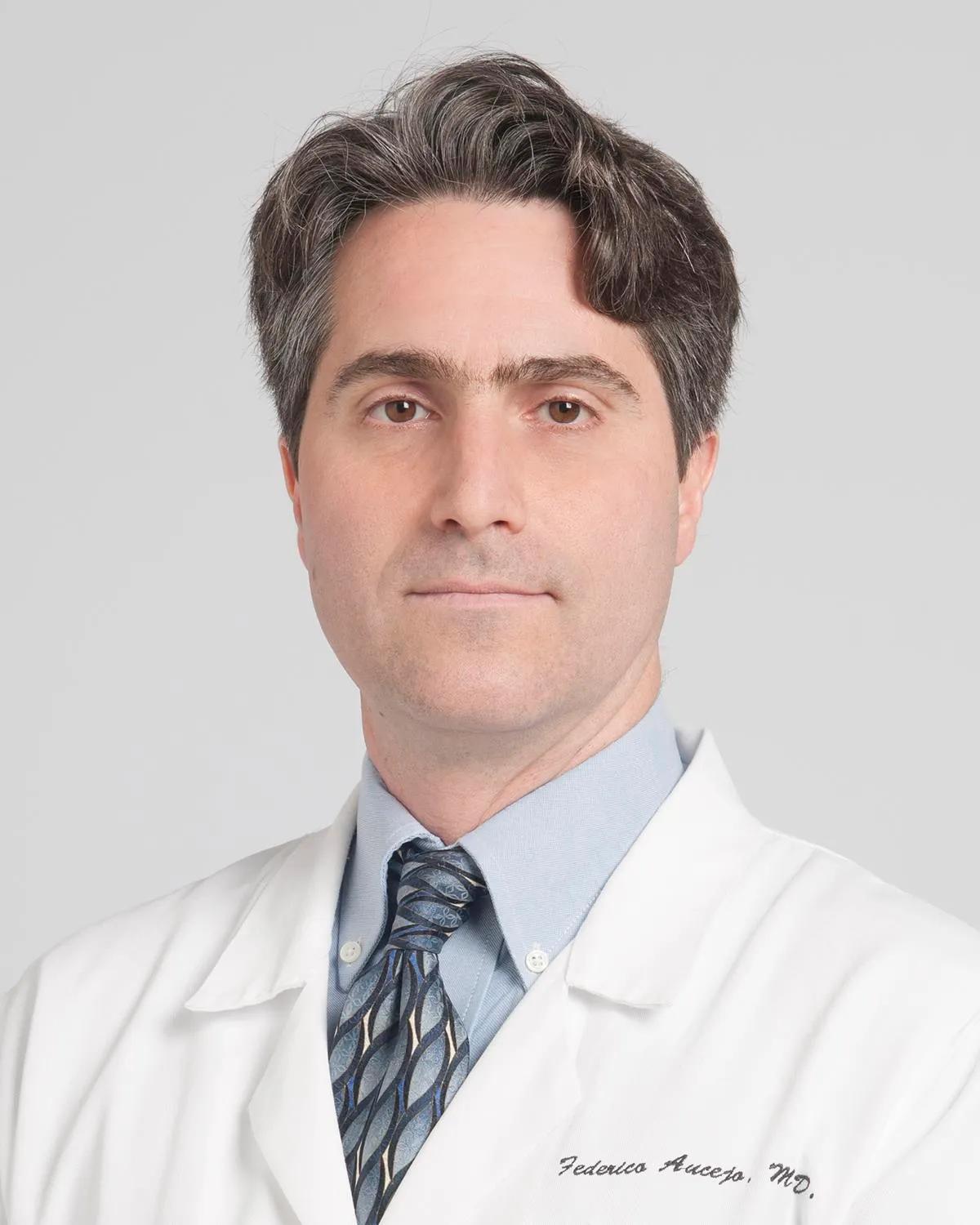
Federico Aucejo, MD
Director Liver Cancer Program
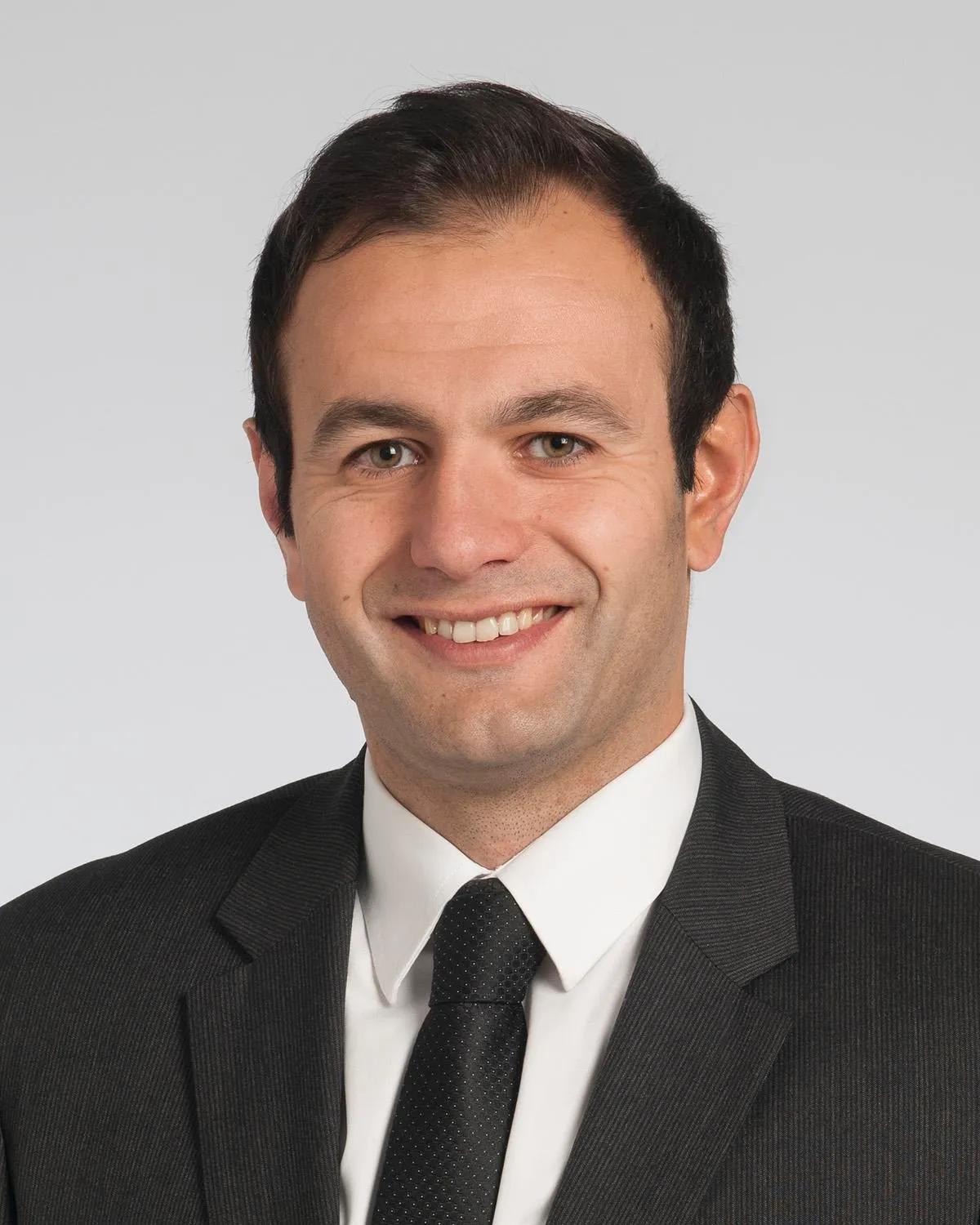
Mohamed Eltemamy, MD
Staff
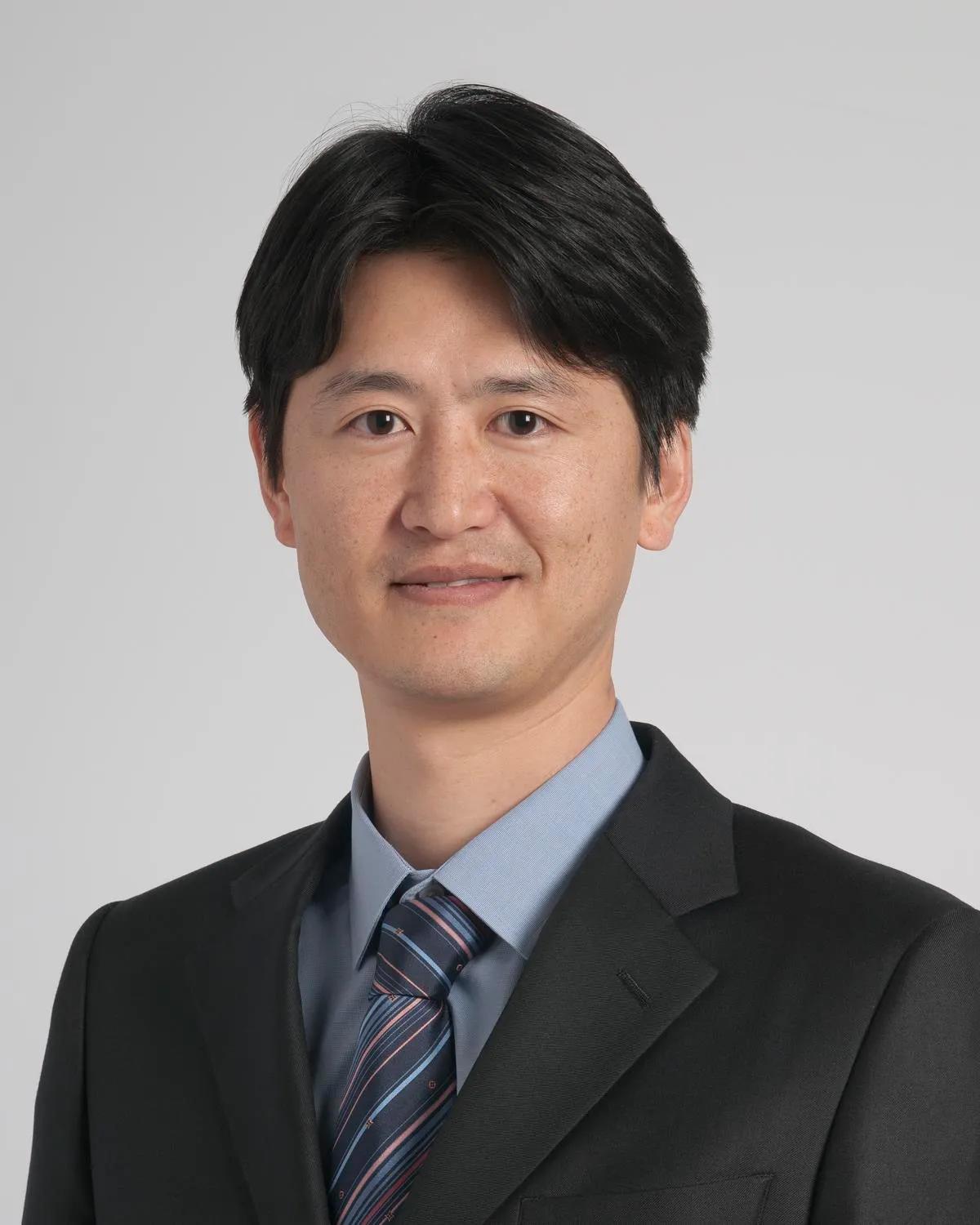
Masato Fujiki, MD
Director of Intestinal Transplantation
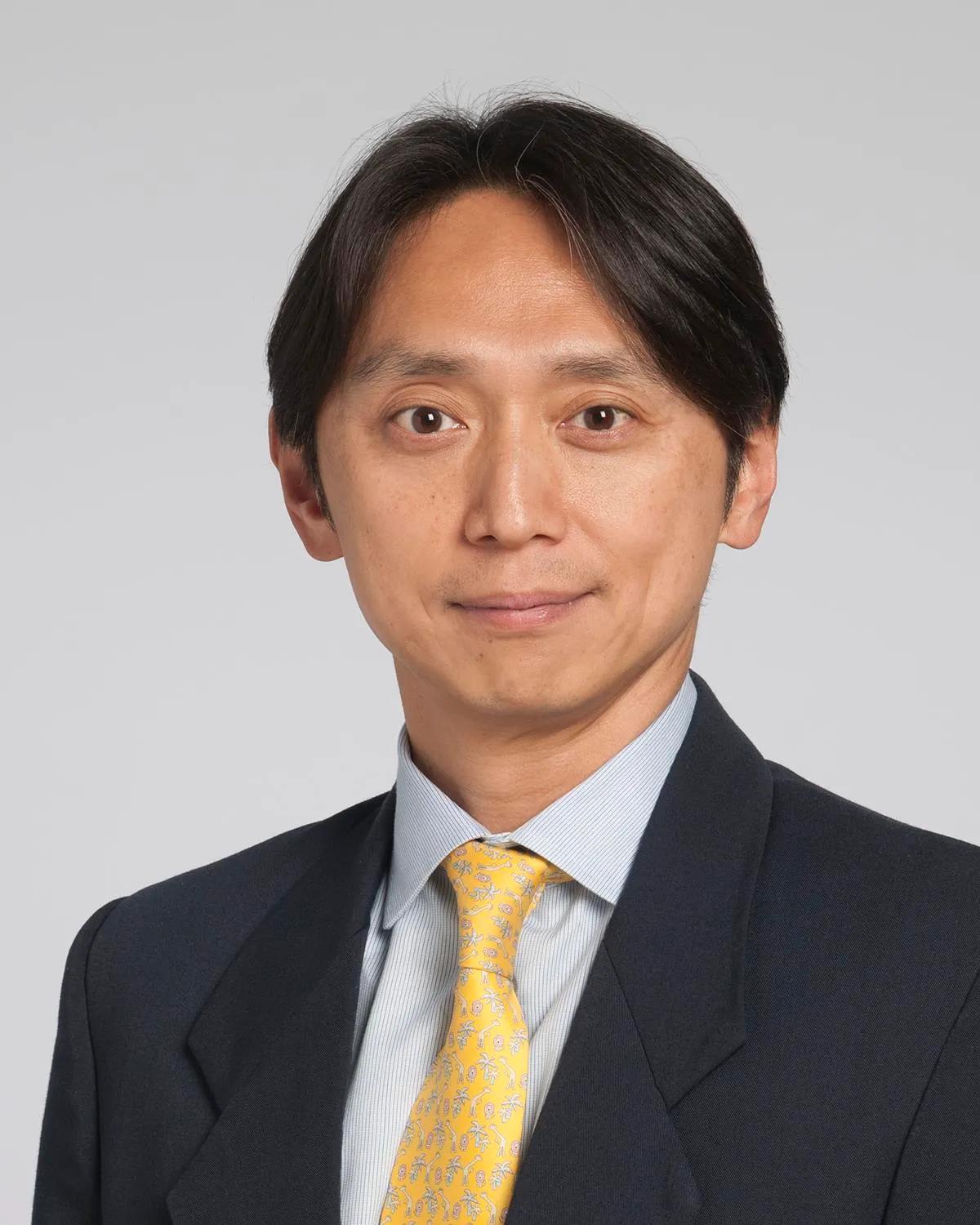
Koji Hashimoto, MD, PhD
Director of Liver Transplantation
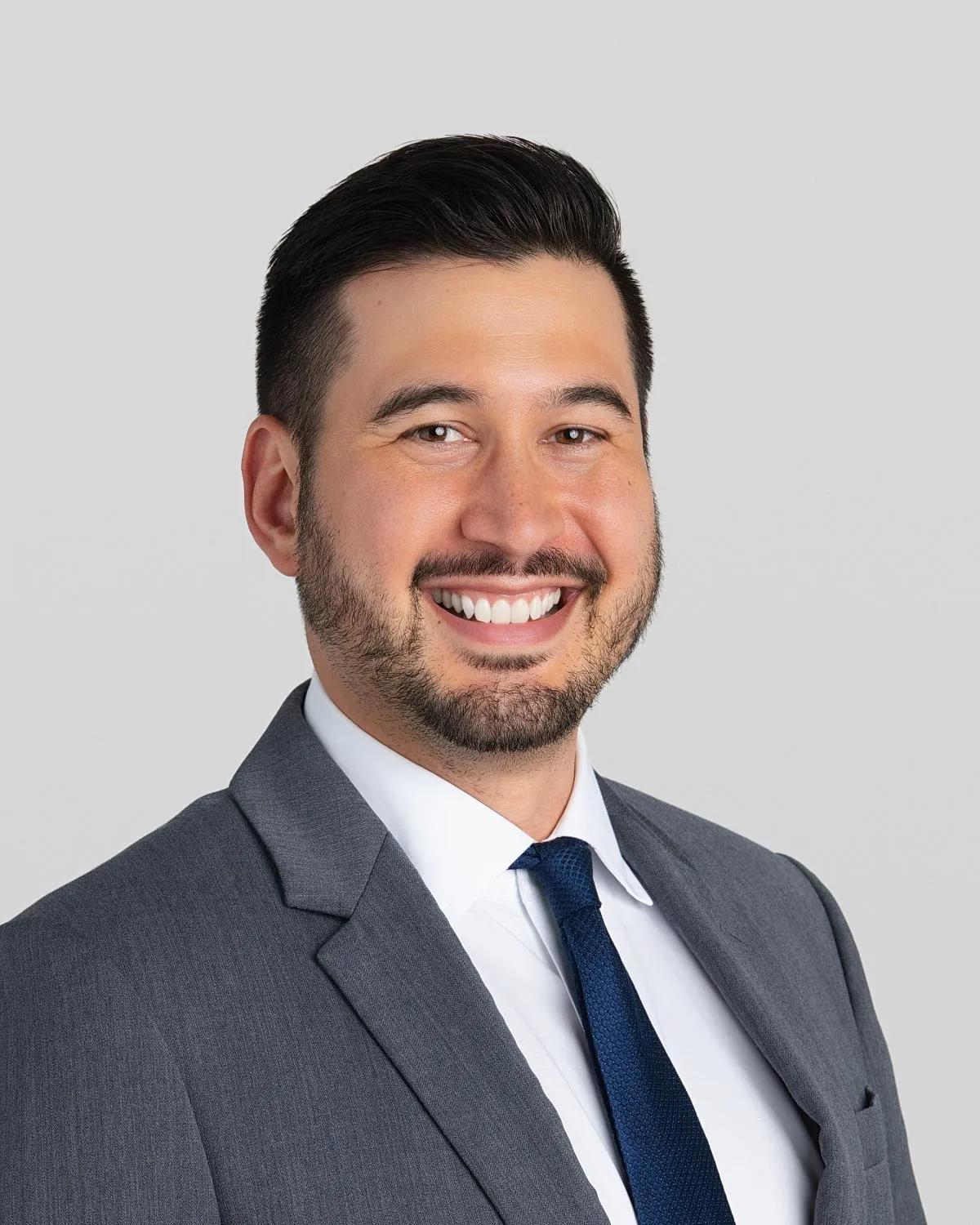
Dylan Isaacson, MD
Associate Staff
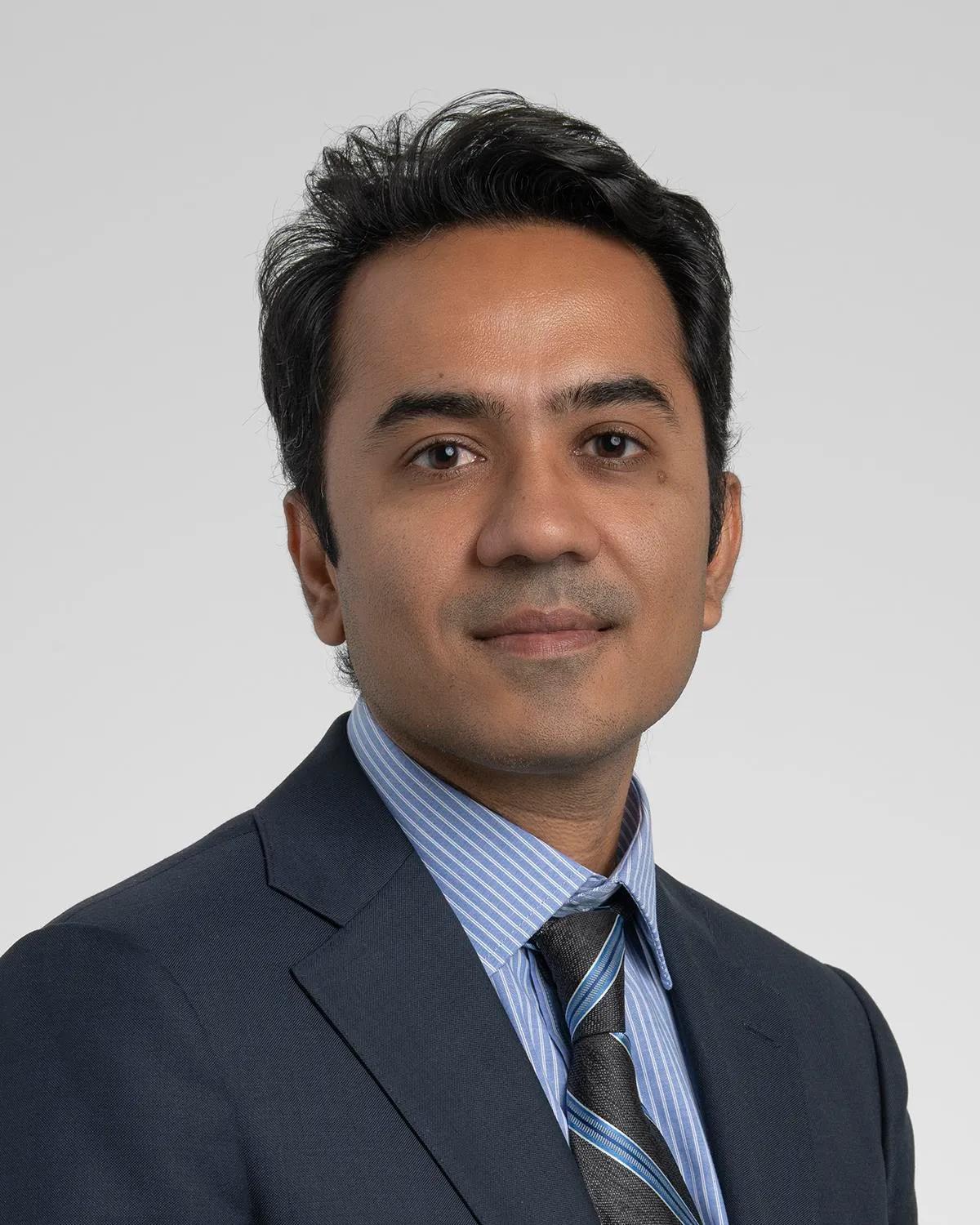
Mazhar Khalil, MD
Staff
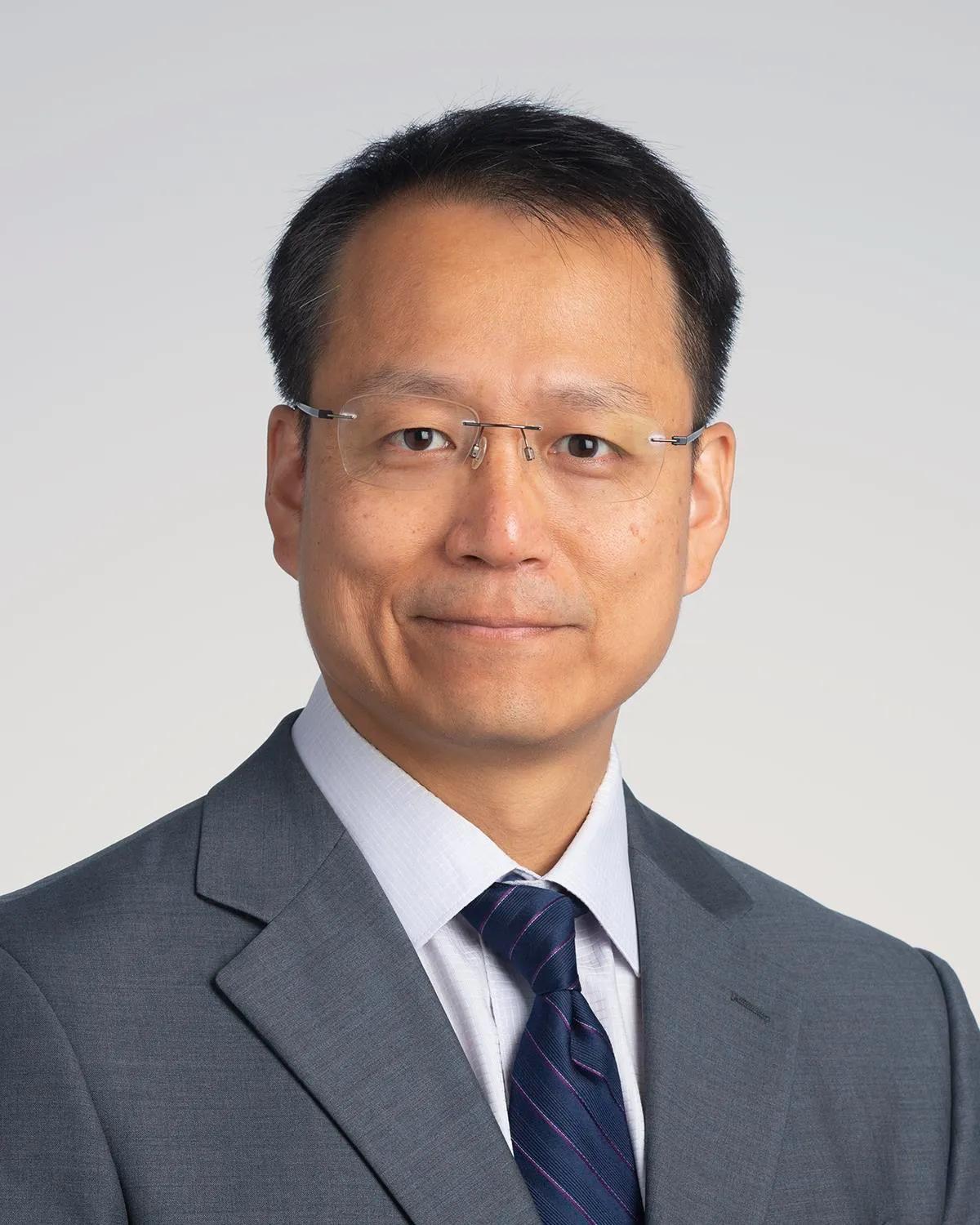
Jaekeun Kim, MD
Staff
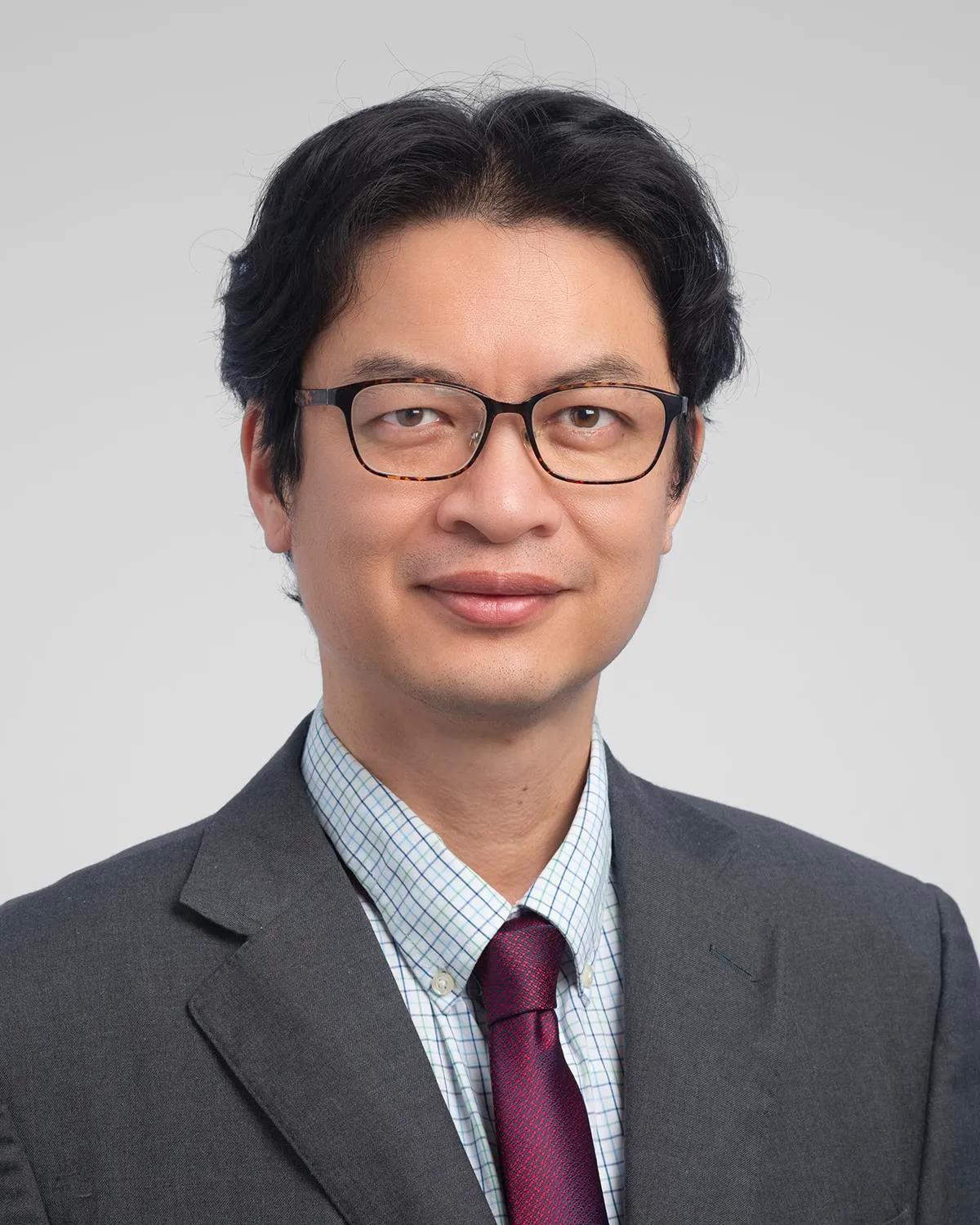
Yi-Chia Lin, MD
Associate Staff
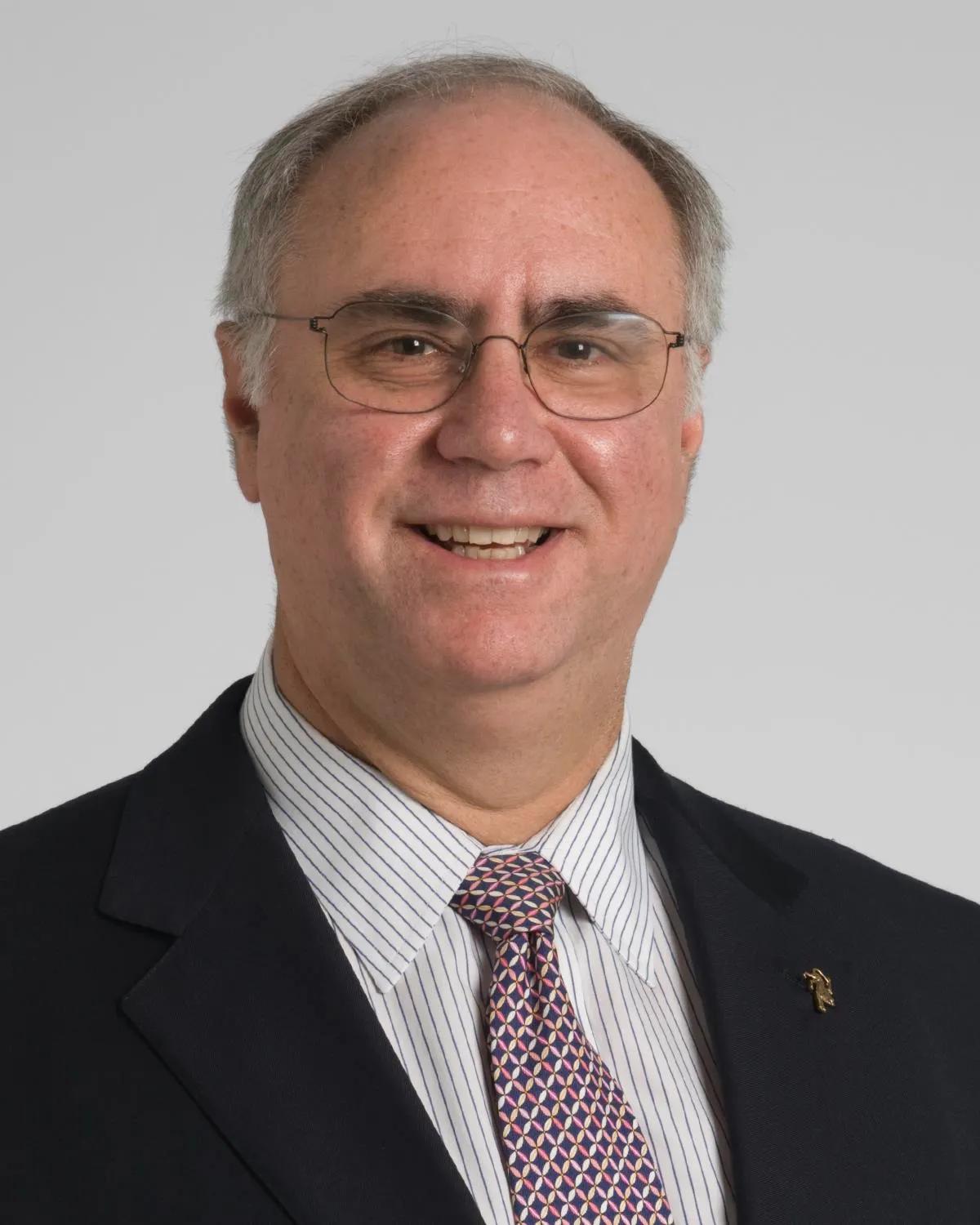
Charles Miller, MD
Enterprise Director of Transplantation
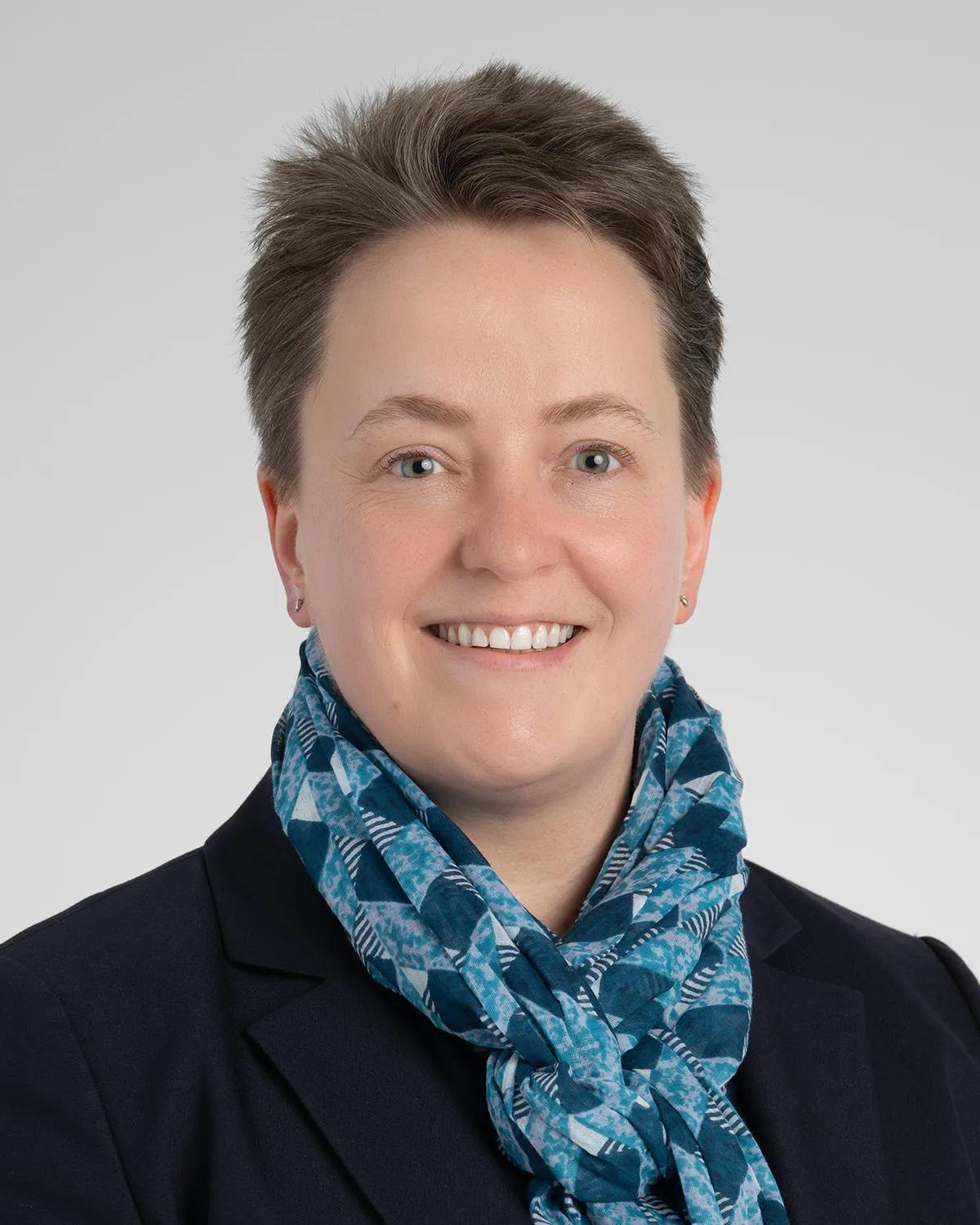
Andrea Schlegel, MD, MBA
Associate Staff
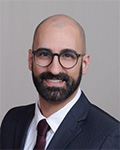
Sami Shoucair, MD, MPH
Associate Staff
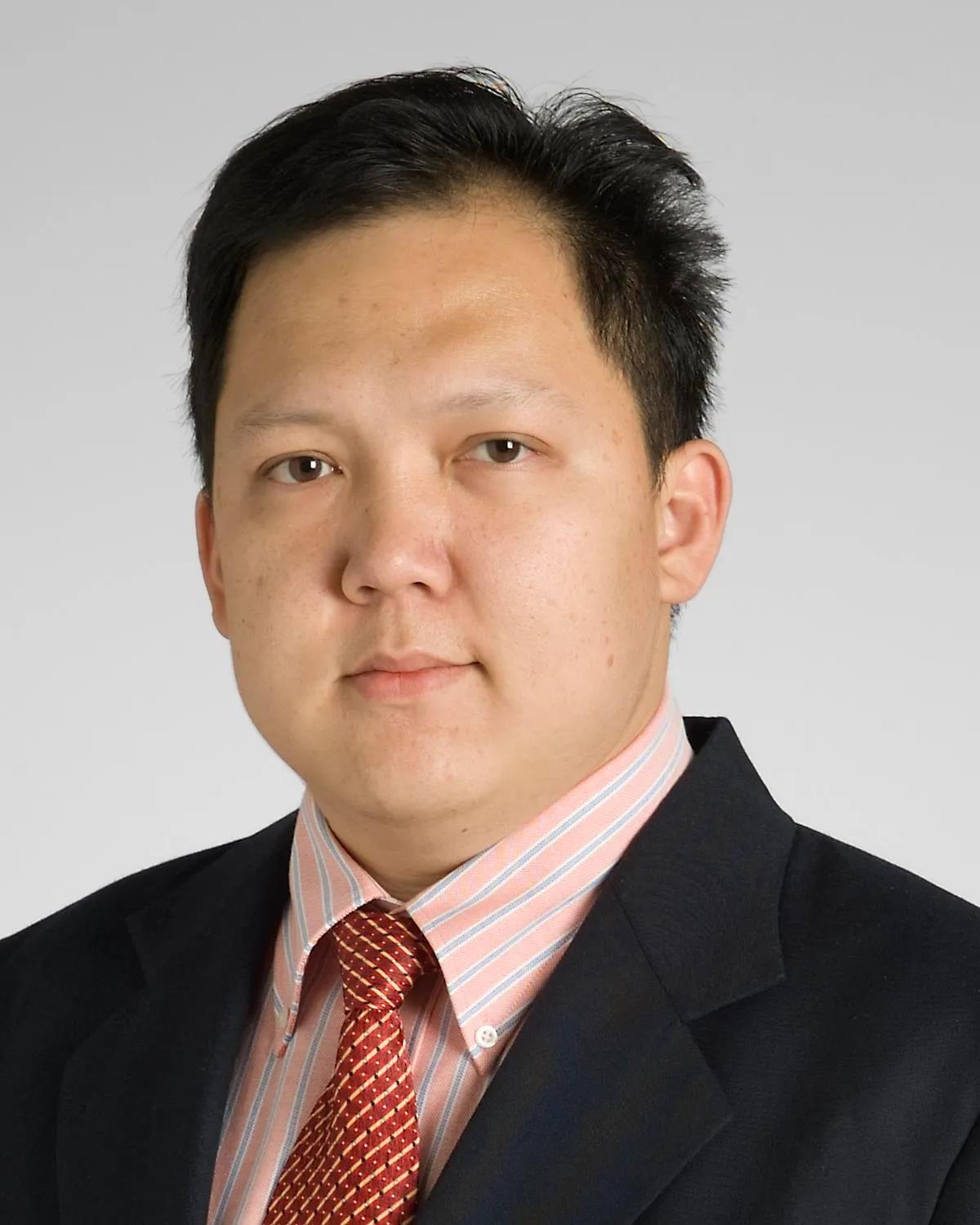
Alvin Wee, MD
Surgical Director, Renal Transplantation Program
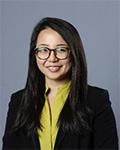
Wei Kelly Wu, MD
Associate Staff
Fellows and Alumni
Current Fellows
Second Year:
- Woo Jin Choi, MD, PhD (Residency: University of Toronto)
- Ramsey Ugarte, MD (Residency: Harbor-UCLA Medical Center)
First Year:
- Kathleen Ehresmann, MD, MBA (Residency: University of Florida)
- Niloy Iqbal, MD, PhD (Residency: Montefiore Medical Center)
- Mahnoor Zia, MD (Residency: Houston Methodist)
Alumni
Dylan S. Isaacson, MD
2024-2026
Attending Surgeon – Multi-Organ Abdominal Transplantation
Cleveland Clinic, OH
Sami Shoucair, MD
2024-2026
Attending Surgeon – Multi-Organ Abdominal Transplantation
Cleveland Clinic, OH
Wei Kelly Wu, MD
2024-2026
Attending Surgeon – Multi-Organ Abdominal Transplantation
Cleveland Clinic, OH
Glenn Wakam, MD
2023-2025
Attending Surgeon — Multi-Organ Abdominal Transplantation
University of California San Diego, San Diego, CA
Kumaran Shanmugarajah, MD, PhD
2023-2025
Attending Surgeon — Multi-Organ Abdominal Transplantation
University of Chicago Medicine, Chicago, IL
Esteban Calderon, MD
2022-2024
Attending Surgeon — Multi-Organ Abdominal Transplantation
University of North Carolina Medical Center, Chapel Hill, NC
Jiro Kusakabe, MD
2022-2024
Attending Surgeon — Multi-Organ Abdominal Transplantation
Cleveland Clinic Florida, Weston, FL
Mazhar Khalil, MD
2021-2023
Attending Surgeon — Multi-Organ Abdominal Transplantation
Cleveland Clinic, OH
Eduardo Fernandes, MD
2021-2023
Attending Surgeon — Multi-Organ Abdominal Transplantation
Cleveland Clinic Florida, Weston, FL
Alejandro Pita, MD
2020-2022
Director, Abdominal Organ Transplantation and Hepatopancreatobiliary Surgery Fellowship
Cleveland Clinic, Cleveland, OH
Junshi Doi, MD
2019-2021
Attending Surgeon
Red Cross Otsu Hospital, Otsu City, Japan
Yasser Fouda, MD
2019-2021
General Surgery
Cleveland Clinic, Cleveland, OH
Upcoming fellows (2027-2029)
- Imad Aljabban, MD, MMSc (Residency: Columbia University – New York Presbyterian)
- Flavio Milana, MD, PhD (Residency: Humanitas University)
Curriculum
Training and proficiency in deceased-donor organ procurement and back-table allograft preparation is emphasized early in the first months of fellowship. Fellows spend approximately eight months in the liver transplantation and hepatopancreatobiliary services, during which time they also participate in the recipient hepatectomy and organ implantation, and patient management on liver transplant service and transplant ICU (with the support of 8 physician assistants and 2 to 3 general surgery residents). Intensive training is also provided in the management of patients with end-stage organ liver failure. The hepatobiliary service runs concurrently, , providing additional exposure to the management of complex hepatobiliary conditions.. In the first year of training, the program also offers a focused pancreas surgery rotation with the HPB program. The remaining months of the first year are spent in the kidney and pancreas transplantation service where fellows learn donor procurement and kidney/pancreas transplantation. Emphasis is placed on surgical procedures related to kidney transplantation, including minimally invasive living donor nephrectomy and robotic transplantation.
During the second year of fellowship, fellows gain further independence and versatility with abdominal organ transplantation, and increased exposure to living donor hepatectomy, split-liver procurement, and advanced hepatobiliary surgery including major resections for cancer and laparoscopic/robotic hepatectomies. In addition, training for ancillary procedures such as ablative liver interventions is provided. Similarly, fellows improve on their skillset within the realm of kidney/pancreas transplantation and become competent in open and robotic kidney transplantation while taking on greater responsibility in minimally invasive donor nephrectomy. Second-year fellows become closely involved in IVC resection and reconstruction for complex renal and retroperitoneal tumors.
Training Modules
Each fellow will be required to complete ASTS educational online modules in liver, kidney, and pancreas transplantation during the 24-month fellowship period. This will be monitored by the Program Director and Coordinator.
Research
Scholarly activities in the form of clinical research are emphasized throughout the entire fellowship period. Fellows are encouraged to study clinical questions, present at scientific meetings and compose related manuscripts. The Cleveland Clinic provides numerous resources to assist fellows in these pursuits, including access to a transplant specific databases and biostatistical help. A large team of research fellows actively contributes to manuscript publications, journal club presentations, database management, and collaborative scholarly activities with clinical fellows. Ongoing active projects are discussed in a weekly research meeting in collaboration with researchers from the Cleveland Clinic Lerner Research Institute.
Computer facilities include the EPIC Integrated Health Care System and the Electronic Database Interface for Transplantation (EDIT), which allows electronic access to medical records, laboratory data and outpatient records, with HIPAA compliance. The kidney transplant group maintains a prospective Robotic Kidney Transplant (RoKiT) database with opportunities to prepare abstracts and publications in a quickly growing field within transplantation. Research inquiries are performed under IRB -approved protocols. Fellows are assigned to a variety of clinical research and review projects during their fellowship, including cutting-edge topics such robotic transplantation, living donation, and utilization of machine perfusion technology in transplantation.
Presentation of abstracts at national meetings is highly encouraged. Fellows with accepted abstracts are provided with protected time away from clinical work and funding to attend at least one meeting per academic year.
Clinical Conferences
Each month the fellows present cases for Morbidity and Mortality, and Adverse Events Conferences to the department. The conference faculty moderator selects cases for presentation based on their teaching merit, and moderates the discussion. Fellows delve into the pertinent literature while focusing on clinical decision-making, analyze reasons for any complications and discuss alternative management options. The main focus of the conference is towards improving clinical decision-making and enhancing patient care.
Weekly selection committee meetings are held separately for liver and kidney transplant candidacy and fellows are expected to attend.
In addition, each subspecialty holds its own conferences (Liver Transplant, HPB, Intestinal Transplant, Pathology, Clinical Nutrition, etc.) These conferences are made available to all fellows who wish to attend them.
Seminars by Cleveland Clinic and visiting faculty are also delivered during Grand Rounds on a periodic basis. Presentations are on a broad range of topics, including clinical topic updates, world health, surgical history, etc.
Application Process
The program accepts two to three fellows annually, alternating each year. We participate in the SF Match. All applicants must apply through the SF Match Website. Candidates must have completed a medical school degree and completed or anticipate completion of a general surgery or urology residency program. Additional information on Transplant Surgery Fellowships can be located on the ASTS website.
Living in Cleveland
Cleveland offers the amenities and cultural attractions of a major metropolitan area while maintaining an accessible, welcoming, and affordable quality of life. From world-class arts and professional sports to vibrant neighborhoods, an exciting food scene, Lake Erie, and extensive parks and outdoor recreation, Cleveland offers an exceptional place to live, work, and raise a family.
Arts and Culture. Cleveland boasts one of the largest performing arts districts in the country. Playhouse Square, the largest performing arts center in the United States outside New York City, hosts Broadway productions, concerts, comedy, and other live performances throughout the year. Cleveland Clinic is also located adjacent to University Circle, the city's cultural and educational hub and home to Case Western Reserve University, the Cleveland Museum of Art, the Cleveland Museum of Natural History, the Cleveland Botanical Garden, and Severance Music Center, home of the internationally renowned Cleveland Orchestra.
Lakefront and Attractions. Situated along the shores of Lake Erie, Cleveland offers miles of lakefront recreation, beaches, parks, boating, and waterfront trails. Downtown's lakefront is home to the iconic Rock & Roll Hall of Fame and the Great Lakes Science Center. Other uniquely Cleveland destinations include the historic West Side Market and the house featured in the classic film A Christmas Story.
Professional Sports. Cleveland has a passionate sports culture and three major professional teams: the Cleveland Guardians at Progressive Field, the Cleveland Cavaliers at Rocket Arena, and the Cleveland Browns on the downtown lakefront. All three venues are conveniently located in or near downtown, making professional sports an integral part of life in the city.
Parks and Outdoor Recreation. Cleveland offers exceptional access to green space. The extensive Cleveland Metroparks system surrounds the region with opportunities for hiking, biking, running, golfing, horseback riding, kayaking, cross-country skiing, and other year-round activities. Just south of the city lies Cuyahoga Valley National Park, encompassing approximately 33,000 acres of forests, rivers, waterfalls, trails, and the historic Ohio & Erie Canal Towpath Trail. Lake Erie and its beaches, including popular destinations such as Edgewater Park, provide additional opportunities to enjoy the outdoors throughout the warmer months.
Neighborhoods and Lifestyle. The Cleveland area offers a wide range of neighborhoods and communities to suit different lifestyles. Downtown, Ohio City, Tremont, and University Circle provide walkable urban living close to restaurants, entertainment, and cultural attractions, while nearby communities on both the East and West sides offer quieter residential settings, excellent amenities, and convenient access to Cleveland Clinic.
Dining and Entertainment. Cleveland's food scene reflects the city's diverse cultural heritage, with everything from neighborhood restaurants and breweries to fine dining and international cuisine. Ohio City and the West Side Market, Tremont, Little Italy, the East 4th Street district, and the many restaurants throughout the city's neighborhoods provide abundant options for dining and nightlife.
Shopping. Shopping destinations throughout Greater Cleveland range from independent neighborhood shops to major retail centers. On the East Side, Beachwood Place, Pinecrest, Eton Chagrin Boulevard, and Legacy Village offer extensive shopping and dining options, while Crocker Park serves as a major shopping, dining, and entertainment destination on the West Side.
Family-Friendly Living. Cleveland is also an excellent place for families, with numerous parks, museums, seasonal activities, and family attractions. The Cleveland Metroparks Zoo, Great Lakes Science Center, Cleveland Museum of Natural History, and nearby Cedar Point amusement park provide countless opportunities for families to explore the region.
Perhaps most importantly for fellows balancing the demands of surgical training, Cleveland offers the opportunity to enjoy the amenities of a major city without many of the costs and logistical challenges associated with larger metropolitan areas. Whether your interests include sports, the arts, restaurants, outdoor recreation, or family activities, Cleveland offers an outstanding quality of life and a welcoming place to call home during fellowship.
Learn more about living and working in Cleveland and opportunities to engage young professionals.
Contact Us
Abdominal Organ Transplantation and Hepatobiliary Fellowship
Alejandro Pita, MD
Program Director, Transplant Surgery Fellowship
216.445.3570
PITAA@ccf.org
Janine Keough
Transplant Surgery Fellowship Coordinator
216.312.9206
keoughj@ccf.org
Graduate Medical Education
Main Office
1.800.323.9259
216.444.5690
Fax: 216.444.6112
