



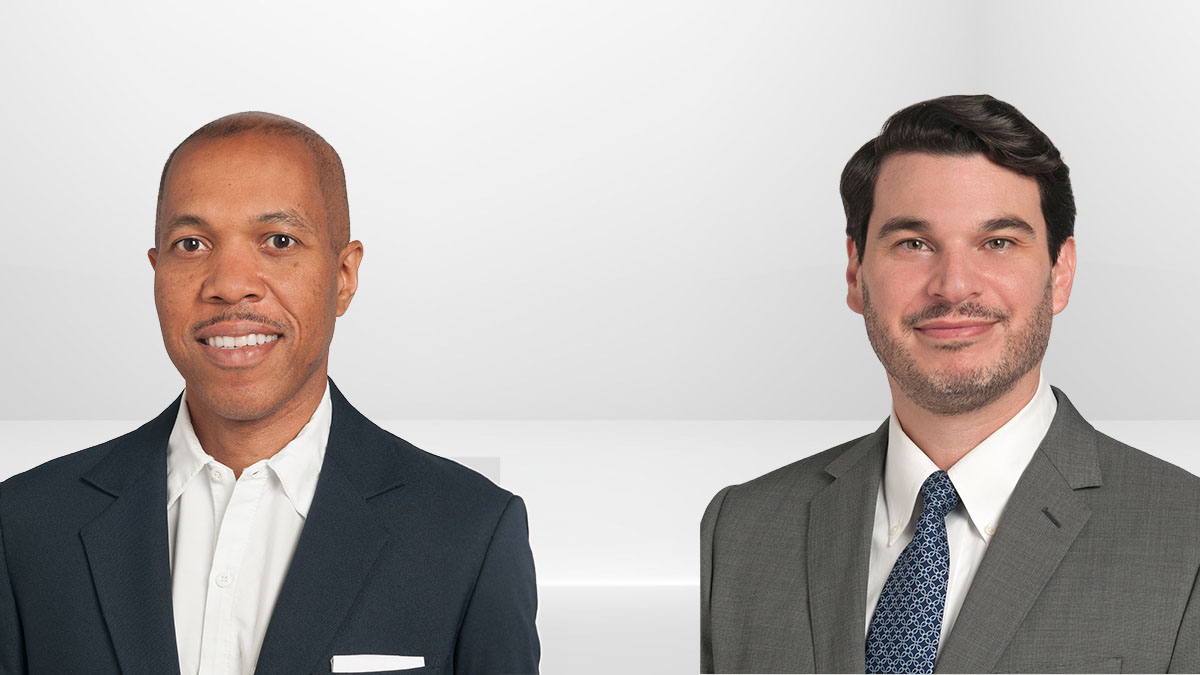
Smoking and Vascular Disease
Lee Kirksey, MD, and J. Eduardo Corso, MD, explain how smoking and nicotine damage blood vessels and drive conditions like peripheral artery disease, aneurysms, heart attack and stroke. They discuss why quitting smoking can slow disease progression, improve outcomes after vascular treatment and improve long-term health and quality of life.
Advertisement
Cleveland Clinic is a non-profit academic medical center. Advertising on our site helps support our mission. We do not endorse non-Cleveland Clinic products or services. Policy
Recent Episodes
Understanding High-Risk Aortic Valve Endocarditis
Milind Desai, MD, and Per Wierup, MD, discuss high-risk aortic valve endocarditis, a serious infection that can affect heart valves and lead…
Robotic Heart Valve Surgery
Marc Gillinov, MD, and Per Wierup, MD, discuss how robotic heart valve surgery allows surgeons to repair or replace heart valves through sma…
How Robotic Technology is Changing Heart Bypass Surgery
Donna Kimmaliardjuk, MD, and Gianluca Torregrossa, MD, discuss robotic and totally endoscopic coronary artery bypass grafting (TECAB). These…
Video content: This video is available to watch online.
View video online (https://cdnapisec.kaltura.com/p/2207941/sp/220794100/playManifest/entryId/1_p7olvpmj/flavorId/1_5f3sgelj/format/url/protocol/https/a.mp4)
Transcript
Announcer:
Welcome to Love Your Heart, brought to you by Cleveland Clinic's Sydell and Arnold Miller Family Heart, Vascular & Thoracic Institute. This podcast will explore disease prevention, testing, medical and surgical treatments, new innovations and more. Enjoy.
Advertisement
Cleveland Clinic is a non-profit academic medical center. Advertising on our site helps support our mission. We do not endorse non-Cleveland Clinic products or services. Policy
Lee Kirksey, MD:
Welcome to Love Your Heart. My name's Lee Kirksey. I'm the Vice Chair of Vascular Surgery here at Cleveland Clinic. When I say here at Cleveland Clinic, I mean Cleveland Clinic in Northeast Ohio, Cleveland Clinic in Florida, Cleveland Clinic in Las Vegas and Cleveland Clinic globally. Cleveland Clinic is a global enterprise. Welcome, welcome. I'm here with one of my partners, Dr. Corso.
Eduardo Corso, MD:
Hello. I'm Eduardo Corso. I'm a staff vascular surgeon here, also in Northeast Ohio. Thanks, Lee, for having me. This is a great opportunity to talk about a subject that is near and dear to my heart. I know when I'm seeing patients in clinic, just about every day, I have long conversations about smoking cessation because as vascular surgeons, we operate on the blood vessels throughout the body. Whether it's your carotid artery in your neck or in the peripheral circulation going to your legs or even aortic aneurysms, nicotine specifically and smoking has a profound effect upon the blood vessels and what we do.
Lee Kirksey, MD:
Absolutely. Absolutely. One of the things I like to do is level set what vascular surgeons do, who they are, where they're located. For our department, we're located throughout Northeast Ohio. Vascular surgeons, to your point, we manage the blood vessels. Those are arteries. Those are veins outside of the skull, so the carotid arteries, outside of the heart, the aorta, the lower extremity blood vessels, renal arteries. There are several disease states that we treat.
Advertisement
How do you describe those disease states for our patients?
Eduardo Corso, MD:
Yes. When I'm talking to a patient in the office, I'll usually describe the process of how nicotine specifically damages the blood vessels. If you think of your artery as a tube, the nicotine in your system will damage the artery. Part of the mechanism for healing that creates a plaque that then can build and build until it blocks the artery. It's a healing process that goes far over long periods of time. It is made much worse by continuing to smoke, which causes inflammation to happen and changes in the lining of the artery, the cell wall and the arteries themselves. A lot of people think about lung cancer when they think about smoking, but they are not as knowledgeable about artery disease. It's the same thing whether it happens in the heart, in the legs, in the neck, throughout the body. It's the same disease process that we think about.
Lee Kirksey, MD:
Yeah. I like the way you described vascular surgeons. We treat atherosclerosis. That's the buildup, cholesterol inflammation within the arteries. Vascular surgeons treat aneurysms. Those are degenerative conditions, which in some cases are associated with smoking as well. But smoking is probably the most potent, the highest preventative risk that patients have for developing peripheral artery disease, as well as aneurysmal disorders. Every disorder of one's blood vessels is driven by smoking. There are no good aspects to smoking, as we like to say.
Eduardo Corso, MD:
There really aren't. I talked to my patients also about the mechanism of aneurysm disease, which is that it promotes your body to produce factors that dissolve the elastic tissue in the artery. Every time your heart beats, your artery stretches and contracts. That elasticity is lost and that can lead to the formation of an aneurysm, which is an outpouching or a growth of your artery, such as the main artery, the aorta. Over time, that can lead to internal bleeding, which is a life-threatening emergency.
Lee Kirksey, MD:
Absolutely. I think there are a couple of facts for anyone who smokes, is thinking about smoking, or anyone who's a former smoker, and congratulations, because we know smoking is very addictive. Anyone who's out there who's quit, understand that once a person quits smoking, once you get out to about five years, your risk of developing cardiovascular disease or progression of cardiovascular disease, or PAD, or even in some instances, cancer starts to come down dramatically. It's always worthwhile. It takes multiple attempts for many people, even with the medical assistance that we're able to provide individuals, but it's always worthwhile.
Some very important facts: not only are you at increased risk for heart attack and stroke, that's what we mean when we say cardiovascular disease, but you're at risk for lung cancer, as you described, and that's the first thing everyone thinks of. Most people don't know that smoking increases your risk of developing diabetes, and it increases your insulin resistance. If you're not diabetic or if you're pre-diabetic, it increases your risk that you will go on to develop diabetes.
Advertisement
We also know, when we talk about this idea of peripheral artery disease, it increases your risk of stroke, it increases your risk of having limb loss. Most diabetics, most non-diabetics with peripheral artery disease, one of the worst thoughts that they have is of losing their leg. It's a horrible situation. Both Dr. Corso and I treat many patients with lower extremity peripheral artery disease. No one wants to lose their leg, but smoking increases your risk four times. The risk of losing your leg is increased four times when one smokes. There's some significant risk associated with it.
Eduardo Corso, MD:
The other thing that usually comes up when I'm talking to patients is, I tell them, I'm not the morality police and I'm not here to judge anybody. Smoking is an addiction and it's extremely hard to quit. I think the average number of times, that I've seen quoted, that somebody tries to quit before they're able to finally quit is seven times. If you've quit before and had a relapse, well, that just makes you a normal person trying to quit smoking. There's all kinds of different resources. There's 1-800 numbers, the Clinic has some, smoking cessation clinics that I often will refer patients to out of our office. Just one of the biggest interventions I was taught in medical school is talking to the patients during the office visit has an effect.
Advertisement
So, I don't know. What kind of things do you talk to patients about when you're trying to help them quit?
Lee Kirksey, MD:
Great question. First of all, we'll provide resources and links associated with this podcast. We think of 1-800-QUIT-NOW as one of the primary drivers, but we have so many resources within the Cleveland Clinic healthcare system, and we'll provide those in a digital format for anyone who's interested, for themselves or for their family member.
I think that what you've described hits to the heart of why this topic is so important. I was part of the American Heart Association Society of Vascular Surgeons Peripheral Arterial Disease Guidelines, PAD Guidelines, which you can link to in the American Heart Association. One of the most important facts is that unfortunately, healthcare providers, all of us included, collectively, don't do as good of a job as we should, perhaps, in really promoting smoking cessation in a way that goes beyond “you shouldn't smoke.” I think it's our responsibility to provide those critical resources for what is a very addictive behavior.
Your point about one of the best times for us to encourage smoking cessation is when we're talking to someone about a disease state that frankly scares them, frightens them a little bit because at that moment, when we link smoking to that very reason that they're getting ready to undergo a procedure, need a procedure, when they're in the office, we can have a pretty good impact on their opportunity and their chances of succeeding in smoking cessation.
Advertisement
Eduardo Corso, MD:
Yeah, and some of my patients will ask me about side effects for smoking cessation medications and things like that. How do you talk to them about some of those concerns they might have?
Lee Kirksey, MD:
My first caveat to any patient that I'm talking to about smoking cessation is that I'll provide you resources, but as a surgeon, I'm not the expert with smoking cessation and don't hold myself out to be the expert, but I'll definitely get you the resources. When we think about smoking cessation, there are several medications that are proven to be most effective. Chantix, as many people know, Varenicline or Bupropion, those are the two primary medications, common medications that are used as medicinal pharmacologic enhancers to helping people succeed. But there's so many, like acupuncture, and so many other non-traditional methods, and obviously therapy and conversational therapy. There's so many non-traditional methods and traditional methods that should be used in combination.
I think it speaks to the issue of all of our care here at Cleveland Clinic is that it's multidisciplinary, right? Just like we're vascular surgeons, we know that your chances when you smoke and have peripheral artery disease, the chances that you have cardiovascular disease, coronary artery disease or hardening of the arteries is virtually 90%, 100%. You may not have symptomatic heart disease, you may not need a procedure for your heart, but you have heart disease. To that extent, part of this team is going to be vascular surgeons, vascular medicine physicians, cardiologists and the smoking cessation team.
Eduardo Corso, MD:
Right. Yeah. A lot of patients have to have a reason to do it. Once you're in my office, and I will say people that smoke are usually in my office at a much younger age, maybe with pretty bad peripheral vascular disease in their 50s or early 60s versus someone who didn't smoke, then we see more of those patients later in life, 70s and 80s and 90s even. That's why it's so critical to do it. It's like a lot of people, it's like, "Oh, I want to walk my daughter down the aisle," or they have a grandchild or their partner's also quitting, or something like that.
I think that it does take, not just your physician. I don't want to turn people off as soon as I come in the room and kind of be paternalistic or preachy about smoking cessation, but it is critical to what we do, which is repairing those arteries and letting the blood be delivered so the oxygen can get there, whether it's to heal a wound or just to feel better when you're able to walk. Now that it's a little bit nicer weather out here, people are out there walking, and one of the symptoms that you get is pain in the calves or the legs with effort, which is a sign of this.
Lee Kirksey, MD:
So, let me ask you a question. Let's focus now and center the discussion on carotid artery stenosis or peripheral artery disease. You describe some of the symptoms of peripheral artery disease, which can range from exertional discomfort in the muscles of your leg when you walk to pain when you don't even have to do anything, called rest pain or ulceration, which is the most severe form, which, if we don't treat, becomes infected and leads to amputation. Those are horrible, horrible disease states, or even when you've developed a TIA (transient ischemic attack), a mini stroke, or a major stroke. When you're talking to patients about the benefits of smoking cessation before you treat them, how do you kind of give them some incentives, some roles and some reasons from a medical perspective?
Eduardo Corso, MD:
As they taught us in medical school, first, do no harm. I take that oath very seriously. Sometimes, for some patients that have mild disease, it's really better if they stop smoking before we do any kind of angioplasty, stent or other procedures because we can convert that patient who is having some discomfort by treating them. If they're continuing to smoke and time goes on, when the disease comes back, as you know, it can be much worse. Those are the patients that if they're inappropriately treated early without holistic smoking cessation and modifying risk factors, that they unfortunately go on to need an amputation or multiple surgeries.
Just because I fix somebody's artery in their leg, it's not fixed like it was when they were 20 years old. It's repaired in such a way that hopefully it will last for a long time or a lifetime, but when it comes back, it really makes the degree of complexity much more difficult. Sometimes there are patients that we can't help. We really want everybody to have a good outcome and to do well. That's why some patients, I will work with them to quit smoking before I will offer them an intervention.
Lee Kirksey, MD:
I think that's so important, and we emphasize that to all patients. When we see you for peripheral artery disease as surgeons, as vascular surgeons, we are experts in both the medical management, the non-operative management of blood vessels, as well as the procedural or surgical management of blood vessels. Part of our obligation to you as a patient and to your family is to put you in the best condition possible so that you'll have the best outcome. That means that we start you on a cholesterol medication if you have high cholesterol, which most patients with peripheral artery disease have high cholesterol, and we work on smoking cessation very aggressively. In many instances, unless you're in a situation where your limb is threatened or you're having a stroke, you're what we call asymptomatic carotid stenosis, we won't perform a procedure until we get to a successful smoking cessation because whether we balloon, whether we stent or whether we do a lower extremity bypass or a carotid endarterectomy, the chances of that blockage recurring within a short period of time when a person continues to smoke after a procedure is greater.
I tell patients the benefits of smoking cessation. Number one, it allows us to more successfully perform a procedure. Number two, even if we don't perform a procedure, it reduces the chances that your peripheral artery disease will progress over time, right? And number three, it improves your overall quality of life. We know that your breathing is better, your performance, your ability to engage in activities for yourself and for your family, are enhanced by smoking cessation. I think there are a number of factors which lead us to really encourage people around smoking cessation.
Eduardo Corso, MD:
I'm glad you brought up therapy or the psychology of it because nicotine is an addiction and a lot of people, when they’re going through a hard time of life, will relapse. I can't tell you how many patients I've had that have quit smoking and then they may have lost their spouse or somebody in their family passes away, and through their grief, they go back to smoking and causing themselves harm. We see it all the time, and it is not something that we want to judge people about. We just want to help. It's not just so we have good results and outcomes, but it's so that we're actually helping people instead of only doing procedures and surgeries.
Lee Kirksey, MD:
Absolutely. I believe that that's one of the benefits of working at Cleveland Clinic, is that we work in teams. We try to work in a very patient-centered way. This idea of shared decision making, when we explain to patients what we're trying to achieve and how it's in their best interest, they're usually on board with these types of efforts.
I will say also that unfortunately, Northeast Ohio, and Ohio in general, has one of the highest rates of smoking. Across adults within the United States, smoking rates have leveled out at approximately 12 to 13% or so. Five years ago, smoking rates within Greater Cleveland were up to 35%, and that's very unfortunate. The city of Cleveland, Northeast Ohio, the governor have done a very good job of taking some of the funds that came from the tobacco settlement, and they focus those funds on a lot of smoking cessation programs. We had the Department of Health director, David Margolis, speak with the group several weeks ago and shared that those rates are down to 19%. It demonstrates that public policy and Cleveland Clinic is, and we are as physicians, very involved with the creation of public policy that's in the interest of our patients. It's very, very important. There's even, currently, some regulations around licensing of tobacco outlets, which Cleveland Clinic was very active in, and I think we're very proud to always advocate on behalf of our patients.
Eduardo Corso, MD:
The other thing along those lines is that nowadays, it's not just cigarettes or cigars. Vaping is everywhere and there's hookah bars in the neighborhoods too. I think people might have the idea that it's not as harmful under those circumstances because they can get away with doing it in more public places compared to cigarettes, but it's just as harmful, if not more harmful, products. If it contains nicotine, it's going to have that same effect that we talked about.
Lee Kirksey, MD:
Very important. Maybe along those lines, perhaps elaborate on how some people don't distinguish tobacco, which contains nicotine, from smokeless products, which contain nicotine. You've highlighted that. I think it's worth underscoring that nicotine is one of those driving factors.
Eduardo Corso, MD:
It really is. Actually, it's the nicotine in the product that is one of the main factors that causes the vascular injury that leads to all these problems. I don't want anybody smoking anything, but certainly if it contains nicotine, it's harming you.
Lee Kirksey, MD:
I think we're all asked this question from time to time, that many patients are using a smokeless device, either electronic cigarette device, vaping, whatever you call it, or even nicotine pouches these days.
They're using it as an adjunct, maybe with the nicotine patch, and sometimes it's under physician supervision, sometimes not. We always encourage it to be under physician's supervision when someone is trying to move towards smoking cessation. They're more likely to be successful. They ask, "Is this safe?" Because they really want to stop at that point, continuing with the smokeless device. What do you tell them?
Eduardo Corso, MD:
Well, those nicotine pouches can have a tremendous dose, much higher than even cigarette smoking. You can also get, of course, oral and head and neck cancers, and that's a very miserable thing to have, very difficult to treat. It can be disfiguring. I had a personal friend that was using the pouches, and I had a conversation with him and said, "Hey, this is what I do. This is a habit that you have." He was able to quit that. I say, "I'm not the morality police." People ask me about other vices, and I just try to focus on nicotine.
Lee Kirksey, MD:
Absolutely.
Eduardo Corso, MD:
The carbon monoxide and other things, but mostly the nicotine. Patches and gums and things like that are good only if you're using them to wean yourself off. If you've been using nicotine patches for a long period of time, what are you doing? You're still absorbing the nicotine. It's better that you're not inhaling smoke or vape. We've seen other people, types of injury from vape products that may not be very well-regulated or controlled. The oils that are going into those products can be made in somebody's garage and then sold. You have to really be careful about what you're putting into your body.
Lee Kirksey, MD:
I agree 100%. I like the way you caveat the statement that we're not the morality police. We are interested in people's health, the health of our patients and their family members. That is really what's important. There's no safe nicotine consumption that won't impact the blood vessels of the body, the cardiovascular system. Patients are at elevated risk.
Do you have any items that you'd like to touch on, or would you like to provide a closing statement for our viewers and our listeners?
Eduardo Corso, MD:
Once again, I just want to thank everybody for listening in and hearing our pitch for why smoking cessation is so critical and the ways that it affects your arteries and your circulation, and therefore, your health and wellbeing. Thank you, Dr. Kirksey, for spending time on this important topic with me.
Lee Kirksey, MD:
Yeah. Thank you for joining us on Love Your Heart. I would say that smoking, as we've described throughout this, is the number one driver of cardiovascular health and cardiovascular morbidity. It increases one's risk of heart attack, of stroke, of lower extremity amputation, of chronic kidney disease and dialysis. It has no upside. We, as vascular surgeons, are committed to treating our patients and we would love to see you in consultation or your family member and provide our team-based care here at Cleveland Clinic. Thank you so much for tuning in.
Announcer:
Thank you for listening to Love Your Heart. We hope you enjoyed the podcast. For more information or to schedule an appointment at Cleveland Clinic, please call 844.868.4339. That's 844.868.4339. We welcome your comments and feedback. Please contact us at heart@ccf.org. Like what you heard? Subscribe wherever you get your podcasts, or listen at clevelandclinic.org/loveyourheartpodcast.
Recent Episodes
Understanding High-Risk Aortic Valve Endocarditis
Milind Desai, MD, and Per Wierup, MD, discuss high-risk aortic valve endocarditis, a serious infection that can affect heart valves and lead…
Robotic Heart Valve Surgery
Marc Gillinov, MD, and Per Wierup, MD, discuss how robotic heart valve surgery allows surgeons to repair or replace heart valves through sma…
How Robotic Technology is Changing Heart Bypass Surgery
Donna Kimmaliardjuk, MD, and Gianluca Torregrossa, MD, discuss robotic and totally endoscopic coronary artery bypass grafting (TECAB). These…
Never miss a moment - subscribe now.
Listen to the Health Essentials Podcast on your favorite streaming platform.
Other Podcasts You May Love
Beyond Leadership
Hosts Jim Pae and Elizabeth Pugel escort you through a network of thought leaders, sharing world-cla…
Beyond the Pages: CCJM Podcast
Beyond the Pages: CCJM Podcast takes the listener more in-depth into Cleveland Clinic Journal of Med…
Butts & Guts
A Cleveland Clinic podcast exploring your digestive and surgical health from end to end. You’ll lear…
Cancer Advances
A Cleveland Clinic podcast for medical professionals exploring the latest innovative research and cl…