



Integrating Acupuncture into Cancer Care
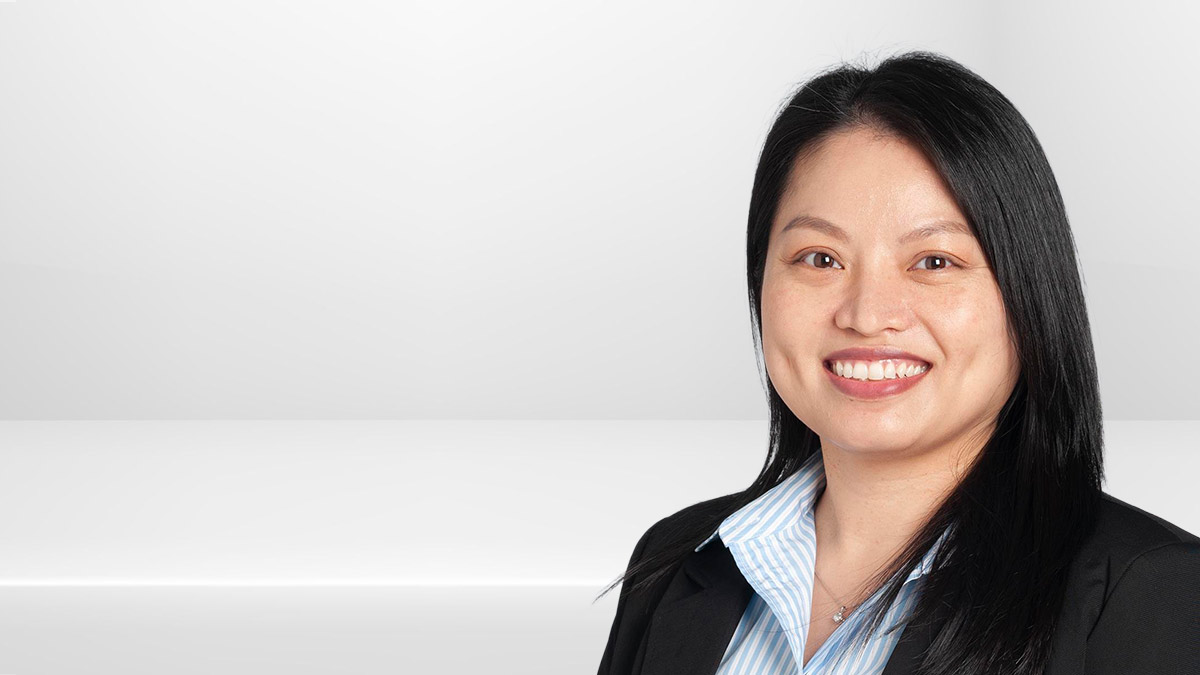
Thuy Nguyen, DAOM, LAc, Section Head of Acupuncture for the Wellness ad Preventive Medicine Department at Cleveland Clinic, joins the Cancer Advances podcast discuss how acupuncture is being integrated into cancer care. Listen as she explains the evidence behind using acupuncture for managing treatment-related symptoms, how acupuncture works biologically, key safety considerations and when oncologists should consider referral as part of an integrative oncology approach.
Advertisement
Cleveland Clinic is a non-profit academic medical center. Advertising on our site helps support our mission. We do not endorse non-Cleveland Clinic products or services. Policy
Recent Episodes
Personalizing Pediatric Cancer Care: The Promise of Precision Oncology
As molecular profiling advances, precision oncology is reshaping cancer care for children, adolescents and young adults. In this episode of…
From Evidence to Practice: How NCCN Defines the Standard of Cancer Care
What does it take to establish the standard of care in oncology? Matt Kalaycio, MD, Vice Chair of the Cleveland Clinic Cancer Institute and…
Redefining Resectability in Advanced Rectal Cancer
What happens when a cancer is deemed unresectable? In this episode, Dr. Haniee Chung discusses how multidisciplinary care is expanding treat…
Video content: This video is available to watch online.
View video online (https://cdnapisec.kaltura.com/p/2207941/sp/220794100/playManifest/entryId/1_7lmjm3z2/flavorId/1_5f3sgelj/format/url/protocol/https/a.mp4)
Transcript
Dale Shepard, MD, PhD:
Cancer Advances, a Cleveland Clinic podcast for medical professionals, exploring the latest innovative research and clinical advances in the field of oncology. Thank you for joining us for another episode of Cancer Advances. I'm your host, Dr. Dale Shepard, a Medical Oncologist and Co-Director of the Sarcoma Program at Cleveland Clinic. Today, I'm happy to be joined by Dr. Thuy Nguyen, Acupuncture Section Head for the Wellness and Preventive Medicine Department. She's here today to talk about acupuncture in patients with cancer. She's here today to talk about acupuncture in patients with cancer. So welcome.
Advertisement
Cleveland Clinic is a non-profit academic medical center. Advertising on our site helps support our mission. We do not endorse non-Cleveland Clinic products or services. Policy
Thuy Nguyen, DAOM, LAc:
Thank you for having me.
Dale Shepard, MD, PhD:
So, give us a little bit of an idea of what you do here at Cleveland Clinic.
Thuy Nguyen, DAOM, LAc:
So, as you mentioned, I am the acupuncture section head in the Wellness and Preventive Medicine Department. So I was given the opportunity to support patients at Taussig Cancer Center. I work closely with oncologists and the nurses to help pretty much manage treatment-related symptoms and guide patients through the physical and emotional challenges of cancer care. Now, in addition to working in the oncology, I also treat patients in our outpatient setting for other wide range of conditions. Now, beyond my clinical role, I do work with a team of seven highly skilled acupuncturists who also serve patients throughout the Greater Cleveland area. So besides my team and I also teach medical students and mentor residents, which will allow pretty much us to bridge both Eastern and Western perspective to pretty much support the patient as a whole. So that's what I do.
Dale Shepard, MD, PhD:
Excellent. So we're going to talk specifically about our cancer patients and the role of acupuncture. And of course, acupuncture has been around very really long time. Give us a little bit of idea how historically it's been utilized in oncology.
Advertisement
Thuy Nguyen, DAOM, LAc:
So, as you already know, acupuncture has been around for centuries. But when it comes to oncology today, it plays a very, I would say, a very specific and supportive role. I wanted to make it clear that it's not to cure cancer and it's not to replace the standard treatment that the patients are undergoing. But what it does is it offers more of a safe, evidence, like informed treatment so that we can actually help manage patient's symptoms and come from either the cancer itself or from the therapies that they're actually undergoing. I mean, I see meaningful improvements in symptoms like pain. You'll see it in nausea and vomiting, patients that has xerostomia, hot flashes, fatigue and insomnia, which all can be affected in the patient's quality of life. So , if we're able to reduce these symptoms with acupuncture and helps patients stay more comfortable, it can help them become more engaged in the treatment plan that they're undergoing.
Now, if we talk about more of an integrative oncology approach setting, acupuncture really works best as part of a team. It gives patients more of a non-pharmacologic option to help ease what they're going through, especially we don't want to add more side effects to the patients that they're already having, also, the medications that they have to manage already with all the medications that they're taking. So what I'm actually seeing is more cancer centers are now including more supportive care services. And what it is, is to complement, I would say, complement the oncologists, what they're already doing to give patients pretty much another tool to help them feel in control and function better while they're going through this challenging time.
Dale Shepard, MD, PhD:
So, a lot of different people might be listening in. You mentioned integrative oncology. Give us a little bit of an idea what that's all about and what that really encompasses.
Thuy Nguyen, DAOM, LAc:
So integrative oncology is more like I do acupuncture. It's another modality that can be integrated into oncology, another tool that oncologists can use to support the patients that's going through. We're here to provide patients [with] an option to say, "Okay, I have lots of side effects. I can't do the medications that you give me. Is there any other integrative approach that you can give me?" And that's where acupuncture can come in. Because like I mentioned earlier, acupuncture, it doesn't give them more medications to manage, it's to help them. And also the side effects of acupuncture is very minimal. And it's also a way to support oncologists and say, "Hey, if the medications that patients are taking is not helping, we're here to support you." So it's another way to work, being part of a supportive team. That's what it is. It's not about, "Hey, take an alternative route." No, we're not an alternative. We're integrating into your service and letting you know that we're here to support the oncologist.
Dale Shepard, MD, PhD:
So quite honestly, a lot of the meds we use for symptom control, we kind of know how they work. We don't necessarily know completely how they work. What do we know biologically about how acupuncture works?
Advertisement
Thuy Nguyen, DAOM, LAc:
Well, when you talk about acupuncture, you have to understand that it works through neuromodulation. So , when a needle is actually stimulated into a certain acupuncture point, it influences how the nervous system actually processes pain or other signals. So , for example, when we trigger the release of neuropeptides like endorphins, serotonins, dopamines, which helps with the pain and improved mood, but acupuncture also can have an anti-inflammatory effect too as well. It can ease tissue irritation, helps with supporting recovery, and it also can regulate the autonomic nervous system where it can help balance stress response and also promote relaxation. Also, recently, there was an imaging research done by a study by Hong and his colleague where they used a functional MRI and it shows measurable changes in the brain activity when acupuncture points were actually stimulated. So they found that there was the activation in multiple regions of the brain, which actually involved with pain modulation and also deal with the emotional regulation. So this further explains why it helps patient often that feel both... When they have both physical, emotional relief after the acupuncture treatment.
Advertisement
Dale Shepard, MD, PhD:
It seems like you, in many ways, have tough position because I'm going to guess that most patients that are referred to you have already tried the traditional methods, and so the pharmacologic ways to treat these symptoms. So in many ways, you may be getting the worst case scenarios here. And so how do you think that plays into success and patient expectations?
Thuy Nguyen, DAOM, LAc:
Well, when a patient come in to see us for acupuncture for the symptoms that they're experiencing through treatment, a lot of times I try to educate the patient and let them understand that what acupuncture is all about. And of course, for patients that know nothing about acupuncture, educating them a little bit more and let them understand what kind of expectation they're expecting is very important. Because the side effects that the patient experience a lot of times can be severe, and of course we try to give them a realistic outcome. We want to let them know that, "Hey, this is what acupuncture. There's a lot of evidence-based research that have shown acupuncture to be helpful. For example, chemo-induced nausea and vomiting. So with that being said, I would try my best to help you with the symptoms or side effects that you're experiencing." We never give them, I say, "Oh, I would definitely go and help you with these side effects." No, but we want them to be realistic that, "There's research done on this acupuncture for chemo-induced nausea, vomiting, and we'll do our best to help you."
Advertisement
So it's more about letting them know realization of what they're going to be expecting. Some will know, it's just like any medication, some will respond well and some will not. Acupuncture is the same way. Some patients will respond to it and some maybe not. So then we'll have to find another modality for them.
Dale Shepard, MD, PhD:
And we think about success rates, I mean, most people that are coming to see you probably have already had medications that didn't work, so not surprising, acupuncture may not work. How often do we see patients that respond versus not respond? Just broad base, how often does it work?
Thuy Nguyen, DAOM, LAc:
If I have to gauge, because the treatment that I've done on patients with chemo-induced nausea, vomiting, for example, I would say 80% notice improvement. The reason why is, especially if I come back and see them for a follow-up, I'm talking about when I'm in the infusion area. So when I come back and ask them how they feel after the first initial treatment, they will definitely tell me, "Oh, I noticed that I didn't have the nausea, vomiting for about three, four, or five days." And then that's why I noticed that it actually did help them. But of course, some of the time they will say, "I wish I can bring this needle home with me," which of course you cannot do that at all. But of course, that just confirms that clinically, acupuncture does help with their side effects of chemo-induced nausea, vomiting, for example.
I would say that pretty confident with what I've seen so far, with all those done with evidence-based research, for example, for pain, nausea, vomiting, fatigue, xerostomia, dysgeusia, those are things that have been shown to be helpful. So with that, I'm confident to provide that service to the patient with those side effects.
Dale Shepard, MD, PhD:
So you mentioned something about patients say, "Oh, I wish I could take the needle home," which raises the question, how often do people need treated? I mean, oftentimes people are taking pills multiple times a day, so certainly acupuncture is not something that's going to be so frequent. They may want it, but how often do most people get acupuncture?
Thuy Nguyen, DAOM, LAc:
Well, for patients that are in the infusion suite, of course, if they can get acupuncture while they're receiving treatment, that's ideal. I always tell patients that if you're able to get acupuncture treatment with your chemo treatment, then it's best because at the same time, we are actually trying to prevent and control the symptoms of the drugs, the side effects from the chemotherapy that they're undergoing. But of course, it doesn't happen that way. So that's when I usually tell patients that if you can, then of course you can do acupuncture outpatient. And that can be a whole different story because when the infusion area, the treatments offer for the patient at no cost to the patient. But if they go outpatient, it can be difficult because now some insurance do pay and some insurance do not pay. So it becomes difficult doing outpatient too as well.
I would say that it's better to do something than not right? And to give them some relief, than no relief. That's how I see it. And if you can give them immediate relief where they improve some moment of their time where they can function and do the things that they enjoy doing, that will be best. So for example, I had a patient that wanted to dance over the weekend and he have so much pain in his joints from the treatment. All I can do is try my best to give you some relief so you can do the things that you want to do, which is dance over the weekend, and which I saw him again on Monday, and he told me that he had a blast. He was dancing with three womans at one time.
So that just tells me that at least it gave him some relief where he can actually do something normal for himself, right. So just those little things, a little moment for something that they enjoy doing would bring a lot of light in their life. And then at the same time, it makes them feel like, "Okay, I can continue with this treatment that I'm going with what I'm going on right now." So the treatment plans, I would say it's very difficult. As long as they can get the treatment while they're receiving the treatment, I would think that's ideal. However, what I can say is we do our best.
Dale Shepard, MD, PhD:
So ideally in an infusion, so just from a location standpoint, during their infusions, maybe as an outpatient, are we doing any acupuncture as an inpatient?
Thuy Nguyen, DAOM, LAc:
Not inpatient right now. It's only in the infusion suite area only.
Dale Shepard, MD, PhD:
You listed a number of symptoms that people might be having that would lead to acupuncture, pain, nausea, vomiting, hot flashes, things like that. Are there some symptoms that are more responsive to acupuncture than others?
Thuy Nguyen, DAOM, LAc:
I would say that based on the ASCO, chemo-induced nausea, vomiting is highly researched on, and I would say that that's something that acupuncture, that would be very beneficial for. But in general, any type of treatment-related symptoms, they can get acupuncture done. So if they have pain, they have fatigue or they have some side effects from radiation like xerostomia or dysgeusia, or even from hormone therapy like joint pain or insomnia, they can still get acupuncture done. So I wouldn't say that it's only limited to just to one symptom only. I would say that because there's research behind all these symptoms that I just mentioned, then I would say at least give acupuncture a try.
Dale Shepard, MD, PhD:
And you mentioned the guidelines. Maybe reiterate that this is part of ASCO guidelines.
Thuy Nguyen, DAOM, LAc:
ASCO do have a guideline where they have done research on those chemo-induced nausea was part of their guidelines now where you can get acupuncture done for that. Pain was also another one too as well.
Dale Shepard, MD, PhD:
Most patients that come to you for acupuncture probably have had their traditional medications in the past not working well, they're looking for other solutions. Do most patients continue with their medications when they move to acupuncture or do they give those up in favor of the acupuncture?
Thuy Nguyen, DAOM, LAc:
With any medication, when patients want to discontinue any medication, I usually tell the patient to discuss that with their oncologist or with the provider that prescribed the medication to them. I do not tell them to discontinue any medication. Even my team members are aware of that too as well. With acupuncture, if the patient feel like they notice that their nausea improve, I'm just going to bring nausea up as one of them. If they notice their nausea is improving with acupuncture and they want to reduce the medication that they're taking, then that's something that they have to discuss with oncologists. I do not recommend patients just discontinue any medication without oncologists or their primary care provider being aware of this. We here, as I mentioned earlier, acupuncture is here to support, is not here to take over the standard of care that they're undergoing because the medication that they're on may be part of their standard of care, so we cannot just discontinue.
So I really stress that with patients that any medications that they want to discontinue, they have to reach out to their oncologist or their primary care provider.
Dale Shepard, MD, PhD:
What about considerations, patient concerns about low white blood cell count, being neutropenic, having low platelets, being on anticoagulation, how does that play into acupuncture?
Thuy Nguyen, DAOM, LAc:
Very good question. So actually, safety is always our first priority, especially when it comes to patients in the oncology area. When I'm personally treating patients who are actively undergoing treatment, I always look at their lab values. So things like platelets count or ANC or the INR. Before deciding what's appropriate, I really look at that. And there's a certain threshold where acupuncture is contraindicated, and if a patient is below those levels, then I hold the treatment off. For example, if the numbers are low and they're still within the safe range, then of course I can still modify the acupuncture treatment. Now for patients with low platelet count, for example, I'll avoid deep needling and I use more of a gentle, more superficial technique, I would say. Patients that's on anticoagulants and their INR are running a little high, then of course I use smaller needles. I'll keep the needles more of a shallow technique, so don't puncture too deeply. And of course, I'll avoid higher risk areas.
And then with neutropenia, of course, I'll be more careful to avoid any areas with the skin that is compromised. So you really want to follow a strict infection control practice with patients like that. My goal is always to make sure that we support the patient's safety first. And with the right precaution and good communication with the oncology team, acupuncture can be done pretty much very safely.
Dale Shepard, MD, PhD:
So it's really, really important that we do everything we can to improve quality of life for our patients and improve symptoms the best we can. And it seems like acupuncture is maybe an example of something we need more education for our oncology colleagues and well, me. How do we get the word out?
Thuy Nguyen, DAOM, LAc:
Are we talking about referral? Is that what it is?
Dale Shepard, MD, PhD:
Yeah. I guess there's two things. One would be how do we just educate people in general that this is an effective therapy that they should consider? And then how do we think about referring and who should be referred in?
Thuy Nguyen, DAOM, LAc:
Now, one thing is that to refer to acupuncture, if patients are dealing with these symptoms, like I mentioned earlier, pain, nausea, vomiting, then I would say refer to acupuncture. Now, those symptoms are like the pain, the nausea, vomiting are the most common symptoms I've seen that I've treated. But it's also, if you think about if a patient want more of an integrative approach or a non-pharmacologic approach, then of course this is another option for the patient too as well. And to be honest, if the oncologist is not sure whether acupuncture is right fit for them, I would say that we do have an integrative providers in our awareness and preventative medicine department who can actually evaluate the patient and help guide them towards the right modality. So the main idea is knowing acupuncture is available, is there and can help symptoms that patients are actually affecting their quality of life.
Dale Shepard, MD, PhD:
Fantastic. This has been very helpful to learn about things that we probably don't think about enough and we should be utilizing. So I appreciate your insights here today.
Thuy Nguyen, DAOM, LAc:
Thank you so much for your time.
Dale Shepard, MD, PhD:
To make a direct online referral to our Cancer Institute, complete our online cancer patient referral form by visiting clevelandclinic.org/cancerpatientreferrals. You will receive confirmation once the appointment is scheduled.
This concludes this episode of Cancer Advances. For more podcast episodes, visit our website, clevelandclinic.org/canceradvancespodcast. Subscribe on Apple Podcasts, Spotify, or wherever you listen to podcasts.
Thank you for listening. Please join us again soon.
Recent Episodes
Personalizing Pediatric Cancer Care: The Promise of Precision Oncology
As molecular profiling advances, precision oncology is reshaping cancer care for children, adolescents and young adults. In this episode of…
From Evidence to Practice: How NCCN Defines the Standard of Cancer Care
What does it take to establish the standard of care in oncology? Matt Kalaycio, MD, Vice Chair of the Cleveland Clinic Cancer Institute and…
Redefining Resectability in Advanced Rectal Cancer
What happens when a cancer is deemed unresectable? In this episode, Dr. Haniee Chung discusses how multidisciplinary care is expanding treat…
Never miss a moment - subscribe now.
Listen to the Health Essentials Podcast on your favorite streaming platform.
Other Podcasts You May Love
Beyond Leadership
Hosts Jim Pae and Elizabeth Pugel escort you through a network of thought leaders, sharing world-cla…
Beyond the Pages: CCJM Podcast
Beyond the Pages: CCJM Podcast takes the listener more in-depth into Cleveland Clinic Journal of Med…
Butts & Guts
A Cleveland Clinic podcast exploring your digestive and surgical health from end to end. You’ll lear…
Cardiac Consult
A Cleveland Clinic podcast exploring heart, vascular and thoracic topics of interest to healthcare p…