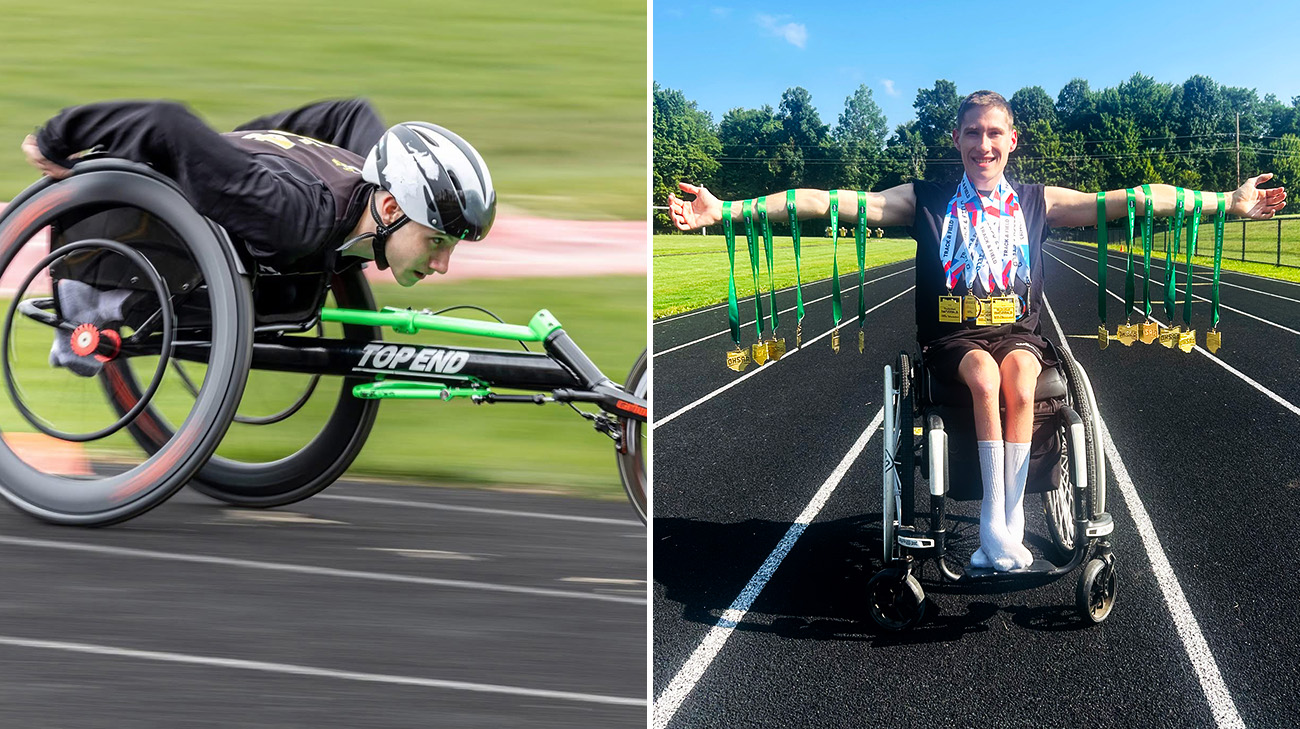
With record-breaking wins and multiple state titles under his belt, 18-year-old para athlete Conner Hunt is determined to prove anything is possible for people with disabilities.
"When someone says I can’t do something, I find a way to prove them wrong," says Conner of Freedom Township, Ohio.
Born with spina bifida, Conner began facing challenges head-on from a very young age. The congenital condition occurs when a fetus’s spine and spinal cord don’t close properly during early pregnancy, leaving a gap in the spine. This can lead to symptoms such as incontinence, loss of feeling and leg paralysis.
"I found out at 30 weeks' gestational age Conner had spina bifida, and we really didn't know what that entailed at first. But within 24 hours of him being born, he was having his first surgery to close the gap in his spine," says Conner's mom, Amanda Hunt.
Since spina bifida also disrupts fluid drainage, it often causes pressure to build up in the brain – a condition called hydrocephalus, which can damage brain tissue. Because of this, Conner underwent another major surgery at 2 months old, where doctors placed a small, flexible tube called a shunt to drain the extra fluid from his brain.
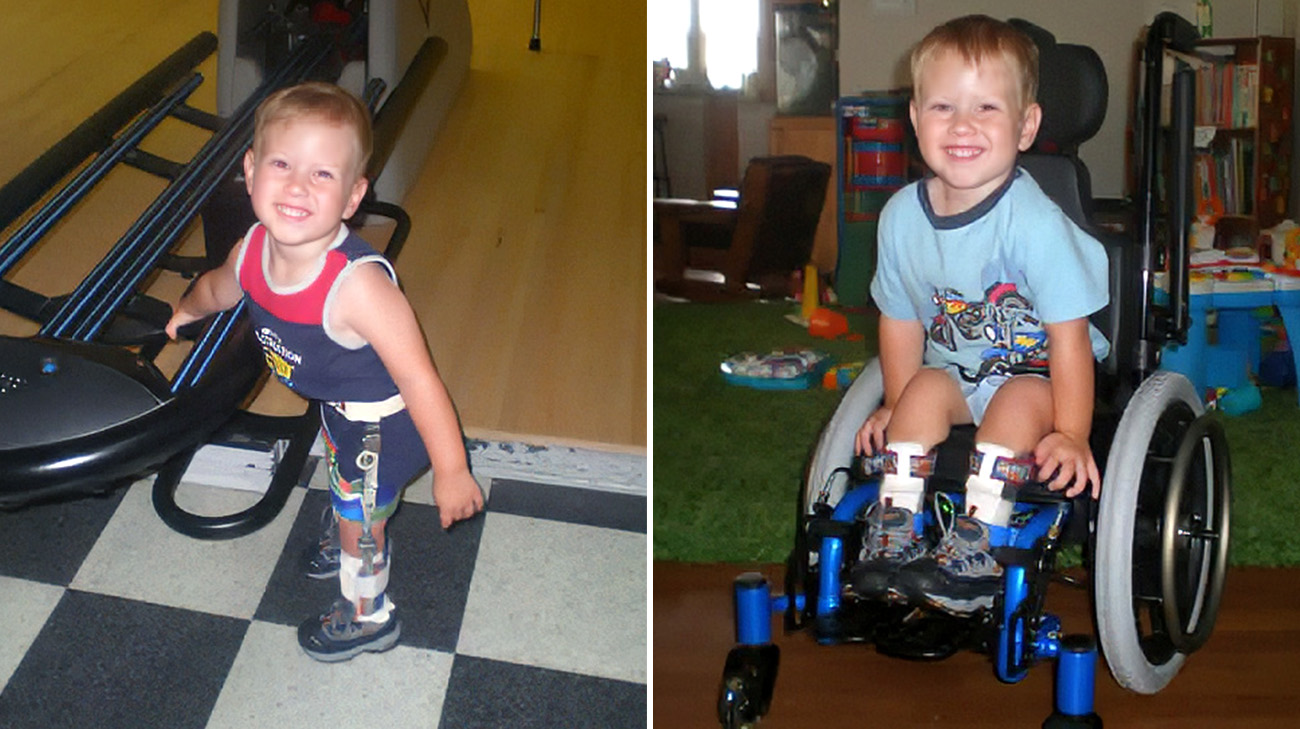
From neurology to orthopaedics, Conner’s care began at a very young age – undergoing dozens of surgeries throughout his childhood. (Courtesy: Amanda Hunt)
Conner had bilateral clubfoot as well, which means both his feet turned inward instead of pointing straight ahead. The condition would make it harder for him to stand and walk, so he underwent surgeries to help correct it.
"After about 40 surgeries, we lost count of how many he's had exactly," says Amanda.
Another challenge for some patients with spina bifida is incontinence, as the condition can affect the nerves that control the bladder and bowels. To help manage this, Conner had a cecostomy. Doctors placed a small tube in his belly that connects to his colon. This allows him to independently flush his bowels and avoid constipation or accidents. Then, in 2020, he underwent another procedure to address his bladder.
“From a urology standpoint, his bladder ultimately was not large enough to store urine adequately. This can lead to frequent accidents, trouble emptying the bladder and even risks to kidney function if not treated," says Cleveland Clinic Children's pediatric urologist Lynn Woo, MD.
In response, Dr. Woo performed a bladder augmentation to enlarge his bladder. She also created a channel to his belly button so he could drain urine easily using a small tube – ensuring his bladder empties properly.
"These procedures have allowed him to be more independent and enjoy the things he loves to do," says Dr. Woo.
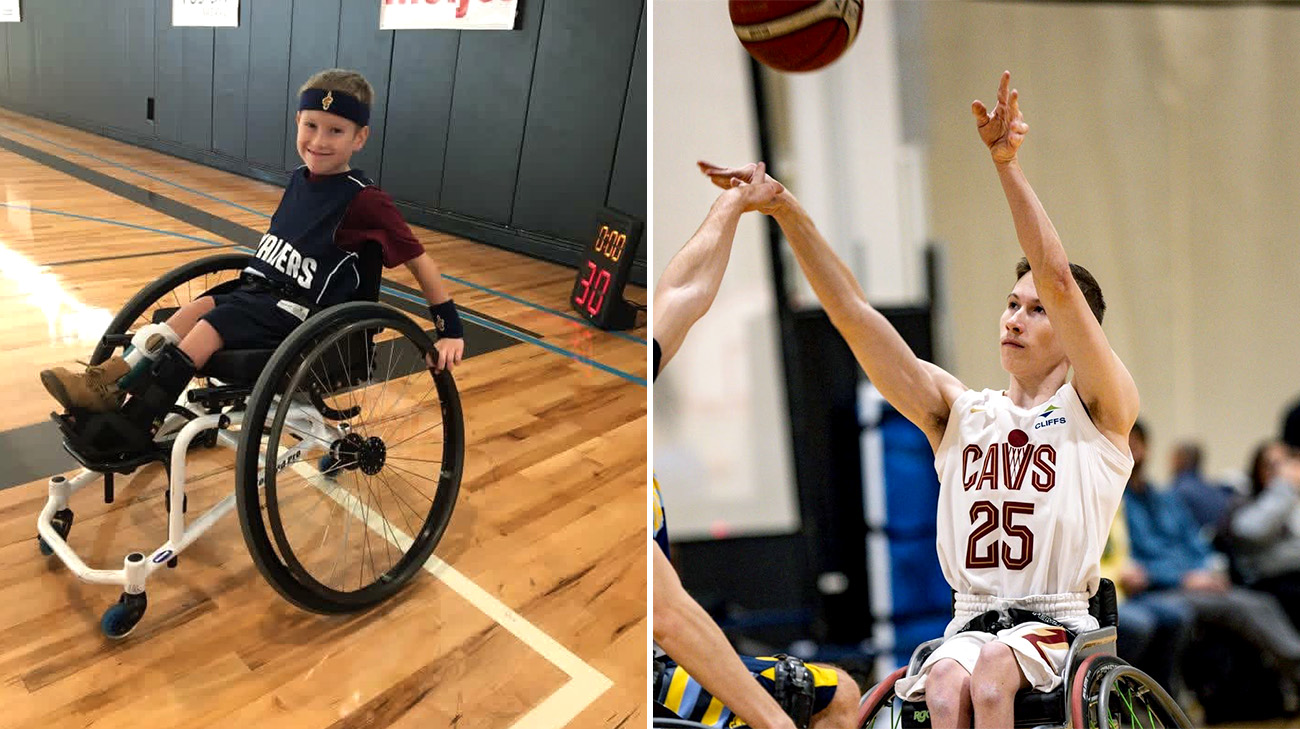
Conner playing for the Cleveland Wheelchair Cavaliers. (Courtesy: Amanda Hunt/left and Ph3 Photo and Video/right)
Throughout his health journey, Conner kept pushing forward and didn't let anything hold him back. In 2nd grade, he joined the National Wheelchair Basketball Association and ultimately played for the Cleveland Wheelchair Cavaliers and Cincinnati Dragons. By 7th grade, he took up track and went on to become a record-breaking para athlete, clinching 12 state championships and four national titles for seated races. With his high school career behind him, he'll now continue track at the University of Cincinnati.
"I'm excited for new experiences and eager to see what the future holds," says Conner.
Conner and Amanda are both thankful for his care team, which has included Dr. Woo and pediatric surgeon Anthony DeRoss, MD.
"The care overall has been phenomenal. The team really listens to Conner and works with him to try to get the results he wants," says Amanda.
"We tailor treatment to each patient because spina bifida affects everyone differently, and every journey is unique," says Dr. Woo. "We bring a multidisciplinary team of specialists together, so families get the support they need from the start."
With advancements in spina bifida treatment, including in utero surgery to repair it, Dr. Woo says the focus has moved from just extending survival to improving quality of life.
"Spina bifida shouldn’t define or hold any child back from achieving their full potential. We believe every child can grow, thrive and lead a fulfilling life with the right care team and support," says Dr. Woo.
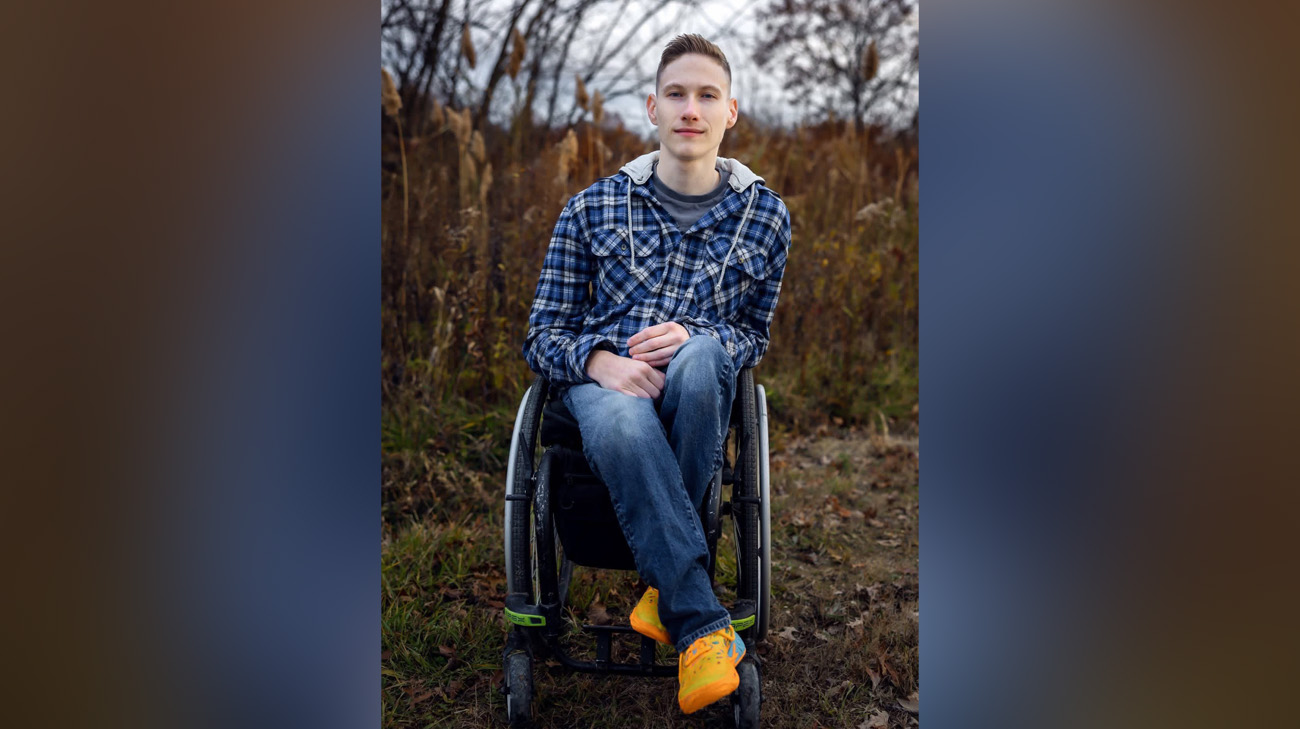
Going into his freshman year of college, Conner will continue track at the University of Cincinnati. (Courtesy: Nikki P Photography)
Along with Dr. Woo, Amanda and Conner hope sharing his story will inspire others to push beyond what they think is possible.
"We've never treated him any different from our other boys. We've just focused on listening to Conner and getting him all the tools he needs so he can choose what he wants to do in life," says Amanda.
“If someone says something isn’t possible, try to dig deeper and see if you can find a way to make it happen. Keep pushing toward your goals and what matters most to you – no matter what," says Conner.
Related Institutes: Cleveland Clinic Children'sPatient Stories

Record-Breaking Para Athlete With Spina Bifida Inspires Others To Push Beyond Limits
Aug 17, 2026

A Devastating Knee Injury Wasn’t the End to a Young Man’s Story
Aug 12, 2026