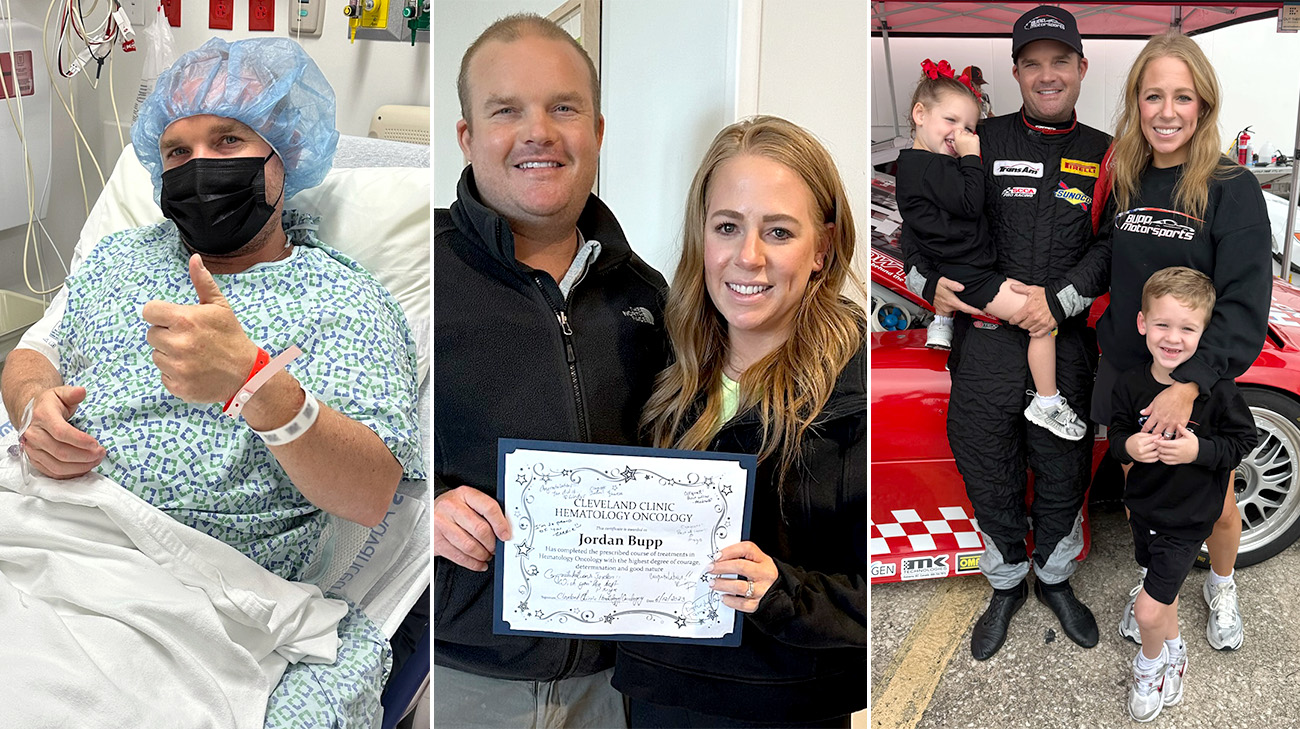
From driving race cars to undergoing dialysis, a diagnosis of kidney failure at 26 years old was a detour Jordan Bupp never saw coming.
“The doctors told me I was in full renal failure, and if I had waited another 24 hours, it probably would’ve killed me,” says Jordan, the now 38 year old of Fort Lauderdale, Florida.
In 2013, symptoms of fatigue and nausea eventually drove Jordan to the hospital, where he required emergency dialysis to save his life. Doctors believe Jordan’s kidney failure was likely caused by untreated high blood pressure during childhood. They also discovered one of his kidneys was smaller than normal and may not have developed properly.
“All this came as a shock,” says Jordan. “I dropped 20 pounds within the first couple dialysis treatments,” as the process removed excess fluid from his body that his kidneys could no longer clear.
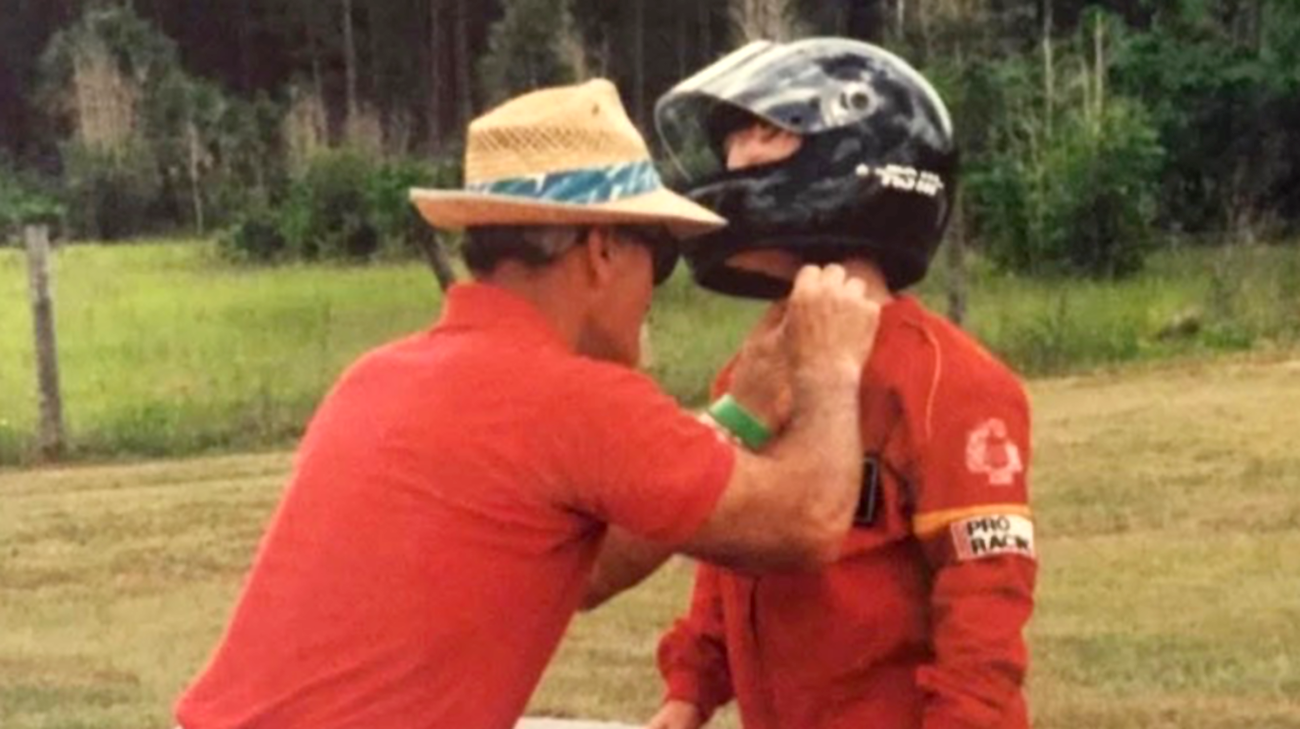
At 6 years old, Jordan started racing go-karts and hasn’t stopped racing since. (Courtesy: Jordan Bupp)
Once doctors stabilized Jordan’s condition, it became apparent he would need a kidney transplant. Until then, ongoing dialysis was the only way to keep him healthy enough for surgery, sending him to a dialysis center several times a week and changing his daily life completely.
“Around this time, I was just about to start the next level of my racing career, but all that was put on pause because of the kidney failure. It was a devastating time,” says Jordan.
He eventually switched to a form of dialysis he could do at home, but that came with its own challenges – requiring about 12 hours of overnight treatment each night. At this point, Jordan’s options to continue his passion for racing were limited.
“Any race I did had to be within a driving distance because I couldn’t fly with the dialysis machine and everything that came along with it. And during the races I could compete in, I would be doing dialysis in my hotel room in between sessions,” says Jordan.
Eager to find the right transplant team and be able to stop dialysis, Jordan ultimately came to Cleveland Clinic Weston Hospital following a recommendation from a family friend.
“The minute we walked in the door at Cleveland Clinic, I just had this sense of calm and peace that everything was going to be OK,” says Jordan. As part of his care team, he had a fellow race car driver by his side: interventional radiologist Kevin Stadtlander, MD.
“I actually knew him before I knew he was a doctor through the racing scene. When I was at Cleveland Clinic for an appointment one day, I heard someone watching a race replay – it was Dr. Stadtlander. From that point on, he was right by my side the whole time,” says Jordan.
With a trusted care team established, Jordan still faced the wait for a donor kidney. During this time, Jordan says he felt stuck as others in his friend group were getting married and starting the next chapters of their lives.
“At one point, I remember telling my family I didn’t know how much longer I could take dialysis. But just a couple weeks later, I got the call a kidney was available,” says Jordan.
In 2016, Jordan underwent a successful kidney transplant. From here, he was able to race without restrictions, got married to the love of his life and became a father.
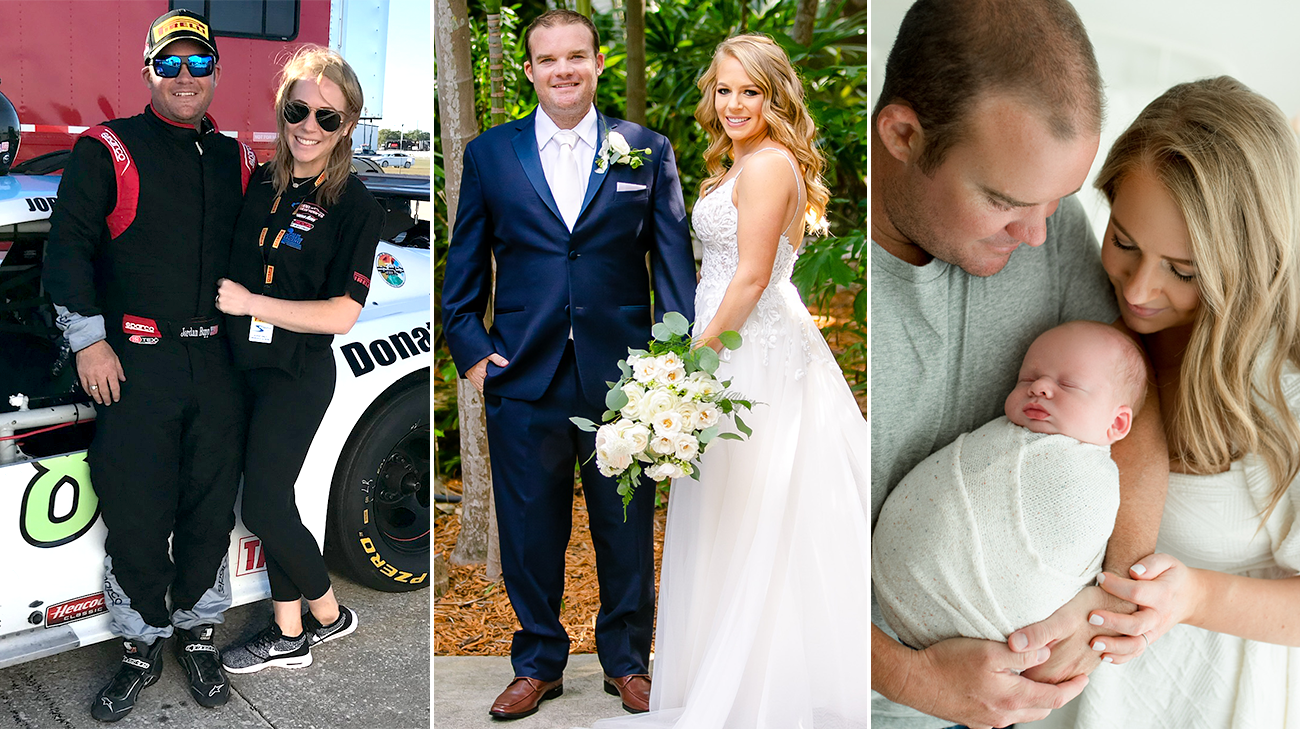
As his health improved after the kidney transplant, Jordan began reaching the milestones he had been striving for before he got sick. (Courtesy: Jordan Bupp)
“The day we took the dialysis catheter out was a big deal because that meant the transplanted kidney was working well, and he was now free from having dialysis,” says Dr. Stadtlander.
“After the transplant, I had a new lease on life. It was a fresh start, and I felt like I was 20 again,” says Jordan.
But six years after his transplant, Jordan faced another roadblock. It was Thanksgiving 2022 when he noticed a lump under his arm.
“I thought it was a swollen lymph node at first, but a few weeks later, it grew to a point where it was hard to lower my arm,” says Jordan.
Further testing revealed Jordan developed what’s called a post-transplant lymphoproliferative disorder (PTLD), which is a rare but potentially serious complication of organ transplant.
“After a transplant, patients take immunosuppression drugs to prevent the body from rejecting the donated organ. While these drugs are necessary, they can weaken part of the immune system, especially T cells, which can give viruses such as Epstein-Barr virus an opportunity to reactivate. This may trigger the rapid growth of lymphocytes, a type of white blood cell that helps the body fight infection, and some of those cells can become cancerous, leading to PTLD,” says hematologist-oncologist Chakra Chaulagain, MD, who adds that while this is a rare complication, people should be aware of it.
There are four main types of PTLD, some more severe than others. Jordan had a more aggressive form that caused him to develop lymphoma, a type of cancer that affects the lymphatic system.
“Some forms of PTLD are less aggressive and slower growing. In these cases, simply reducing or temporarily withdrawing immunosuppression medications may be enough. But for more aggressive cases like Jordan’s, immunotherapy and chemotherapy are required,” says Dr. Chaulagain.
“With a plan in place, we needed to place a port in Jordan’s chest so he could receive treatment. He asked me if it would interfere with the safety gear he needs to wear in the race car, and because I knew exactly what he meant, we were able to place it in a way that supported his plan to return to the track,” says Dr. Stadtlander.
The chemotherapy worked to target and kill cancer cells, while the immunotherapy helped his body’s own immune system recognize and fight them. Along with undergoing treatment and keeping up with other responsibilities, Jordan was now the father of two young children.
“We would come home from treatment, and he still was the best dad – playing with the kids, doing bath time and bedtime. They were so unaware that anything was wrong,” says Jordan’s wife, Jordan.
After multiple rounds of treatment over nearly four months, Jordan celebrated his final infusion in June 2023. Scans shortly after showed no signs of cancer remaining, and he didn’t waste any time getting back in the driver’s seat.
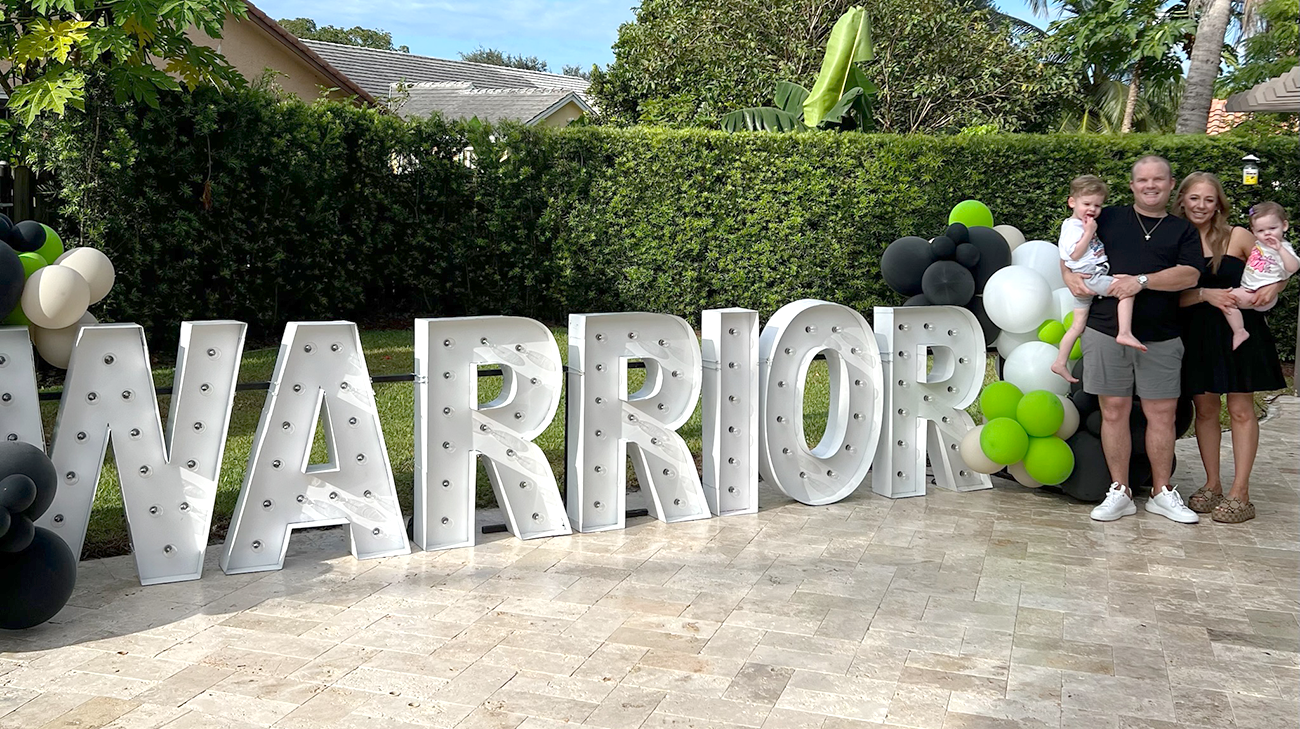
Jordan and his family celebrated the end of his cancer treatment and looked forward to getting back on track with racing. (Courtesy: Jordan Bupp)
“Since the plan from the start was not only to treat my cancer, but also to get me back on the track, I was racing in downtown Nashville just a couple months after I completed treatment. I ended up finishing top six – it was an incredible, surreal experience,” says Jordan.
As for his ongoing care, Jordan has regular follow-ups to make sure he remains in remission from the lymphoma and his kidney function stays strong.
“I'm in the best shape of my life now, and it's like nothing ever happened. I’m grateful for the team at Cleveland Clinic, my organ donor and my wife, who’s kept everything glued together. I’m very fortunate to have her by my side, and she’s helped motivate me to get back to everything,” says Jordan.
Jordan’s wife adds, “Throughout all this, he never once said, ‘Why me?’ He just said, ‘How is this going to help someone?’”
The father of two, his family and his care team hope sharing this story can inspire others to keep going – whether they’re facing a difficult medical diagnosis or another challenge in life.
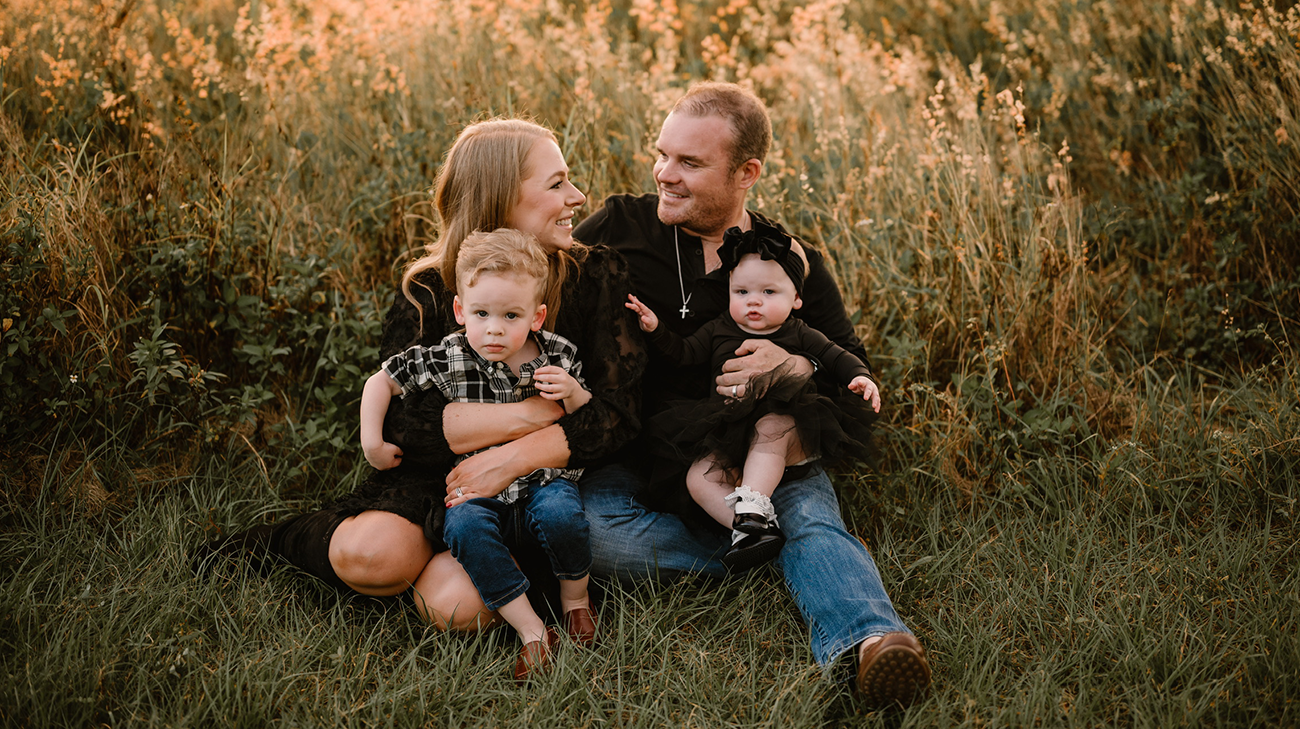
Jordan now looks forward to creating more memories with his family and reaching new milestones in his racing career. (Courtesy: Megan Fernandez)
“Here’s someone who went through a kidney transplant, was in the prime of his life and then got a cancer diagnosis. Now, he’s in remission and back to pursuing his racing goals. The message here is to never give up and keep pushing forward,” says Dr. Stadtlander.
“There's a reason all this happened, and if sharing my story helps just one person, it makes the difficult journey I went through all worth it. Staying positive kept me going throughout all this. I’m as good today as I've ever been, and I’m racing even bigger series,” says Jordan.
Related Institutes: Glickman Urological & Kidney InstitutePatient Stories
Cleveland Clinic Team Helps Florida Patient Breathe Easier After Complex Lung Surgery
Oct 21, 2026
Teen Athlete Returns to Sports After Two Head Injuries Trigger Yearlong Headache
Oct 19, 2026