From exploring Europe with his wife to watching his favorite basketball team win a championship, Sam Prewitt says the best moments of his life have all come after the heart attack he had at just 29 years old. He now views that experience as his second chance at life and a learning opportunity for others.
“Moving forward, I have to protect my heart to be here for my loved ones and create even more memories. I want to encourage others to do the same because you don't know what you'll miss out on,” says the now 39 year old of Cleveland, Ohio.
Looking back, Sam says his health journey really began in 1999. In eighth grade, routine testing, prompted by a family history of heart issues, revealed he had high cholesterol. At that age, he didn’t fully understand what genetically high cholesterol could mean for his future. For years, he viewed it as something he wouldn’t have to worry about until well into adulthood. It wasn’t something he could see or feel, and even a later warning from a doctor didn’t feel urgent at the time.

Sam enjoys exploring new places with his forever partner, Alexis. (Courtesy: Sam Prewitt)
“At 26, my cholesterol was so high I had a doctor tell me I wouldn't live to see 30 if I didn’t make changes. But I still didn’t think much of it because I was young and very active,” says Sam, who was running and playing pickup basketball and flag football.
He made adjustments to his diet, but it wasn’t enough. A few years later, in May 2015, a run with friends changed his life forever.
“As we were running, I started noticing something was wrong. I couldn’t catch my breath, and I felt like I’d just run a marathon even though I hadn’t,” says Sam.
With it being Memorial Day weekend, Sam assumed he was tired from the night before. But once he got down on the ground to take a break, a nurse running with the group noticed him and checked his pulse – it was dangerously low. Paramedics ultimately took him to the hospital to get examined.
“I thought this was all just an extreme precaution, and as I was waiting for the test results, I remember asking the doctor when I could leave. I’ll never forget – the doctor then turned to me and said, ‘You just had a massive heart attack. You're not going anywhere,’” says Sam.
Test results showed Sam had a heart attack caused by a 95% blockage in his right coronary artery. He says the doctors told him his active lifestyle helped him survive. Sam then had a stent put in to address the blockage and underwent cardiac rehab. From there, he knew he had to take his high cholesterol seriously.
Growing up, Sam recalls doctors saying something called familial hypercholesterolemia (FH) was to blame for his high cholesterol. However, he says the name really didn’t stick with him until he came to Cleveland Clinic. FH is a genetic disorder that gives a person very high levels of low-density lipoprotein (LDL) cholesterol. LDL is the “bad” cholesterol that can lead to cholesterol plaque buildup in arteries. This can eventually cause heart attacks, strokes or peripheral artery disease.

An avid biker and runner, Sam says hearing he had a heart attack at 29 came as a shock. (Courtesy: Sam Prewitt)
“In patients with familial hypercholesterolemia, the liver can’t efficiently clear LDL cholesterol, allowing it to build up in arteries throughout the body. In Sam’s case, that buildup occurred in the coronary arteries, leading to a blockage and plaque rupture,” says Cleveland Clinic preventive cardiologist Luke Laffin, MD.
Sam hoped to manage his cholesterol through lifestyle changes alone, but Dr. Laffin explains that’s often not enough for patients with familial hypercholesterolemia.
“While diet and physical activity play a key role in heart health, patients with familial hypercholesterolemia typically require medication in addition to lifestyle changes to adequately reduce cholesterol levels. It's really about marrying the medication with the heart-healthy lifestyle,” says Dr. Laffin.
“The fact of the matter is you need a lot of help to be able to control your cholesterol living with this genetic disease, and my care team made me confident in my health treatment plan. It was really the first time I felt a true sense of trust in the health care system. Before, I only went to the doctor when I was sick or had to, but now, I keep up with my preventive appointments to make sure everything looks good,” says Sam.
Since working with his care team at Cleveland Clinic, Sam has significantly lowered his cholesterol by pairing his healthy lifestyle changes with medications. Back in 2012, his LDL cholesterol measured 364 milligrams per deciliter. Today, it’s down to 61 milligrams per deciliter – well below the ideal target of less than 70 for individuals who have had a heart attack. By taking action to manage his condition, he’s reducing his risk of future heart problems.
“I like to call this breaking generational curses. There are things that may run in our families, but we don't talk about them. The curse is silence – we're not asking enough questions and being curious about certain things. But after I had my heart attack at 29, I thought, ‘This is where the cycle stops.’ I’m going to take this seriously, and I encourage others to do the same – ask those questions that need to be asked,” says Sam.
Dr. Laffin adds, “Knowing your family health history can be lifesaving, especially when it comes to the heart. These conditions are often easier to treat and manage when they’re caught early. Don’t be afraid to start conversations about health history with your family.”
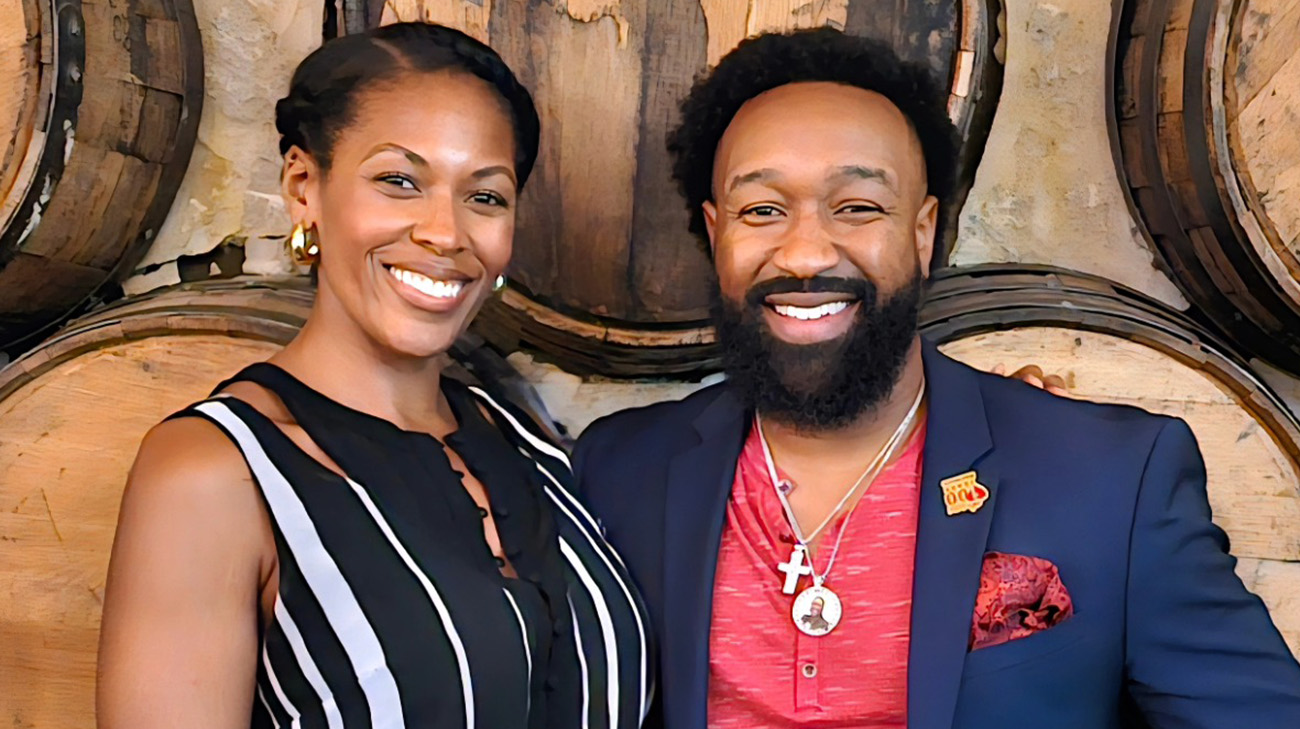
After surviving his heart attack, Sam says he’s grateful to be able to create new memories with his friends and family. (Courtesy: Sam Prewitt)
Moving forward, Sam is committed to keeping his cholesterol and overall health in check by staying on top of doctor visits, eating healthy and being active through early morning gym sessions and biking. He hopes sharing his story will inspire others to schedule their annual checkups and make small health changes today that can have a big impact down the road.
“You don't have to make extreme changes and feel defeated if you fail – everything's a process. You can still live your life and practice moderation without misery. And if you know you have something serious going on, you've got to go to the doctor. Make sure you do what you can to stick around for as long as possible not only for yourself, but for your family as well. I call this being heart strong, which means to protect your heart and everything in it,” says Sam.
Related Institutes: Heart, Vascular & Thoracic Institute (Miller Family)Patient Stories
After Breast Cancer Spread to Her Brain, Young Mother Finds Path to Second Child
May 8, 2026
Detecting the Invisible: A Life Saving Aortic Repair
May 5, 2026