When Lisa Adarve Schweikert heads to another medical appointment with her daughter, Lucia Adarve, she brings with her an ever‑growing document—one she has carefully compiled over the course of 19 years.
Lucia’s health challenges began shortly after a traumatic birth complicated by hypotonia, a condition that can cause low muscle tone and, in her case, resulted in a broken bone. She scored low on her Apgar newborn screening and, as the months passed, failed to meet expected developmental milestones.
As Lucia grew, the medical questions multiplied. She experienced frequent, unpredictable episodes that caused sudden collapses, concussions and repeated trips to the emergency department. Over the years, she underwent countless imaging studies, blood tests and medical consultations, each attempting to explain symptoms that never quite added up. As medical answers remained elusive and educational challenges mounted, Lisa made the decision to homeschool Lucia.
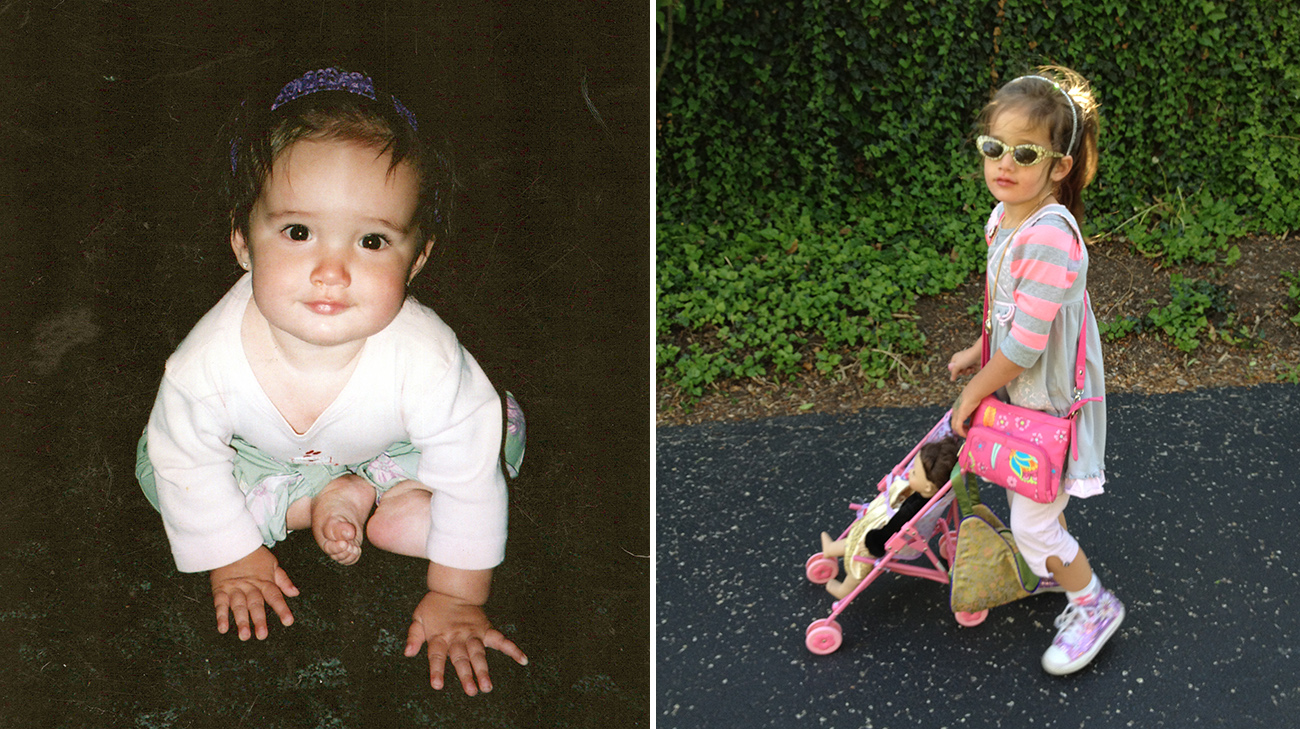 Lucia had challenges making milestones crawling and walking. (Courtesy: Lisa Adarve Schweikert)
Complicating matters further was a boating incident when Lucia was 5 years old, she and her siblings required hyperbaric oxygen therapy after carbon monoxide exposure.
At various points, Lucia was diagnosed with conditions including vasculitis, blood sugar reactions, fructose intolerance, fibromyalgia, ADHD, learning disorders such as dyslexia, dysgraphia, and dyscalculia, lupus, acid reflux, and neurocardiogenic syncope—each an attempt to explain a condition that has long defied easy understanding.
“I listed everything because nothing made sense,” Lisa says. “Lucia wasn’t getting better, and we didn’t have answers. So, we kept going, hoping the next doctor would finally make sense of it all.”
That turning point came nearly 20 years later, when Lisa and Lucia connected with Adnan Alsadah, MD, a geneticist at Cleveland Clinic’s Genomic Medicine Institute and director of the Undiagnosed Disease Clinic, and Curtis Weaver, a genetic counselor dedicated to helping patients with an undiagnosed disease.
After reviewing Lucia’s extensive medical history, Dr. Alsadah recommended whole‑genome sequencing—a comprehensive analysis of more than 20,000 genes designed to identify rare or previously undiagnosed conditions.
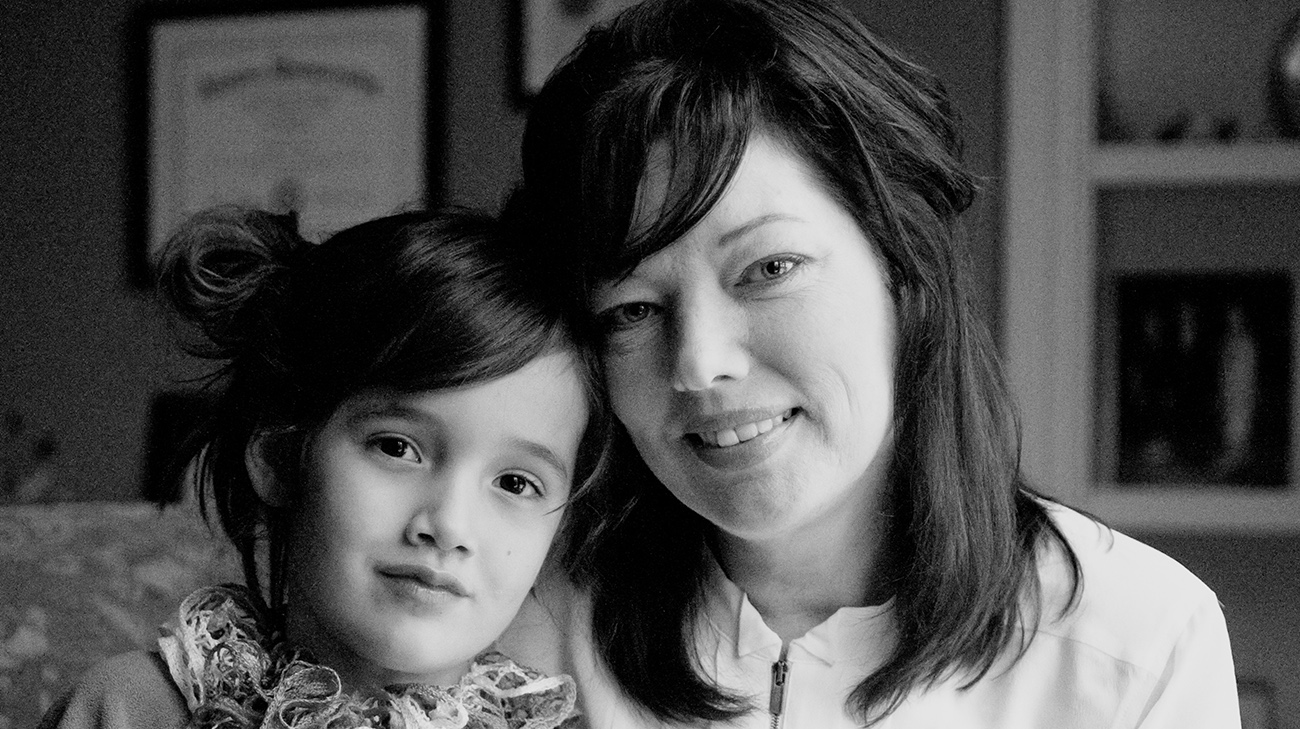
Lucia's mother, Lisa, has been her biggest supporter and advocate throughout Lucia's health journey. (Courtesy: Lisa Adarve Schweikert)
“Whole-genome sequencing is the most comprehensive genetic test available. Because it examines such a wide range of information, we discuss the process carefully with patients and families before moving forward,” Curtis says. “The patient’s sample and medical history are then sent to a specialized laboratory, where experts analyze the data for genetic variants that may explain some—or all—of the patient’s symptoms.”
Four weeks later, the family received the long‑awaited answer. Lucia was diagnosed with Jordan’s syndrome, a rare neurodevelopmental disorder caused by mutations in the PPP2R5D gene. Fewer than 500 people worldwide are known to have the condition.
The diagnosis provided a foundation for more targeted care and a clearer plan to help manage Lucia’s seizures, learning challenges and other long‑standing health issues.
“We were able to give Lucia and her family a unifying explanation for years of symptoms,” Dr. Alsadah says. “That clarity not only helps guide medical management, it also lifts an enormous emotional burden.”
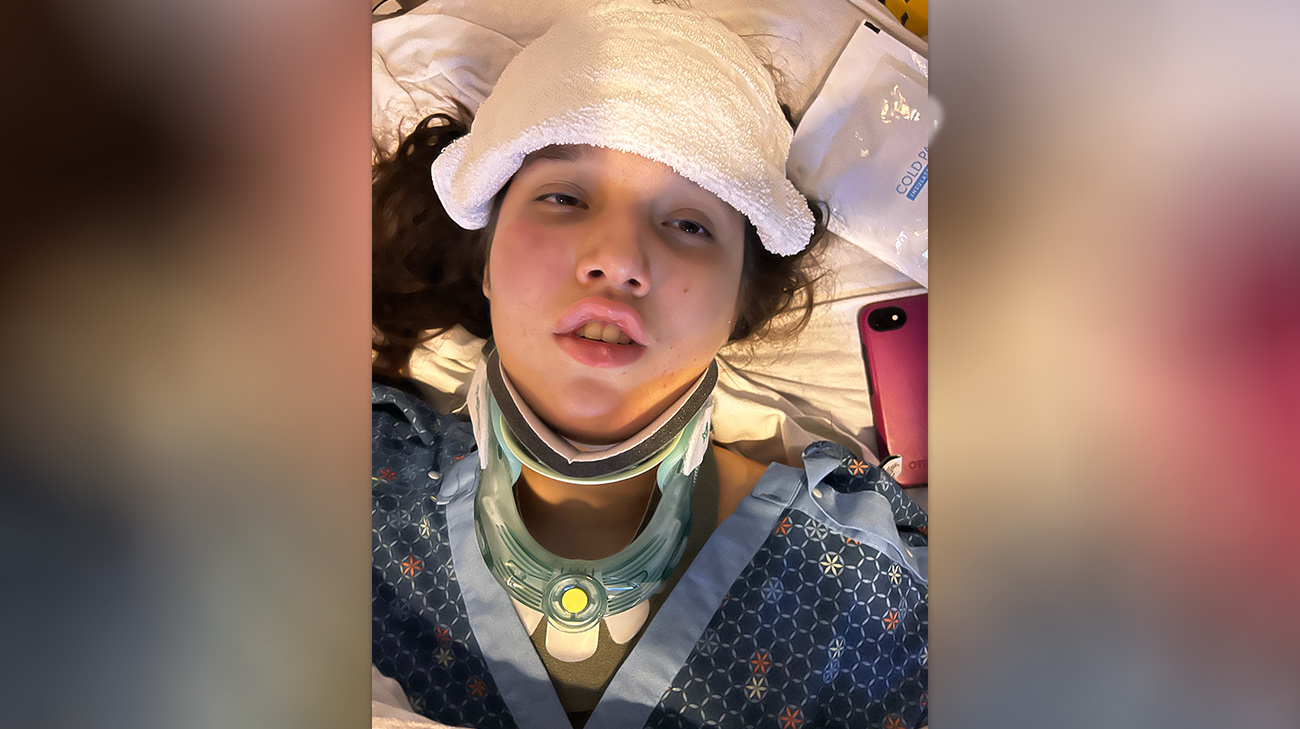
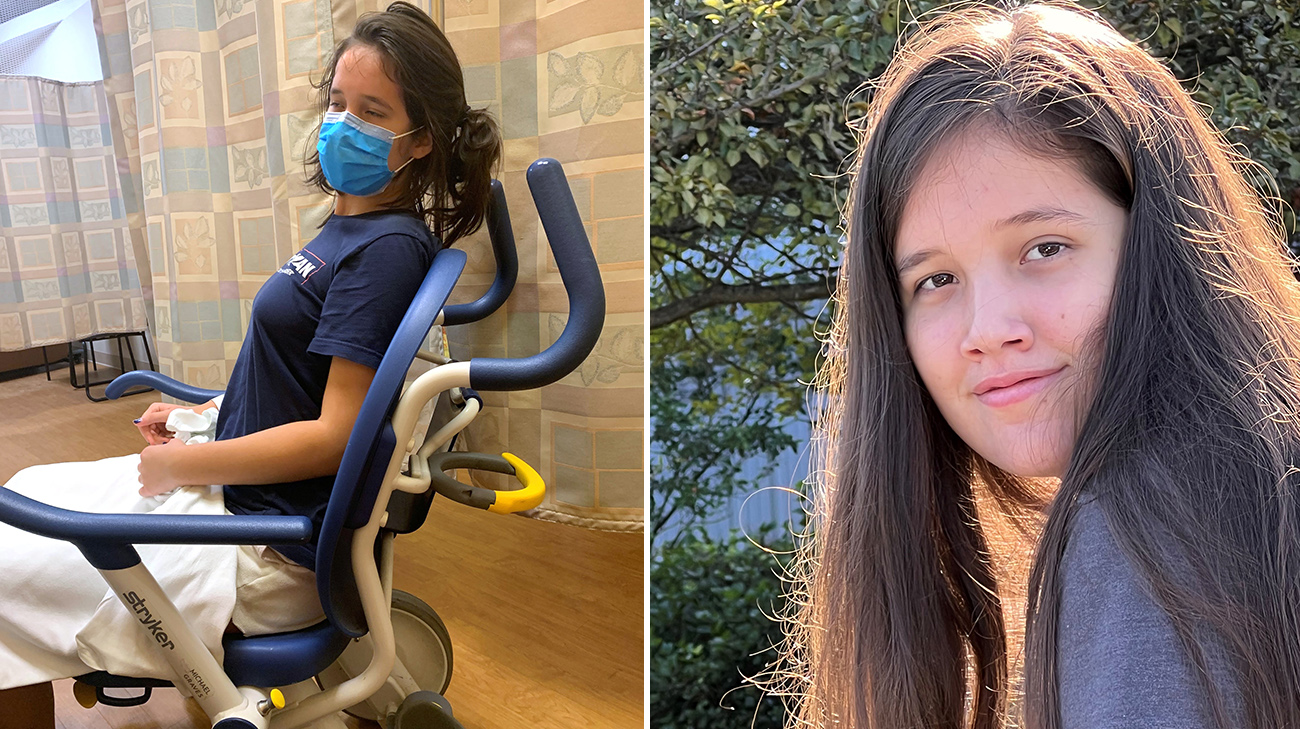
Lucia in the emergency department after falling during an undiagnosed seizure and experiencing a concussion. (Courtesy: Lisa Adarve Schweikert)
Lucia, now 19, admits she approached Cleveland Clinic with guarded expectations after years of disappointment.
“I didn’t really trust doctors anymore,” she says. “I didn’t think they’d find anything either. So, when they did, I was happy—but also annoyed. It had taken almost 20 years.”
For Lisa, the diagnosis brought both relief and validation. It confirmed what she had long believed: that there was an underlying cause for Lucia’s struggles.
As Lucia grew up, Lisa adapted her daughter’s education to meet her needs, focusing on persistence, repetition and hands‑on learning. Progress was often slow and hard‑won. Despite setbacks, Lucia developed into a strong student and a skilled artist.
Today, Lucia is a sophomore at Purdue Global, majoring in criminal behavioral psychology. She continues to experience seizures, a common feature of Jordan’s syndrome, which tend to worsen during periods of stress.
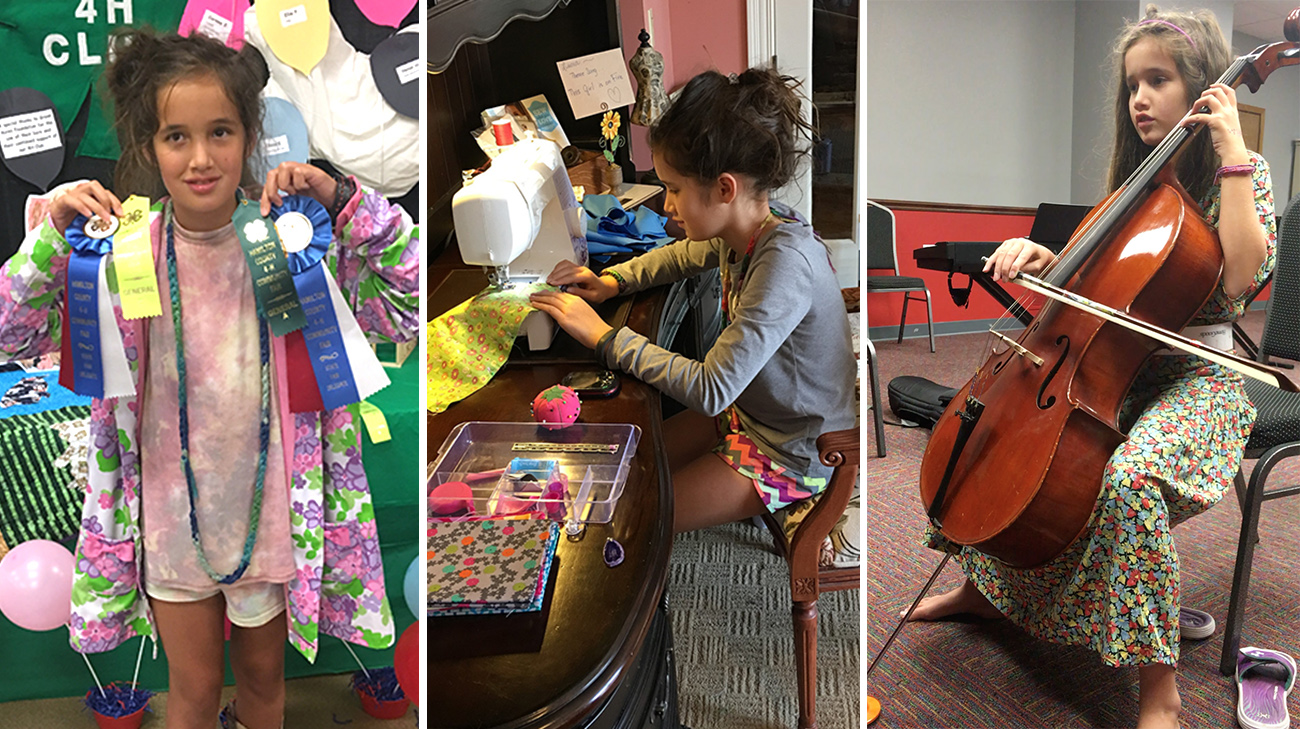
Lucia’s creativity has helped her build fine and gross motor skills through activities like quilting and 4‑H, where she’s earned ribbons for both quilting and caring for horses. (Courtesy: Lisa Adarve Schweikert)
Since receiving her diagnosis in 2025, Lucia’s medications have been adjusted, and she hopes to enroll in a Phase II clinical study evaluating a treatment for Jordan’s syndrome.
While identifying a diagnosis is a critical first step, Dr. Alsadah and the Undiagnosed Disease Clinic team help patients and families navigate what comes next—offering guidance on symptom management, connecting them with support networks and facilitating access to clinical trials.
“More than 25 million Americans live with rare diseases, so ‘rare’ is more common than you might think,” Dr. Alsadah says. “It’s incredibly meaningful when we can bring hope to patients and families on their diagnostic odyssey and, for some, move them closer to targeted or gene‑based therapies.”
For Lucia and her mother, the answers arrived late—but they finally arrived with clarity, validation and a renewed sense of direction.
Patient Stories
Cleveland Clinic Team Helps Florida Patient Breathe Easier After Complex Lung Surgery
Oct 21, 2026
Teen Athlete Returns to Sports After Two Head Injuries Trigger Yearlong Headache
Oct 19, 2026