



Back to School: Is it Time to Pursue Another Nursing Degree?
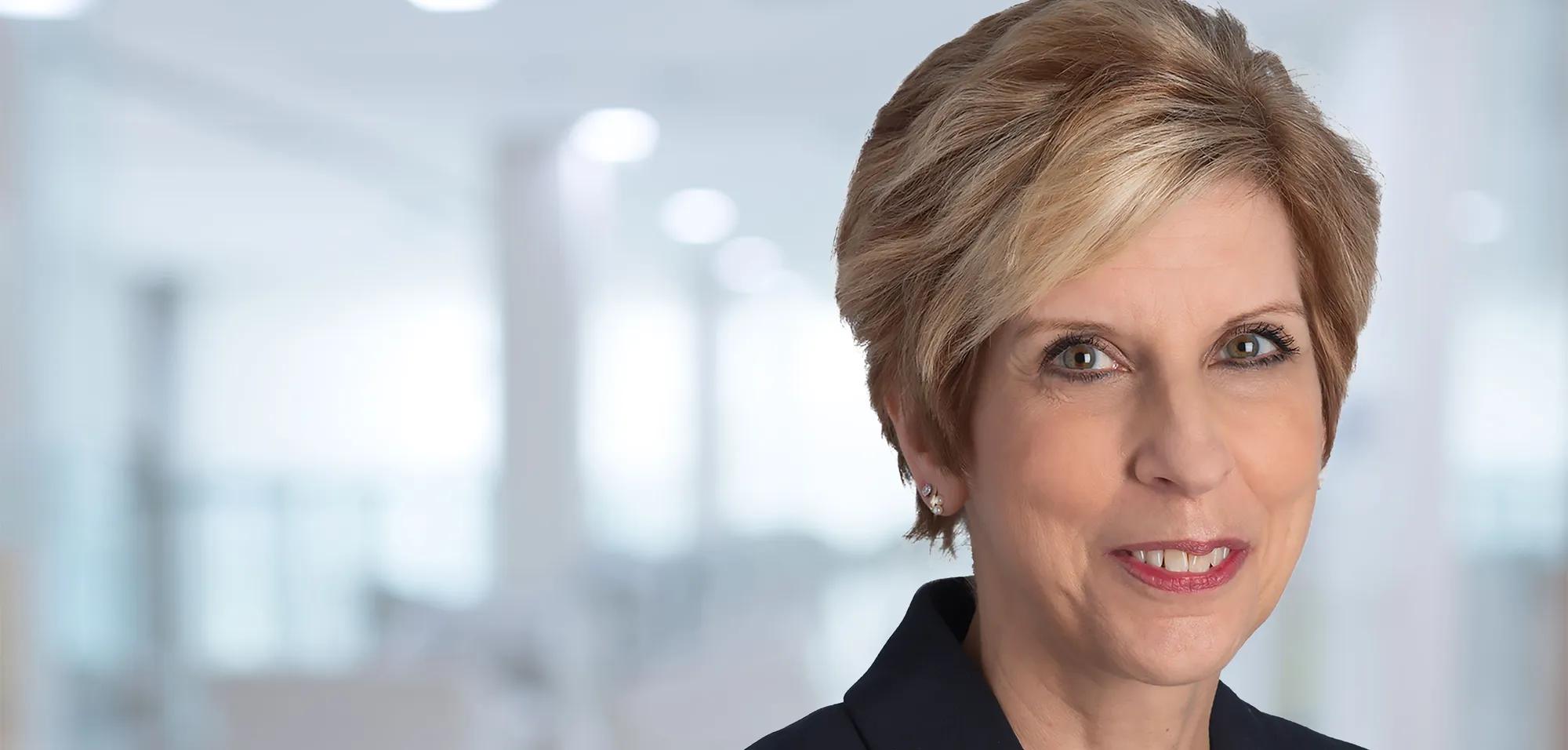
Lisa Baszynski, DNP, RN, NE-BC, Associate Chief Nursing Officer (ACNO) for nursing education and professional development at Cleveland Clinic, believes nurses have a responsibility to keep expanding their knowledge. “There is nothing more important in our nursing profession than continuing to grow and learn and to be educated,” she says. In this episode of Nurse Essentials, she shares advice on how to decide when it’s the right time to pursue an advanced degree, what to consider when selecting a degree program and more.
Advertisement
Cleveland Clinic is a non-profit academic medical center. Advertising on our site helps support our mission. We do not endorse non-Cleveland Clinic products or services. Policy
Recent Episodes
Spotlight on Critical Care Transport
Imagine employing all the skills, competencies and critical thinking needed to deliver top-notch care to patients in urgent situations while…
Leaning into Evidence-Based Practice
Evidence-based practice involves three factors: using high-quality research to guide nursing practice, relying on clinical expertise and inv…
Caring for Patients with Chronic Lung Disease
Four to six percent of Americans live with some form of chronic lung disease, and it remains one of the leading causes of death and illness…
Video content: This video is available to watch online.
View video online (https://cdnapisec.kaltura.com/p/2207941/sp/220794100/playManifest/entryId/1_669bz5f4/flavorId/1_5f3sgelj/format/url/protocol/https/a.mp4)
Transcript
Carol Pehotsky:
Healthcare and nursing are changing so rapidly today. As nurses, we want to be delivering the forefront, the most evidence-based care. And it's a natural logical next step to think, should I go back to school? Will that help me pursue that education, and that information, and that knowledge? But more questions than answers remain, and there's no perfect time. So how do I know when is the right time? Where should I go? What should I pursue? How do I support myself?
Advertisement
Cleveland Clinic is a non-profit academic medical center. Advertising on our site helps support our mission. We do not endorse non-Cleveland Clinic products or services. Policy
I'm joined today by Dr. Lisa Baszynski, and she'll provide us with some insight and answers to those questions and many more.
Hi, and welcome to Nurse Essentials, a Cleveland Clinic podcast where we discuss all things nursing, from patient care to advancing your career, to navigating tough on-the-job issues. We're so glad you're here. I'm your host, Carol Pehotsky, Associate Chief Nursing Officer of Surgical Services Nursing.
Welcome back, everyone. Our topic today is, when is the right time to go back to school as a nurse and what is the right direction? How do you know when to advance your career and what direction do you go in? For me, I had the great benefit of ... I'm not always super in tuned to myself, but I could always tell when I was feeling a little restless in my nursing career and what typically scratched that itch for me was going back to school. So, if you've been listening all along, you know that I've also plenty of other degrees that we won't talk about today, but I pursued an associate's degree when I became a nurse. And this was before BSN was required, as it is with many organizations now.
So that first itch, I scratched by getting my BSN and then continuing to go back to school. And here I am, a doctorate program later and very thankful for not just the opportunity and the learning, but the generosity of our organization to support that, not just financially, but to work at a place that really educating those who serves means everyone who works here. And who better to talk more about advancing your education, the how’s, the whys, the when’s, than my dear friend, Dr. Lisa Baszycnski.
Advertisement
Lisa is the Associate Chief Nursing Officer for Nursing Education Professional Development at Cleveland Clinic. Lisa, thank you so much for joining me today.
Dr. Lisa Baszynski:
Oh, it's such an honor to be here, Carol.
Carol Pehotsky:
Before we get into the meat and potatoes, you have a tremendous and fantastic nursing journey. I hope you're willing to share a little bit of that with our audience today.
Dr. Lisa Baszynski:
Oh, I would be happy to. And I want to just say something about you because I've been at the Clinic for almost 23 years, and you were one of the first people I met. I just want to tell you how proud I remember being of you for getting your Doctorate of Nursing practice.
Carol Pehotsky:
Oh, thank you.
Dr. Lisa Baszynski:
That always resonates with me. And I'll tell you, my journey really started here at Cleveland Clinic. I'd worked at other places. I had been an RN for a long time, but really my growth, my development, my education, and my leadership came here at Cleveland Clinic. It was here where people recognized that I had a passion for education and I had a passion for leadership, and they fostered it and believed in me, listened to my voice. I had some great mentors who said to me, "You have to believe. If somebody believes you can do it, and it's somebody you respect, then you can do it."
So, it's through Cleveland Clinic that, again, I started off as a diploma nurse. I would never believe I would be here today with my doctorate and having the role that I have.
Carol Pehotsky:
Here you are.
Dr. Lisa Baszynski:
It was because of Cleveland Clinic that I got my bachelor's, and my master's, and my doctorate, and I was able to move up, and learn and grow and develop. And what I've learned is there is nothing more important in our nursing profession than continuing to grow and learn, and to be educated. So, it was really through mentors and colleagues such as yourself, and role models, and the tremendous benefits we have at Cleveland Clinic that has brought me to where I am today.
Carol Pehotsky:
You're being modest and you're being kind. Lisa has a fantastic operational background as well as an education. It's just so lovely to see you bring all of that to the role and what you've done is really to make sure that all nurses feel that. And nursing caregivers know that they have that opportunity.
So, let's get into it. Like I said, education has always been something that was the next thing to do for me and it's always been important for a lot of us, but in this day and age, here we are in 2026, why is it more important now than ever for nurses to continue their education?
Advertisement
Dr. Lisa Baszynski:
I love this question. And it's the same answer no matter what year, what decade.
Carol Pehotsky:
Okay.
Dr. Lisa Baszynski:
We live in a world that is constantly changing and we have one of the most important positions and roles in healthcare. And I believe it's our due diligence. It's our responsibility as nurses and healthcare providers and working in such a wonderful organization. We have to learn and grow, and we have to be able to be experts. We have to be confident, competent. And we can't be passive observers as the world changes. We have to be strategic operationalists.
And how do we do that? We're educated, and we lead, and we have the competency and competence behind that to make those decisions. That's part of what we have to do for our profession, ourselves personally. Again, we are one of the most trusted professions in the world and we have a responsibility. So really, no matter what level you're at, you have to continue to learn and grow.
Carol Pehotsky:
An ageless answer. I love it. No matter what time you're listening in, the answer is for you, audience.
Dr. Lisa Baszynski:
No matter how long you've been a nurse.
Carol Pehotsky:
Well, yes, absolutely. That's a great point. So…appreciating that that answer is evergreen, we know that we've seen advancements in nursing care because people have gone back to school. In your life before nursing education and within your current role, how are you seeing the education that nurses are getting impact on the care they're providing?
Advertisement
Dr. Lisa Baszynski:
I think it's twofold. I have seen it with incredible clinical practice. We have nurses who have gotten degrees, and certifications, and specialty, and taken those career paths. And then I've seen it with advanced degrees when we go into specialties. When we're talking about patient outcomes, clinical, of course, is so important. But then we look at advanced degrees where we have nurses in quality, and patient experience, and IT, and education, and leadership, and those are all part of advocacy and patient outcomes. So, you see it on a different level now.
I also see incredible nurse leaders and educators that are actually level strategists. We talk about operations, and that happens from an advanced degree. So, I think you really have to look at what's your why. We all should continue, but what is exciting to you? What is passionate to you? And then just continue to follow that and get some help along the way. We have mentors, we have unlimited resources here. And so that's how I see it changing practice, both clinically and both for our profession.
Carol Pehotsky:
Well, we're seasoned nurses, right? Senior. As I've watched the ebb and flow of people getting their master's degree will linger there, sometimes it seems like people feel like they have to get an advanced practice degree, that the NP, the CRNA, the CNS, the nurse midwife is the only way to go. And sometimes then we see the pendulum swing back and forth the other way.
Advertisement
We have other episodes, listeners, if you're interested in one of the advanced practice tracks, we do have additional content on that, but from your perspective, Lisa, what are some things you think that nurses can do to really hone in and delineate out, am I looking for an advanced practice role or what am I looking to do, and can a master's in something else like nursing administration or nursing education help accomplish that?
Dr. Lisa Baszynski:
Great question. And it begins with the why.
Carol Pehotsky:
Sure.
Dr. Lisa Baszynski:
Why am I even looking to do this? And what really, again, is passionate and excitement to me as an individual, but I also think you have to use mentors, or peers, or colleagues to talk about those professions and what they really entail. What's the education behind it? And then where are you right now? Do you want to grow where you are right now? What is your one to three-year plan? What is your long-term plan?
And then do a little assessment for yourself, do some work, create your own checklist for yourself and shadow and spend time with people and talk to as many people as you can. And use our professional organizations. We have tremendous professional organizations with our National League of Nursing and our association, our organization of nurse leadership and those kinds of organizations. You can really do some deep dive into other areas where master's degrees and advanced degrees…what are some of those careers?
I think you really have to do some of your own homework. And in this day and age with AI, you can have it make a checklist for you.
Carol Pehotsky:
That's true.
Dr. Lisa Baszynski:
Right? You can do some comparisons for not only the schools of nursing or graduate degrees, but also what are some of your interests and what might be appealing to you. So, you do have to do your homework.
Carol Pehotsky:
Great counsel…I suspect people don't take advantage of shadowing opportunities or reaching out, but that's really sound advice. Before I want to go insert blank here, do I have any understanding of what it is and what it entails?
Dr. Lisa Baszynski:
You know what's so exciting that we started something called the Center for Nursing Career Exploration through Nursing Education and Professional Development, and that was specifically for what you just said.
Carol Pehotsky:
Oh, okay.
Dr. Lisa Baszynski:
We have this external and internal website that allows you to fill out an interest form. So, if you have any questions about what may work for you or what school I should go to, what degree, we have an opportunity to ask a question, and you can actually talk to one of us and ask those questions. And then we'll help you find somebody who you could talk with or shadow because those experiences really count, and they help you make those decisions.
Carol Pehotsky:
Well, and whether it's a DNP, an advanced practice degree, in DNP, a master's, there's so much time and energy expended. Listeners, please write this down, make a note of this. It's a lot of really great work to go back to school, but spending a little time to delineate the path first is going to be time so well spent.
Dr. Lisa Baszynski:
Absolutely.
Carol Pehotsky:
So, our imaginary learner, they've reflected, they've thought about, "Okay, I'm ready. I'm going to go back to school." Like plenty of things in life, there's never a perfect time. How does that busy nurse ... Let's say I've already got my bachelor's degree, so there's not any need to go back for that. So, I know that I want to go back. Let's say I've decided I do not want an advanced practice degree. I'm looking for a different type of Master of Science and nursing background. How do I know it's the right time? How do I get myself ready for this transition?
Dr. Lisa Baszynski:
You have to think back to why you became a nurse and that drive and passion that got you through that. If you really want it, you will do it and you will find that first step. It's really taking the first step. First of all, do your homework. I think you have to look for the right program, the right school. So, I think there are some things that are also involved in that decision.
What type of program am I looking for? What are the interest requirements? What is the timing of the semesters? What's the coursework? What is the clinical time that may be required versus practicum time versus a project? And so those kinds of things, you need to really look at different programs, look at tuition, look at, is it important to do one course at a time? Maybe that one course at a time is still progress.
Carol Pehotsky:
That's right.
Dr. Lisa Baszynski:
It has to fit into what your life is now. And then I recommend finding someone to go to school with. It's always a great idea to have somebody to go through a program with you. If it's not somebody you know and it's not somebody who's ready for the timing, most of these programs have cohort models, and they really do some wraparound services for busy working nursing professionals and find a buddy in your cohort.
During my program, I found a wonderful partner that we would go through some assignments together, we'd support each other. And then again, your friends, your family, your mentors are important. Your nurse leader is important. Let your nurse leader know that you're going back to school. Talk about some flexibility in your schedule. Do some time on your calendar that's specific for you, whether it is to just take a break or to make sure you have scheduled time. And you may have to take some PTO days once in a while, either to reset, recharge, relax, or to get some assignments done.
Those are all really important things to think about, but don't give up. Once you start and take that first step, the engine starts rolling, and you start to get some momentum. If it's your passion, you can align it with your practice. And it really is very professionally satisfying once you get started.
Carol Pehotsky:
Such sage advice for, yes, one class is one class. See how it goes versus I'm going to jump in and take a full load on top of the 12 other things I have going on in my life.
Dr. Lisa Baszynski:
And then if you have to, take a break. Those are the things, just be kind to yourself. When you're working three 12s, you have to fit that time in. But if you're working those five days a week, then you have a little bit of different scheduling to do. Just remember to be kind, carve out some time, bring in your support system.
Carol Pehotsky:
Absolutely.
Dr. Lisa Baszynski:
You make it, you'll do it. Once you're done, it seems like such a short time. And I know you and I have talked about that before. At the time you’re going through it, it seems you’re so busy, and then you're done, and you're so incredibly proud. So, remember that.
Carol Pehotsky:
And all that time that you thought you were going to get back just gets taken up by something else. But it's time well spent. Absolutely. What are some misconceptions that you've seen nurses ... They've done that due diligence, they've really thought about it, but maybe they have some conceptions about what it is like to go back to school. What are some things that you've seen?
Dr. Lisa Baszynski:
That I've been away from the academic culture for too long.
Carol Pehotsky:
Okay.
Dr. Lisa Baszynski:
And what I can say is, again, most of these programs help you acclimate back to being in academia. And I think that it’s important for you to look at what helps you get back into studying, completing assignments. Some of them even have those time management courses. It's never, ever, ever, ever too late to go back to school, ever.
And then the other thing is the time management. How am I going to work? How am I going to take care of my kids? How am I going to take care of my aging parents? Those things, again, you think are huge barriers, but with some forethought and some support, you will definitely get through that.
Carol Pehotsky:
Absolutely. So, it's probably wise for that nurse who's going back to talk to schools, interviewing them just like you would be interviewing for a job. What are those wraparound supports? I can definitely tell from my journey that there are some schools that are more geared towards that academia, coming on campus, PhD-type level work, and some really are geared towards that working nurse. What are you seeing in terms of academia…when I was physically going to college, is a lot different than academia now. What sort of things are you seeing out there in the landscape of nursing masters and DNP programs?
Dr. Lisa Baszynski:
So, there are a lot of online, hybrid, and flex paths. I think that's another decision that you have to make where you can complete assignments at your own rate and some people need tight deadlines and-
Carol Pehotsky:
It's not for everybody.
Dr. Lisa Baszynski:
But it's not for everybody. I think that's a decision also that you have to make. And again, I think the timing of when courses are and when breaks are, and then how does your tuition affect when you go to school? Those are a couple of other things. And again, preparing for a practicum or a project, I can't say enough that you must do that way in advance. Understand what those requirements are. Give yourself plenty of time. It's never too early to find what those requirements are.
And a very important thing, make sure that the school that you're going to has an affiliation agreement with the hospital that you work on or that you want to do your practicum project, or make sure that it’s a very important piece that is in place. And then understand what a project evidence-based versus research versus using data. Those are such important things to know before you begin that project or practicum. So that's some really great advice for everybody.
Carol Pehotsky:
Yes.
Dr. Lisa Baszynski:
Plan way ahead.
Carol Pehotsky:
Yes, yes. So, let's linger there on a couple topics. The affiliation agreement. Probably could be its own episode, but at a high level, how would a nurse find out, I'm really interested in this program, I want to be able to do my practicum here, et cetera. How would I find out easily if there is that agreement or if my organization that I'm working for is going to say, "Oh, yes, we welcome students from there?"
Dr. Lisa Baszynski:
You would definitely ask your school.
Carol Pehotsky:
Okay.
Dr. Lisa Baszynski:
Because it's important. I would ask before you would even enroll in your program.
Carol Pehotsky:
Yes, yes.
Dr. Lisa Baszynski:
And then your hospital organization should know that as well, but keep asking that question, because if you don't have it before you start, it could delay your graduation and your track to completing projects. So, I think even before you decide what program, what school of nursing, make sure that it is in place, and it's active, and it's up to date. And that will be a seamless transition as you move through, especially your practicums, and your projects, and any clinical time that you have to do.
Carol Pehotsky:
And you can't assume ... We're in the same town, the same state. You can't assume that a "local" academic institution does have an affiliation, right?
Dr. Lisa Baszynski:
Right. Never assume.
Carol Pehotsky:
Just in general.
Dr. Lisa Baszynski:
Never assume and make sure it's up to date.
Carol Pehotsky:
Yes.
Dr. Lisa Baszynski:
So those are important things to do before you sign up for your courses or the school that you decide to go to.
Carol Pehotsky:
Let's talk about that project again. Also, probably its own episode, but independent of the track, at least in the students I've precepted and/or programs I looked into once upon a time, everybody has some sort of project, practicum, clinical, something at the end or throughout, where you're spending time with a nurse with that degree doing things. What are some of those first steps? How does that nurse, especially maybe even before starting the program or early on, get a handle on, "Okay, yes, this is day number one of class, but on day number X, Y, Z, I'm going to have to have a topic and a plan?" What are some strategies that nurses can do to dig into that and investigate what's coming their way?
Dr. Lisa Baszynski:
I think every program is a little bit different.
Carol Pehotsky:
Right.
Dr. Lisa Baszynski:
But what I always tell people is, do pick something that you're passionate about and that really matches what your practice is right now. If you pick that program, project, something that really is meaningful to you and that you could take back to your practice, that is going to help you do your research question, it's going to help you pick your project, and you will really feel motivated to do that, and make sure that you know who you have to have as a mentor or preceptor.
Carol Pehotsky:
Qualifications.
Dr. Lisa Baszynski:
Qualifications, and that it fits both your programs' requirements and the hospital that you're going to do your clinicals practicum and project with, that all of those are in place, that you know you're meeting the right qualification. So those are things that you should be proactive about.
Carol Pehotsky:
And probably never too soon to start asking your advisor questions, asking potential preceptors, et cetera.
Dr. Lisa Baszynski:
Absolutely. Best advice. Start early.
Carol Pehotsky:
Start early.
Dr. Lisa Baszynski:
It's almost like working your way backwards. Here's my finish. What do I have to do to get to that point?
Carol Pehotsky:
Absolutely. I got very sage advice from my DNP advisor who said, "You have your whole career to cure cancer. We're looking for something that you're passionate about that you can accomplish in a delineated period of time that shows that you have learned everything you've learned from the degree, and you have the ability to apply it elsewhere."
Dr. Lisa Baszynski:
Absolutely.
Carol Pehotsky:
We haven't talked about finances, but obviously that's a very big part of anyone's journey, whether it's timing, which program, et cetera. What are some resources and strategies that nurses can seek out to learn more about it and to see what kind of support is out there?
Dr. Lisa Baszynski:
First, start with your employer and find out if you have a tuition reimbursement program, and certainly take advantage of your tuition reimbursement program. That's really important. And then also ask your school that you're going to attend. Talk to a financial advisor of the school, find out what scholarships may be available. We also have ... I talked about our professional organizations, their scholarships through a lot of our professional organizations. So do due diligence. Find out if you're eligible for any federal loans, scholarships.
And then boards of nursing also have on their website some scholarships that may be available in the state. I know there's some listed on our Ohio Board of Nursing, so I would try all of those things. And then I would also make sure ... Again, this is time scheduling and flexibility. Does your tuition reimbursement align with your semesters or quarters?
Carol Pehotsky:
Oh, sure. Yes.
Dr. Lisa Baszynski:
So doing a little pre-planning. And then you can also see if your school does deferred billing, where you can finish your course, get your grade, and then have the billing after you have your tuition reimbursement. Those are important questions. Work with your school, your financial advisor with your school. Those are some initial steps, but also plan ahead, budget, make sure you know. And I think you also have to look at each program. Are there administrative fees that may not be covered by your tuition reimbursement?
Carol Pehotsky:
And that adds up quickly.
Dr. Lisa Baszynski:
That adds up quickly. And there are different administrative fees for different schools. So again, you can do your own AI checklist and-
Carol Pehotsky:
That's right. Hopefully, everyone's writing theirs down as they're listening.
Dr. Lisa Baszynski:
I also think about this day and age when we're talking about AI. And I think when you're looking at a program, or a school, or graduate degree, what schools are putting in some curriculum with AI literacy? I mean, that is really an important topic for all of us every day. There's something new. What is coming up in the future? And it's changing so much. So what schools are incorporating that right now? I think those are good steps as well.
Carol Pehotsky:
Yes. We mentioned earlier the importance of talking to your leader, whoever that person is. Let's return there for a moment. Knowing that there might need to be some schedule flexibility. If you're working in a hospital-based system, we have patients to serve 24/7. How can nurses navigate that conversation early on and then continuing with their nurse manager to stay on the same page, to try to negotiate that time that they need, but understanding that there's still patients to serve 24/7?
Dr. Lisa Baszynski:
Well, I think having an honest discussion with your leader about why you're going back to school and what you're going to bring back to practice, your unit, your role, your job. And always, there's so much work to be done with quality, patients, safety, caregiver engagement, patient engagement, strategy, technology, legislation. What are you going to bring back and how can they support you on this journey? Because it's important. You make your case, not only for where you are right now, when you're employer, but for our profession, for you individually and professionally.
Leaders want to foster growth. I know that I've been so fortunate throughout my entire career that my leaders have been cheerleaders, support systems. What else can I do for you has been my experience. And I think that's what's so unique about Cleveland Clinic. We support each other. We have an incredible nursing institute that supports us. So those conversations, I think, are a little easier for us when it is expected of us. We learn, and we grow, and our opportunities are so numerous here that it's just part of our DNA. It's our culture, and it really makes me proud.
Carol Pehotsky:
Amen to all of that. Yes, I think it's very wise. Counsel, you've given it. Don't assume that the nurse manager is going to say, "Ah, I have to change your schedule." Help them be part of that. Help them be your cheerleader. "Oh my gosh, I'm so excited. How's it going? Oh, your first semester is done. How are you feeling? How's the work-life balance going?" They, so many times, want to be that champion for you, but you have to involve them in the process, so they know where things are headed.
Dr. Lisa Baszynski:
And involving them early.
Carol Pehotsky:
Yes. Never too early.
Dr. Lisa Baszynski:
Never too early.
Carol Pehotsky:
Oh my gosh. We're almost at time here. This has been a great conversation. It's helpful and impactful for our listeners, I'm confident. From your experience, there's a lot of challenges that nurses face. We've talked a lot about how proactivity can help with that. But I've done my due diligence. I've picked my program. I've talked to my nurse manager. Everybody's excited, but now it's actually time to go to school. What are some of the biggest challenges nurses face, especially in that first class? And what are strategies to navigate that and not let that become a dead end?
Dr. Lisa Baszynski:
Well, I think the feeling of being overwhelmed because now you have all these expectations with your school and your program. You have your family, you have your friends, your loved ones, and you have your job that continues. So that initial feeling of being overwhelmed, that's the time that you have to take a pause, and then you really have to think about yourself and the confidence that you have to have in yourself. And take that time, again, to take care of yourself.
Once you get through your first assignment, you are going to start feeling, "Yeah, I can do this." And then again, rely on your support system. I think it's really, really important. Those of us who have mentors or peers and leaders rely on that. That feeling of being overwhelmed will get better. You're going to get feelings of that again throughout the program.
Carol Pehotsky:
Yes.
Dr. Lisa Baszynski:
It doesn't go away. But perseverance, you have come this far. Even applying, and getting admitted, and taking those first steps. And again, one class at a time. If that's what it is, that is progress. And I want to say be proud of yourself. Taking that step to do this, you will never regret it. It carries you through life, not only your profession. It takes you no matter where you go in life. That education can never be taken away from you, and it just makes you a stronger person, and you get so much value from it. So just hang in there.
Carol Pehotsky:
Just do it.
Dr. Lisa Baszynski:
Just do it.
Carol Pehotsky:
I love it. Well, Lisa, you've given us so much to think about and so many good things to grow with. Before we call it a day, I hope I can ask you one last question.
Dr. Lisa Baszynski:
Absolutely.
Carol Pehotsky:
As you know, Cleveland Clinic revised our organizational values this year to make them fewer in number and a little more action oriented. And I think we've all had great conversations about how those have resonated with us. So, of our three values, serve with heart, succeed as one team, and shape the future, which one resonates with you the most?
Dr. Lisa Baszynski:
Immediately I say serve with heart.
Carol Pehotsky:
Okay.
Dr. Lisa Baszynski:
Because I think that we need to remember in our profession that it's really all about human beings. We talk about technology. We talk about the complexity. We talk about where we're going in the future. We talk about AI, but it still is the human spirit. And this is what we all got into this profession. We know why we all got into this profession. We learn, and grow, and we are going to be leaders, but don't ever forget the kind word, the touch, the reaching out not only to patients, caregivers, but each other and to be kind to yourself. It is the human spirit that drives us, and don't ever forget that.
And I think that keeps us grounded. So, I love our new values, but that one especially when we talk about our profession.
Carol Pehotsky:
Thank you so much for joining me today.
Dr. Lisa Baszynski:
Oh, it's my pleasure. Thank you.
Carol Pehotsky:
As always, thanks so much for joining us for today's discussion. Don't miss out. Subscribe to hear new episodes wherever you get your podcasts. And remember, we want to hear from you. Do you have ideas for future podcasts or want to share your stories? Email us at nurseessentials@ccf.org. To learn more about nursing at Cleveland Clinic, please check us out at clevelandclinic.org/nursing.
Until next time, take care of yourselves and take care of each other.
The information in this podcast is for educational and entertainment purposes only and does not constitute medical or legal advice. Consult your local state boards of nursing for any specific practice questions.
Recent Episodes
Spotlight on Critical Care Transport
Imagine employing all the skills, competencies and critical thinking needed to deliver top-notch care to patients in urgent situations while…
Leaning into Evidence-Based Practice
Evidence-based practice involves three factors: using high-quality research to guide nursing practice, relying on clinical expertise and inv…
Caring for Patients with Chronic Lung Disease
Four to six percent of Americans live with some form of chronic lung disease, and it remains one of the leading causes of death and illness…
Never miss a moment - subscribe now.
Listen to the Health Essentials Podcast on your favorite streaming platform.
Other Podcasts You May Love
MedEd Thread
MedEd Thread explores the latest innovations in medical education and amplifies the tremendous work…
Health Essentials
Tune in for practical health advice from Cleveland Clinic experts. What's really the healthiest diet…
Beyond Leadership
Hosts Jim Pae and Elizabeth Pugel escort you through a network of thought leaders, sharing world-cla…
Studies in Empathy
Join Cleveland Clinic Patient Experience leaders and a group of guests with a wide range of experien…