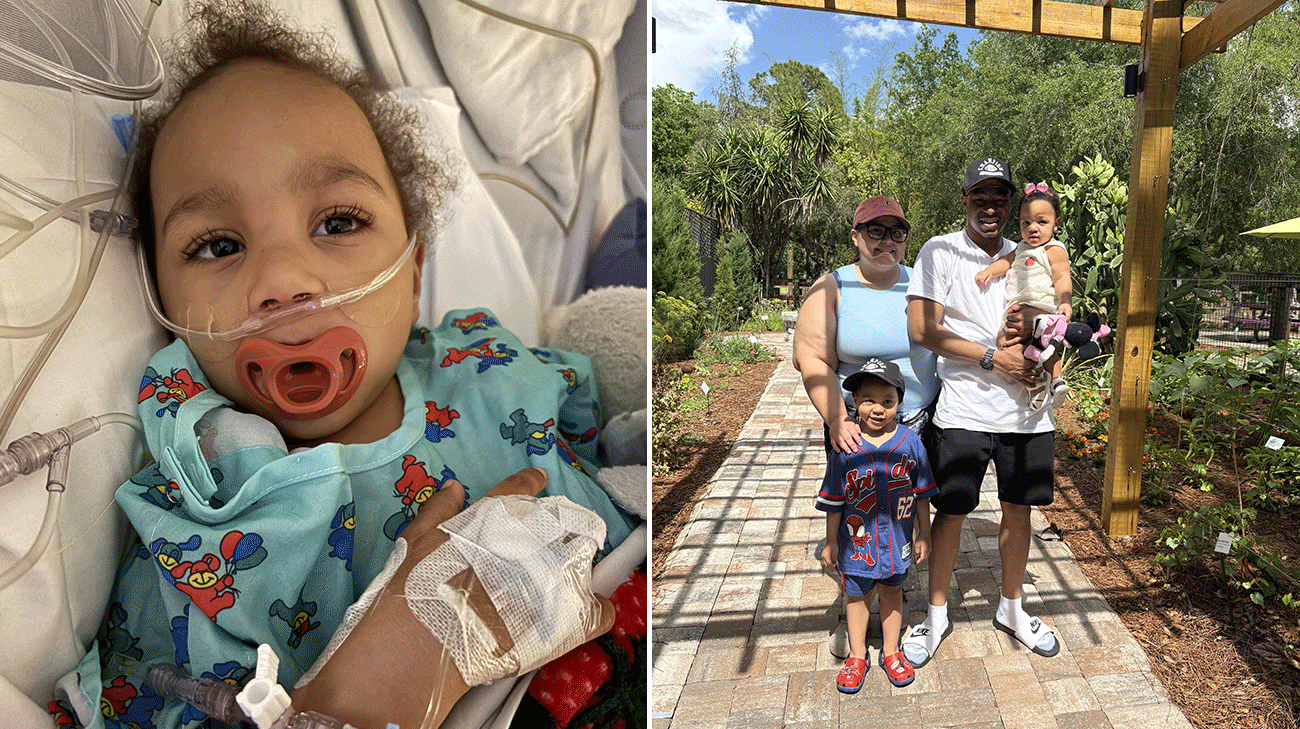
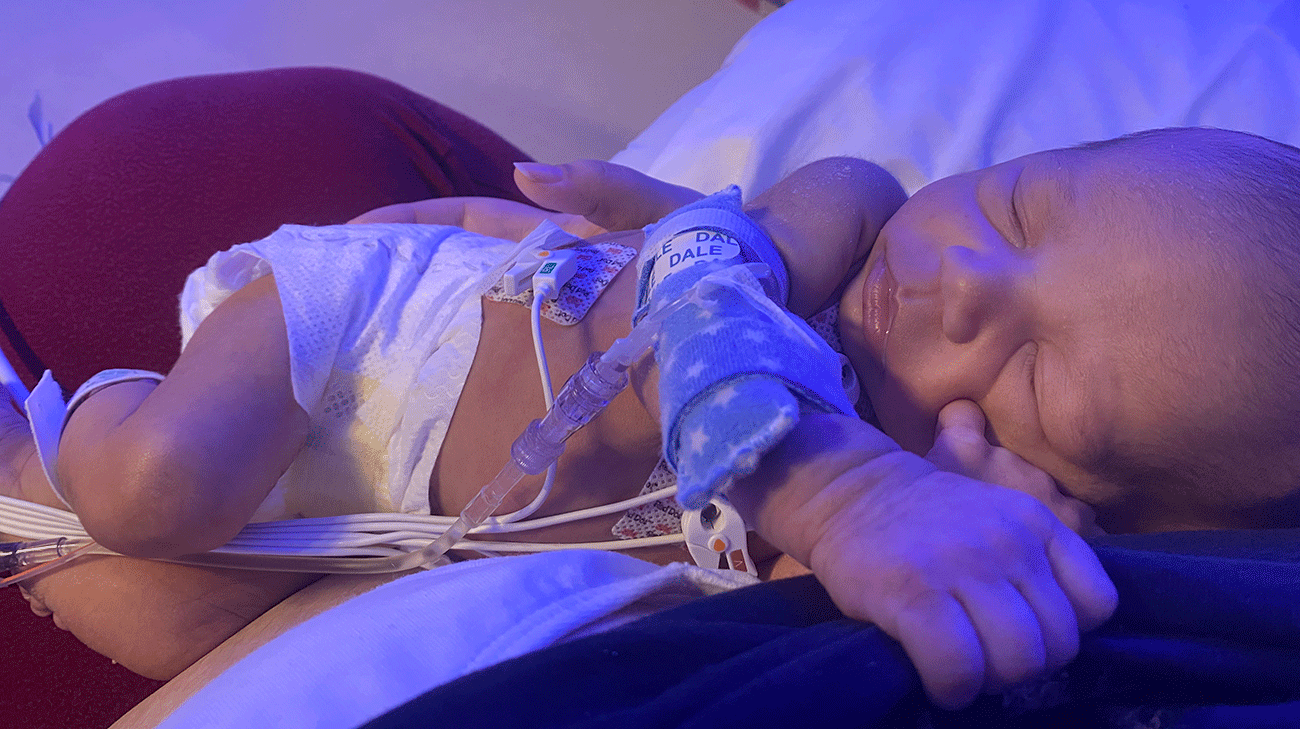
First time expectant parents Tiffany Mendez and CJ Antoine learned during routine prenatal ultrasounds that their baby might have kidney issues. While the imaging indicated that additional evaluation would be needed after birth, the full scope of their child's condition only became clearer over time.
“When Kaiden was born, he was full term and doing great. But at three weeks of age, Tiffany was struggling to feed him, and he was not gaining weight,” says Charles Kwon, MD, pediatric nephrologist at Cleveland Clinic Children’s.
“A trip to Cleveland Clinic Fairview Hospital’s pediatric emergency department led to a transfer to main campus where Kaiden was admitted and diagnosed with advanced chronic kidney disease.”
A blockage in his bladder meant his kidneys could not drain. A surgery removed the blockage, then the medical team worked to stabilize Kaiden and followed his progress closely via regular lab work and nutrition support.
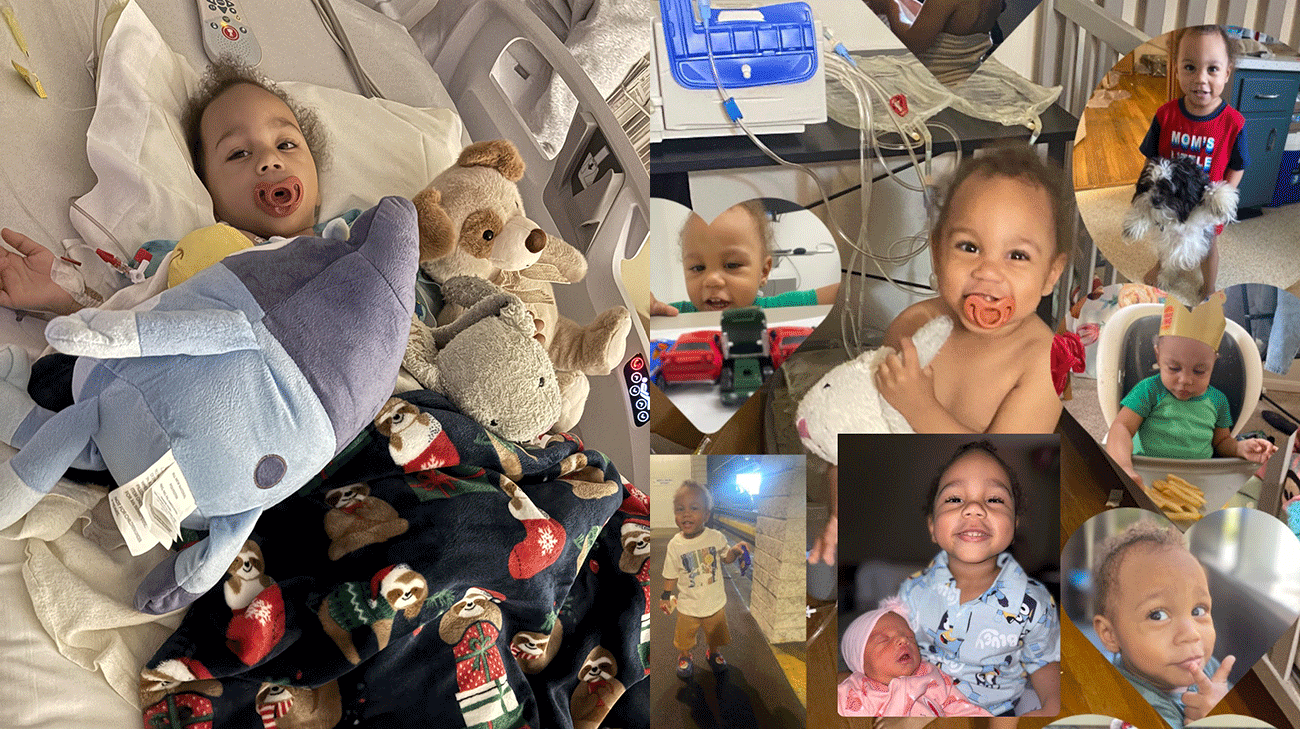
His condition worsened over time, so at one year old, Kaiden had a second surgery to insert a catheter through which he could receive peritoneal dialysis (PD). PD is an at-home treatment for kidney failure that uses the abdominal lining (peritoneum) to filter waste toxins from the blood.
“PD is much better tolerated in children than the more common hemodialysis which involves the use of a specialized machine and a filter to clean blood outside of the body,” says Dr. Kwon. “It’s a gradual, gentler process that is typically done overnight while the child is sleeping.”
While PD is good for the child, it’s hard on the parents. With hemodialysis, nurses do all the work. With PD, it’s up to the parents.
“We had to attend classes to learn the process including how to set everything up, clean the catheter, attach and remove the bag of cleansing fluid. CJ, my mom and I were all trained prior to Kaiden having surgery,” says Tiffany. “While Kaiden was in the hospital, we watched. The first night we were home was the first time I actually did it and it was very overwhelming.”
Dr. Kwon praises Tiffany and CJ for stepping up and doing everything they had to do. “For over two years they continued the PD to keep Kaiden stable while focusing on his nutrition and growth with the goal of getting him to the point where he could have a kidney transplant,” he says. “We saw them once a month to check his numbers. It’s a lot of work for the family, but a better quality of life for the child.”
Why wait to do a kidney transplant? Pediatric nephrologist Amy Bobrowski, MD is the Medical Director of Pediatric Kidney Transplantation at Cleveland Clinic Children’s. As part of the pediatric nephrology team, she met Kaiden and his parents shortly after he was born and explains that the wait has a lot to do with size.
“Our team conducts monthly reviews of our dialysis patients, continuously assessing how they are doing and growing, tracking when they are ready for a transplant evaluation, and if the evaluation shows they are ready to move forward,” says Dr. Bobrowski. “For kidney transplants, we only use kidneys from adult donors, so patients need to be a minimum size to be anatomically and surgically fit. We needed to give Kaiden time to grow because growth is a major factor for a successful transplant.”
Children usually receive only one transplanted kidney because a single healthy adult kidney has the capacity to provide sufficient renal function. In addition, keeping the procedure to one kidney minimizes surgical risks and optimizes the use of donor organs – the second kidney from a deceased donor can go to another patient.
Due to Kaiden’s small size, the donor kidney was transplanted in his abdominal area and attached to the main blood vessels in his body (aorta and inferior vena cava), and his native kidneys were left in place to avoid unnecessary surgery.
“I thought I knew what to expect when it came to the transplant, because my grandfather had a kidney transplant years ago, but what we went through with Kaiden was mind blowing,” says Tiffany, who credits her faith in God and that same grandfather who passed away on March 4, 2025, with working behind the scenes to bring about the phone call with the news that a donor kidney was available, followed by the actual transplant surgery on March 13, 2025.
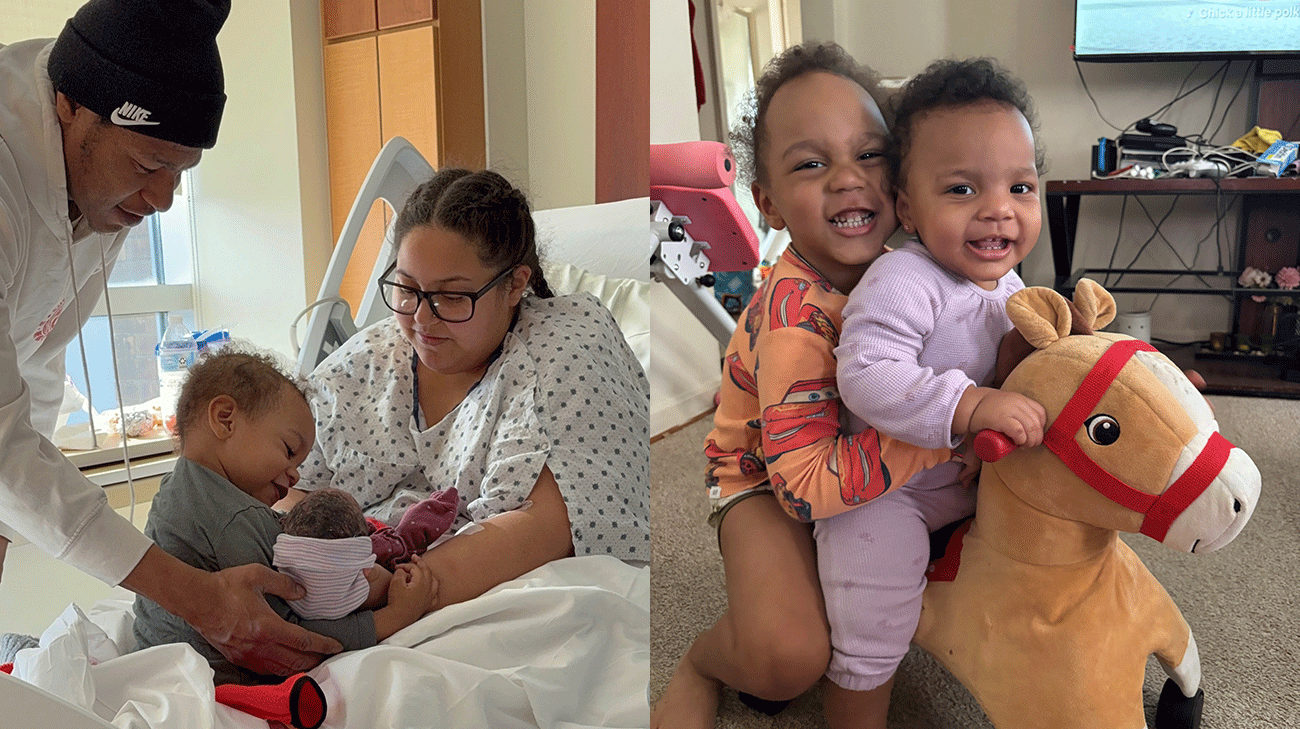
“I went from grieving my grandfather to rushing to the hospital for the transplant, all while in the latter part of my second pregnancy,” says Tiffany, who gave birth to a baby girl (Kataleyah) about a month after Kaiden came home from the hospital.
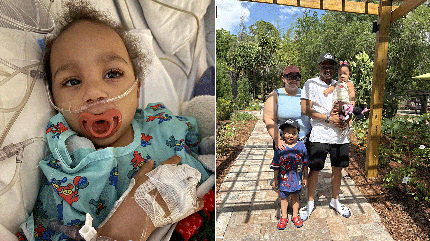
Since the transplant, Kaiden is thriving. Initially small for his age, he is now in the 35th percentile for growth and is developing well in areas including speech. And he loves being a big brother.
“It’s hard to look at photos of him when he was so little. He was always full of life but now it’s like they put an electroshock to him. He’s non-stop and wants to do everything under the moon,” says Tiffany.
Photos courtesy of Tiffany Mendez and CJ Antoine.
Patient Stories
Four-Year Old Thrives Following Kidney Transplant
Aug 11, 2026

Man’s Participation in Brain Study Reveals Early Multiple Sclerosis Diagnosis
Aug 10, 2026