



The flu is a common respiratory illness you get from the influenza virus. Symptoms often include fever, head and body aches, coughing and a stuffy or runny nose. You’re at risk for serious complications if you have an underlying health condition or are pregnant. Getting vaccinated every year is the best way to avoid getting sick with the flu.
Advertisement
Cleveland Clinic is a non-profit academic medical center. Advertising on our site helps support our mission. We do not endorse non-Cleveland Clinic products or services. Policy
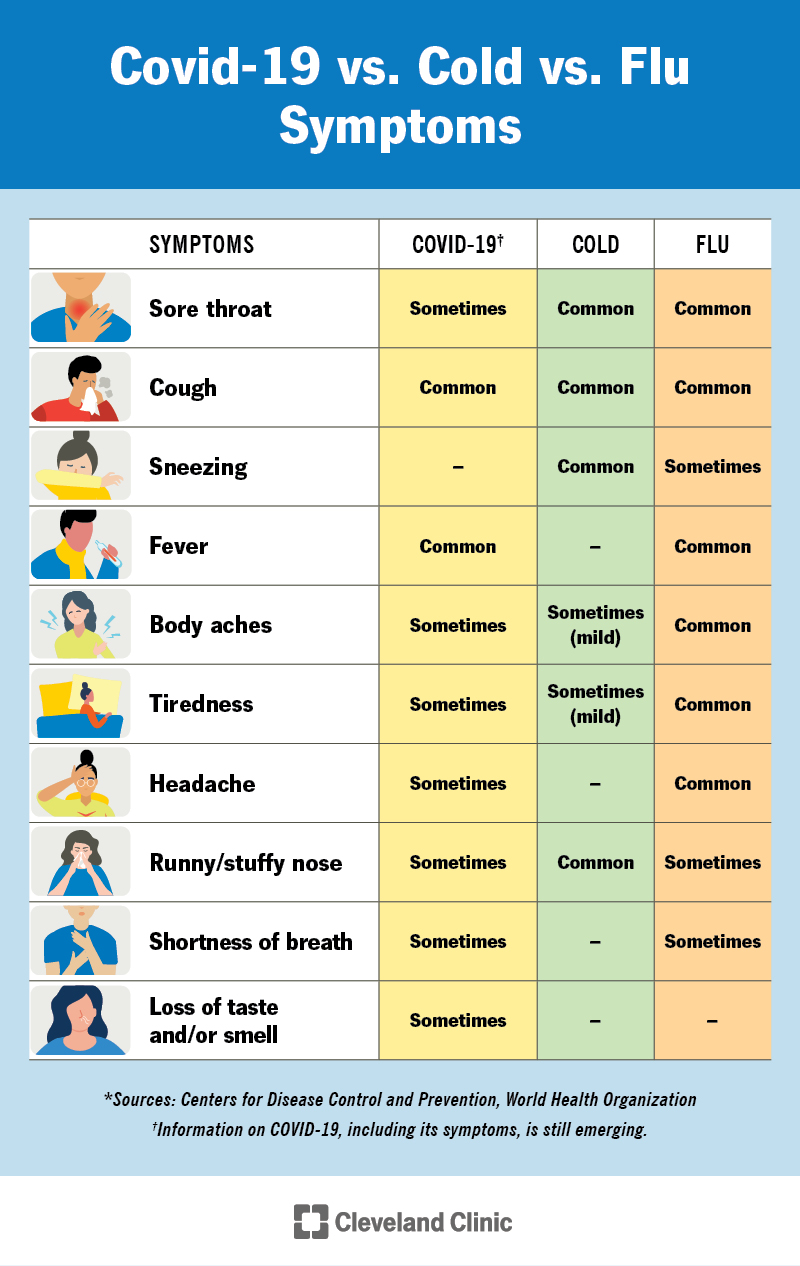
Image content: This image is available to view online.
View image online (https://my.clevelandclinic.org/-/scassets/images/org/health/articles/4335-flu-influenza)
The flu is an illness you get from the influenza virus. It causes symptoms like head and body aches, sore throat, fever and respiratory symptoms, which can be severe. Flu is most common in winter months, when many people can get sick at once (an epidemic).
Advertisement
Cleveland Clinic is a non-profit academic medical center. Advertising on our site helps support our mission. We do not endorse non-Cleveland Clinic products or services. Policy
Flu season — when cases of the flu go up dramatically — in the Northern Hemisphere (which includes the U.S.) is October through May. The highest number of cases (peak) usually happen between December and February.
The flu is one of the most common infectious diseases. Every flu season, about 20 to 40 million people in the U.S. catch the flu.
The flu and the common cold can have similar symptoms, like runny nose and cough. But cold symptoms are usually mild and flu symptoms can be severe and lead to serious complications. Different viruses cause colds and the flu.
Since they have similar symptoms, the only way to know for sure if you have the flu or COVID-19 is to get tested. They both have a risk of serious illness. But different viruses cause these infections, and providers treat them with different medications.
Certain health conditions can put you at higher risk for severe illness from the flu. This includes life-threatening complications that require hospitalization. You’re at higher risk for serious illness if you:
Advertisement
Non-Hispanic Black people, non-Hispanic American Indians, Alaska Native people and Hispanic or Latino people have the highest rates of severe illness from the flu compared to non-Hispanic White people and non-Hispanic Asian people.
Video content: This video is available to watch online.
View video online (https://cdnapisec.kaltura.com/p/2207941/sp/220794100/playManifest/entryId/1_606s73vb/flavorId/1_5f3sgelj/format/url/protocol/https/a.mp4)
With so many symptoms in common, it can be hard to tell the difference between a cold and the flu. Here’s how to tell which is which.
Symptoms of the flu usually come on quickly, and can include:
You may not have all of these symptoms.
The influenza virus causes flu. Influenza A, B and C are the most common types that infect people. Influenza A and B are seasonal (most people get them in the winter) and have more severe symptoms. Influenza C doesn’t cause severe symptoms and it’s not seasonal — the number of cases stays about the same throughout the year.
H1N1 (“swine flu”) and bird flu are both subtypes of influenza A.
Yes, the flu is contagious (it spreads from person to person). For every person infected, they spread the flu to one to two more people.
The influenza virus spreads from direct or indirect contact with someone else who’s infected. Common ways to get the flu include:
If infected, you’ll usually get symptoms of the flu one to four days after exposure (incubation period).
Your provider diagnoses the flu by listening to your symptoms and testing a sample of mucus from your nose. They’ll put a long stick with a soft tip (swab) in your nose to test for influenza. Results may take a few minutes or your provider may send the sample to a lab, where you’ll get results in a day or two.
Providers can treat the flu with antiviral medications under certain circumstances. Antivirals can reduce your risk of severe illness and shorten the amount of time you’re sick. Many people can treat the flu without prescription medications. Providers prescribe antivirals if you:
Advertisement
Antiviral drugs for influenza include:
Tell your provider about any health conditions you have before starting an antiviral medication.
Each antiviral medication has different side effects, but common ones include nausea and diarrhea. Inhaled medications can cause spasms that tighten and narrow your airways (bronchospasm).
Many people can manage the symptoms of flu at home with over-the-counter (OTC) medications and other therapies, including:
Advertisement
Not everyone should take certain OTCs, so check with your provider before you use them. It’s also a good idea to make sure certain medications are okay to use together or with supplements. Don’t give aspirin to children under the age of 16 unless their provider says it’s okay.
Most people are able to manage flu symptoms at home and recover within a few days to a week. Because it can cause severe illness, it’s important to keep an eye on your symptoms and get medical attention if you need it. This is especially important if you have an underlying health condition.
If you’re sick with the flu, you should avoid being around others, except to seek medical care.
Flu can last from a few days to two weeks. Symptoms like fever and body aches can come on suddenly but usually go away faster than other symptoms. A cough or runny nose can last longer.
You can be contagious with the flu from a day before your symptoms start to up to a week after. You’re most contagious for three to four days after your symptoms start. People with weakened immune systems and infants may be contagious for longer.
To avoid spreading the flu to others, you shouldn’t go back to work or school until it’s been at least 24 hours since you’ve had a fever (without taking fever-reducing medications). Your employer or school may have different requirements for returning.
Advertisement
The flu virus itself can cause complications or it can weaken your immune system and allow bacteria to infect different parts of your body (secondary infection). Complications and secondary infections include:
In a typical flu season in the U.S., it’s estimated that between 20,000 and 50,000 people die from the flu. Another 300,000 to 500,000 require hospitalization for serious illness.
The best way to reduce your risk is to get the flu vaccine yearly. You can get it as a shot or a mist sprayed into your nose. The influenza virus can change (mutate) over time, so you need to get vaccinated every year.
Other ways to reduce your risk of getting the flu include:
If you think you have the flu, it’s important to get tested early on so that antiviral medications are most effective if your provider prescribes them. Contact a healthcare provider right away if:
Go to the ER or seek immediate medical attention if you have symptoms of severe illness, including:
No, gastroenteritis, commonly called “stomach flu,” isn’t caused by the influenza virus. It’s not related to the seasonal flu.
While the flu is very common, it’s also important to remember that it can lead to life-threatening complications. Getting your flu shot is the best way to avoid getting sick and protect your loved ones and neighbors, too. If you have underlying health conditions or are pregnant, talk to your provider about reducing your risk of flu. Having the flu isn’t fun for anyone, but most people can get through with some movies and chicken soup at home.



Sign up for our Health Essentials emails for expert guidance on nutrition, fitness, sleep, skin care and more.
Learn more about the Health Library and our editorial process.
Cleveland Clinic’s health articles are based on evidence-backed information and review by medical professionals to ensure accuracy, reliability and up-to-date clinical standards.
Cleveland Clinic’s health articles are based on evidence-backed information and review by medical professionals to ensure accuracy, reliability and up-to-date clinical standards.
Cold, flu or COVID-19? Cleveland Clinic will help you figure out what to do next.
