



De-escalation Strategies to Prevent Workplace Violence
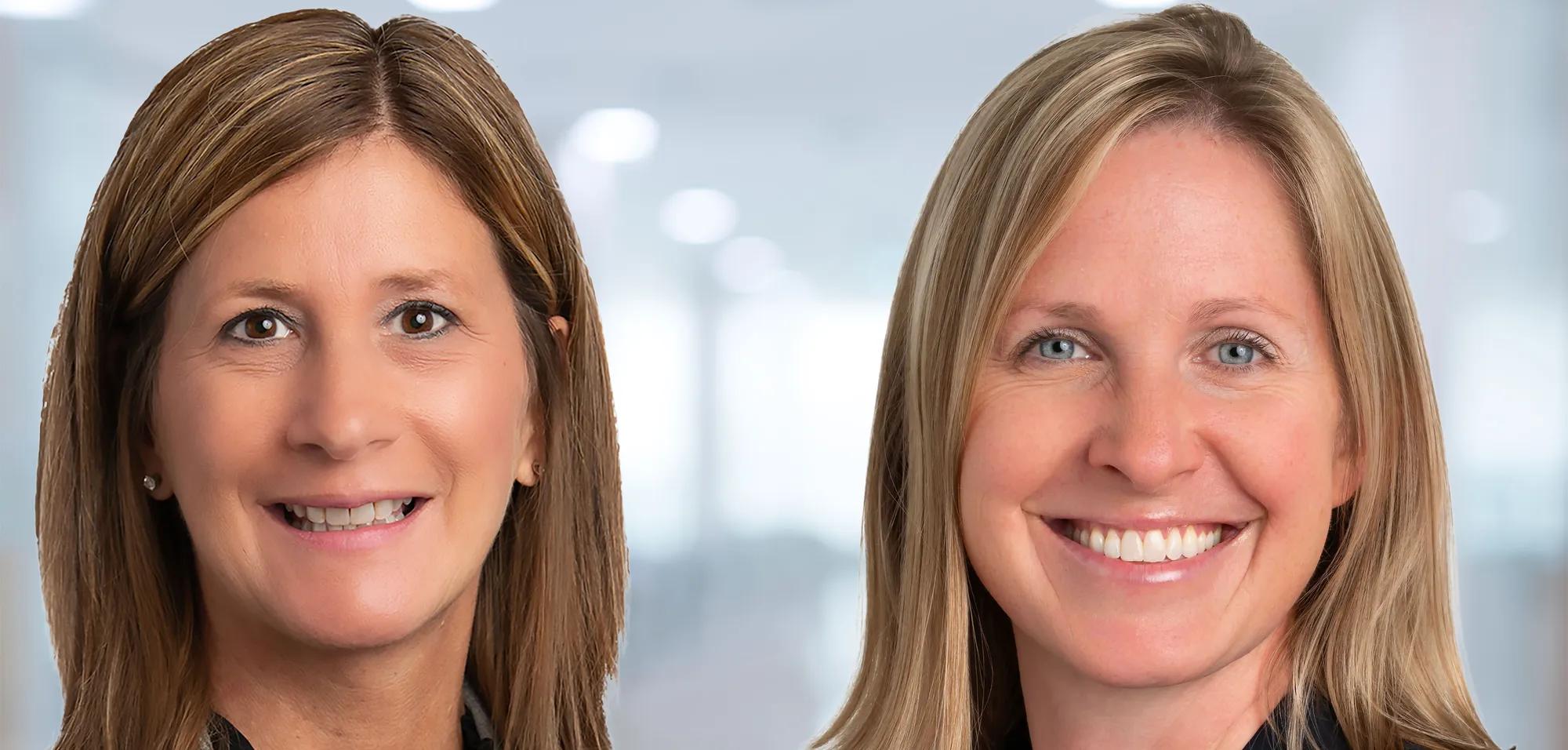
Healthcare workers are four to five times more likely to experience workplace violence injuries than workers in private industry, according to the Occupational Health and Safety Administration. This episode of Nurse Essentials delves into workplace violence prevention with insight provided by Ashley Withrow, PhD, Director of Cleveland Clinic’s Center for Workplace Violence Prevention and Caregiver Well-Being, and Erica Shields, MBA, BSN, RN, NE-BC, Associate Chief Nursing Officer for Emergency and Behavioral Health Nursing and co-chair of the Enterprise Workplace Violence Committee.
Advertisement
Cleveland Clinic is a non-profit academic medical center. Advertising on our site helps support our mission. We do not endorse non-Cleveland Clinic products or services. Policy
Recent Episodes
Leaning into Evidence-Based Practice
Evidence-based practice involves three factors: using high-quality research to guide nursing practice, relying on clinical expertise and inv…
Caring for Patients with Chronic Lung Disease
Four to six percent of Americans live with some form of chronic lung disease, and it remains one of the leading causes of death and illness…
Back to School: Is it Time to Pursue Another Nursing Degree?
Lisa Baszynski, DNP, RN, NE-BC, Associate Chief Nursing Officer (ACNO) for nursing education and professional development at Cleveland Clini…
Video content: This video is available to watch online.
View video online (https://cdnapisec.kaltura.com/p/2207941/sp/220794100/playManifest/entryId/1_gk6l8ygq/flavorId/1_5f3sgelj/format/url/protocol/https/a.mp4)
Transcript
Carol Pehotsky:
Workplace violence and healthcare. Once upon a time, a lot of us, myself included, considered it part of the job, just part of being a nurse and caring for patients. But thankfully, we've grown past those old ways of thinking to the extent that it's not just us as nurses, it's other caregivers. We're supported by expectations from our healthcare organizations and our regulatory bodies. I'm joined today by Erica Shields and Dr. Ashley Withrow to learn more about workplace violence prevention and how to support each other to de-escalate patients and respond in the moment.
Advertisement
Cleveland Clinic is a non-profit academic medical center. Advertising on our site helps support our mission. We do not endorse non-Cleveland Clinic products or services. Policy
Hi, and welcome to Nurse Essentials, a Cleveland Clinic podcast where we discuss all things nursing, from patient care to advancing your career, to navigating tough on-the-job issues. We're so glad you're here. I'm your host, Carol Pehotsky, associate chief nursing officer of Surgical Services Nursing.
Welcome back, everyone. Our topic today is around workplace violence. How do we protect ourselves as caregivers? How can we work with our organizations and even the cities and the communities within which we work and live to make sure that we as healthcare workers are able to provide care in a way that we feel safe as well?
It's certainly the talk of all sorts of venues that highlighted workplace violence this most recent season. OSHA talks about healthcare workers are four to five times more at risk for workplace violence of some sort than all other industries combined. Here we are recording at the beginning of June, and breaking news as of two days ago, Cleveland City Council just passed legislation that increases the penalties for people who even threaten healthcare workers. We're hoping that passes all the way through, and we've seen in several other communities within which Cleveland Clinic is thrilled to operate, seeing our city councils and our mayors and leaders really leaning into this space as well. So, it's good that it's being recognized. It's bad that it's still a problem.
Advertisement
And with that, I'm so thrilled to introduce you all to two guests today. You might remember her from before but so delighted to welcome back Erica Shields. Erica is the associate chief nursing officer for Emergency and Behavioral Health Nursing and the co-chair of our Enterprise Workplace Violence Committee. Erica, welcome.
Erica Shields:
Thank you. Glad to be back.
Carol Pehotsky:
We're also joined by Dr. Ashley Withrow. Ashley is the director of the Center for Workplace Violence Prevention and Caregiver Wellbeing, somebody who's been an incredible asset to our organization in other roles and new to this role. Welcome, Ashley. We're so glad to have you too.
Dr. Ashley Withrow:
Thank you. I'm glad to be here.
Carol Pehotsky:
Great. Ashley, talk to us a little bit about your career journey. And this is a brand new role, a little bit about this role and the center and what it's designed to do, please.
Dr. Ashley Withrow:
Yes, absolutely. The center is new, announced just about a year ago by the Cleveland Clinic, and really a testament to our leaders' investment in our caregiver safety. Workplace violence prevention has been top of mind for Cleveland Clinic for many, many years, but this is the first time that we've had dedicated caregivers focused on this full-time. All our co-chairs over the last many years have been doing this amidst all the other things that they have going on.
Carol Pehotsky:
Erica and crowd, yes.
Dr. Ashley Withrow:
Yes, I'm looking at Erica. It's really, again, just an investment in making sure that we have the resources to address workplace violence prevention, response, and recovery for our caregivers.
I have been here at Cleveland Clinic for over 12 years and previously served as one of our victim advocates in our protective services area, and through that role, provided support to victims of all types of crime. But year over year, what we saw was that more of the victims that we served were workplace violence related, so both verbal and physical incidents occurring in the workspace. I saw firsthand how much this issue affects our caregivers, not only professionally, wondering, is this what I want to continue to do, and can I continue to come to work and be subjected to this behavior? Also personally, the physical, the mental impact on their own wellbeing, but even extending to the impact on their families and their personal networks at home.
I'm really happy to be in this role so that we can look at that individual impact, but on a systems level. What can we do as a health system to best support those caregivers affected by this issue?
Carol Pehotsky:
Yes. And audience, I can assure you, for better or for worse, I have had the wonderful opportunity to interact with Ashley when I've had caregivers who really need that support, and it's been such a fabulous resource. The support you've provided those caregivers has been amazing. And it's so exciting to see you blossom into this role as well.
Advertisement
Dr. Ashley Withrow:
Thank you.
Carol Pehotsky:
Erica, Ashley highlighted some of the types of workplace violence we're seeing. You represent two areas that can be at higher risk for workplace violence, but we know it can happen anywhere. Are there certain clinical settings or circumstances that may end up carrying a higher risk for violent incidents?
Erica Shields:
That's a great question, Carol. I know in the past, like you alluded to, it used to just be in the emergency departments and behavioral health units where we heard that most of these events were happening. But really, it's across all our care areas. We have seen an increase in our med surg areas, in our ICUs, as well, and it continues to happen in behavioral health and emergency departments. Our waiting areas, front desk, anytime we know that patients are waiting, they can become frustrated and that can lead to verbal and sometimes physical outbursts.
Carol Pehotsky:
What are some other situations where you might see some warning signs, no matter where you work, that things might be escalating?
Erica Shields:
Yes, I think that when patients come in or visitors come into our organization seeking care with us, it can be a scary time. They don't know what's happening. That anxiety is high. We know when they're anxious, that can lead to not feeling in control and then not having control of their emotions, leading again to some verbal outbursts. And sometimes that does escalate. Other warning signs could be emotional, the change in their tone of voice. They start to raise their voice. They start to have pressured speech. We also see pacing, starting to clench their fist, just different body language indicating that they're uncomfortable and starting to lose that control. I would say these would be some of the early warning signs that we see.
Advertisement
Carol Pehotsky:
If I'm in a bed, attached to IVs and devices, that doesn't mean I'm not capable of having verbal or physical outbursts. So, for that patient who I'm taking care of in an inpatient scenario, one that isn't necessarily pacing, might be doing some clenching of fists. Any other things that I should be thinking about when I'm taking care of an inpatient in terms of signs that they might be escalating?
Erica Shields:
Sometimes it's they'll start to withdraw. You'll notice that they'll be closed off to the conversation, very short answers, trying to internalize everything that's going on and may not be able to verbalize what's going on.
Carol Pehotsky:
I think back to many, many years ago when I worked med surg and it can be as quick as physician comes in, delivers some news, even if the most empathetic, like you said, they're anxious, they're out of control, physician leaves, and you walk in not knowing, getting blindsided by... What are some things that physicians and nurses and other caregivers can do to hand off to each other, to give them some heads-up that something might be brewing?
Erica Shields:
Yes. I think it's, like you said, that good communication between teams is always important. Having that situational awareness of what you're walking into and being prepared, always having one step ahead, anticipating what the next move could be. And that even means placing yourself in a room where if something was to occur, you have the quickest access to the door, making sure that you're positioned that way. Making sure that you are always reiterating that the patient is safe, that you're doing your best to make sure that they're feeling safe in that environment. A lot of times, refocusing their attention back to the problem or back to the topic at hand. Sometimes they tend to want to focus on things that maybe are beyond your control or their control, but really getting back to the topic at hand, and then assuring them that we're going to do this together, that you're there as their support, building that trust. If they can trust you, that goes a long way in making sure that you build that therapeutic relationship.
Advertisement
Carol Pehotsky:
Absolutely.
Ashley, as nurses, but also healthcare workers in general, we go into these fields to serve, to support. Way back when I was in nursing school, we were basically taught to be everything to everybody and to be a blank slate and to give of ourselves, even if it put us in perhaps the way of something that could be injurious to us. How do we support nurses and caregivers to really maintain that empathy and that compassionate care, but also make sure they feel personally safe and they're able to set professional boundaries?
Dr. Ashley Withrow:
I think the first thing is to let our caregivers know that they are allowed to set those boundaries. And that's the hardest part, right?
Carol Pehotsky:
Yes.
Dr. Ashley Withrow:
And to your point, people come into the field, and they feel like we have to take care of the patient, and that is absolutely true, but we work closely with our ombudsman as a partner. And I've heard our ombudsman say many times, "There are ways to set boundaries with empathy." We work with the ombudsman and nursing education to teach our caregivers how to do that.
So, some of the recommendations that they have are to first communicate with heart, within our framework of start with heart, respond with heart, but then being able to set limits, clear limits, and communicate that upfront and early. They oftentimes provide scripting to our caregivers so that they feel like they have heard the words that they need to use with the patient before they are in the situation.
For example, they'll teach caregivers to set limits by saying something like, "I want to help you, but I can't do that if you're yelling at me." With that boundary, as much as we can, offer choice to give more sense of power and control back to that patient, who is likely struggling with frustration or information in this difficult setting. So, saying something like, "You have a choice. You can continue this call now or you can call back later."
We are also teaching caregivers not only to set these limits in person when they're face-to-face with our patients or our visitors that might be showing signs of agitation or escalation, but we also are really taking an approach where we're acknowledging that this is an issue that's affecting every caregiver across all spaces. We're trying to emphasize teaching these same skills to our caregivers that are working with our patients by phone or in those non-clinical roles as well.
Carol Pehotsky:
It's so important because that can unfortunately happen anywhere, especially when people are feeling that loss of control or really dealing with very challenging news.
So, Erica, now the patient, the family member is escalating. What are some easy practical techniques that caregivers can use at the bedside in the moment to try to de-escalate the situation?
Erica Shields:
I think it's really just listening to the patient. They have gotten to that point but continue that active listening. "What can we do?" Remain calm, yourself. It can be hard to do, but don't let your emotions... I think it's important to have that emotional intelligence to recognize when the patient has reached that limit, but then how do you make sure that you're keeping control of your own emotions and not escalating as well? Because we know that that's not going to happen.
We do need to call for help often. You don't want to tackle some of these events on your own, so having other people come in. Maybe you and that patient or visitor got off to not such a good start, but maybe somebody, a new person coming into the room, bringing a fresh perspective and maybe somebody else that that patient feels comfortable and connected to. So always phone a friend.
And always make sure that we have our protective services close by. We have many ways of getting ahold of them, and they're very visible and present in our units, which is important for us, a great partner to our care team. So, involving them early too, even with the verbal. We always say, "If your gut's telling you that something's not right and that maybe this patient is going to escalate, I think early intervention is very important."
Carol Pehotsky:
So, listeners, if you're not from Cleveland Clinic, the good news is you still have resources. Another assignment you should all do is look at what those are for your organization. You have to have an ombudsman. That's not optional. And what are your security or police force resources so that when you're getting into challenging situations, you don't have to think about how to find that number and how to call? You have it ready. You're talking to your coworkers about, "Did you know that if we get into scenario, here's the ombudsman's number. Here's protective services' numbers. Let's post those things so we have them ready so you're not scrambling in the moment."
Erica Shields:
I would even say bringing in the provider, that's really important too. A lot of times, our patients or families really want to hear from the provider. So, if the provider happens to be on the unit, that's always a great resource too.
Dr. Ashley Withrow:
I was just going to say the other thing to proactively look into is what does your organization offer in terms of education and training related to this?
Carol Pehotsky:
Absolutely.
Dr. Ashley Withrow:
So, Erica has been talking about de-escalation. Many organizations offer de-escalation training. And one of our focuses this year is really thinking about how we can get more of our caregivers trained in de-escalation so that they have not only opportunity to understand and learn about what are the signs of escalation, what can I do when I notice those signs, but also that scripting and experience to be able to apply it in real life. So that's another ask back to your own organization if you're not from Cleveland Clinic, is what education is available to me to be proactive and preventative?
Carol Pehotsky:
Joint Commission has had a standard around prevention workplace violence since 2022. So again, listeners, no matter what facility you're from or where you're going to go into if you're a nursing student, there needs to be a structure there. It is absolutely an expectation of our regulatory bodies that we are being protected to the extent we can.
Sometimes this challenge isn't with the patient themselves. Sometimes it's with the visitor. And especially in an inpatient situation, we need to be able to take care of that patient, and the visitor is being disruptive or preventing us from delivering the care that we need to deliver. I'm going to start with you, Ashley. What are some suggestions you would have for caregivers and nurses about that patient who may really want that family member there, but it's getting in the way of the care we provide, how to set those boundaries? How do you think about what visitation needs to look like in these scenarios?
Dr. Ashley Withrow:
Sure. I think that starting with trying to create some type of rapport with that visitor and alignment. "Hey, I'm a caregiver here at Cleveland Clinic. I am here to help your family member. It's clear that you also want that care to be offered and you love your family member very much. We are on the same team. What can we do to best support the patient, who's really the focus of both of our attention?" Understanding that that may or may not work in every situation, I think it goes back to that team approach. So, caregivers shouldn't be expected to do that escalated visitor management on their own. They can tap into our Cleveland Clinic Police and Protective Services to help with that, and our ombudsman, to come in and help with that visitor management and alignment with our visitor pledge that they will behave appropriately and respectfully while they're here.
Carol Pehotsky:
A couple of years ago, we put up signs, right?
Dr. Ashley Withrow:
Yes. We updated the signs just recently within the last year in alignment with the Ohio House Bill 452 that passed. And we did that across Cleveland Clinic markets. The signage is really there to communicate to our patients and our visitors what the expectations for behavior are so that we can deliver great patient care.
Carol Pehotsky:
Erica, are you hearing anything either from our caregivers or our visitors about setting these behavioral expectations of our patients and visitors?
Erica Shields:
I think the caregivers are happy to see that they're up, knowing that as an organization, at the top, we do support their safety, and their wellbeing is front and center for us. I believe that I've heard from some patients and visitors almost shocked to think that they have to be up there. Again, I don't know how much knowledge is out there about the increase in violence, the verbal violence, physical violence that we're experiencing. So, when that topic comes up, I think people are often pretty shocked to hear that it's happening in the hospitals and with our caregivers.
Carol Pehotsky:
So, we saw the warning signs, we tried to intervene, we tried to de-escalate. Unfortunately, sometimes there's an experience of violence, whether that's verbal, whether that's physical. Ashley, what should caregivers do immediately after, whether they are the direct victim of that or whether they've witnessed it?
Dr. Ashley Withrow:
Absolutely. I think the most important thing is that they get themselves to safety, physically and emotionally. So, getting out of the situation, tapping into colleagues, managers, and our protective services team to respond to help them manage it. But once they've removed themselves, thinking about what's needed next, whether that's medical care, immediate medical care, getting themselves to the emergency department or other treatment as needed, but then the emotional piece is so important as well. We know that not every workplace violence results in physical injury, thankfully, but many of them result in emotional impact. And manager support and follow up, the opportunity to huddle with the team afterwards to think about what went well in that situation, what are opportunities to improve next time, as well as what else needs to be done right now to continue providing safe patient care.
So that's the immediate impact, but I think that the steps that a caregiver should take extends beyond that. Continuously checking in with themselves in the hours, days, sometimes weeks after to think about, how is this incident impacting me? Is it impacting me? Am I feeling nervous at work, at home? Am I feeling distracted or unable to focus on the care that I'm offering, or at home, the impact on my family and my ability to feel grounded? Those might be indications that there's opportunity for professional support. We have great resources here at Cleveland Clinic to offer that ongoing support to our caregivers after workplace violence incidents through our Caring for Caregivers program, our Victim Advocacy program. So I think that there are steps that caregivers can take, both in the moment but then self-care after the fact.
Carol Pehotsky:
And that debrief is really to learn. It's certainly not saying...
Dr. Ashley Withrow:
Absolutely.
Carol Pehotsky:
"What did you do wrong?" Of course not.
Dr. Ashley Withrow:
No.
Carol Pehotsky:
It's that, "Are you safe? Are we all safe? How do we move forward?" And there might not be anything to learn from it.
Dr. Ashley Withrow:
Absolutely. But what else can we change in this moment? Is it getting our protective services to round more often? Is it getting more communication between the teams to prevent further incidents from happening if this is a patient that is remaining in our care? I think it's really about safety and prevention and opportunities to check in with that caregiver and offer support.
Carol Pehotsky:
Absolutely.
Erica Shields:
I was just going to say, taking that pause is so important. A lot of times, that caregiver is so focused on the rest of their assignment or having to get back to their work and they're not focusing on themselves, like a lot of times we do. So, I think that pause is so important to really make sure that that caregiver's okay. And if they're not, it's okay to step away for a while. What does that look like? Do they need to step away, take a few minutes before they can resume the rest of their shift?
Carol Pehotsky:
Absolutely. I think we're doing a better job in our organization, especially as we continue to talk about this as regulations have changed in terms of reporting. But having said that, we know that there are probably many instances that don't get reported. Ashley, why do you think under-reporting happens and what can any organization do to encourage that reporting, that raising your hand and saying, "This happened to me"?
Dr. Ashley Withrow:
We know anecdotally that under-reporting is a challenge, and we also see that in a variety of peer-reviewed literature that's been coming out recently. I think there are several reasons that people choose not to report incidents, and part of that is related to hopefully an outdated stigma of, "This is just part of my job." We at Cleveland Clinic always say, "This is not part of the expectation of your work, or that this incident happened, but I can handle it, or there's a perception that nothing's going to happen if I report it."
And we're trying to address all of those here by encouraging reporting and making sure that we are communicating with our caregivers that people are looking at those safety event reports daily, and that we're closing the loop with our caregivers so that when they do take the time to report a workplace violence incident, they're hearing something back after the fact. "We saw your report. We are sorry that this happened to you and we want to check in to see what we can do to support you."
I think that the more caregivers see that loop closure, hopefully the more willing they will be to continue to report incidents of workplace violence.
Carol Pehotsky:
So, like a lot of things, the leader can really help set the tone for safe boundaries, speaking up when you either are in receipt of something or you witness something happen, et cetera. Erica, what can healthcare leaders be doing to help create that environment where people feel safe to speak up, where they're supported in setting boundaries as they need to provide that safe care?
Erica Shields:
I think one of the things is really just talking about it. Our commitment to our caregiver safety obviously is evident by the creation of the Center for Workplace Violence Prevention and Caregiver Wellbeing. We have frequent touchpoints with our caregivers throughout the day, whether it's rounding or in huddles, bringing it up. Don't be afraid to talk about what's really happening in our area because that's how we learn. That's how we grow. That's how we support each other and continue to make things safer for each other. Whether it's in, again, your leader rounding, your huddles every day, really talking about your area and what challenges you're facing in your area, and then collectively as a team, how can we make things safer?
Carol Pehotsky:
Excellent. Ashley, anything else to add in terms of what leaders can be doing?
Dr. Ashley Withrow:
No, I think, Erica, your points are great. We know from research that leadership support is one of the number one factors. I think the other important point is that sometimes the impact ripples beyond just the individual caregiver, and that's affected by workplace violence. So that leader support of the entire team and opportunities to discuss as a group can be impactful.
Carol Pehotsky:
Absolutely. Ashley, the Center for Workplace Violence Prevention and Caregiver Wellbeing, a brand new center. What's the future of this center and how can we continue to grow in this space and support you and your team?
Dr. Ashley Withrow:
Thank you for the question. We're focused this year on really understanding our caregiver's perceptions and asking them what we should be focused on so that we can generate our strategy and our goals for future growth and development of the center based on their input to make sure that it translates into meaningful impact.
Another thing that we're really prioritizing is more awareness and education. As we talked about, we have great programs in place with our de-escalation training. We have simulation drills through the mock Code Violets, but we also know that there's an opportunity to provide ongoing education that's more accessible. So, we have started quarterly education sessions on workplace violence. That's open to all our caregivers, clinical and nonclinical, across our entire enterprise. And we're really hoping that will be an opportunity for the center and for our leaders to promote that to keep this topic top of mind for our caregivers. So that's an opportunity.
We're also focused on tailoring education to specific caregiver needs. We've talked about inpatient settings. We've talked about some of our ambulatory locations. Those caregivers have really different needs and different experiences, and so we've also developed some training for our ambulatory caregivers specifically that we're going to use as a model moving forward to reach more caregivers to think about what situational awareness and de-escalation looks like across a variety of different settings.
Carol Pehotsky:
Wonderful. Well, I can't thank you both enough. You shared such great wisdom, not just about things that we as an organization are doing, but what other people should be looking for in their own organizations in terms of these resources.
We're going to wrap up with one final question for each of you. As you know, we revised our organizational values earlier this year to three very highly impactful values of serving with heart, succeeding as one team, and shaping the future. So, my question to each of you is, which of these three resonates the most with you and why?
Dr. Ashley Withrow:
For me, serve with heart really resonates, both from my background as a victim service provider and as a social worker, but also thinking about really leading in this space with empathy and a focus on the voice and the lived experience of the caregiver. I think if we do that, we will make decisions that have a meaningful and lasting impact on our caregivers.
Carol Pehotsky:
Wonderful. Erica, how about for you?
Erica Shields:
Ashley talked about serve with heart. I will talk about succeed as one team. I think as an enterprise, in my enterprise role, it's really important to make sure that we are succeeding together across the organization. It's important that we have the same practices, the same policies, the same standards, and that we approach workplace violence in this situation the same. So, I think succeeding as one team and being there to support our caregivers is what matters most.
Carol Pehotsky:
Thank you both so much for joining me today.
Dr. Ashley Withrow:
Thank you for having us.
Erica Shields:
Thank you.
Carol Pehotsky:
As always, thanks so much for joining us for today's discussion. Don't miss out. Subscribe to hear new episodes wherever you get your podcasts.
And remember, we want to hear from you. Do you have ideas for future podcasts or want to share your stories? Email us at nurseessentials@ccf.org. To learn more about nursing at Cleveland Clinic, please check us out at clevelandclinic.org/nursing.
Until next time, take care of yourselves and take care of each other.
The information in this podcast is for educational and entertainment purposes only and does not constitute medical or legal advice. Consult your local state boards of nursing for any specific practice questions.
Recent Episodes
Leaning into Evidence-Based Practice
Evidence-based practice involves three factors: using high-quality research to guide nursing practice, relying on clinical expertise and inv…
Caring for Patients with Chronic Lung Disease
Four to six percent of Americans live with some form of chronic lung disease, and it remains one of the leading causes of death and illness…
Back to School: Is it Time to Pursue Another Nursing Degree?
Lisa Baszynski, DNP, RN, NE-BC, Associate Chief Nursing Officer (ACNO) for nursing education and professional development at Cleveland Clini…
Never miss a moment - subscribe now.
Listen to the Health Essentials Podcast on your favorite streaming platform.
Other Podcasts You May Love

MedEd Thread
MedEd Thread explores the latest innovations in medical education and amplifies the tremendous work…
Health Essentials
Tune in for practical health advice from Cleveland Clinic experts. What's really the healthiest diet…

Beyond Leadership
Hosts Jim Pae and Elizabeth Pugel escort you through a network of thought leaders, sharing world-cla…

Studies in Empathy
Join Cleveland Clinic Patient Experience leaders and a group of guests with a wide range of experien…