



Cancer Survivorship in the Era of CAR-T and Bispecific Therapies
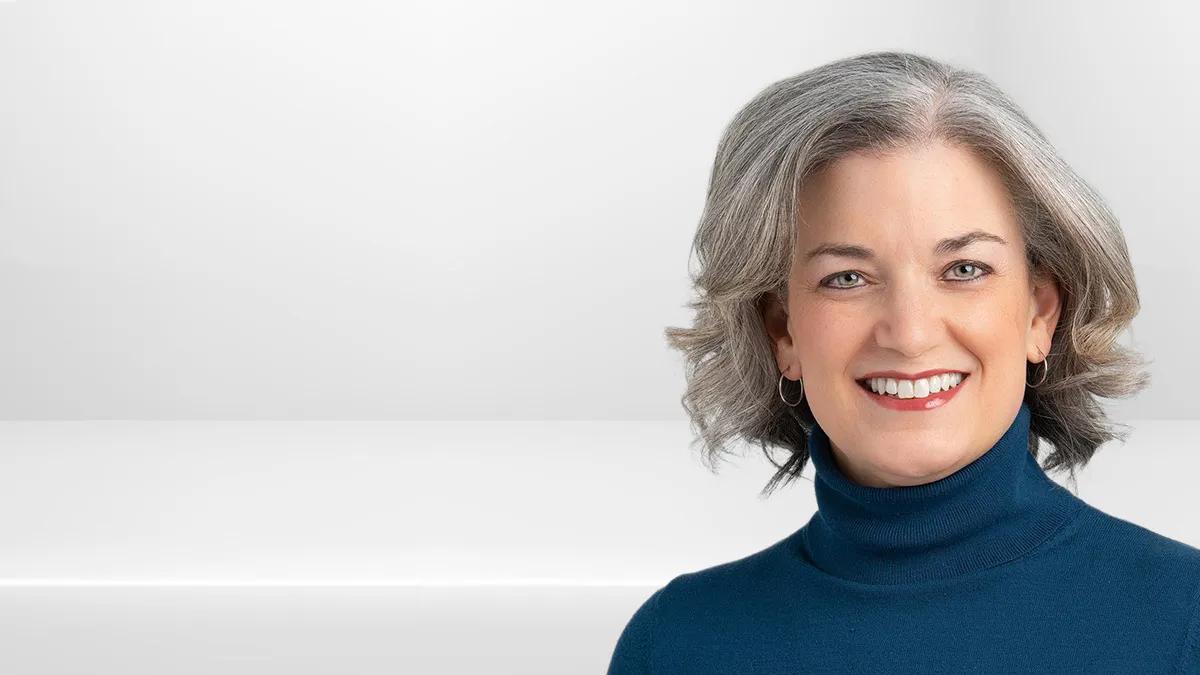
As cancer therapies continue to evolve, so do the long-term needs of survivors. In this episode, Dr. Dale Shepard sits down with Christina Ferraro, CNP, Director of Oncology Survivorship at Cleveland Clinic, to discuss the growing role of survivorship care in identifying and managing late and long-term toxicities. Together, they explore how newer treatments such as CAR-T and bispecific therapies are changing survivorship needs, the importance of monitoring for infections, secondary cancers and other delayed effects, and how dedicated survivorship programs help patients thrive long after treatment ends.
Advertisement
Cleveland Clinic is a non-profit academic medical center. Advertising on our site helps support our mission. We do not endorse non-Cleveland Clinic products or services. Policy
Recent Episodes
Inhaled KB707 Plus Pembrolizumab in Lung Cancer
Patients with advanced lung cancer often experience disease progression despite treatment with immune checkpoint inhibitors. In this episode…
Improving Diagnosis and Care for Rare Cancers and Blood Diseases
Rare cancers and blood diseases present unique diagnostic and treatment challenges, often requiring specialized expertise and multidisciplin…
CAR T and Bispecific Therapies in AL Amyloidosis
Hematologist and myeloma specialist Shahzad Raza, MD, joins the Cancer Advances podcast to discuss emerging cellular and immune therapies fo…
Video content: This video is available to watch online.
View video online (https://cdnapisec.kaltura.com/p/2207941/sp/220794100/playManifest/entryId/1_8hcc8yvk/flavorId/1_5f3sgelj/format/url/protocol/https/a.mp4)
Transcript
Dale Shepard, MD, PhD:
Cancer Advances, a Cleveland Clinic podcast for medical professionals, exploring the latest innovative research and clinical advances in the field of oncology. Thank you for joining us for another episode of Cancer Advances. I'm your host, Dr. Dale Shepard, a medical oncologist and co-director of the Sarcoma Program at Cleveland Clinic. Today, I'm happy to be joined by Christina Ferraro, a nurse practitioner and director of oncology survivorship here at Cleveland Clinic. She's here today to talk about the growing role of survivorship for late and long-term toxicities in new cancer therapy. So welcome.
Advertisement
Cleveland Clinic is a non-profit academic medical center. Advertising on our site helps support our mission. We do not endorse non-Cleveland Clinic products or services. Policy
Christina Ferraro, CNP:
Thank you for having me.
Dale Shepard, MD, PhD:
Absolutely. So, I gave a title, but what do you do at Cleveland Clinic?
Christina Ferraro, CNP:
I work in bone marrow transplant and cellular therapy as their NP, well, one of them. And I am an outpatient APP manager for Taussig Outpatient, and then I am the director of survivorship. So, I wear many hats.
Dale Shepard, MD, PhD:
Many hats. I see you all around and I'm never quite sure which hat you're in currently.
Christina Ferraro, CNP:
I know. Nobody does.
Dale Shepard, MD, PhD:
It's all good. So, we're going to talk about light and long-term toxicities. A lot of people might be listening in with differing backgrounds. And so I'm going to start with something really basic. What defines a late toxicity and a long-term toxicity?
Christina Ferraro, CNP:
So that's a good question. And I think that the biggest questions for me, I always look at what's going to happen in the first three months, what's going to happen in the first six months, a year? Those tend to be late side effects of treatment. And then when we look at long-term survivorship, we're really looking at five, 10, 15, 20 years down the road. What are we going to see and what do we need to look for later?
Dale Shepard, MD, PhD:
You think historically we've paid more attention to the late effects than the long-term effects?
Christina Ferraro, CNP:
Oh, for sure. Because everybody is paying attention to acute effects and then they come back and they say they have something going on, but really what is it related to? Is it related to the treatment? Is it related to something completely different? When you can see it within the first year, I think you can say it's related to treatment. Whereas when you get to five years, 10 years, is it treatment? Is it just a comorbidity? Is it some other external impact? Who knows?
Advertisement
Dale Shepard, MD, PhD:
So, as we get into these different therapies, how has the world changed in terms of how we think about late and long-term toxicities?
Christina Ferraro, CNP:
So, the new therapies are pretty amazing and I think because they're more targeted therapies and because we see a different immune effect, we still see side effects from chemotherapy, radiation, but maybe they're just more pinpointed side effects than long-term effects. So, when we look at, for example, bispecifics therapies or you look at immune effector cell therapies, it's very pinpointed to the immune system. So, you're looking at the fact that their B cells don't function well or they don't even have B cells. And so long-term effects are you're going to get infections. And so how do you prevent infections? And then chemotherapy is very non-discriminatory. It goes after everything. So, you're looking ahead to toe what is going to happen to this person, whereas you can, I feel like pinpoint a little bit more with some of the newer designed treatments.
Dale Shepard, MD, PhD:
But I guess a lot of this has been a bit of a moving target, right? So, it's been a little while since I was a fellow and doing cell transplant sort of things, but the big thing was really graft versus host, for instance, is something later long-term, right? But now with these new therapies, totally different. And so really how have people been learning what to even look for, I guess would be a question.
Christina Ferraro, CNP:
Well, first of all, CAR-T therapy only now has 10 years post. So now we're seeing data published with what should we look for? And we're lucky in the cellular therapy world because we have the Center for International Blood and Marrow Transplant Research, and it has a huge database. Well, when cellular therapy came about and CAR-Ts and all those things, it became under that umbrella. And so, these databases are huge. Every transplant center who does cell therapy or any cell therapy center now has to report to the CIBMTR. And so, then you can gather all this long-term effects, which is what we did for transplant. So, it's just been a continuation of what we've already done. We've just added to the population. And so now you can go back and look 10 years and go, okay, well, these patients now, what's different compared to transplant? What's different compared to their standard of care therapies? And it's cool to be able to look forward instead of always retrospectively looking backwards.
Dale Shepard, MD, PhD:
And I guess the unique advantage in this area is the registry.
Christina Ferraro, CNP:
Yes.
Dale Shepard, MD, PhD:
Because it's not like something new that comes out for lung cancer and you have random guys here and there treating-
Christina Ferraro, CNP:
And gathering data locally.
Advertisement
Dale Shepard, MD, PhD:
Even though you might get frustrated at times by the registry, it's actually very beneficial in this case, right?
Christina Ferraro, CNP:
It is. It is. And because it's so new, these therapies are so unique compared to what it's been in the historic past that I think it's a benefit to patients to see, okay, we have a very robust 10 years, not just 20 people at one center or a hundred people at one center. You have thousands of people that you can look at.
Dale Shepard, MD, PhD:
You mentioned about infections, for instance, and B-cells and things. What other kinds of things have we been seeing as we follow people along with survivorship plans?
Christina Ferraro, CNP:
The biggest non-relapse mortality is infections, viral, fungal, and second cancers, second primary cancers. And in some situations, lymphoid cancers like MDS and acute leukemia and that kind of thing. And the question is it the cumulative effect of everything they've gotten, or is it really part of the CAR-T therapy or the bispecifics?
Dale Shepard, MD, PhD:
Sometimes it's hard to know, but how at Cleveland Clinic are we approaching survivorship? I know within your entire program it's incredibly well run in terms of from the upfront and getting people ready for treatment, treatment, immediate follow-up. That survivorship, particularly long-term, what does that look like?
Advertisement
Christina Ferraro, CNP:
So, within the cellular therapy team, we have it very well planned out. So, they come in at specific time points. It's expected by the patient that they're going to come in and have these hour-long visits with an NP or a PA who goes through everything and says, "This is the things we need to do. Are you doing them? If you're not doing them, how can I help you get there? What kind of resources do you need? And are there things that we can do to help?" Obviously. Because we started in transplant, it's been much more smooth to add to that. So, we started with allogeneic stem cell transplants because those are the lowest hanging fruit with the most toxicities and now you just add to them. And so, we work collaboratively with the myeloma team and the lymphoma team who do share these CAR-T patients because we don't keep them long-term within BMT, but now we can work with them and make sure that the teams work together to watch these patients and follow these patients and get their T cells checked, get their IgGs checked, all those things. So at least within this sphere, we have a very nicely smooth process, which we now know can be translated to other disease teams.
Dale Shepard, MD, PhD:
I guess that was something I was going to ask about because within transplant, they were transplant patients and they stay transplant patients. Now cell therapy, for lack of a better way to put it's more like a service to other groups. And so I guess coordination with all those other groups. And then does that mean that within the survivorship group, the APPs that are doing a lot of this, is it more of a navigation role in some cases to make sure that things are being done at the right times?
Advertisement
Christina Ferraro, CNP:
So yes and no. There's a lot of patient education with it, and then there's a lot of long-term side effect monitoring. So, when we see a patient, we go, "Okay, what are the things that we're watching for? Are you having any of these symptoms?" Sometimes the symptoms that they experience are actually more long-term fatigue or the chemo brain that continues on, and they don't necessarily think it's going to get better. And maybe we have something that we can use like cognitive therapy or speech therapy, things like that. And I think that that's where we have a big role as clinicians in the Cancer Institute is really to perform that exam, but also to give so much more information to the patient that says, "This is what you need to tell your providers where you live and who you follow with. And if there's any issues, tell them to call us." I think that communication needs to be more smooth in general.
It's hard. Everybody works more than they feel like they can handle. And do I take one more thing on? And we don't ask the PCP to take on all of that education but just be aware of the symptoms and the signs and send them back to us if we need to. And that navigation piece is also part of it. So, if I see you and you're having shortness of breath and lower extremity edema and you've had a bunch of anthracycline, I'm going to go, "Maybe we should look at your cardiac function". Am I going to do all that testing or know what all that testing is? Not necessarily, but I can start with an echo and send you to cardio onc. So, some of that is navigating. Some of that is-
Dale Shepard, MD, PhD:
I can just imagine that some of these, particularly long-term, when you first treat the people, they may be more local, but over the course of time, they now live in Tennessee, or they live in Texas. And when I guess talk about navigation, it's more like making sure that they're still on track, but within the program overview of survivorship.
Christina Ferraro, CNP:
Yes. And we're lucky in transplant and cellular therapy that we have really amazing nurses who help gather information for us. So, if a patient does get all their testing done externally, we can have them help gather it if it's really outside of ... Care everywhere has made a huge difference. If they're connected, we can see everything. It's really, really nice, that continuity of care and being able to say, "Yeah, you had your mammogram. Have you had your colonoscopy? I don't see it in your chart." And to remind them that just because you had all this chemotherapy, it doesn't mean you're not going to get another cancer. People sometimes think that I think. I got the biggest chemo I could get, or I got this huge immune modulating cell therapy that's going to fix everything in me, and it's really not. In fact, you're higher risk for second cancers.
Dale Shepard, MD, PhD:
Patients probably aren't in a big hurry to hear that though.
Christina Ferraro, CNP:
No. There's a lot of emotional and support along with everything else you do.
Dale Shepard, MD, PhD:
And I guess that's an important point because actually the whole psychosocial support that goes with transplant and things, is that carried on through on an as needed basis through survivorship as well?
Christina Ferraro, CNP:
Yes. We work with the social work team and we really talk about what it is that they have the ability to do, how do we use their resources, how can we give the patients what they need without overwhelming what we have already? Because everybody is working really hard and dealing with the acute patients and their acute needs and the long-term things should still be talked about, should still be addressed. And a lot of them can be if they're chronically fatigued, or they have a chronic illness from treatment, then you're dealing with work, return to work, not return to work, family life, role changes. Those are all more of a psychosocial side effect of long-term survivorship.
Dale Shepard, MD, PhD:
I guess as these treatments become more, I guess I'll say mainstream, we're doing more outpatient things, we're doing more ... Do you see there's danger that more people are going to start giving these treatments without thinking about survivorship long-term? Are these going to become more community-based? Where's going to be the oversight?
Christina Ferraro, CNP:
Oh yeah, I think they're definitely going to go, especially bispecifics. I do think there are still cellular therapy, like the CAR-Ts and the TILs and things like that need a little bit different collection process. So, they have to be at a center that knows what to do with those. But bispecifics, they're going to be given everywhere. And I think it's going to be a challenge in general. I think it's everyone's responsibility who takes care of a patient to make sure that what you're doing, you always look at what's the next step. You can't just look at in the moment, but patients are always looking in the moment. So, you have to be the one responsible to go, "Okay, what is this going to do for them later?" There are NCCN guidelines even now for immune effector toxicities and late effects and things to watch for. Some of it is late effects. Survivorship is still coming along, but a lot of those, it's just prolonged cytopenia. So, it's prolonged late effects become survivorship issues five years, 10 years down the road still. Still dealing with all of those.
Dale Shepard, MD, PhD:
I guess if there is a move toward more and more people doing these treatments, what kind of guidance would you give to someone listening in to say, "You know what? I probably should step up my survivorship game." What kind of guidance might you give?
Christina Ferraro, CNP:
I think the guidance is finding somebody who's got passion for it, because if you don't have somebody who's really invested in the long-term care, the survivorship care of cancer patients, then it's just one more chore. The patient won't get what they need and nobody's responsible. They'll be like, "Oh, I don't want to do that. It's not on the top of my list of things to do." But if you find someone who wants to take it on, identifying that person is probably the first step. And then look at all your resources, reach out to other people who have already been doing it for a long time or who have a good system in place. Reach out to other oncologists that are near you or other primary cares that may have an interest in survivorship because there are other people like cardio onc and cardio neph, like oncology nephrology.
Dale Shepard, MD, PhD:
Oh, there's cardio neph too, but neph oncology.
Christina Ferraro, CNP:
Neph oncology. So, there's pockets of people who are interested in these things and you just have to find them. So, it's all about networking. It's all about who you know and making those connections so that you can share, I don't want to say the burden, but the task of the long-term care of these patients.
Dale Shepard, MD, PhD:
Survivorship is, as you mentioned, there are guidelines and things like that, but at the same time, everyone has their own thought of what survivorship really means and what it entails. Are there particular aspects of survivorship that as you see people coming through and you talk to colleagues at other places, are there aspects of survivorship you think get missed too often?
Christina Ferraro, CNP:
I do think that sexual health gets missed often. Fertility gets missed often. And that's in every survivorship class. Young, old, it doesn't matter. I had an elderly patient, 75, come in and we talked about their sexual health and she said, "Nope, we're good. We're having sex. It's fine." And it's almost like people are afraid to say that word and say, "Are you having intercourse? Are you comfortable? Is it fun? What do you need?" People don't want to ask that question. It's a little awkward, especially when you're talking to somebody who's 75 years old. Not a lot of people are comfortable with that. Or they'll be like, "Oh, 75's too old for sex." And you're like, "It's not though."
Dale Shepard, MD, PhD:
Yeah. Just a matter of asking the question.
Christina Ferraro, CNP:
It is. And that's a lot of things. It's just asking the question. And that's why having a purpose, like a purposeful appointment, to ask the questions. You're not just asking about, are you having any symptoms of recurrence or you're not having any symptoms of chemotoxicity acutely or even late effect, but in survivorship are you having fatigue issues that are impacting your life? Are you depressed? Are you anxious? Are you having sex? Do you want to have sex? That's the other question you got to ask. Some people don't. They're like, "Oh no, I'm good. I don't want to. We're good." And that's fine. But if you don't ask ...
Dale Shepard, MD, PhD:
That's the importance of it being a separate encounter, if you will. Instead of saying, "Well, but I saw the patient. I went over their scans. I talked to them about their symptoms."
Christina Ferraro, CNP:
And we talk, we're survivorship because we're three years out and we're talking, but it's not.
Dale Shepard, MD, PhD:
But it's not really the same.
Christina Ferraro, CNP:
It's not really the same. And it needs to be for the patient too. This is your survivorship appointment. Whether you're metastatic, whether you're still in treatment, whether you're in remission for three years, this is your appointment to talk about the things that we don't talk about on a daily basis.
Dale Shepard, MD, PhD:
Because it sets up the expectations about what to get out of the appointment.
Christina Ferraro, CNP:
Right. I get to ask the questions that seem quirky and not related, or I need help with something. And I think giving them that opportunity helps them. There's some data now that shows that the anxiety level of people has decreased since starting survivorship programs and doing survivorship clinics, that the long-term anxiety has dropped. So sometimes it's just telling them, "Yeah, this is normal. Your fatigue, this may be it forever. You may not get better, but let's talk about how we can manage it."
Dale Shepard, MD, PhD:
But by setting it aside as well, you don't have the associated anxiety from what's my test going to show. There's separate things to discuss and think about.
Christina Ferraro, CNP:
And then one of the things we do, and most people do, at least in the first survivorship visit, is this is what you've been through. Look at everything you've done. It's amazing. You made it through all of this, and this is what we're going to do moving forward. And it's that break of, I've been doing all these acute things and now I'm going to be doing all these long-term things because I'm going to live forever. And that's the idea. We don't do this to not have them survive, but we want them to thrive too.
Dale Shepard, MD, PhD:
Fantastic work you're doing.
Christina Ferraro, CNP:
Thanks.
Dale Shepard, MD, PhD:
Keep up the good work.
Christina Ferraro, CNP:
I'm pretty passionate about it. Can you tell?
Dale Shepard, MD, PhD:
See, and it's exactly ... See, everyone's going to listen and be jealous. It's like, where's our Christina?
Christina Ferraro, CNP:
I don't know about that, but ...
Dale Shepard, MD, PhD:
Well, thanks for being with us and sharing all your insights.
Christina Ferraro, CNP:
Thanks.
Dale Shepard, MD, PhD:
To make a direct online referral to our Cancer Institute, complete our online cancer patient referral form by visiting clevelandclinic.org/cancerpatientreferrals. You will receive confirmation once the appointment is scheduled.
This concludes this episode of Cancer Advances. For more podcast episodes, visit our website, clevelandclinic.org/canceradvancespodcast. Subscribe on Apple Podcasts, Spotify, or wherever you listen to podcasts.
Thank you for listening. Please join us again soon.
Recent Episodes
Inhaled KB707 Plus Pembrolizumab in Lung Cancer
Patients with advanced lung cancer often experience disease progression despite treatment with immune checkpoint inhibitors. In this episode…
Improving Diagnosis and Care for Rare Cancers and Blood Diseases
Rare cancers and blood diseases present unique diagnostic and treatment challenges, often requiring specialized expertise and multidisciplin…
CAR T and Bispecific Therapies in AL Amyloidosis
Hematologist and myeloma specialist Shahzad Raza, MD, joins the Cancer Advances podcast to discuss emerging cellular and immune therapies fo…
Other Podcasts You May Love
Beyond Leadership
Hosts Jim Pae and Elizabeth Pugel escort you through a network of thought leaders, sharing world-cla…
Beyond the Pages: CCJM Podcast
Beyond the Pages: CCJM Podcast takes the listener more in-depth into Cleveland Clinic Journal of Med…
Butts & Guts
A Cleveland Clinic podcast exploring your digestive and surgical health from end to end. You’ll lear…
Cardiac Consult
A Cleveland Clinic podcast exploring heart, vascular and thoracic topics of interest to healthcare p…