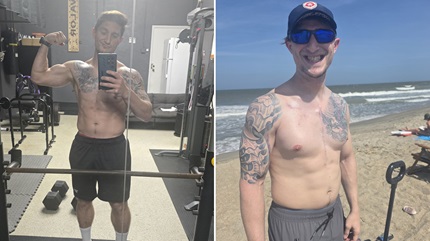
Jokingly, Christopher Benton likes to say he’s had “successful plastic surgery” on his heart.
“He’s an artist. And the heart is his canvas,” says Dr. Benton, referring to Lars Svensson, MD, PhD, cardiothoracic surgeon and Chief of the Heart, Vascular & Thoracic Institute at Cleveland Clinic. “He looks at the situation, sees what needs to be done, and does it. The fact he repaired everything in my heart still blows my mind.”
Dr. Benton, a 50‑year‑old Denver-based hematologist and oncologist, spent years working in academic research at a Texas medical center before moving to his current role in Colorado seven years ago. So, when he learned in September 2025 that he needed urgent surgery to address several serious, interrelated heart conditions— a bicuspid aortic valve, a ruptured mitral valve, aortic and mitral regurgitation and an aortic root aneurysm—he consulted with multiple heart surgeons.
Only Dr. Svensson felt confident the valves could be repaired, rather than replaced with mechanical or biological (animal or human tissue) valves. He also believed the aortic root could be repaired instead of replaced with a synthetic graft.
Dr. Svensson explained to Dr. Benton and his wife, Florencia, that he planned to use the less‑invasive J‑incision approach rather than conventional open-heart surgery. This technique reduces pain and accelerates recovery. Pioneered at Cleveland Clinic, it has been further refined by Dr. Svensson for complex heart repair.
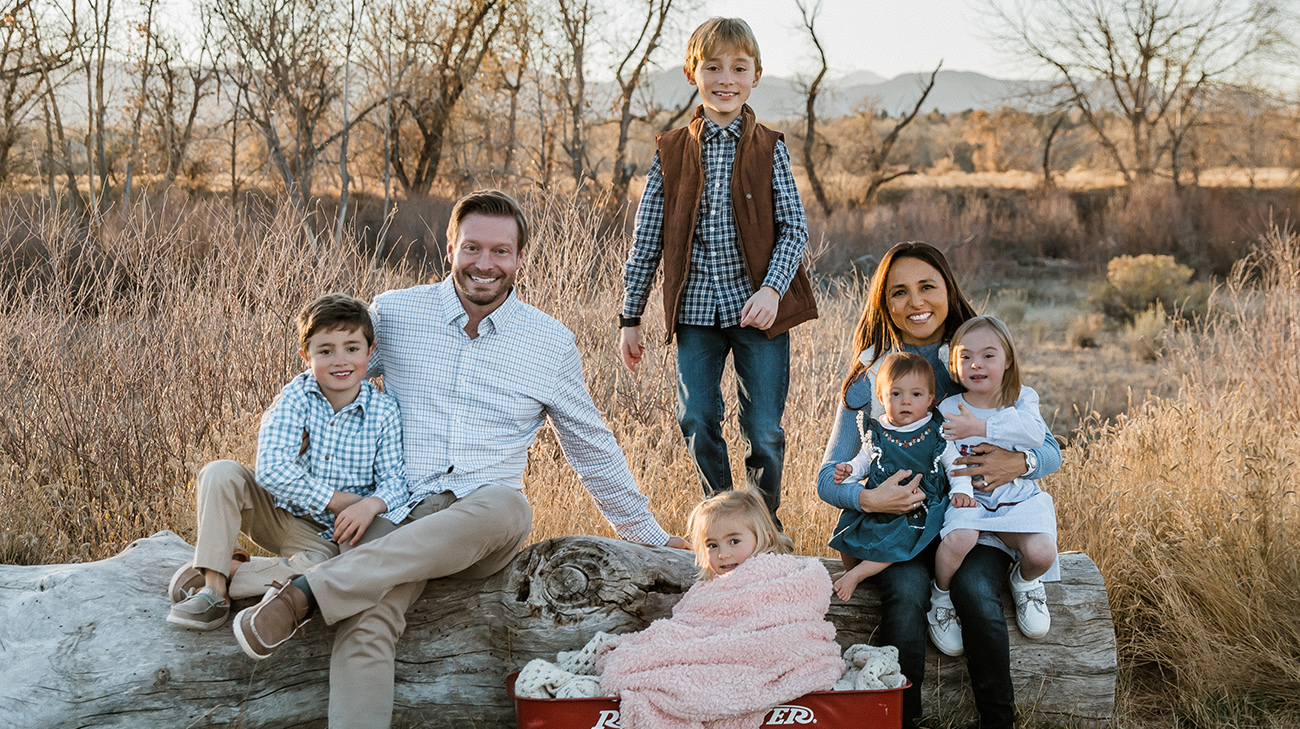
Dr. Benton with his wife, Florencia, and their children. (Courtesy: Highway 4 Photography)
“Whereas in the past, we had to open the patient’s whole chest to do complex operations like this, nowadays we can do this much less invasively and safely, with less stress on the body,” explains Dr. Svensson. “We also know now that valve restoration is preferable to valve replacement over the long term.”
Dr. Benton, father to five children all under age 12, first learned he had a bicuspid aortic valve more than 20 years ago while in medical school. Although it caused no symptoms at the time, he monitored it through regular cardiology visits. The genetic condition didn’t stop him from working out or tackling strenuous outdoor activities, including climbing 14,000‑foot peaks in the Rockies.
But in 2025, he began experiencing heart palpitations—an early warning sign. Further testing revealed his bicuspid valve had deteriorated and additional serious heart problems had emerged, all requiring urgent surgical intervention.
“It was somewhat of a shock when this happened. I had thought I would be in my sixties before needing to address the bicuspid valve,” says Dr. Benton, who first met with Dr. Svensson on his 50th birthday. “But I live life on God’s terms, not mine.”
He first connected with Cleveland Clinic through its virtual second‑opinion program, where he received an extremely detailed and personalized report from cardiologist Christine Jellis, MD, PhD. It was Dr. Jellis who initially recommended he meet with Dr. Svensson.
“When treating other physicians, one can go over all the pros and cons and options available in great detail. Because sometimes there is no perfect answer,” Dr. Svensson states. “As physicians, Dr. Benton and his wife had a lot of insights and came to the meetings very well prepared.”
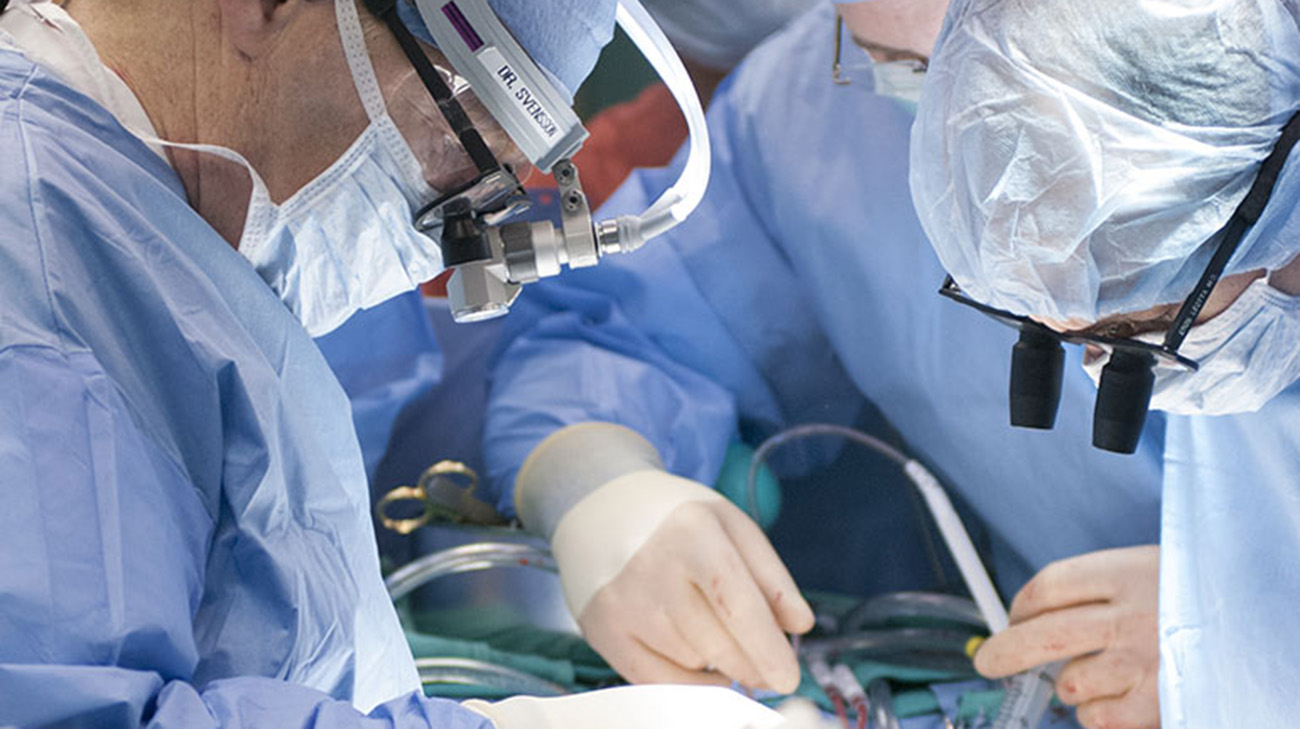
Dr. Svensson performing cardiac surgery. (Courtesy: Cleveland Clinic)
Adds Dr. Benton, “Dr. Svensson had trained where my wife and I had trained in Houston. So, we speak the same language, and we appreciated the camaraderie and understanding we had for each other.”
During the operation, Dr. Svensson addressed all of Dr. Benton’s heart issues at once. He repaired the bicuspid aortic valve and the damaged mitral valve, corrected the enlarged portion of the aorta, and placed a small clip on the heart’s left atrial appendage to help lower future stroke risk. All of this was done through a minimally invasive incision, without opening the entire chest.
As they had hoped, Dr. Benton’s operation went smoothly, with no operative complications and only minor issues during recovery. Dr. Benton was discharged after six days and was able to return home to Denver a few days earlier than expected.
Six weeks after surgery, while being careful not to overdo it, Dr. Benton returned to his own medical practice, beginning with one day a week. The care and collaboration he received during his health journey inspired him to bring select practices back to his own medical organization.
Dr. Benton says, “This experience has been one of the greatest of my life. My faith and gratitude have been strengthened because of it. Going through a medical challenge builds character, fortitude, bravery, and a greater appreciation for what my own patients go through.”
Related Institutes: Heart, Vascular & Thoracic Institute (Miller Family)Patient Stories
Good Health, Close to Home: How Cleveland Clinic Confirmed One Couple’s Decision to Move
Aug 25, 2026
After Devastating Knee Injury, Mental Health Support Fuels Soccer Comeback
Aug 20, 2026