


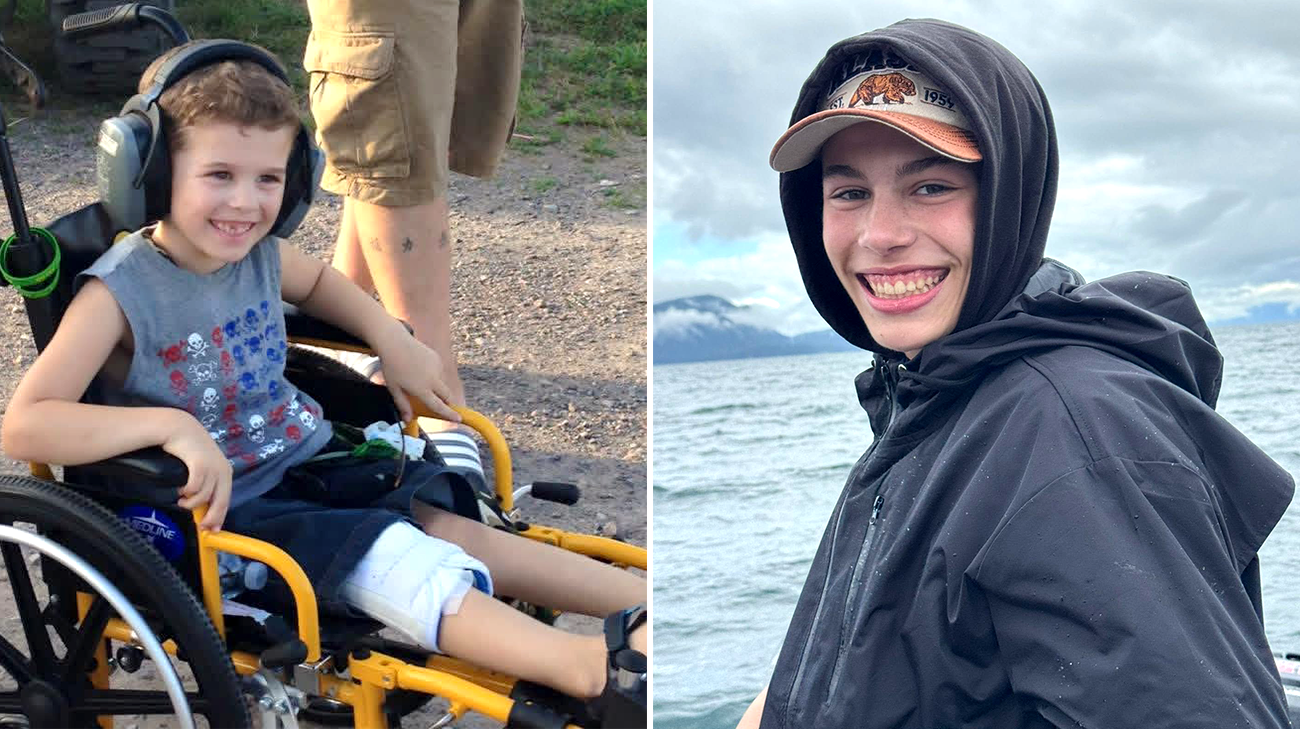
From baseball and basketball to fishing and hunting, Jacob Bookmiller is an active 15 year old from Upstate New York who doesn’t let anything slow him down. Unless you saw his scars, you would never know he underwent a rare intestinal transplant as a young child.
“My scars used to affect my confidence. But as I’ve gotten older, I’ve learned to embrace them and become an advocate for organ donation,” says Jacob.
It was May of 2015 when a lawn mower accident left Jacob in the hospital for two months as he underwent and recovered from multiple emergency surgeries. After those lifesaving procedures, Jacob had lost nearly all his intestines, leaving only a segment just over 1 inch long. This meant his body could no longer get enough nutrients, fluids and calories from traditional feeding.
Jacob immediately began total parenteral nutrition (TPN) to deliver the nutrients he needed through an IV. While it’s possible to be on TPN for long periods of time, it can sometimes lead to complications like infections and liver problems down the road.
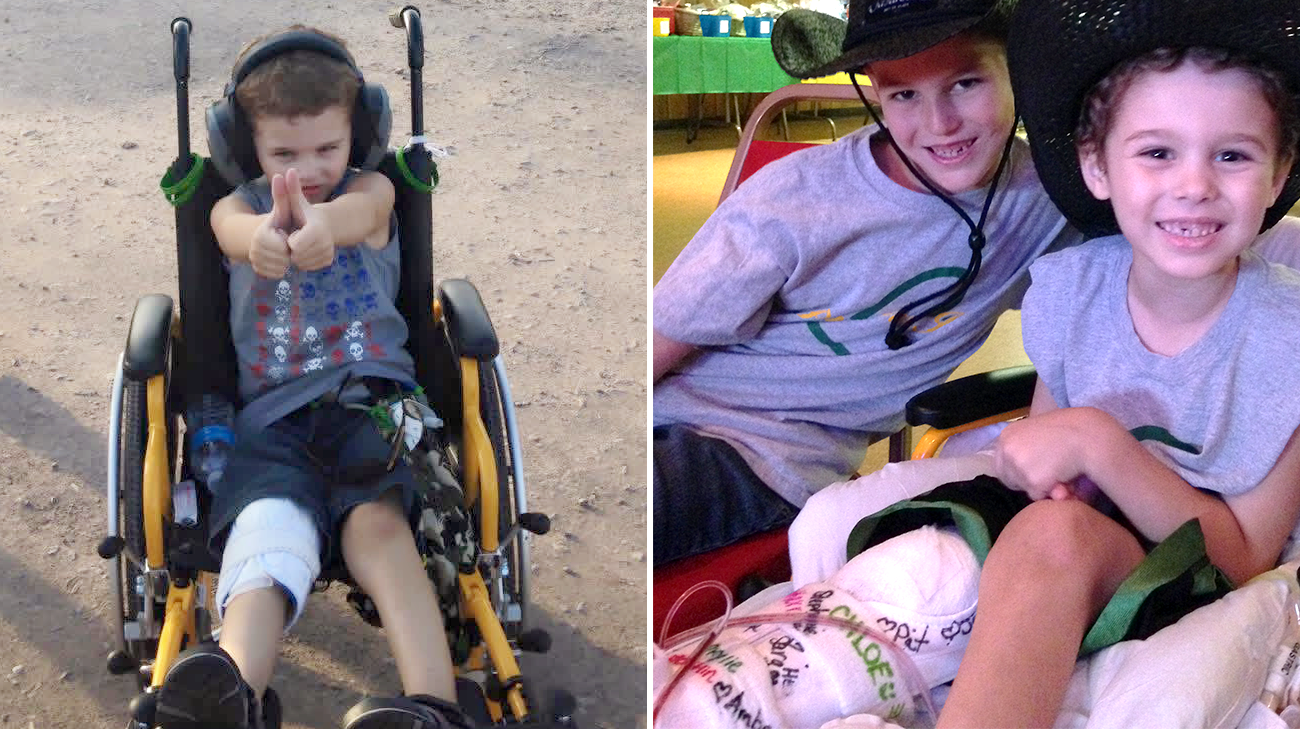
After two months in the hospital following the accident, Jacob was able to come home. But his recovery journey was just beginning. (Courtesy: Amanda Bookmiller)
“Doctors said he ultimately needed an intestinal transplant, but we were told this was very unlikely because of how uncommon these types of transplants are,” reflects Jacob’s mom, Amanda Bookmiller. She says that began to feel more possible after the family traveled to Cleveland Clinic for care.
Among the rarest forms of transplantation, intestinal transplants are offered at only a few transplant centers nationwide, including Cleveland Clinic.
“While the total number of intestinal transplants in the U.S. has been around 100 or fewer in recent years, kidney and liver transplants number in the thousands. As outcomes for intestinal transplants continue to improve, this can be a potentially life-changing option for patients who qualify as candidates,” says Masato Fujiki, MD, Cleveland Clinic’s Surgical Director of Intestinal Transplantation.
In November 2015, the family finally received the call a donor organ had become available, and Jacob underwent his intestinal transplant. While the surgery itself went well, he developed severe rejection about two weeks later.
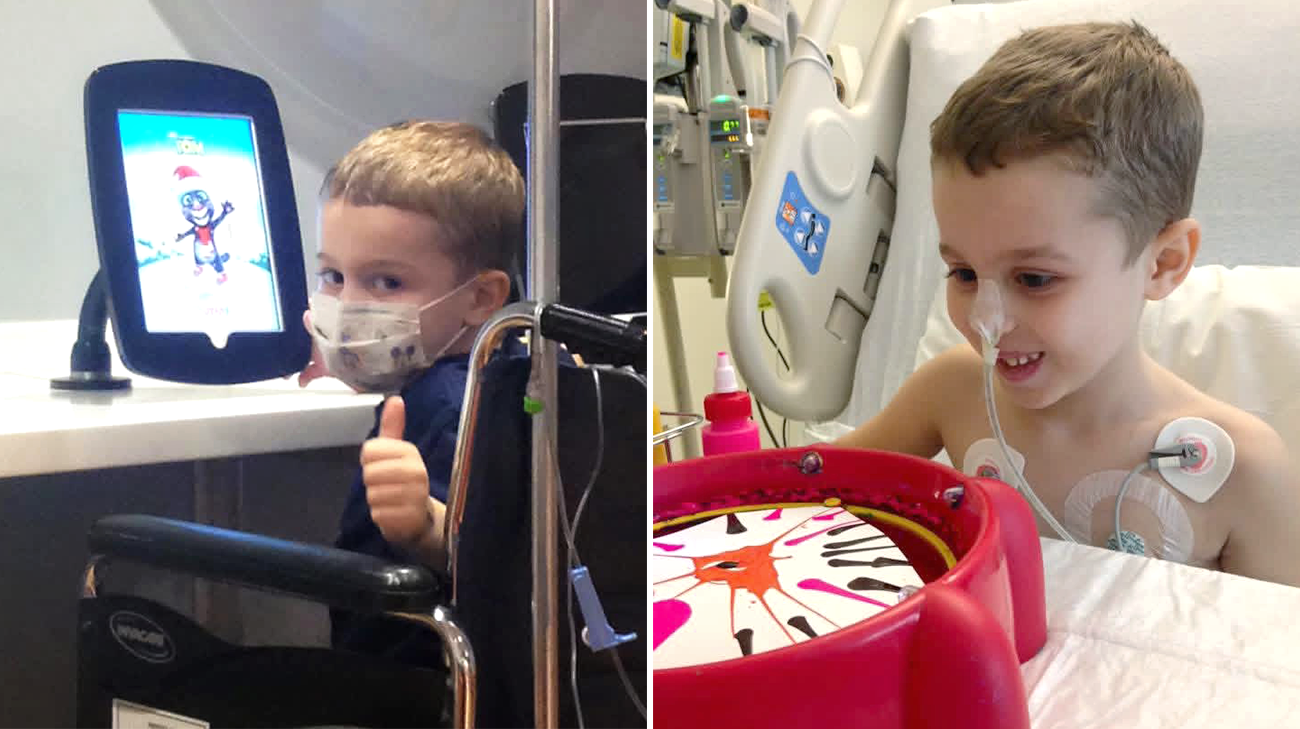
Jacob was 4 years old when he had his intestinal transplant. (Courtesy: Amanda Bookmiller)
Rejection occurs when the immune system recognizes a transplanted organ as foreign and begins to attack it. Because the intestine contains a large amount of immune tissue, rejection is more common than with many other transplanted organs. It can often be managed with immunosuppressive medications.
“Rejection is one of the biggest things we watch for after an intestinal transplant, especially early on. We were able to treat it in Jacob’s case, and he recovered well,” says Dr. Fujiki.
From here, Jacob was able to come off IV nutrition. “I was young when everything happened, but I still remember the first thing I ate after my transplant – chicken tenders.”
Years later, in 2022, Jacob overcame another setback when a blood clot formed in a major blood vessel connecting his transplanted intestine and liver. Doctors say the complication occurred after a COVID-19 infection, which is known to increase the risk of blood clots. Jacob was first treated locally and then flown by helicopter to Cleveland Clinic main campus, in Cleveland, Ohio, where doctors placed a stent to restore blood flow.
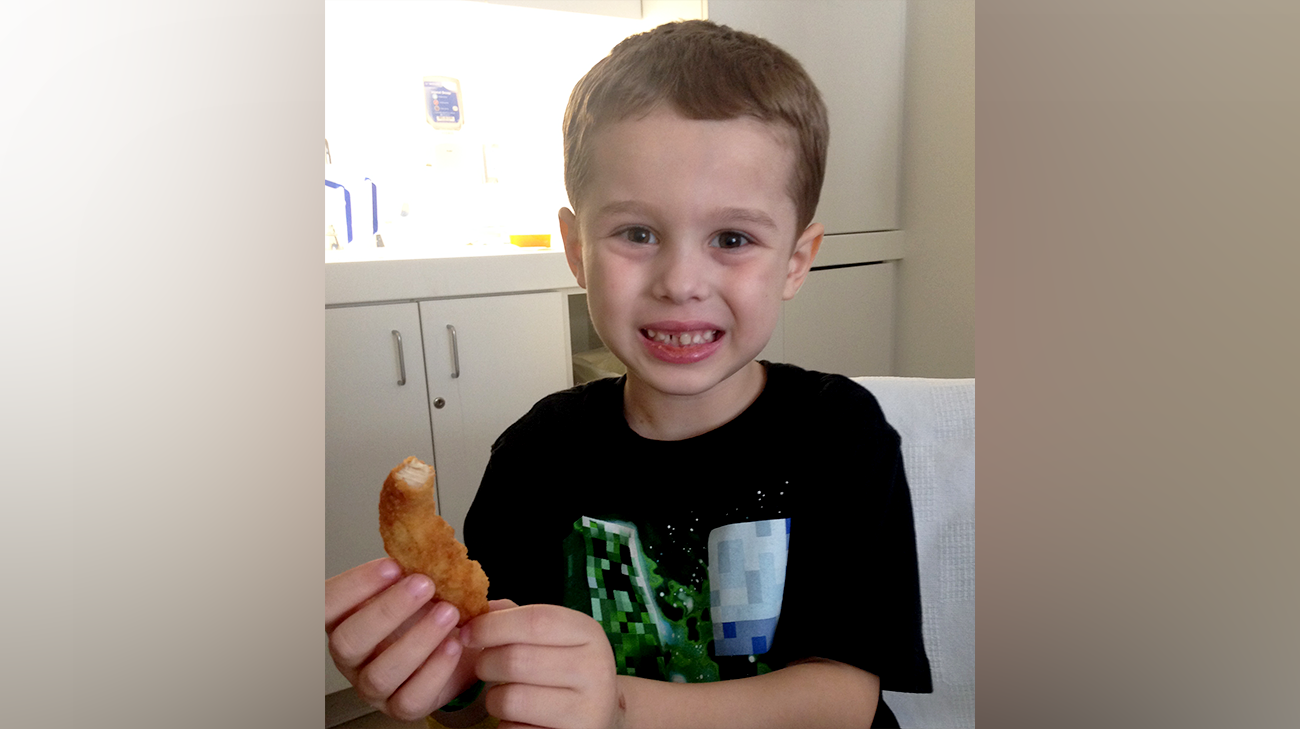
When Jacob was able to eat solid foods again, the first thing he enjoyed was chicken tenders. (Courtesy: Amanda Bookmiller)
“There’s been no slowing this kid down since. Anyone who doesn’t know his story would have absolutely no idea he ever went through any of this,” says Amanda.
Jacob now has regular checkups with his doctors to ensure he continues doing well post-transplant and to monitor for any signs of further rejection. Whether he’s playing sports or hanging out with friends, Jacob can live his life with fewer restrictions because of the intestinal transplant.
“Jacob went from being very sick to being able to play baseball and pursue other passions. Since intestinal transplant is so rare, many people don’t know about it. That’s why it’s crucial to raise awareness as outcomes in this field continue improving,” says Dr. Fujiki.
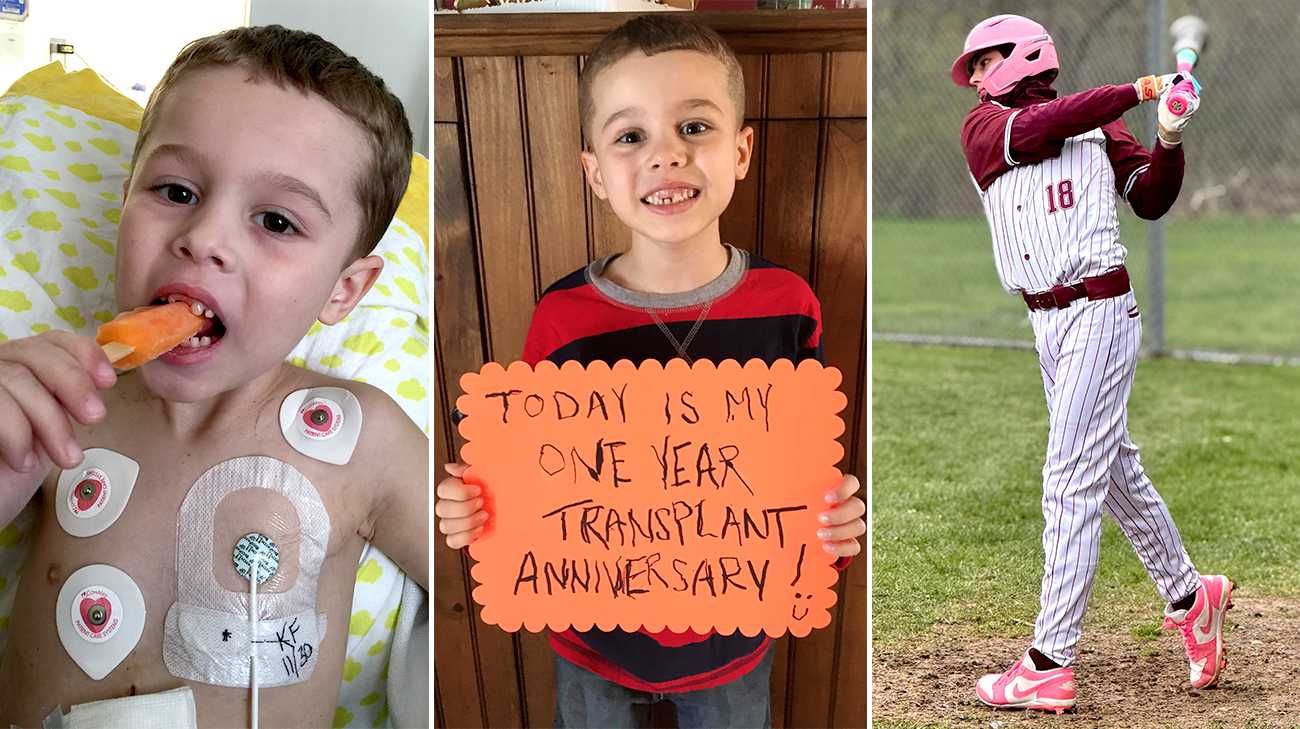
From recovering after a rare transplant to playing baseball, Jacob says he’s not letting anything hold him back. (Courtesy: Amanda Bookmiller)
“This transplant has given him a second chance at life, and he’s made the most of every second since it. You don’t realize how valuable organ donation is until you have someone who needs a lifesaving transplant,” says Amanda.
Jacob adds, “Organ donation can change many people’s lives in ways you couldn’t imagine. And if someone else who had a transplant reads this, I hope they feel encouraged to pursue anything they want in life.”
Related Institutes: Digestive Disease & Surgery InstitutePatient Stories
Adelynn Strong: Family's Promise Carries Girl Through Leukemia Treatment
Sep 15, 2026
Personalised Neurorehabilitation Helps British Paralympian Redefine What Matters
Sep 10, 2026

