Endometriosis is a genetic, chronic, inflammatory condition that causes tissue similar to the lining of a woman’s uterus to grow in others places within the pelvis and abdomen where it doesn’t belong.
“About ten percent of the population, or one out of ten women, has endometriosis, but it’s often undiagnosed and misdiagnosed,” says Cara King, DO, a specialist in minimally invasive gynecologic surgery at Cleveland Clinic.
Hannah Lindgren, who lives in Indianapolis, is one of those women. Now 34, Hannah first experienced endometriosis symptoms of very heavy periods and excruciating pain when she was 15. Her mother, a former reporter, knew Hannah’s symptoms were not normal, so she did research to find help for her daughter while at the same time encouraging her to continue daily activities like going to school or work and spend time with friends.
“We met with dead end after dead end. Most doctors said I was exaggerating, others said it was all in my head, one even suggested I seek psychological counseling,” says Hannah. “It’s very hard when at a young age people don’t believe you. It erodes your trust in yourself, impacts how you see yourself, and how you interact with others.”
“From the minute I walked into the waiting room and saw the words ’Endometriosis Center’ on the wall, I knew I was finally going to be taken care of. ”
Hannah also suffered digestive issues. At 19, she had her gallbladder removed. It was covered in scar tissue, but at the time, she didn’t know why. Diet changes offered limited relief, but her pain persisted through her 20s. In 2016, she had a copper IUD put in that led to more pain, the growth of ovarian cysts and fear of ovarian cancer.
A surgery to check for ovarian cancer provided some answers. Hannah did not have cancer, but she was finally officially diagnosed with endometriosis – more than 10 years after first experiencing its symptoms. In 2017, she had her first excision surgery to remove endometrial tissue. She had the IUD removed in a separate procedure.
Within a year, the cramps and painful periods returned, along with generalized discomfort, digestive issues and painful sex. Under the care of different physicians, Hannah had another excision surgery and tried using birth control pills and other hormonal treatments to ease symptoms. Nothing provided long-term relief.
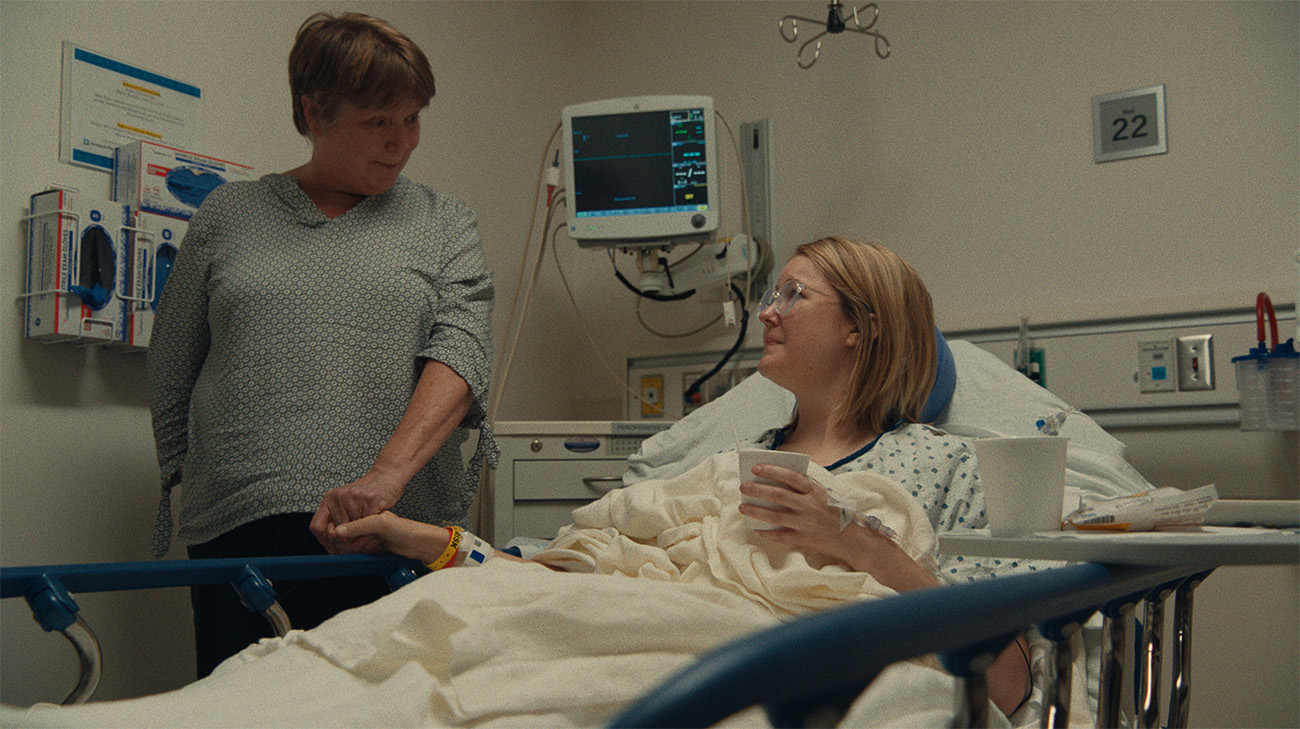
Her mom’s ongoing research led to a list of five physicians who specialize in the treatment of endometriosis – one of those was Dr. King. After learning more about the work being done by Dr. King at Cleveland Clinic, Hannah and her mom came to Cleveland in March 2023.
“From the minute I walked into the waiting room and saw the words ’Endometriosis Center’ on the wall, I knew I was finally going to be taken care of. I wasn’t going to be the weirdo here, sitting in a waiting room full of pregnant women; I was going to be listened to,” says Hannah.
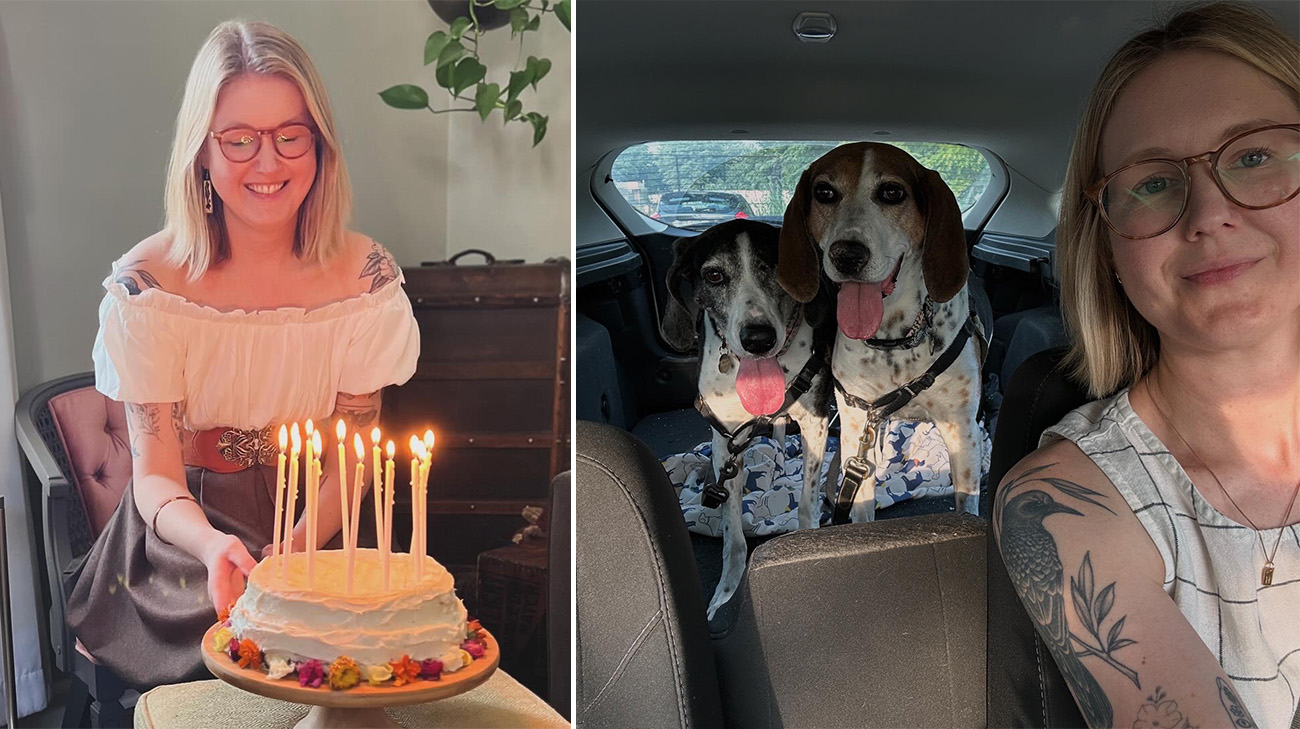
Left: About six months post-surgery, Hannah celebrated her 33rd birthday in March 2024. Right: In her free time, Hannah enjoys spending time with her dogs, Daisy (left) and Lilah (right).
After meeting with Hannah and conducting a comprehensive exam, Dr. King explained that she would review Hannah’s records and test results, then share her thoughts during a virtual appointment in a couple of weeks.
“I felt another surgery would help, but until I got in there, I wouldn’t know how much. All I could say to Hannah was that I thought I could help her,” says Dr. King, who explains that at Cleveland Clinic, thoughtful and deliberate planning has helped build a multifaceted, multidisciplinary team focused solely on endometriosis and chronic pain.
Hannah worked with a therapist to lessen the anxiety and stress caused by the anticipation of yet another surgery. Particularly helpful was EMDR (eye movement desensitization and reprocessing), a form of psychotherapy that bilaterally stimulates the brain to treat PTSD and other trauma.
“Endometriosis is a systemic disease that impacts multiple things including mental and digestive health,” says Dr. King. “At Cleveland Clinic, we’re not just gynecologists or technicians, and we’re not here just to remove endometriosis. If we don’t address other things, we’re missing a lot. We treat the whole person and encourage patients to use the tools that work for them – that’s why we do so well here.”
In August, during a two-and-a-half-hour surgery, Dr. King removed 14 different areas of endometriosis, including some tissue that went deep behind Hannah’s uterus, causing it to be pulled backward and fold in on itself. By cutting out the tissue, the uterus was able to move back to its normal position.
Dr. King also diagnosed Hannah with adenomyosis, a condition in which tissue grows inside the uterine muscles, where it is difficult to remove while preserving the uterus. While adenomyosis can be managed with birth control to stop periods, thin the endometrial glands and prolong the time without pain; the other treatment option is a hysterectomy – both options Hannah was not ready to pursue.
“I always thought my condition was advanced, but other doctors classified my endometriosis as stage one or two. Dr. King classified me as stage three or four, plus adenomyosis,” says Hannah. “Along with finally having an accurate diagnosis, my recovery from surgery was the best I ever had, and I chalk that up to Dr. King’s skill and the team at Cleveland Clinic.”
The surgery reduced Hannah’s discomfort and pain and helped ease her mind. “For the first time, I felt the relief of not having to shoulder the burden of endometriosis by myself. During a follow-up phone call with Dr. King, I told her what that meant to me, and she assured me that she’s with me for this journey. To know that is a huge weight off of me,” says Hannah.
More than two years post-surgery, Hannah has been experiencing some symptoms, but with the adenomyosis diagnosis, she knew she still had an active disease and was prepared for that. At a recent visit with Dr. King – the first since her surgery in 2023 – they discussed treatment options going forward.
“My quality of life has been good these past two years. With a chronic illness, the reality is you’re not going to have 100% good days. Another surgery is inevitable, but I’ll take that step when I reach the tipping point of having fewer good days than bad days. And when I do come back, I know that I have someone I trust to care for me,” says Hannah.
Related Institutes: Digestive Disease & Surgery Institute , Ob/Gyn & Women's Health InstitutePatient Stories
Cleveland Clinic Team Helps Florida Patient Breathe Easier After Complex Lung Surgery
Oct 21, 2026

Teen Athlete Returns to Sports After Two Head Injuries Trigger Yearlong Headache
Oct 19, 2026