For nearly 18 months, Dee Dee Nealey lived with relentless headaches that made it difficult to work, travel or enjoy time with her family. The pain became so severe fluorescent lights in her office would trigger symptoms, prompting her employer to install a large wing-shaped canopy above her desk to shield her eyes from the glare.
The 64-year-old Dover, Ohio, resident was eventually diagnosed with a rare cerebrospinal fluid (CSF) leak, a condition that is often difficult to identify and frequently mistaken for migraines or other headache disorders. But before finding answers, Dee Dee endured months of worsening pain and a long search for a diagnosis.
As the headaches grew more frequent and debilitating, Dee Dee sought help from multiple physicians. Despite numerous appointments and tests, she still had no clear diagnosis. By the time she arrived at Cleveland Clinic, the pain had become so severe she often went straight to bed after work and leaned on her husband to help manage day-to-day tasks.
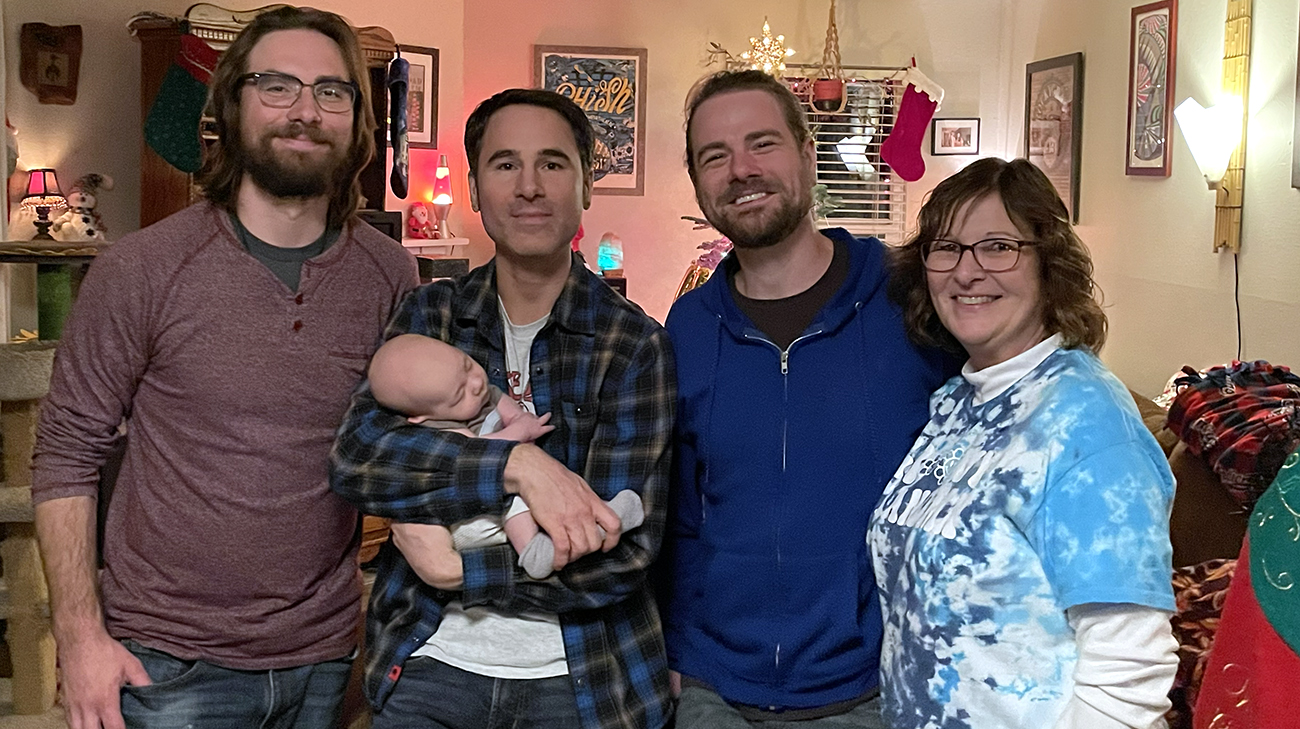
Living with debilitating headaches made it difficult for Dee Dee to enjoy time with family and friends. (Courtesy: Dee Dee Nealey)
Barely able to walk without assistance and in tears from the ordeal, Dee Dee met Cleveland Clinic interventional neurologist Mohammad Ammar Abdulrazzak, MD, who offered hope that an answer, and a solution, might finally be within reach.
After reviewing Dee Dee's medical history and listening carefully to her description of the headaches, Dr. Abdulrazzak suspected a rare cerebrospinal fluid leak caused by a fistula in her spine. One of the biggest clues, he says, was the pain eased when she lay down.
Dee Dee believes the initial trigger for her problem was when she severely bumped her head during a fall in 2019. Headaches ensued the next year, and continued intermittently, during three bouts with COVID-19. But they didn’t become problematic until January 2025, when their frequency and intensity increased.
“I would go to work, come home, go to bed. My husband would do the cooking, cleaning, he did everything – because I couldn’t do anything,” she recalls.
“One challenge is some of the diagnostic procedures we needed to perform can't be done at every hospital. But our team is familiar with this pathology. We knew what it was. We just needed to prove it and pinpoint exactly which ‘zip code’ the fistula was living in,” says Dr. Abdulrazzak.
The first step was a CT myelogram, an imaging test that uses contrast dye to create detailed images of the spinal cord, nerves, disks and surrounding structures. But when the results proved inconclusive, Dee Dee's care team moved to a more advanced diagnostic procedure called digital subtraction myelography, performed under general anesthesia by Cleveland Clinic neuroradiologist David Mihal, MD.
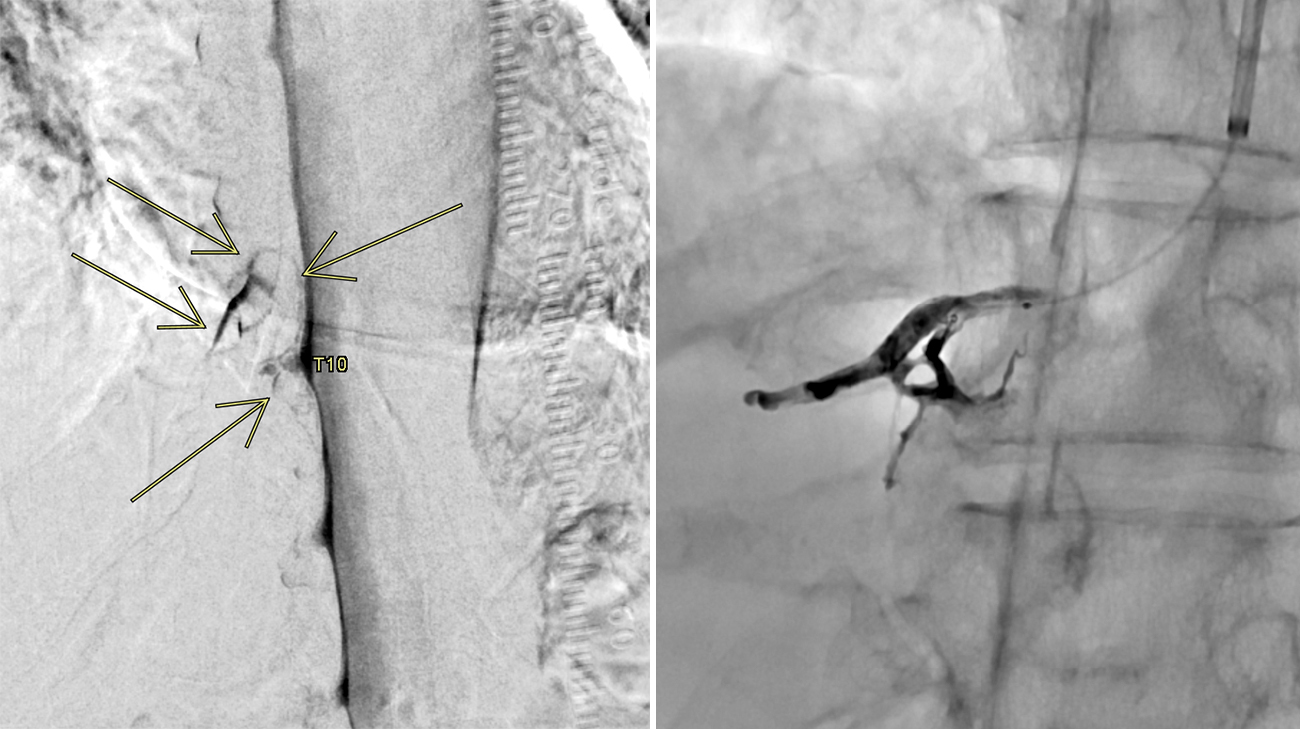
Digital subtraction myelogram showing a CSF-venous fistula at T10. (left) Fluoroscopic image showing Dee Dee's embolization treatment changes at the same level. (right) (Courtesy: Cleveland Clinic)
The technique compares scans taken before contrast dye is injected with fluoroscopic images captured afterward. By digitally "subtracting" bones and other surrounding structures, physicians can clearly follow the path of the dye. In Dee Dee's case, the test revealed the exact location of the tiny CSF responsible for her debilitating headaches.
While grateful to finally have a diagnosis and a confirmed source of her symptoms, Dee Dee and her care team discussed the next steps. After two weeks of debilitating headaches and little relief from pain medication, she moved forward with a spine procedure.
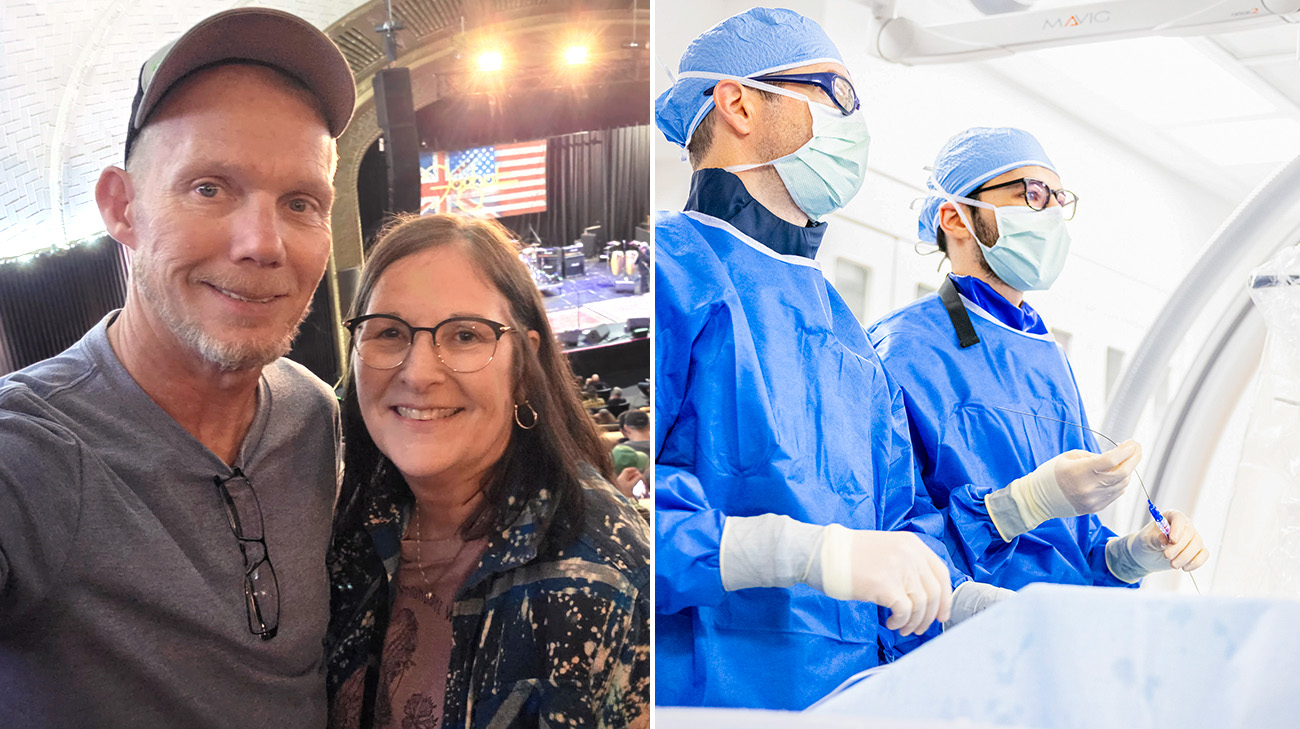
Dr. Abdulrazzak and team performed an endovascular transvenous embolization. During the minimally invasive procedure, Dr. Abdulrazzak guided a small catheter into the problematic vein and injected liquid embolic agents, a glue-like substance that sealed the fistula and stopped the abnormal leak of CSF.
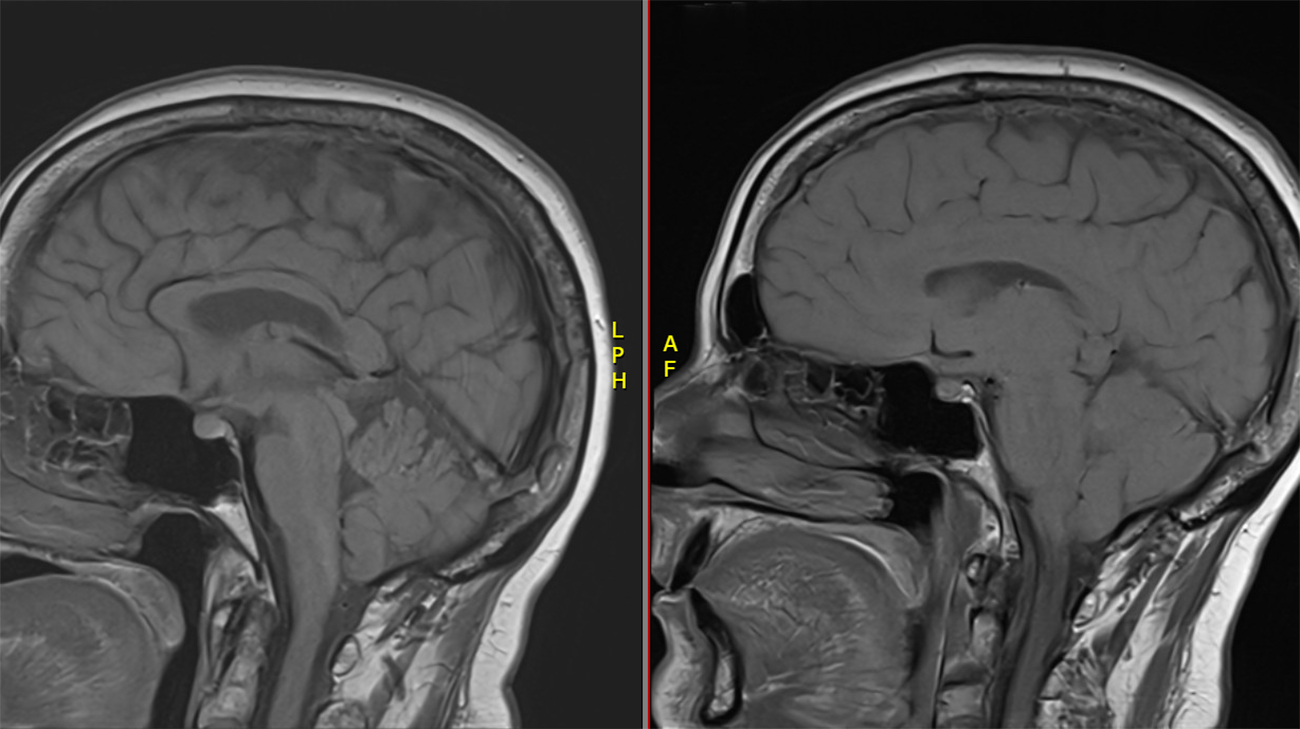
MRI scans before (right) and after (left) treatment for Dee Dee's CSF. Before treatment, the loss of spinal fluid caused the brain to sag downward. After doctors closed the leak, spinal fluid levels returned to normal and the brain returned to its natural position. (Courtesy: Cleveland Clinic)
Following the two-hour procedure in April 2026, Dee Dee's headaches began to subside within weeks. Two months later, they had disappeared entirely. She knew she was finally getting her life back when she bent down to pick something up off the floor and, for the first time in more than a year, the movement didn't trigger a searing headache.

After undergoing successful treatment for a CSF, Dee Dee now looks forward to enjoying her favorite pastimes again with her husband and family. (Courtesy: Dee Dee Nealey)
Now, Dee Dee and her husband, Jason, have returned to one of their favorite pastimes: attending live music events in and around their hometown. She can travel by plane without worry and no longer finds herself needing to rest her head on her desk when headaches strike, something that had become a regular part of her workday.
“I feel incredibly fortunate the doctors were able to find the source of the problem,” Dee Dee says. “They listened to me, did their due diligence and ultimately cured me.”
Related Institutes: Neurological InstitutePatient Stories
Woman's Debilitating Headaches Traced to Rare Spinal Fluid Leak
Oct 6, 2026

Young Girl Overcomes Rare Cancer That Spread to Her Lungs and Spine
Sep 30, 2026