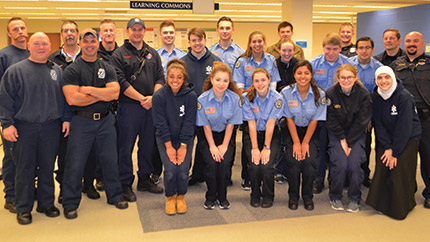
Emergency Medical Services (EMS)
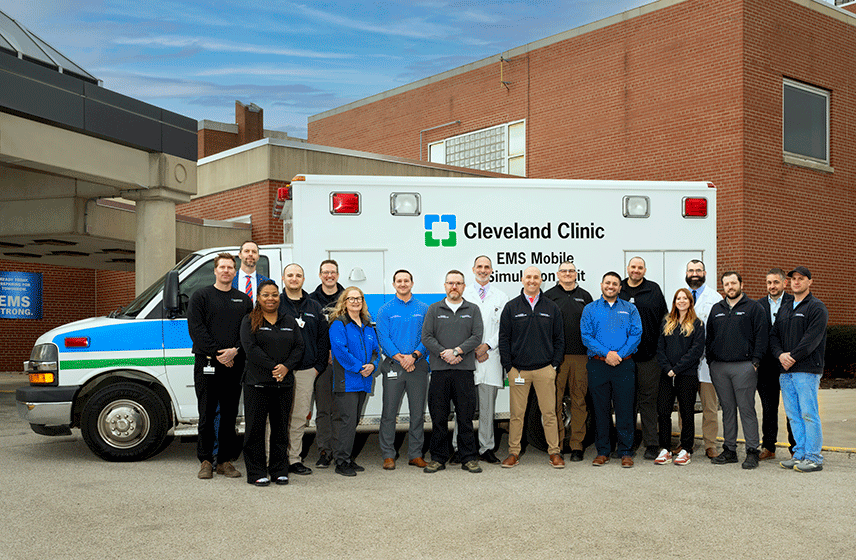
Cleveland Clinic Emergency Medical Services exists to advance prehospital care by investing in the people and partnerships that deliver it every day. Our work is built on three pillars—relationships, education, and innovation—with enduring relationships as the foundation of everything we do.
Cleveland Clinic Emergency Medical Services partners with Fire and EMS agencies to provide medical direction grounded in relationships. Our physicians work to know the departments they serve, understand their needs and remain engaged in the care their crews deliver. EMS coordinators bring that partnership into day-to-day practice through their presence in departments, responsive support and close connections with our hospitals.
Medical direction is more than a name on a protocol: it is a physician who knows the department, education that prepares crews for difficult calls, coordinators who are present and responsive, and a hospital partnership that extends well beyond the ambulance bay.
We support our EMS partners with evidence-based protocols, practical education, simulation, case review and opportunities to work directly with the clinicians who care for their patients. Our work also includes initiatives that support first responder wellness and improve the systems connecting care in the field to care in the hospital. Together, these efforts reflect our commitment to serving those who serve our communities.
As part of the Cleveland Clinic Medical Command, it's crucial to stay current with your Continuing Education (CE) requirements. Prodigy EMS offers comprehensive, engaging courses designed by experienced EMS professionals to ensure compliance with certification standards and enhance your clinical skills.
Access your Cleveland Clinic EMS Learning Management System provided through Prodigy EMS to complete your state and department-specific training, recertification, and more.

Join our Facebook group and find Cleveland Clinic EMS news, events and networking for first responders

Learn more about the Northeast Ohio Regional EMS Protocol — supporting consistent, high‑quality prehospital care for providers