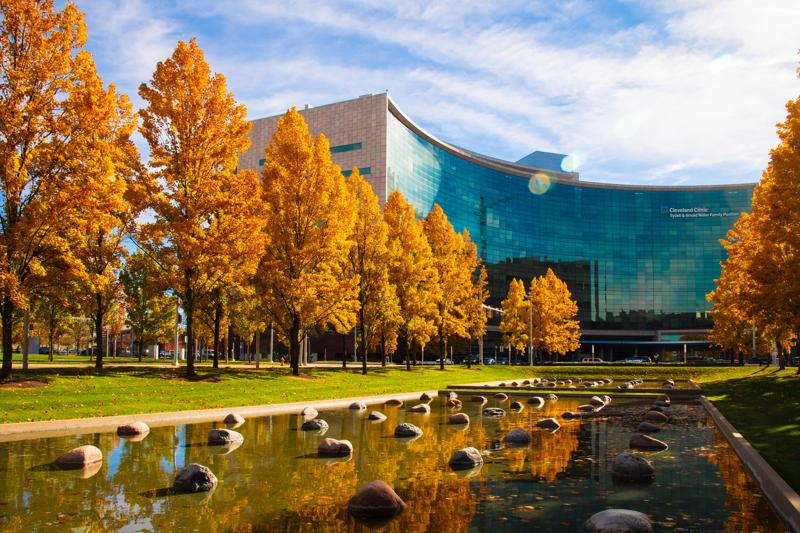
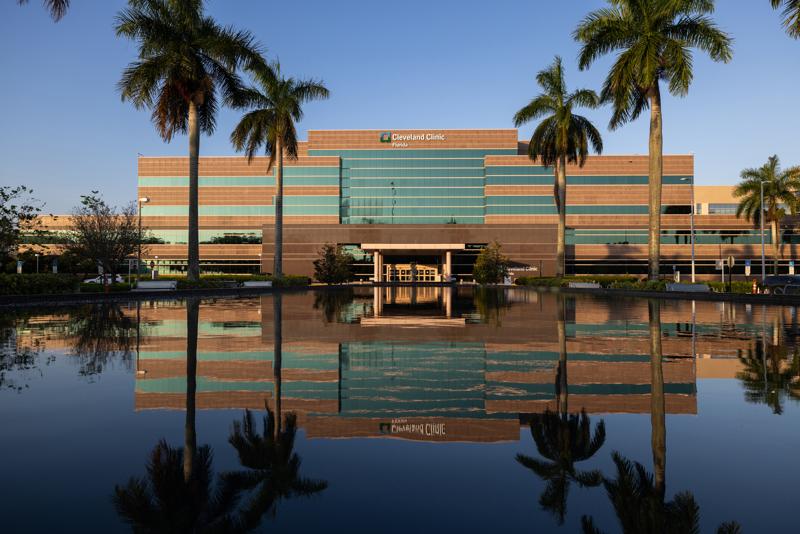
The Heart, Vascular & Thoracic Institute cares for unsurpassed volumes of patients with cardiovascular disease and one of the highest case mix indexes anywhere. The institute brings together multispecialty teams to deliver world-leading patient outcomes with the least invasive treatments that can safely be offered. Innovation is central to our caregiving, as our specialists strive to expand options for individual patients while shaping the cardiovascular care of tomorrow through research and invention.

Over 900,000 cardiovascular patient visits and over 7,800 cardiothoracic and vascular surgeries annually.

Three-star (highest) rating for all cardiothoracic operations rated by the Society of Thoracic Surgeons and overall mortality < 2% for cardiothoracic surgeries.

Patients have come from all 50 states and 138 countries for our cardiovascular care.

Decades-long leadership of practice-shaping cardiovascular clinical trials, including over 100 trials currently managed by our C5Research organization.