Scarlette Washlock is used to explaining an illness people can’t see. “The biggest misconception about a disease like mine is I don’t look sick. I look like a regular 19-year-old,” says the health sciences major at Ohio State University’s Mansfield campus.
Scarlette lives with sarcoidosis, a rare inflammatory disease that affects the immune system and can involve multiple organs. Diagnosed in childhood, the condition has shaped much of her life, even when answers were hard to find.
In 2019, before she had a clear diagnosis, Scarlette’s symptoms worsened. Her family struggled to find a medical provider who could explain what was happening. Fevers, fatigue and skin patches became more frequent, sometimes leaving Scarlette so exhausted and in pain she could not get out of bed.
“I remember, early on, we were walking into a doctor’s office and I asked my mom, ‘What’s an oncologist? Am I going to die?’” Scarlette recalls. Enlarged lymph nodes had raised concerns about cancer.
Although cancer was ruled out, the cause of Scarlette’s symptoms remained unclear until a chest X‑ray and lung biopsy performed during a bronchoscopy confirmed sarcoidosis. She was 12 years old at the time. The disease is particularly rare in children and can cause symptoms including extreme fatigue, shortness of breath, joint pain, sudden fevers, swollen lymph nodes and patches on the skin.
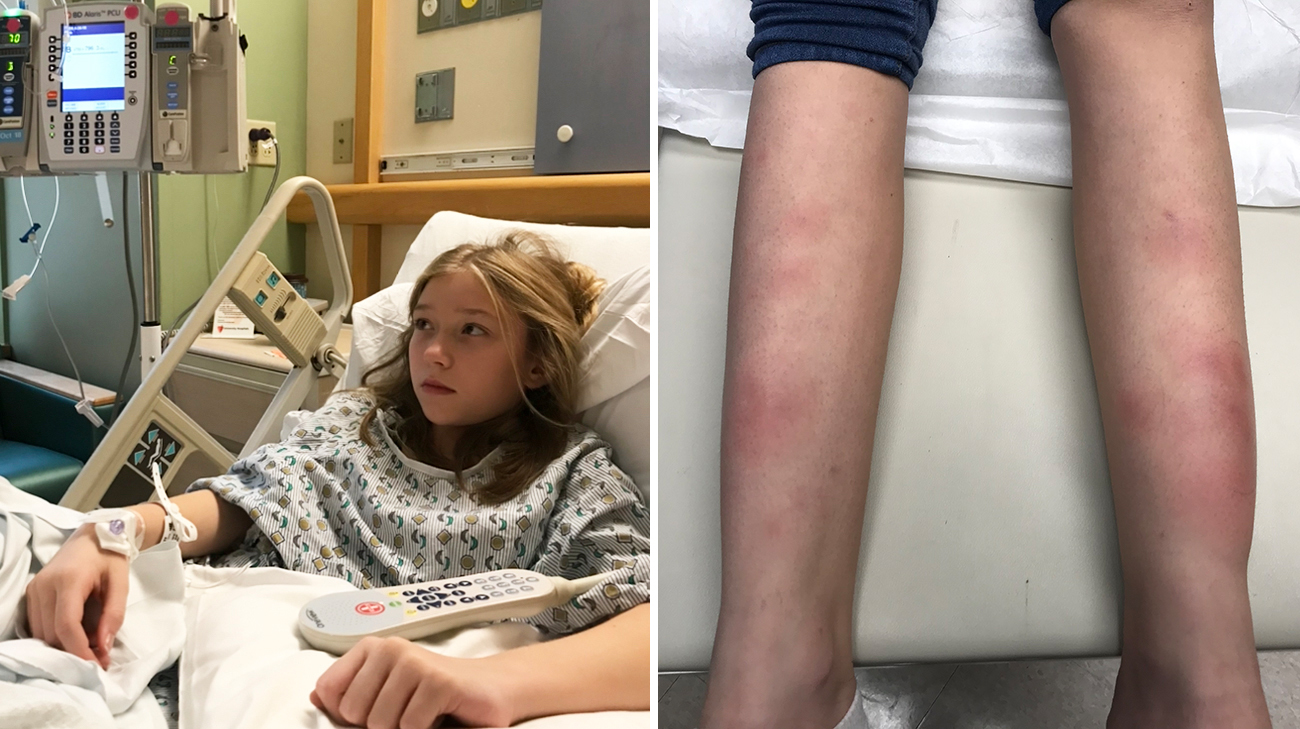
Scarlette developed patches on her legs as a symptom of sarcoidosis. (Courtesy: Scarlette Washlock)
That diagnosis led her to Cleveland Clinic and pulmonologist Manuel L. Ribeiro Neto, MD.
According to Dr. Ribeiro, who notes Scarlette is among the youngest patients with sarcoidosis he has treated, the disease can be difficult to diagnose because its symptoms often mirror those of other conditions.
“Scarlette’s sarcoidosis affects her lungs, which is the most commonly affected organ,” Dr. Ribeiro explains. “Because symptoms like dry cough and shortness of breath resemble asthma or chronic obstructive pulmonary disease, the condition is often diagnosed later than it should be.”
The diagnosis brought clarity, but managing sarcoidosis would require ongoing treatment. There is no cure for the condition, but medications can help manage symptoms by reducing inflammation and supporting the immune system.
The first medication Scarlette tried, prednisone, caused significant water retention and rapid weight gain, side effects that were especially difficult to navigate during middle school.

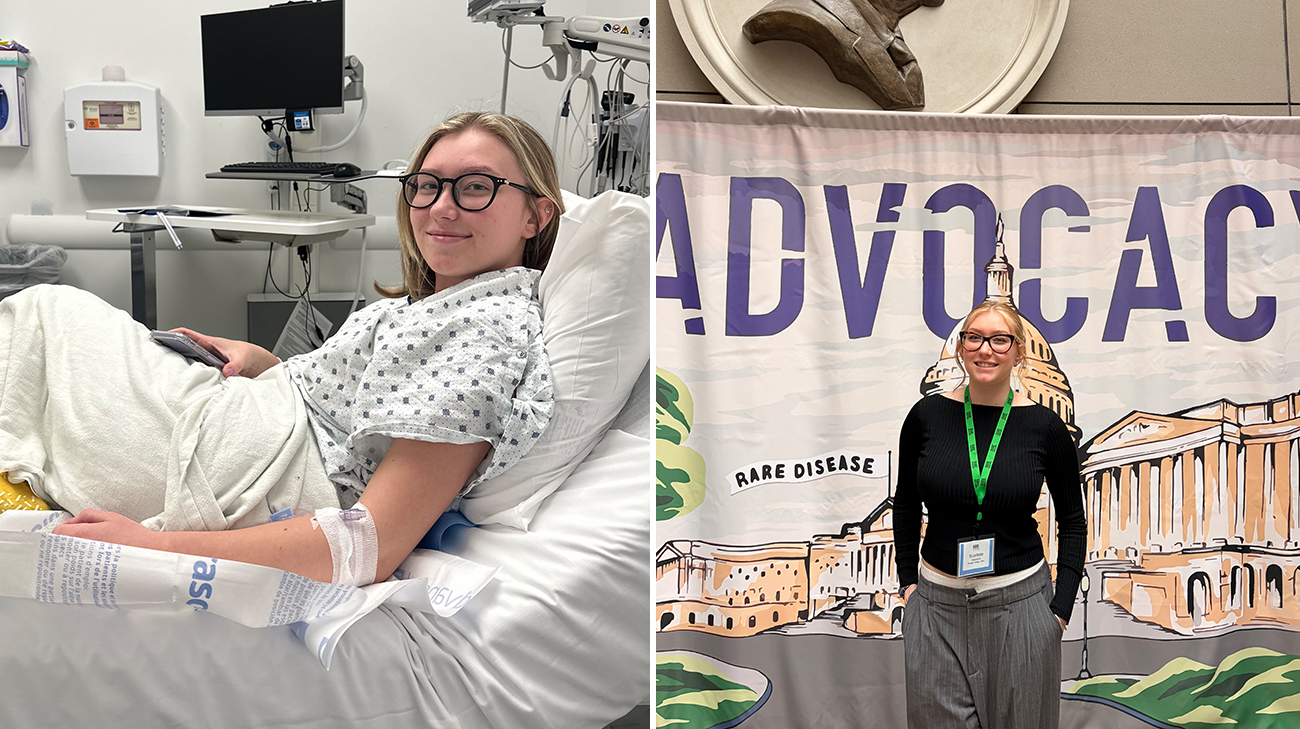
Scarlette travelled to Washington D.C. in February 2026 during Rare Disease Week. (Courtesy: Scarlette Washlock)
Scarlette also felt isolated. She did not know anyone else living with the disease, there were no local support groups and there was limited information online.
“At first, I felt so alone,” she recalls. “I remember sitting at the kitchen table with my dad and telling him I was just sad.” As her sister, Ember, and her step siblings carried on with their daily lives, Scarlette often could not. “Many days, I couldn’t do anything but lie on the couch because I was so tired and in pain.”
Those moments are now far less frequent. With care from Dr. Ribeiro and the team at Cleveland Clinic Sarcoidosis Center, Scarlette found a medication regimen that helps manage her symptoms. She takes several oral medications, including the immunosuppressant methotrexate and the immunomodulator hydroxychloroquine.
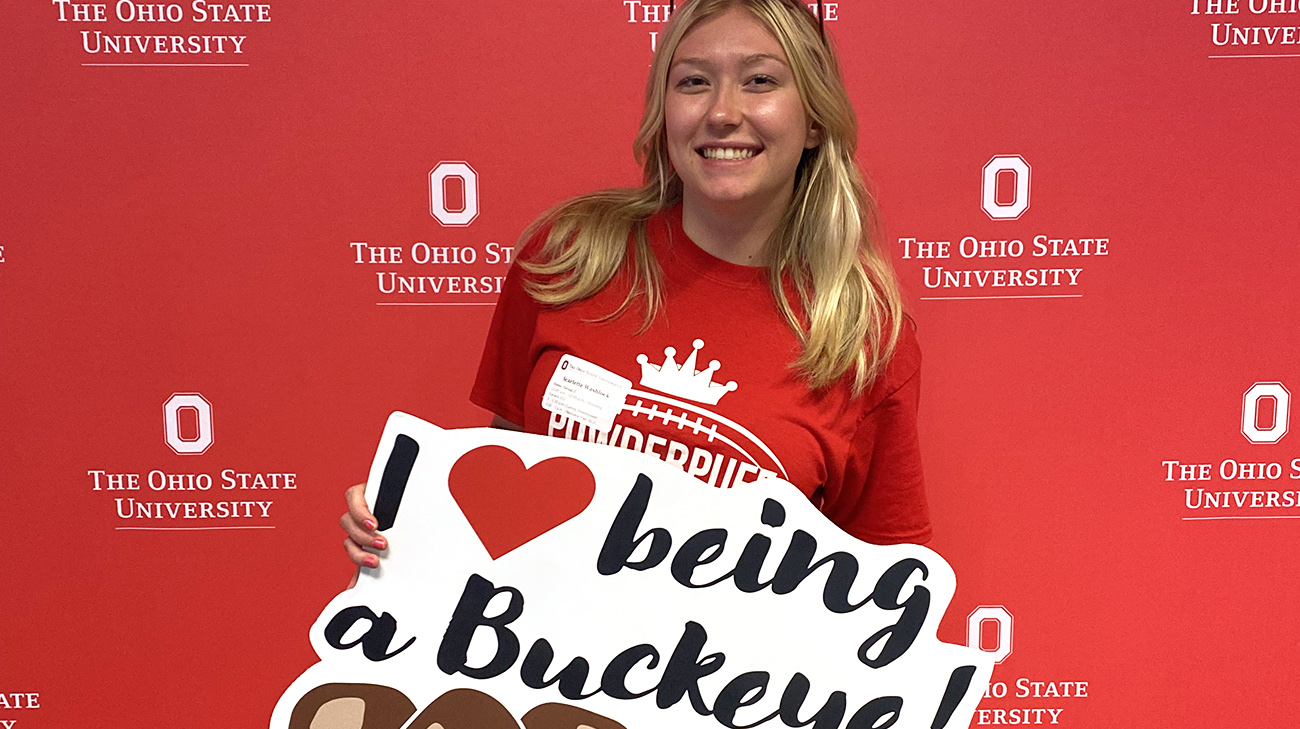
Scarlette looks forward to attending Ohio State University at their main campus in fall 2026. (Courtesy: Scarlette Washlock)
She also receives a biologic medication, adalimumab, every other week. Because she’s uncomfortable administering self-injections, she relies on help from one of her college friends. “I get one of them to do it,” she says with a laugh.
Scarlette decided early on sarcoidosis would not define her life. Although fatigue and pain forced her to step away from competitive Irish dancing, she poured her energy into other groups. In high school, she was active in student government, elected senior class vice president, inducted into the National Honor Society and completed more than 120 hours of volunteer service.
“There are going to be bad and scary days, but you have to trust yourself that it’s going to be OK,” emphasizes Scarlette, who was crowned queen of the 2025 Fairport, Ohio, Mardi Gras celebration. “You have to keep going.”
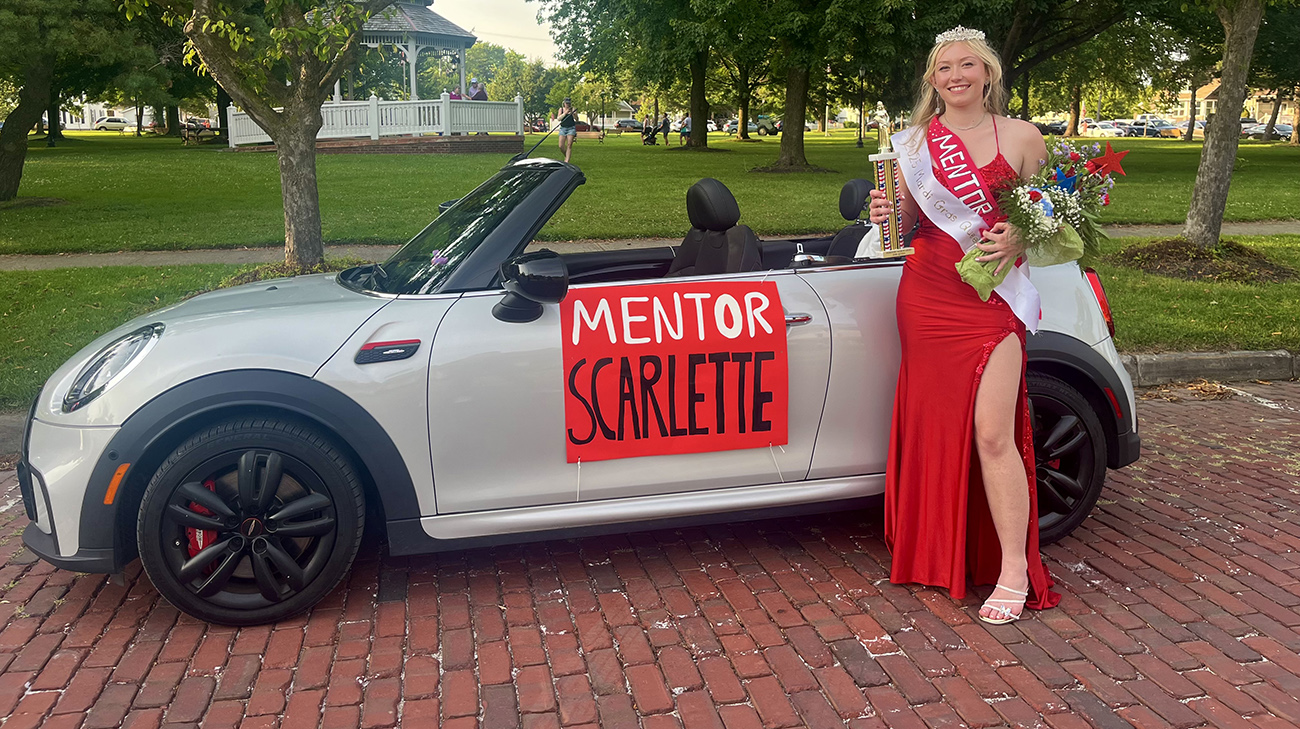
Scarlette was crowned queen at the 2025 Fairport, Ohio, Mardi Gras celebration. (Courtesy: Scarlette Washlock)
That perspective now guides how Scarlette spends her focus. She regularly shares observations and encouragement with others through social media and has devoted much of her free time to advocating for people living with sarcoidosis, a disease she often refers to as “sarcoid.” She is involved with the Foundation for Sarcoidosis Research (FSR), an organization that has helped shape her advocacy work.
In October 2025, Scarlette traveled to Chicago to attend FSR’s 25th anniversary gala, where she met many of the people she remains deeply grateful for along her journey.
She says, “None of this would have been possible without the FSR supporting me. They gave me an outlet to embrace my disease by giving me opportunities to explore and become involved,” including participating in a podcast with her mother, Kelly McBride.
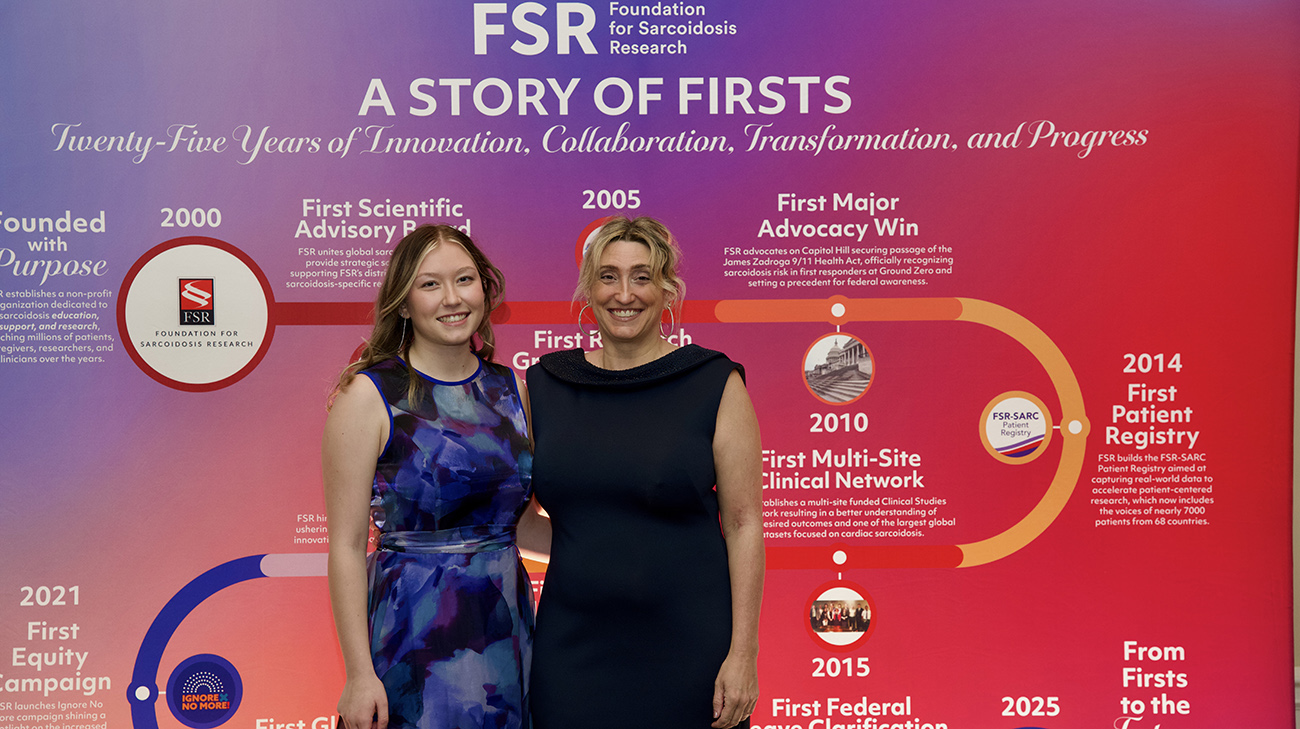
Scarlette and her mother at the FSR 25th anniversary gala. (Courtesy: Scarlette Washlock)
Her advocacy has also taken her beyond Ohio. In 2024, Scarlette traveled to Seattle, Washington, to attend the Sarcoidosis Retreat and Workshop hosted by the Caring Hands Sarcoidosis Foundation, one of the first opportunities she had to meet other patients and advocates in person, whom she calls “Sarcoid Warriors.”
In early 2026, she and her dad, Jeffrey Washlock, traveled to Washington, D.C., to take part in Rare Disease Week on Capitol Hill. Scarlette credits her parents with supporting her every step of the way.
“I felt alone for a long time,” Scarlette says. “That’s why I want others to feel hope and support when they’re diagnosed.”
“Scarlette still faces challenges from this disease, but she’s managing it well,” he says. “Her resilience and her willingness to help other people really stand out. That approach says a lot about who she is.”
Related Institutes: Respiratory InstitutePatient Stories
Cleveland Clinic Team Helps Florida Patient Breathe Easier After Complex Lung Surgery
Oct 21, 2026

Teen Athlete Returns to Sports After Two Head Injuries Trigger Yearlong Headache
Oct 19, 2026