


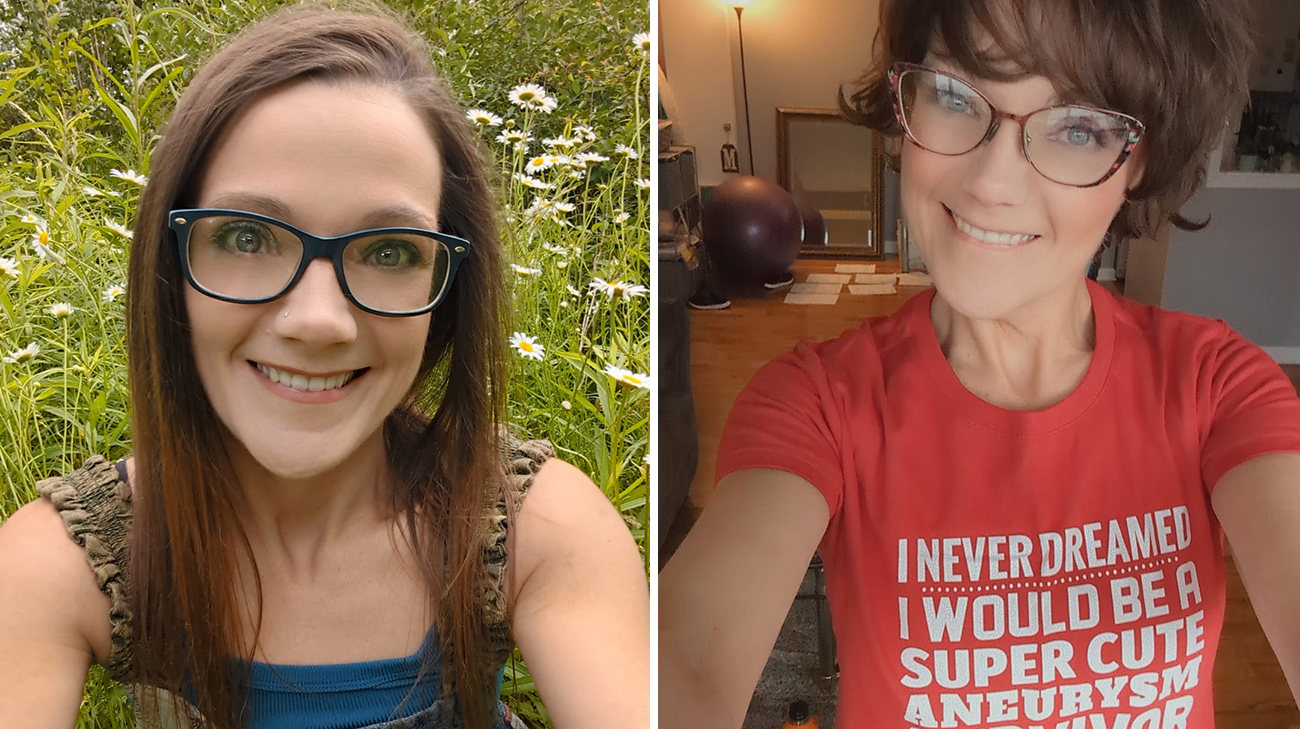
Across Cleveland Clinic’s hospitals and outpatient facilities, thousands of blood tests are administered each day. Among those results, an average of 20 patients receive a positive screening test for hepatitis C—a viral infection that, if left untreated, can cause serious liver damage.
Clinical pharmacist Erika Harrington spends about 90 minutes each day reviewing those cases and helping connect patients with providers who can treat and cure hepatitis C.
That’s how Erika, who leads Cleveland Clinic’s Hepatitis C Screening Program, met Abbi Meacham, a 43-year-old from Lodi, Ohio. Abbi had been living with the infection for nearly 20 years but never felt ready or had the opportunity to seek treatment. For many patients, stigma plays a significant role in delaying care. Hepatitis C is often associated with injection drug use, such as sharing or reusing needles for heroin or other illicit substances, which can make individuals hesitant to come forward for help.
“It doesn’t matter how someone became infected. Every patient deserves care,” says Erika, who also serves as the state lead for the Ohio Hepatitis Education Program (OH-HEP). The program equips primary care providers with knowledge and tools to screen, treat, and cure individuals who test positive for hepatitis C. “I see myself as a patient advocate because today we have outstanding medications that can achieve a 98% cure rate when treatment begins before the disease progresses,” says Erika.
Abbi —who has twice overcome heroin and opioid addictions, most recently in 2016 while undergoing treatment for two brain aneurysms —was initially skeptical when Erika reached out. She vividly recalled the reality two decades ago, when hepatitis C treatments were prohibitively expensive, required frequent intravenous infusions, and involved numerous clinical visits. Today, those same medications are taken orally and are often covered by insurance.
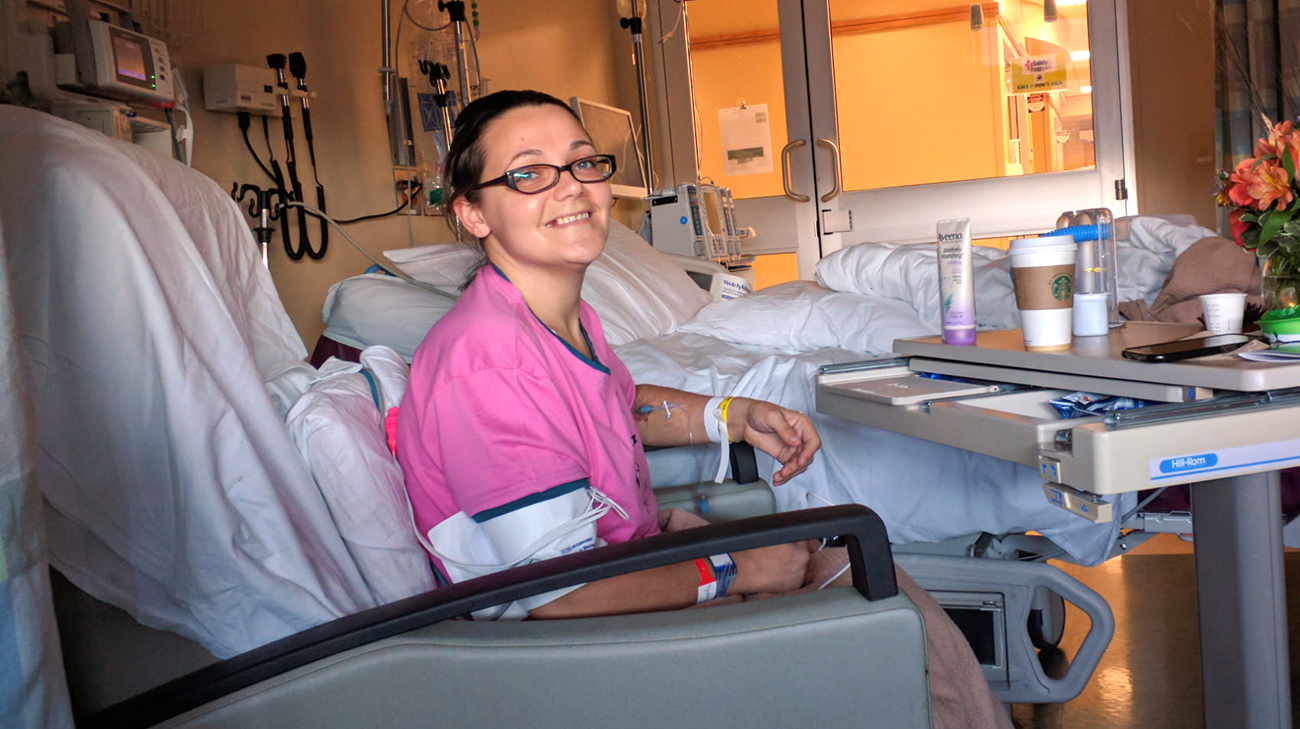
The first time Abbi was able to move from her hospital bed during recovery from two brain aneurysms. (Courtesy: Abbi Meacham)
“I thought, ‘Great, now I’ll have to see another doctor and schedule more appointments,’” recalls Abbi, who had recently undergone tests after experiencing persistent nausea and an intestinal disorder. Those tests prompted Erika to reach out. “But it wasn’t like that at all. This turned out to be one of the easiest treatments I’ve ever had.”
The Hepatitis C Program is designed to be straightforward and convenient. Once Abbi agreed to begin treatment, Erika managed the rest of the process. She ordered the oral medication, arranging for it to be delivered right to Abbi’s doorstep, handled insurance questions, and checked in regularly to ensure everything was on track.
After 12 weeks of consistently taking her medication without a side effect, Abbi finally received the news she had been waiting for: she was cured. A follow-up blood test confirmed every trace of hepatitis C was gone.
Abbi credits Erika for making the experience positive. “Erika really helped me through this journey,” she says. “She was incredibly kind and compassionate, and I’m so grateful to have had her in my corner. For a long time, the stigma Erika is working to end affected me. I was embarrassed and even a little scared to talk about hepatitis C, so I just brushed it under the rug, until I started having serious health issues.”
Erika explains the disease can remain silent for years, showing no symptoms, but if left untreated, it can lead to liver inflammation, scarring, and ultimately cirrhosis. “At that stage,” Erika adds, “it’s incurable and can be fatal.”
For individuals who currently inject drugs, treating hepatitis C and addressing substance use is critical. Research shows sharing injection equipment can lead to as many as 20 new infections within the first three years of use.
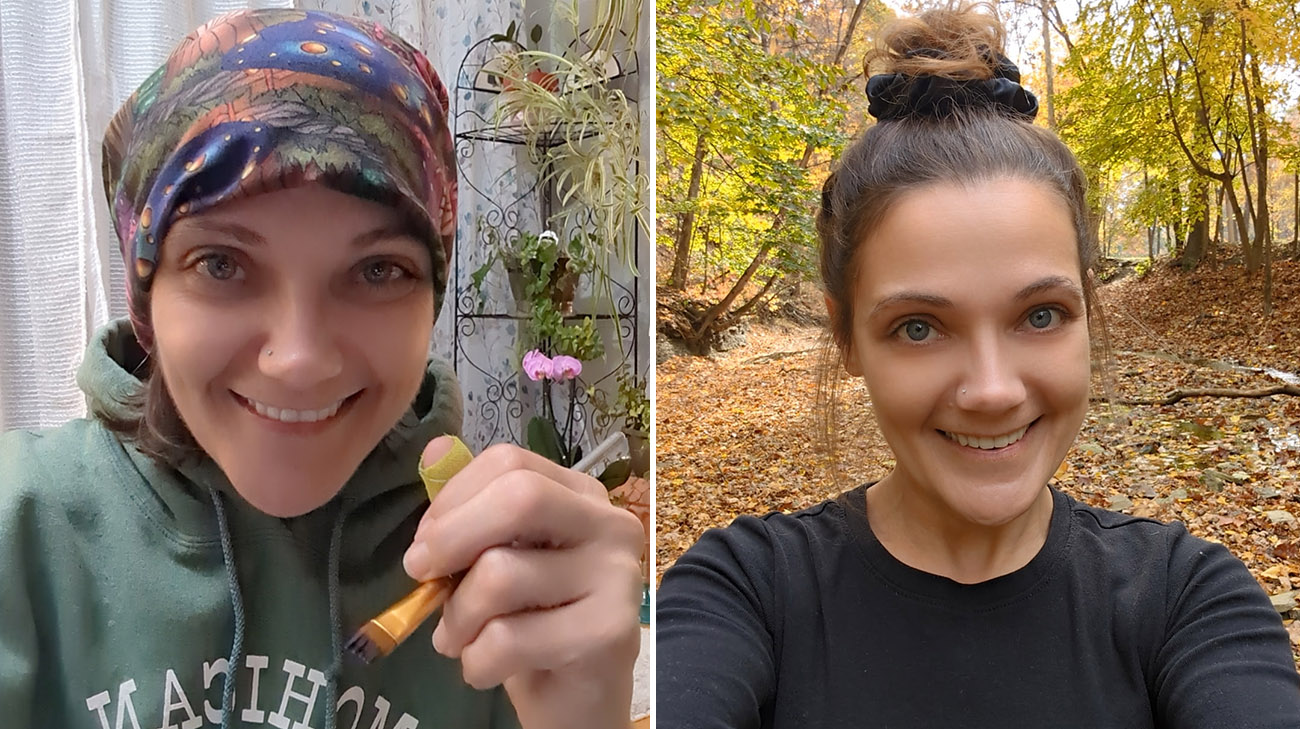
Following her treatment at Cleveland Clinic, Abbi no longer has hepatitis C and has returned to the activities she loves, including painting and hiking. (Courtesy: Abbi Meacham)
Although hepatitis C has been a public health concern for decades, infection rates have surged in recent years, fueled by the ongoing opioid crisis. In Abbi’s case, after being prescribed opioids to manage pain from brain surgeries, she turned back to heroin when her prescriptions ran out.
Today, the U.S. Centers for Disease Control and Prevention (CDC) estimates about 3 million people in the United States are living with hepatitis C and roughly 75% do not know they have it.
Erika emphasizes, “The sooner you treat an active user, the sooner you can stop the spread of infection.”
As for Abbi, now cured of hepatitis C and free from the nausea and intestinal issues that once plagued her, she is healthy. A proud mom to a 20-year-old college student, Abbi works in operations and project management for a furniture supply company and enjoys hiking and painting.
She doesn’t hesitate to share her story and the simplicity of her treatment because she wants to help others facing the same challenges that once derailed her life.
Abbi states, “My advice for anyone with hepatitis C is this: don’t be scared or ashamed. There’s nothing to fear. Be proud of yourself for taking the step to change your life and get healthy.”
Related Institutes: Digestive Disease & Surgery InstitutePatient Stories

After Devastating Knee Injury, Mental Health Support Fuels Soccer Comeback
Aug 20, 2026
A Second Chance at Life: Luis Peñate’s Heart Transplant Journey
Aug 20, 2026

