It was the instinctive actions of Chase Johnson’s dog, Cato, that alerted her to the presence of triple-negative breast cancer (TNBC) in her body.
Now, she’s hoping a first-of-its-kind breast cancer vaccine will one day prevent one of the more challenging forms of breast cancer from recurring in her and other individuals.
“I believe immunotherapy represents the future of cancer care, and I want to do my part to help advance research in that area,” says Chase, 36, who was diagnosed with TNBC in 2021 despite having no family history of breast cancer and spent the following year undergoing intensive chemotherapy, surgery, and radiation at hospitals near her home in Cary, North Carolina.
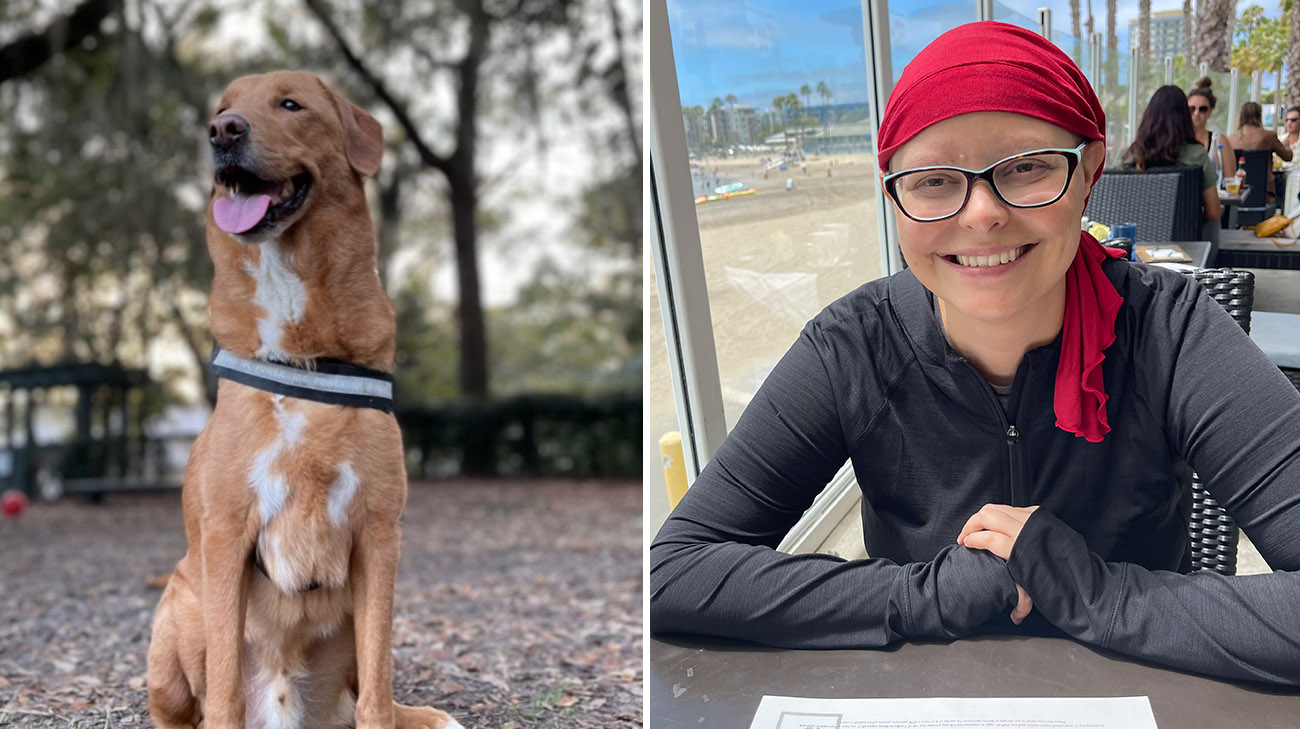
Chase is grateful for her dog, Cato, who alerted her to the presence of breast cancer. (Courtesy: Chase Johnson)
Chase was among 35 patients with TNBC who took part in a Phase I clinical research trial at Cleveland Clinic, conducted in partnership with Anixa Biosciences, Inc. Early findings showed the investigational vaccine —designed to target α‑lactalbumin, a protein commonly expressed in triple-negative breast cancers —triggered an immune response in most participants (74%) and was deemed safe and well tolerated.
These promising findings, shared in December 2025, are expected to lead to a larger clinical research trial aimed at determining the vaccine’s long-term effectiveness in preventing TNBC recurrence and reducing risk in individuals predisposed to the disease.
“For triple-negative breast cancer, until just a few years ago, chemotherapy was our only systemic option beyond surgery and radiation,” says G. Thomas Budd, MD, Cleveland Clinic breast oncologist and principal investigator of the Phase I study. “More recently, immunotherapy has shown benefit when combined with chemotherapy, which makes exploring a vaccine strategy even more significant. It’s a hopeful time for all of us concerned about this serious disease.”
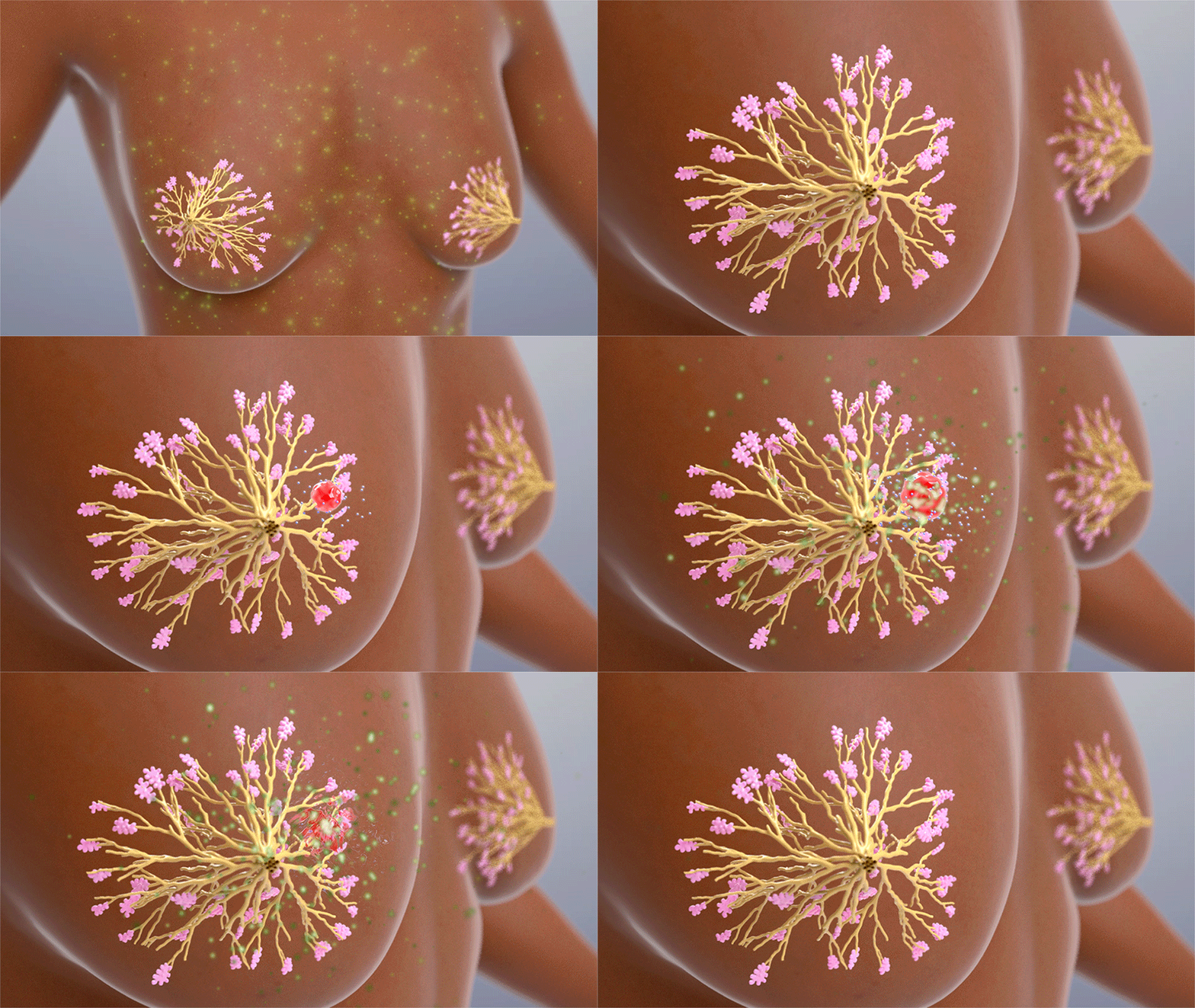
The vaccine targets a breast-specific lactation protein, α-lactalbumin, which is present in the majority of triple-negative breast cancers. Activating the immune system against this protein provides pre-emptive immune protection against emerging breast tumors that express α-lactalbumin. The vaccine also contains an adjuvant that allows the immune system to mount a response against emerging tumors to prevent them from growing. (Courtesy: Cleveland Clinic)
Although triple-negative breast cancer represents only about 10–15% of all breast cancers, it is associated with poorer survival rates compared to other types, according to the American Cancer Society. It is also twice as likely to occur in Black women, and approximately 70–80% of breast tumors in women with BRCA1 gene mutations are triple-negative.
Chase considers herself fortunate to have been eligible for the trial as a patient who had completed treatment for early-stage TNBC within the past three years and was tumor-free but at high risk for recurrence.
The study also enrolled other groups, including individuals who were cancer-free but carried genetic mutations linked to elevated breast cancer risk, as well as certain patients with early-stage TNBC who received the vaccine at the same time they received standard immunotherapy.
“I wanted to give myself the best chance to stay healthy and reduce the risk of it coming back,” says Chase, who learned about the trial after reading an article online while researching TNBC and its treatment options. “I was looking for what else, beyond conventional treatment, I could do to support my odds.”
The way Chase discovered her cancer was anything but conventional. In 2021, her dog Cato—a Labrador and golden retriever mix—suddenly began acting nervous and anxious around her. A few days later, he pressed his snout firmly against the side of her breast.
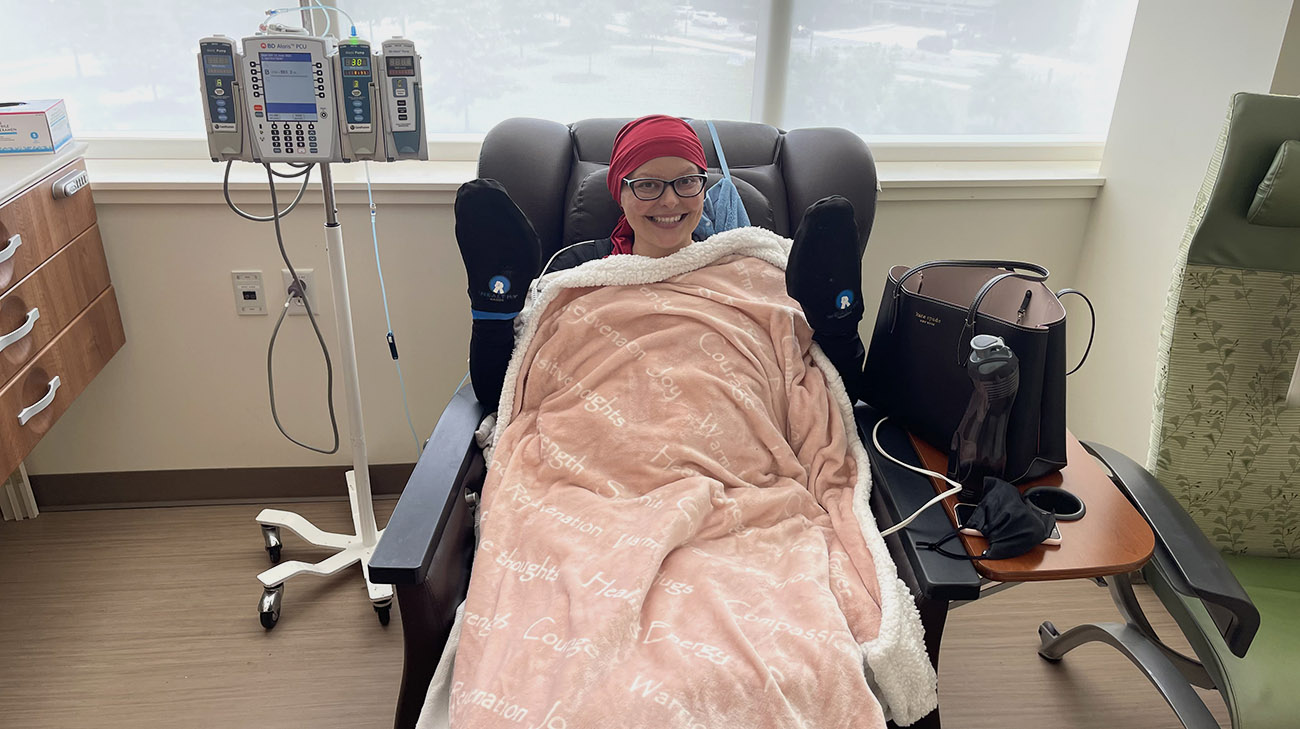
Chase receiving treatment for triple-negative breast cancer. (Courtesy: Chase Johnson)
That moment prompted Chase to check and find a lump, which led to a diagnosis of stage 2B TNBC.
“If my dog hadn’t alerted me, I think it would have been much later before I caught it. I probably wouldn’t be here today if it weren’t for him,” says Chase.
According to the study protocol, Chase became eligible for the Phase Ia portion of the trial six months after completing her final course of oral chemotherapy. Shortly after, a Cleveland Clinic caregiver called to let her know a spot had opened.
Chase traveled to Cleveland Clinic main campus in Cleveland, Ohio, several times for pre-trial assessments, follow-up scans, and her three bi-weekly vaccinations. Her course of treatment included three injections. She experienced no significant side effects and has shown no evidence of cancer for nearly five years.
Dr. Budd explains Chase’s participation helped the research team establish the appropriate dosage for the TNBC vaccine and confirm it could trigger an immune response with minimal adverse effects. The next step is to determine whether the vaccine can prevent TNBC recurrence—a focus of the upcoming Phase II trial, expected to begin in late 2026.
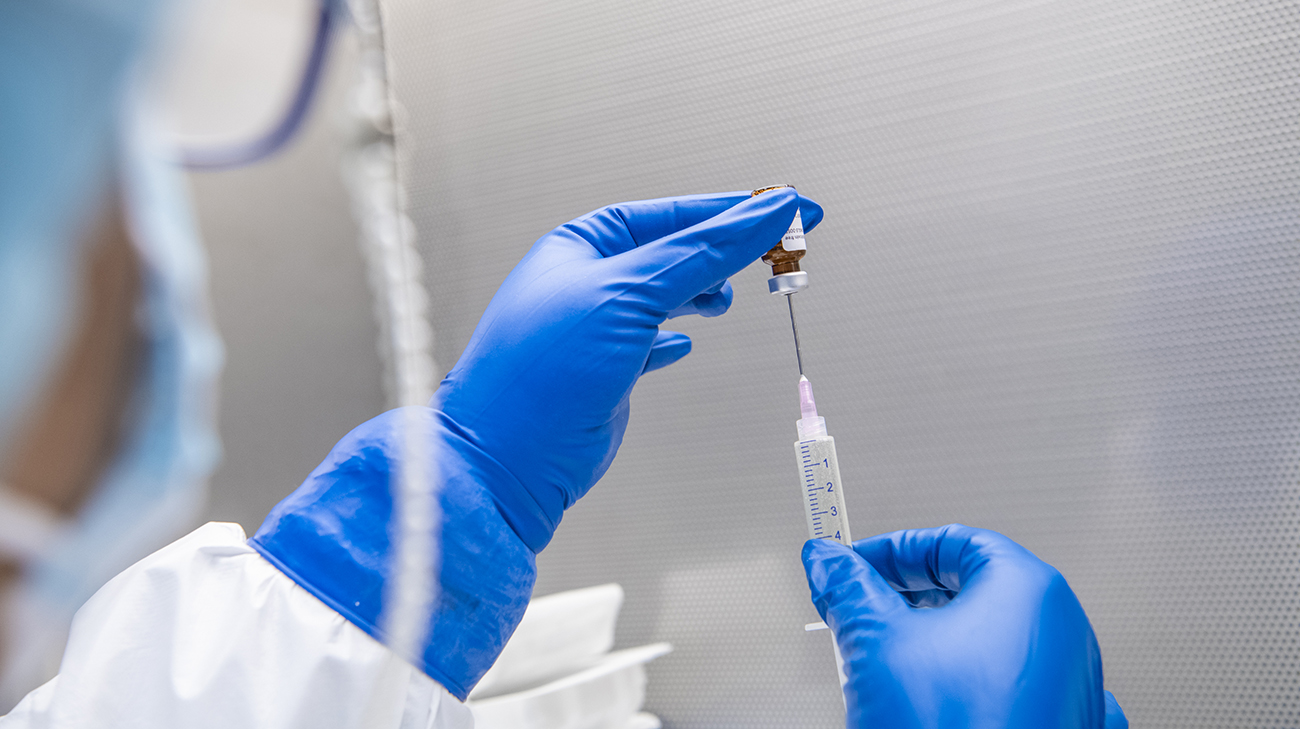
A pharmacy research technician preparing the breast cancer vaccine at Cleveland Clinic. (Courtesy: Cleveland Clinic)
“Whether this immune response will ultimately reduce the risk of recurrence or prevent new breast cancers, we simply don’t know yet,” explains Dr. Budd, noting the TNBC investigational vaccine builds on preclinical research led by the late Vincent Tuohy, PhD, who was the Mort and Iris November Distinguished Chair in Innovative Breast Cancer Research at Cleveland Clinic. “The Phase II trial will give us the first real indication of whether the vaccine does what we hope, which is reduce the risk of the cancer coming back.”
“It was always the hope this vaccine would demonstrate the potential of immunization as a new way to combat breast cancer and that a similar approach could someday be applied to other types of malignancies,” says Justin Johnson, PhD, researcher in Cleveland Clinic’s Department of Inflammation and Immunity and presenter of the study. “The fact that the majority of participants across all three cohorts showed an immune response to α-lactalbumin is an encouraging sign for the vaccine’s future potential.”

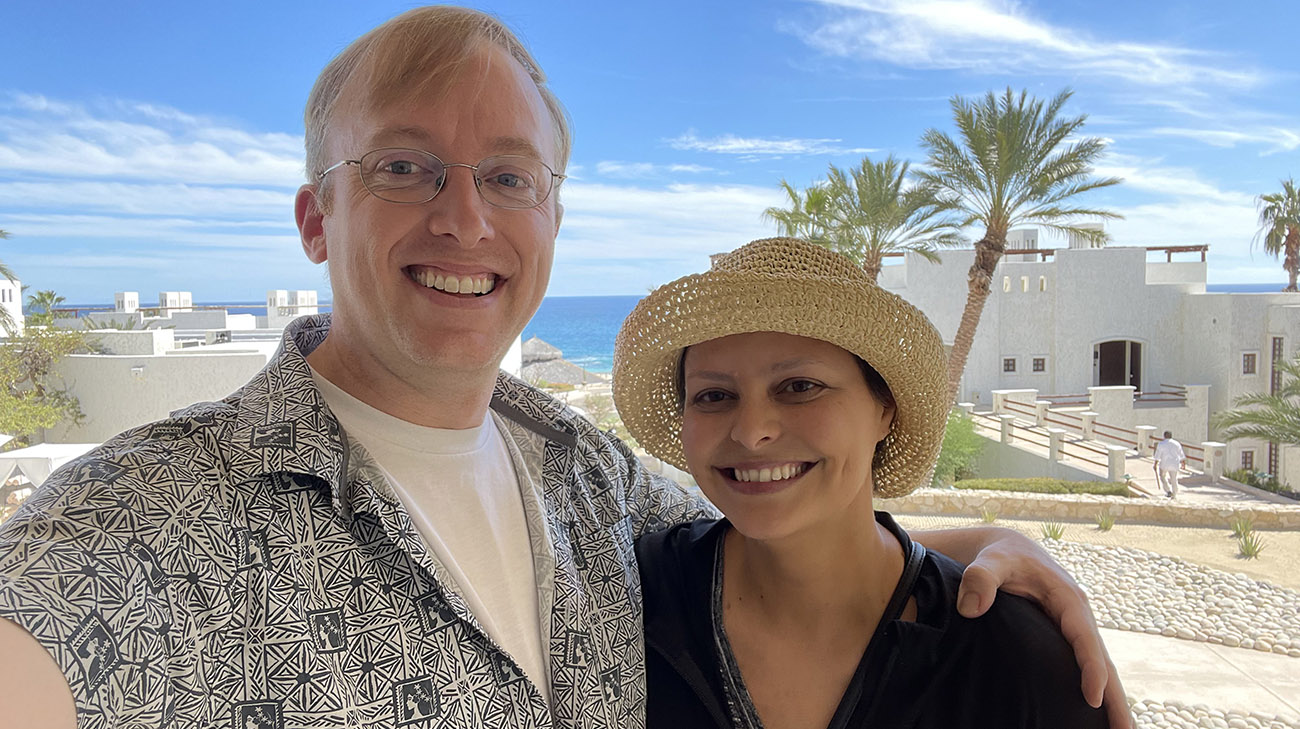
Chase with her husband Ben Johnson. (Courtesy: Chase Johnson)
As for Chase, she continues to undergo regular scans and blood tests to ensure her disease hasn’t returned. Thanks to Cato, she says her anxiety before appointments has been greatly reduced.
“Cato gives me a great sense of comfort when he’s calm before my scans,” she says. “I’m grateful for every day and for the chance to be part of something that could change lives. If this work helps even one person avoid what I went through, it’s worth everything.”
Anixa is the exclusive worldwide licensee of the novel breast cancer vaccine technology developed at Cleveland Clinic. Cleveland Clinic is entitled to royalties and other commercialization revenues from the company.
Patient Stories

Young Girl Overcomes Rare Cancer That Spread to Her Lungs and Spine
Sep 30, 2026

Football Player Lewis Cine Recovers After Successful Leg Surgery
Sep 29, 2026