Herpes gladiatorum (mat herpes) is a viral skin infection. It causes clusters of fluid-filled blisters to appear on your skin. The virus that causes it — HSV-1 — is very contagious. It spreads easily among wrestlers and other athletes who have lots of skin-to-skin contact. The infection may go away on its own, but you may still need an antiviral.
Advertisement
Cleveland Clinic is a non-profit academic medical center. Advertising on our site helps support our mission. We do not endorse non-Cleveland Clinic products or services. Policy
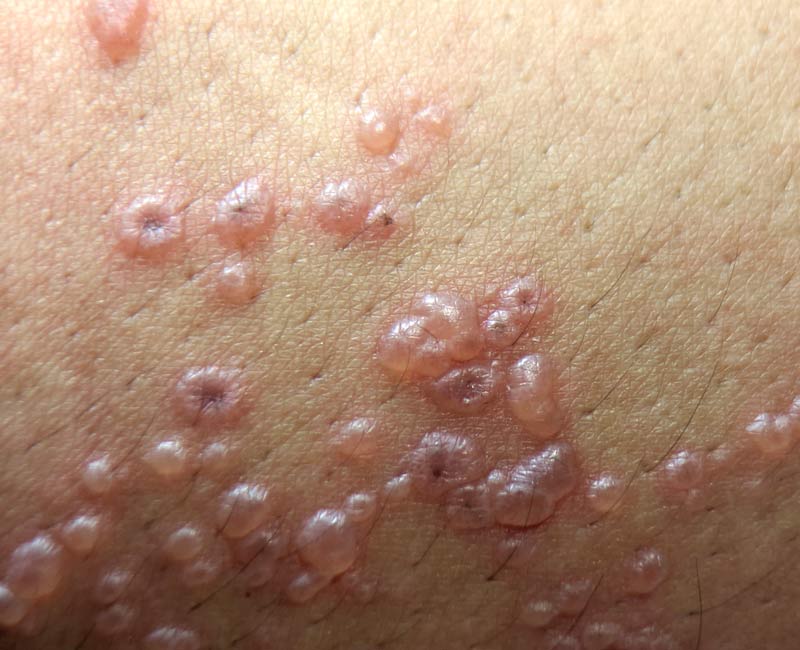
Image content: This image is available to view online.
View image online (https://my.clevelandclinic.org/-/scassets/images/org/health/articles/herpes-gladiatorum.jpg)
Herpes gladiatorum is a contagious skin infection. It causes fluid-filled blisters to appear on the skin of your face, neck or forearms. Herpes gladiatorum is common among athletes who participate in high-contact sports, like wrestling. That’s why it’s also known as “mat herpes.” Herpes simplex virus type 1 (HSV-1) causes the infection. This is the same virus that causes cold sores.
Advertisement
Cleveland Clinic is a non-profit academic medical center. Advertising on our site helps support our mission. We do not endorse non-Cleveland Clinic products or services. Policy
When you’re infected with HSV-1, it’s in your body for the rest of your life. There are times when the virus is asleep (dormant). That means it’s inactive and not causing any symptoms. Other times, the virus can reactivate and cause flare-ups. After your first experience with mat herpes, you may have flare-ups anywhere from once a month to once a year.
When you’re dealing with a flare-up, you may feel embarrassed, frustrated or ashamed. HSV-1 is a very common virus. But herpes gladiatorum can still take a toll on you, physically and emotionally. Talk to your healthcare provider about how you may be able to prevent future outbreaks.
Initial herpes gladiatorum symptoms include fever and swollen glands. They typically show up about a week after you’re exposed to the HSV-1 virus.
After that, you’ll start to notice a cluster of blisters on your skin. The virus can affect any part of your body. But it most commonly affects your face, neck or forearms. It can be dangerous if it affects your eyes. Eventually, the blisters will break open, leaving oozing sores that crust over. The sores can last for up to 10 days.
Other symptoms of herpes gladiatorum may include:
Advertisement
Mat herpes can feel different for everyone. You may feel a tingling sensation on the affected area of your skin. Some people experience painful sores. The site of the infection may also feel warm or itchy. For other people, the condition is painless.
Herpes simplex virus type 1 (HSV-1) causes herpes gladiatorum. The virus spreads from person to person through skin-to-skin contact. It can enter your body through cuts or scrapes on your skin.
Yes. Herpes gladiatorum is very contagious. Athletes who play sports involving lots of skin-to-skin contact commonly spread the virus. The infection picked up the nickname “mat herpes” because wrestlers often pass the virus to one another on the wrestling mat. It also affects athletes who play other high-contact sports, like rugby and basketball.
Though less likely, the virus can also pass through:
Herpes gladiatorum usually spreads from someone with an active flare-up. But you can also get the virus from someone who doesn’t have symptoms.
Yes. Herpes simplex virus type 2 (HSV-2) usually causes genital herpes, a sexually transmitted infection (STI). But herpes simplex virus type 1 (HSV-1) can also spread from an infected person’s mouth to another person’s genitals through oral sex.
People who participate in high-contact sports are at the highest risk. These include:
You’re also more likely to get the virus if you have stress or a weakened immune system.
If HSV-1 gets into your eye, it can cause a serious infection called herpes simplex virus keratitis, or eye herpes. Severe cases of eye herpes can lead to permanent vision loss.
If bacteria enter your body through a blister on your skin, a bacterial infection can develop. Without treatment with antibiotics, the infection can spread to vital organs, including your brain, liver and lungs.
A healthcare provider can typically diagnose the condition with a physical exam. They’ll examine the sores and ask you about your symptoms, including when they started. If you’ve come into close contact with anyone (for example, you’re a wrestler), let them know. That can help clue them in to what’s causing your symptoms.
Your provider may take a small sample from one of the blisters. They’ll send it off for a pathologist to examine in a lab. The sample can confirm a herpes gladiatorum diagnosis.
In certain cases, your provider may ask you to get a blood test. This test looks for antibodies that signal you have HSV-1 in your blood. You can also take a blood test if you think you’ve been exposed to the virus.
Advertisement
Not all cases of herpes gladiatorum need treatment. Mild cases should clear up on their own within 10 days. Your symptoms may be uncomfortable. But try not to pick at or scratch your skin. This can extend the time it takes you to heal. Lotions or creams may help with the itch.
In more severe cases, your healthcare provider may prescribe an antiviral medication. These medicines fight viruses and help you get better faster. You’ll take these medicines orally (by mouth). Antivirals for herpes gladiatorum treatment include:
Your provider may also prescribe an antiviral to help prevent flare-ups.
After HSV-1 gets into your body, it stays there for life. You may go a long time without having any symptoms. But you might also experience random, unexpected outbreaks. There’s no cure for mat herpes. But treatments are available to help treat and prevent flare-ups.
The best way to prevent herpes gladiatorum from spreading is to practice good hygiene. This is especially true for wrestlers, rugby players and other athletes who play sports with a lot of skin-to-skin contact. To practice good hygiene:
Advertisement
Other ways to help prevent the spread of mat herpes include:
In certain situations, your healthcare provider may recommend taking a preventive antiviral medication. This can help build up your immunity and reduce outbreaks.
When you first notice signs of herpes gladiatorum, you may feel a mix of emotions. Even though HSV-1 is very common, that doesn’t make it any easier on you. The good news is that treatment can help manage and even prevent outbreaks. Talk to a healthcare provider. If you have frequent flare-ups, they may recommend taking a low-dose antiviral every day. This can help keep the virus at bay. With preventive care, you can manage herpes gladiatorum and continue to do the things you love.
Advertisement



Sign up for our Health Essentials emails for expert guidance on nutrition, fitness, sleep, skin care and more.
Learn more about the Health Library and our editorial process.
Cleveland Clinic’s health articles are based on evidence-backed information and review by medical professionals to ensure accuracy, reliability and up-to-date clinical standards.
Cleveland Clinic’s health articles are based on evidence-backed information and review by medical professionals to ensure accuracy, reliability and up-to-date clinical standards.
Need care fast? Cleveland Clinic’s Express Care and Urgent Care locations treat everything from sprains to sinus infections — no appointment needed.