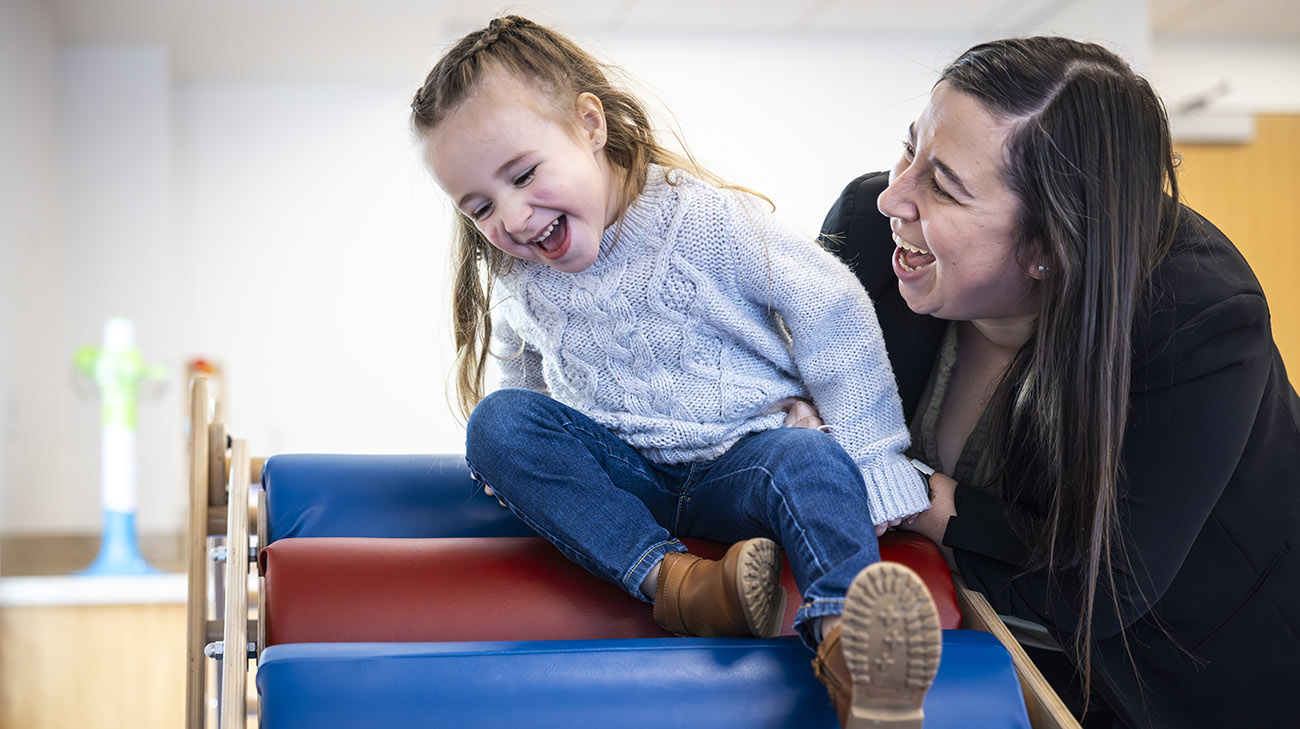
When 4-year-old Dani Reyes walks into Cleveland Clinic Children’s Center for Autism, she often has something to share and is eager to do so.
“She’s like our cruise director, telling us what we’re doing and when we’re going to do it,” says behavior analyst Chiara Graver, who has worked with Dani since she joined the center’s early intervention autism program at age 2. “When she came to us, she didn’t talk at all. The difference now is remarkable.”
Dani was nearly nonverbal when her parents enrolled her in outpatient therapy at the center’s Rocky River, Ohio, location.
Her parents, Jackie and Alfie Reyes, both of whom work in the medical field, first noticed changes when Dani was about 15 months old. Once highly verbal, their daughter became increasingly withdrawn.
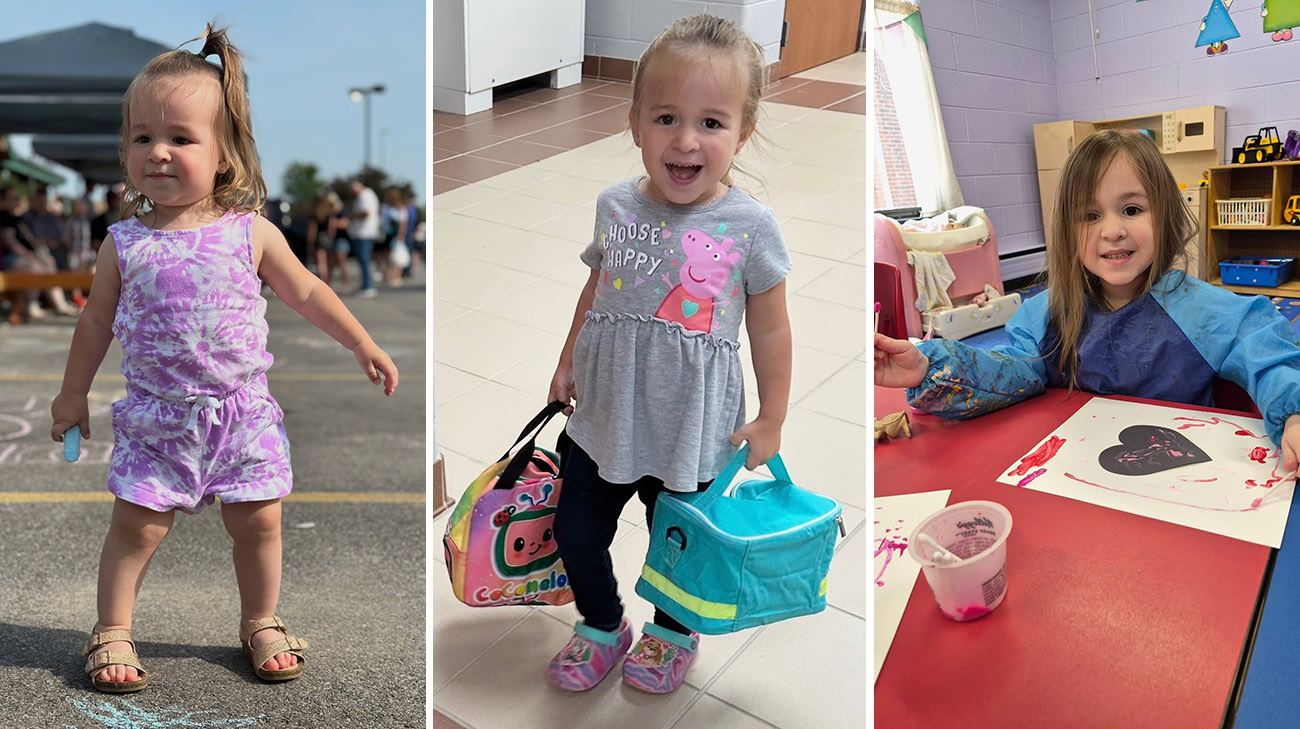
Dani's parents first noticed changes in Dani when she was 15 months old. Doctors later diagnosed her with autism. (Courtesy: Jackie Reyes)
“Dani just stopped talking,” recalls Jackie. “She would stare off in the distance or look right through us when we talked to her. We hoped it was just a phase.”
With guidance from Dani’s pediatrician and specialists at Cleveland Clinic Children's Center for Developmental Pediatrics, Dani was diagnosed with autism.
Autism is a neurodevelopmental condition that affects individuals in different ways, particularly in how they communicate and interact with others. It exists on a broad spectrum, with people experiencing a wide range of strengths, communication styles and support needs.
Chiara emphasizes that variability. “There’s a saying that if you know one person with autism, you know one person with autism,” she says. “Each child has their own interests and challenges.”
Because autism can look different from one child to the next, Chiara and her team begin with a comprehensive evaluation of each child’s early developmental skills, along with input from parents and other caregivers.
“We look at how they engage with the world around them,” explains Chiara. “Do they respond to their name? How do they let us know what they want or need? What are their play skills and interests? Can they follow directions?”
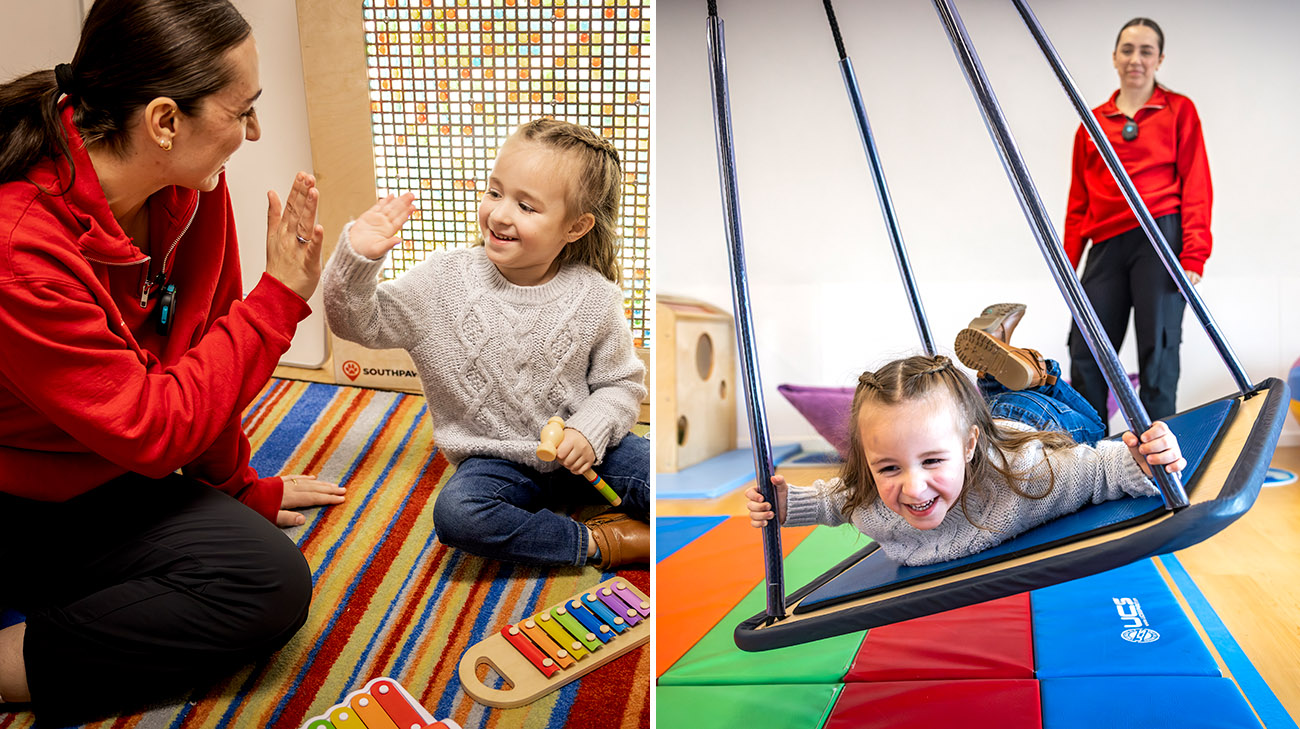
Dani during therapy sessions at the center with therapist Libbie Darling. (Courtesy: Cleveland Clinic)
From there, the team develops a personalized plan focused on social development, daily routines and expressive abilities. “We use evidence-based strategies that support interaction, everyday skills — like toothbrushing and using the bathroom — and reducing behaviors that may interfere with learning or safety,” she says.
While each child’s goals are unique, behavior analysts, behavior technicians, speech pathologists and other specialists collaborate to support children with autism and their families, with an emphasis on independence and school readiness.
“I’ll never forget the moment we were told our girl had autism,” recalls Jackie. “We didn’t know what to think. The unknown was overwhelming.”
Alfie also remembers struggling to process the diagnosis. “I was in denial at first,” he says. “I didn’t want to accept it.”
The Reyes family researched autism programs in the area and were eager to enroll Dani at the center. While waiting for an opening, Dani began occupational and speech therapy.
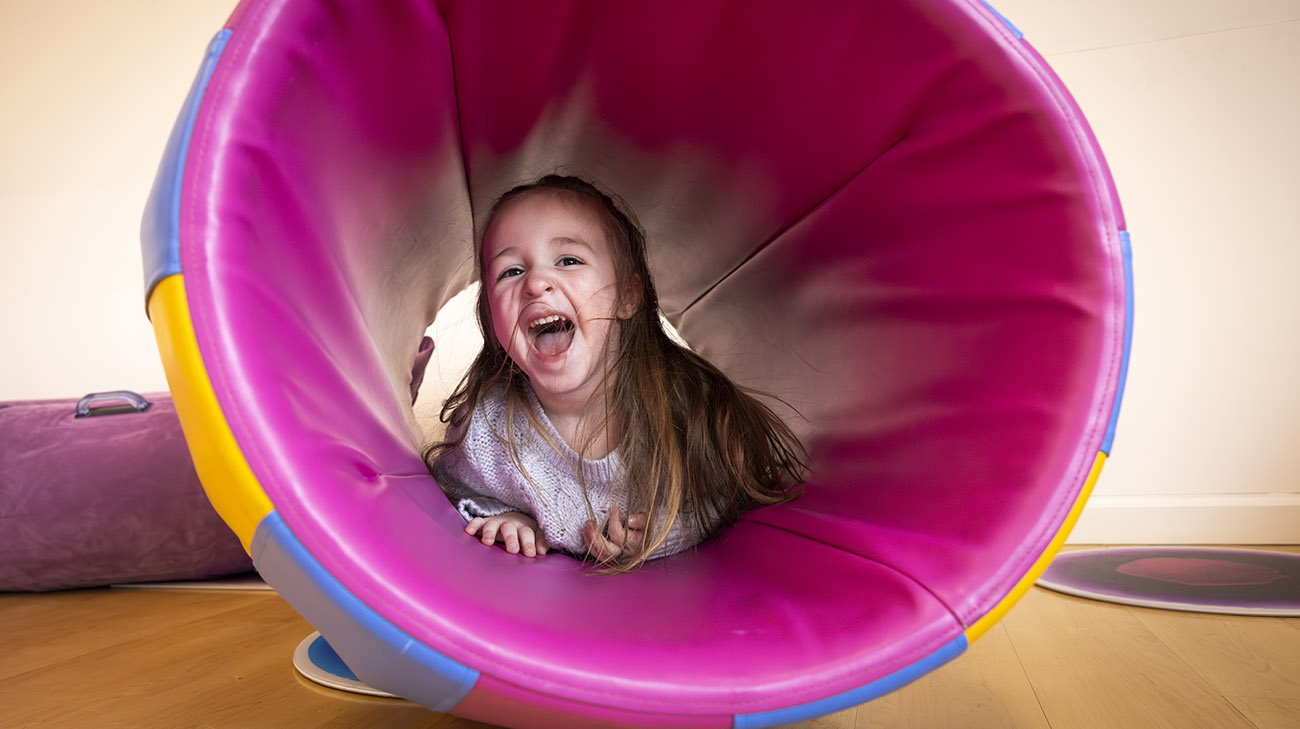
Dani confidently walks into preschool and Cleveland Clinic Children's Center for Autism, comfortably connecting with the people around her. (Courtesy: Cleveland Clinic)
When Dani began the program, which is grounded in Applied Behavior Analysis (ABA) principles, she was nearly noncommunicative. When overwhelmed, she would throw herself onto the floor, risking injury, and had limited interaction with others, including children her own age.
Once she started attending the program five days a week for about four hours each day, her social engagement and expressive skills began to develop gradually. Much of that progress emerged through one‑on‑one, play‑based activities with Chiara and other behavior specialists.
“An adult has the right to say no, and so should a child,” she explains. “We don’t force behavior. If a child wants to stop, we move on to something else. Our role isn’t to change who these kids are or take away their personalities or sensory needs. What we’re focused on is supporting how they express themselves, building skills for everyday life and improving overall quality of life.”
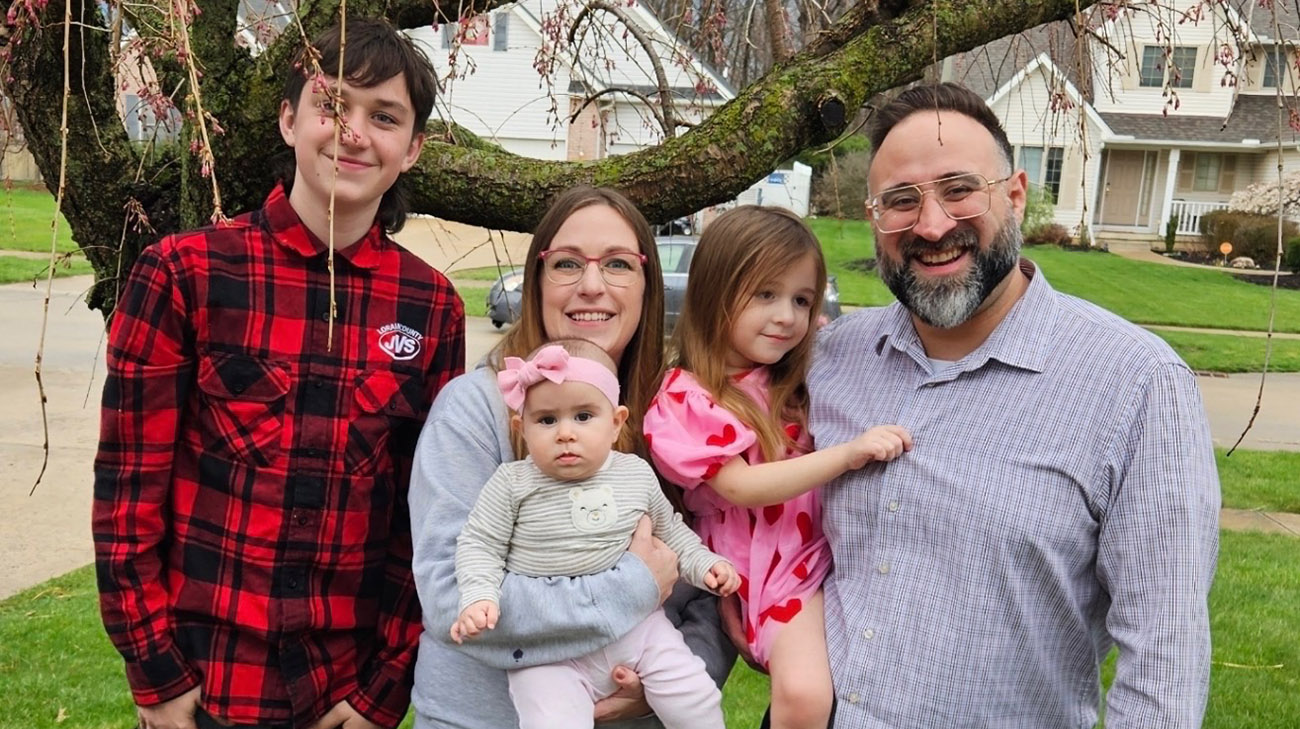
Dani with her mom, Jackie, dad, Alfie, brother and sister. (Courtesy: Cleveland Clinic)
A quick and eager learner, Dani continued to make steady gains in speech and self‑expression, using gestures and words to share what she wanted rather than becoming frustrated. Over time, familiar parts of her personality — her enthusiasm and interest in others — began to reemerge and expand.
Today, Dani confidently walks into preschool and the autism center, comfortably engaging with the people around her.
“Dani is so friendly and loves being around people,” Jackie says. “She’ll walk up to someone — even an adult — and start a conversation. She can’t wait to go to school or the center each day.”
“Our goal is never for a child to stay in our services longer than they need to be,” Chiara says. “We want to help them build the skills to navigate challenges on their own. For us, it’s a big win when we can spend less time with a child because they’re ready to spend more time in settings like school. That tells us they have the tools they need to be happy and successful.”
Related Institutes: Cleveland Clinic Children'sPatient Stories
Exercise Medicine Program Helps Man Prepare for Surgery and Reclaim an Active Life
Oct 9, 2026

‘Cornstarch Keeps My Son Alive’: Boy Eats Raw Cornstarch Daily To Manage Rare Metabolic Disorder
Oct 8, 2026