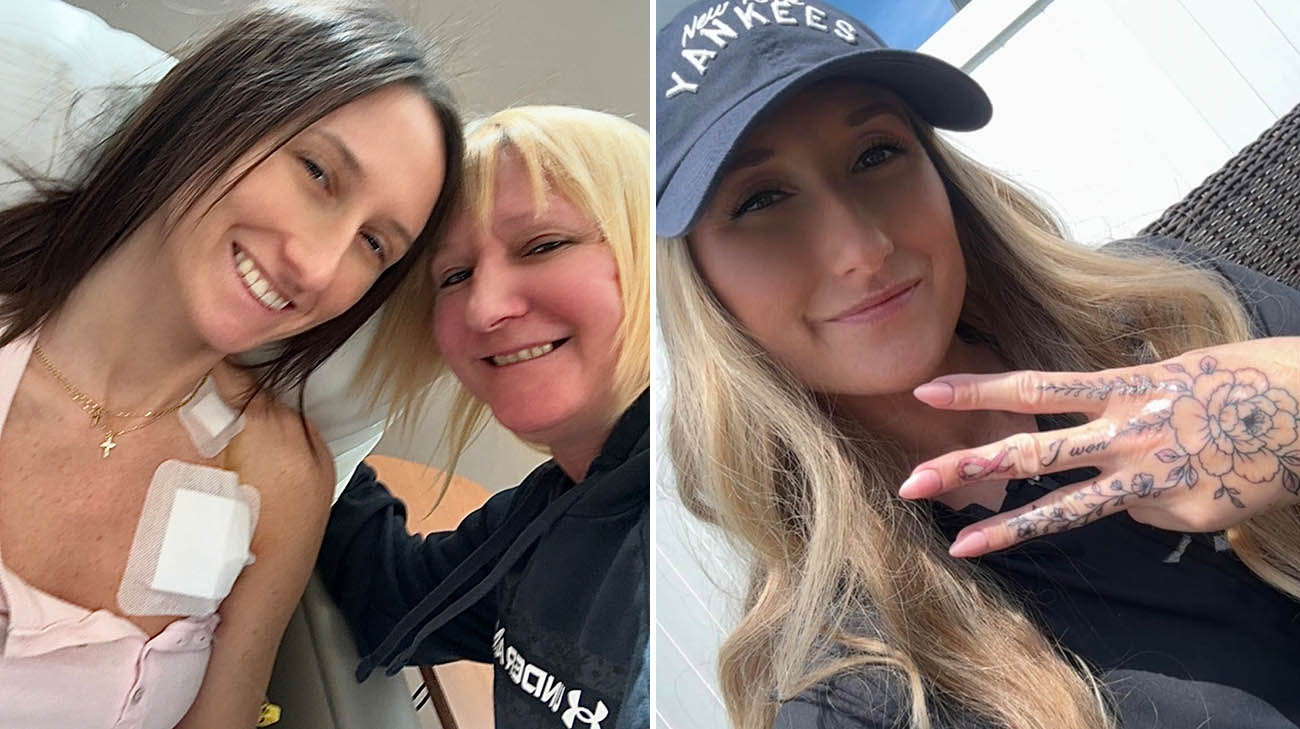
When Kristie Yatsko, 31, was diagnosed with breast cancer in 2025, she knew exactly where to turn for support: her mom, Dawn Yatsko, who had faced a similar diagnosis eight years earlier.
The mother and daughter are especially close. They live near each other in Seville, Ohio, and both work remotely for the same company. Their cancer experiences also shared striking similarities. Both developed breast cancer in the same area of the same breast and underwent chemotherapy, surgery and hair loss, though their diagnoses were different.
Dawn, 53, was diagnosed in September 2018 with estrogen-driven invasive ductal carcinoma. After a lumpectomy and additional surgery revealed lingering concerns, she chose to have both breasts removed. In total, she underwent eight surgeries and four rounds of chemotherapy.
“It would have been a shame to go through all the treatments only to get it in the other breast,” Dawn says.
Doctors diagnosed Kristie with stage 2 triple-negative breast cancer in November 2025, two days before Thanksgiving. Because her tumor was too large to remove surgically, she began treatment with 14 rounds of chemotherapy. She also received three rounds of immunotherapy which was stopped after she had a serious reaction.
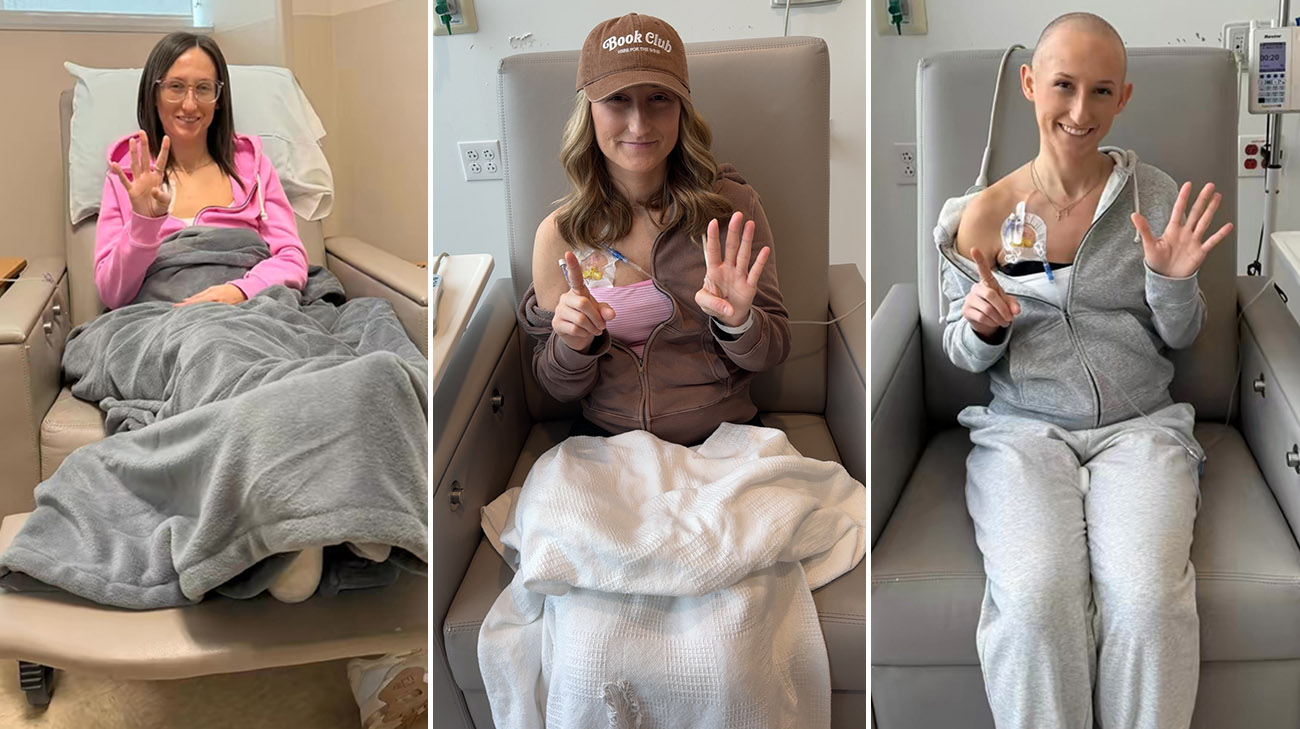
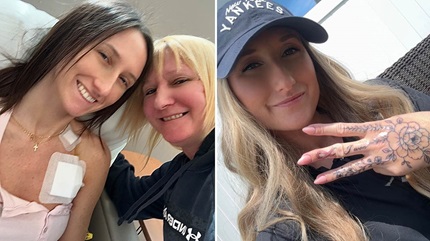
Kristie undergoing chemotherapy at Cleveland Clinic. (Courtesy: Kristie Yatsko)
Young patients like Kristie benefit from the multidisciplinary Cleveland Clinic Integrated Program for Young People with Cancer, which addresses the growing need for comprehensive cancer care among adolescents, young adults and adults under 50 with early-onset cancers.
In July 2026, Kristie underwent a bilateral mastectomy with reconstruction. Today, she has no evidence of disease and hopes to one day celebrate her five-year milestone.
“My mom's been in the clear for seven years, so that gives me hope,” Kristie says.
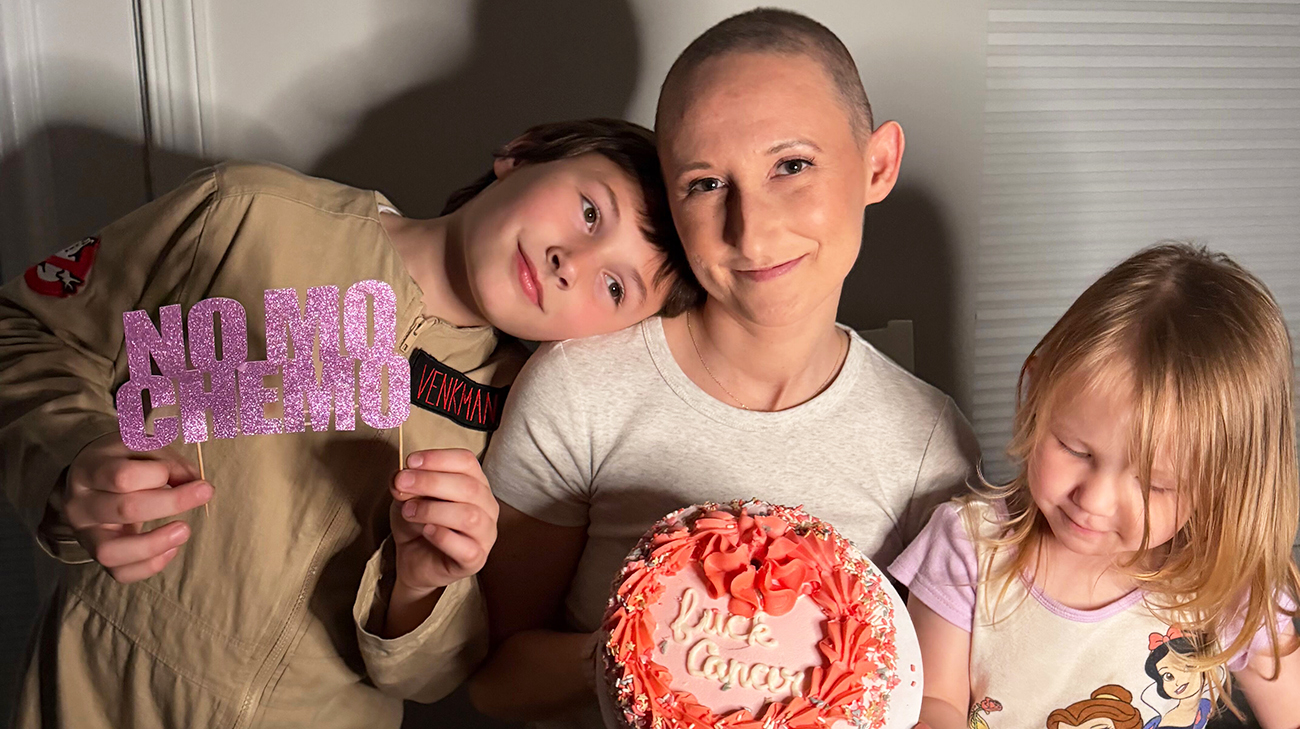
Kristie and her kids Leo and Delilah on her last day of chemo, May 6, 2026. (Courtesy: Kristie Yatsko)
Neither woman was found to carry genetic markers associated with breast cancer, and they have no known family history of the disease.
Cleveland Clinic breast surgeon Stephanie Valente, DO, who performed both women's mastectomies, says only a small percentage of breast cancers are linked to inherited genetic mutations.
“If a close relative is diagnosed with breast cancer, talk to your primary care provider or a breast specialist to determine if you should start having mammograms at an earlier age, or if high-risk screening or genetic testing is recommended,” she says. “We want families making decisions based on information, not based on fear.”
Though they may not have answers about why they both developed breast cancer, they are thankful they never had to face it alone.
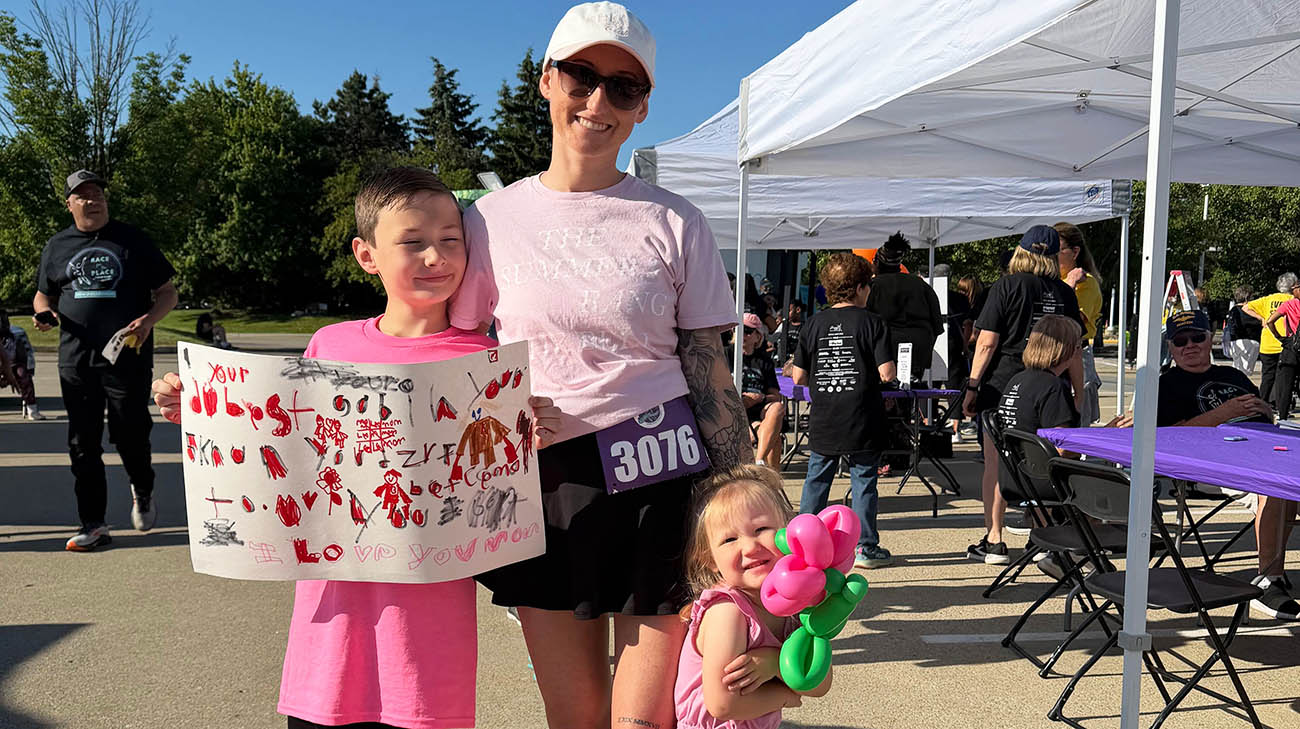
Kristie at a race with her two kids raising awareness for breast cancer. (Courtesy: Kristie Yatsko)
“When I was diagnosed, I felt so unlucky. But I was also fortunate to have my mom,” Kristie says. “It's awful she had to go through it, but having someone who truly understood what I was facing was a saving grace. Whenever I needed support, I called my mom. She was there for every appointment, every treatment and every surgery.”
The two women had different reactions to hair loss during treatment. Dawn, who regularly wore baseball caps long before her diagnosis, quickly adjusted. Kristie found the experience more difficult.
“I had to deal with my hair falling out over a long period of time before I finally had it buzzed off,” Kristie says. “Watching it happen little by little takes a real emotional toll. Now, I always tell people to just shave it. Don't put yourself through the pain of waiting for enough of it to fall out.”
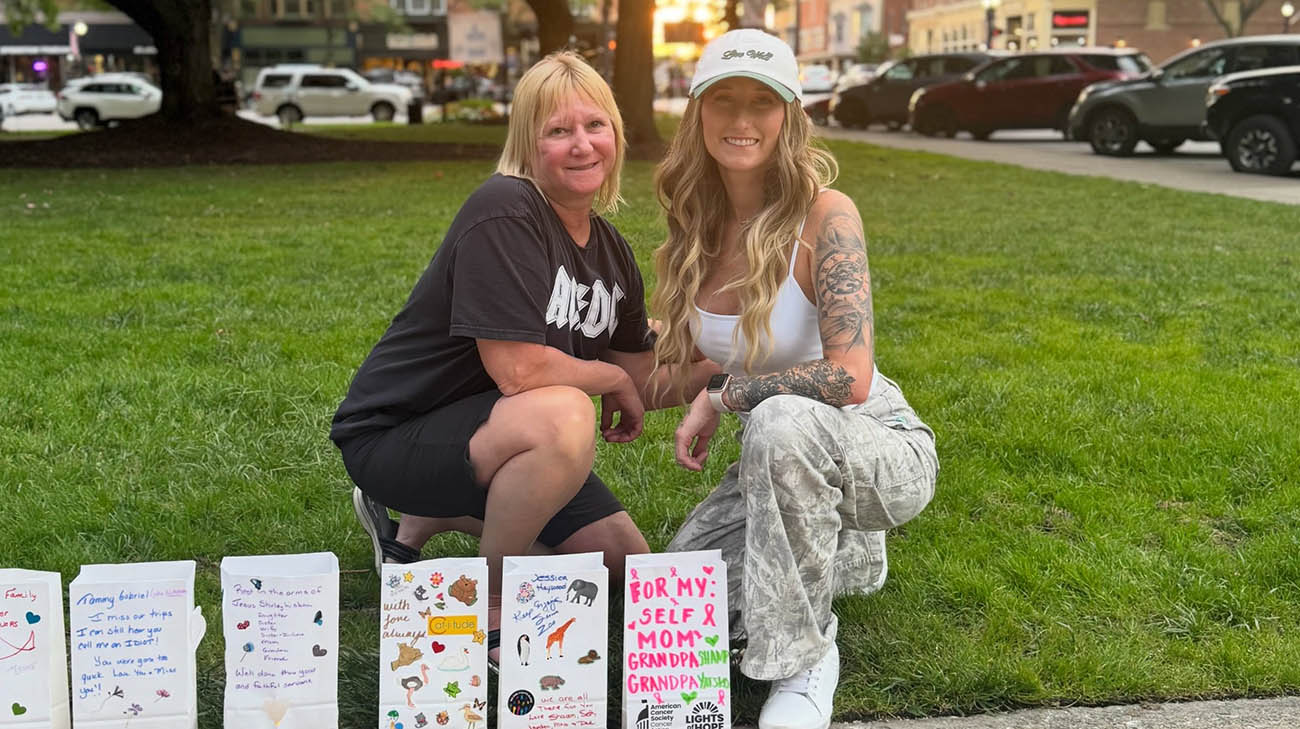
Kristie says her mother, Dawn, has never left her side during her breast cancer journey. (Courtesy: Kristie Yatsko)
Now a mother of two children, Kristie says going through breast cancer gave her a new perspective on what her own mom experienced.
“It wasn't easy, especially because I knew exactly what it involved,” Dawn says. “Knowing what she was facing was more intense than what I went through made it even harder. Watching her go through 14 treatments just broke my heart.”
Dr. Valente says it was meaningful to see the pair support one another through treatment.
“To be able to care for two generations of the same family and see them support each other through breast cancer has been truly special,” she says.
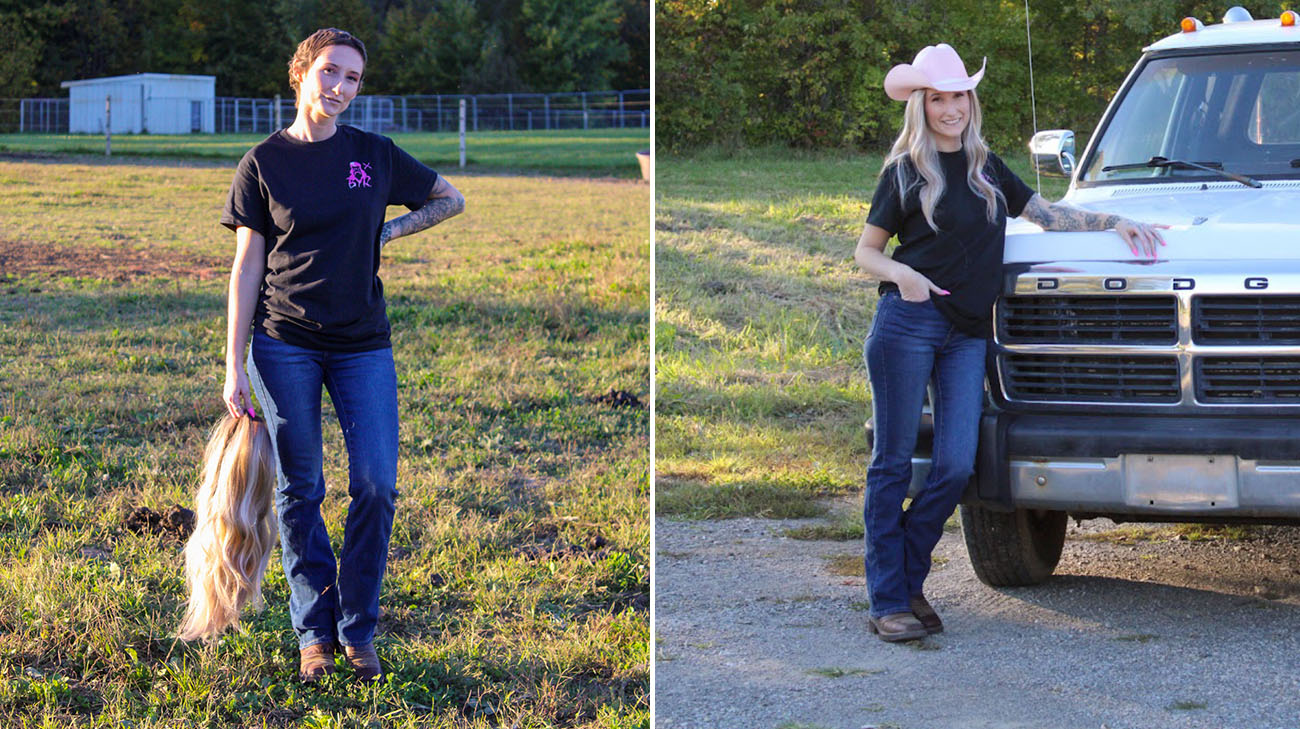
Kristie says going through breast cancer gave her a new perspective on what her own mom experienced. (Courtesy: Kristie Yatsko)
One week after her mastectomy, Kristie got a tattoo featuring a flower, a pink breast cancer awareness ribbon and the words “I Won.” For her, the flower is a reminder that life continues to grow and bloom after even the most difficult experiences.
Dawn plans to add a matching tattoo.
“Hopefully I'll be able to share my experience and what I learned the way my mom did for me,” she says. “With all the advancements happening right now, I’m optimistic for anyone who may have to go through this in the future. Hopefully, they’ll have access to treatments that make the journey a little easier.”
Related Institutes: Cleveland Clinic Cancer CenterPatient Stories
Eight Years Apart, Mother and Daughter Share Breast Cancer Journey
Oct 28, 2026

Teen Relearns To Walk and Talk After Rare 1-In-A-Million Brain Disorder
Oct 27, 2026