


For much of his life, Jack Alston could be found on a field or a court. The youngest of four children from northern Kentucky, he was already over 6 feet tall by age 15 and embraced every opportunity to compete in sports. Football was among his favorites, but in fall 2024, two concussions suffered just weeks apart changed everything.
An eighth grader at the time, Jack developed a severe headache that lingered long after the injuries. While he did not experience many of the symptoms commonly associated with concussions, including dizziness, vomiting and loss of consciousness, the headache never let up. On most days, he rated the pain a 9 out of 10.
The constant pain sidelined him from sports and made school increasingly difficult. Despite accommodations from his teachers, reading and concentrating became a struggle. Some days, the exhaustion was so overwhelming he had to lie down in the nurse's office just to make it through the school day.
Jack's parents took him to specialists in Cincinnati and Atlanta. Along the way, doctors suggested a wide range of treatments, including medications, infusions, hyperbaric oxygen therapy, dietary changes and chiropractic care. Nothing brought lasting relief.
"We were willing to try anything," his mother, Caroline Alston, says.

Concussions are common sports injuries, but anything that suddenly jerks your body, head or neck can cause one. (Courtesy: Cleveland Clinic)
One of their doctors in Atlanta eventually referred the family to Cleveland Clinic pediatric headache specialist Konstantinos Tourlas, MD. He diagnosed Jack with persistent post-traumatic headache, a condition where pain starts after a head injury and lasts for more than three months. People who get migraines, as Jack had in the past, are more prone to developing this condition.
Dr. Tourlas treated Jack with a combination of oral medications, occipital nerve blocks and intravenous infusions administered over five consecutive days. The approach reduced Jack's headache to a pain level of 4 out of 10.
Six months later, the family returned to Cleveland for a second round of IV infusions. That's when the headache finally broke. Jack has been pain-free since Sept. 22, 2025.
“His pain just fell away,” Caroline recalls. “We were so relieved and so thankful.”
“It was amazing,” Jack agrees.
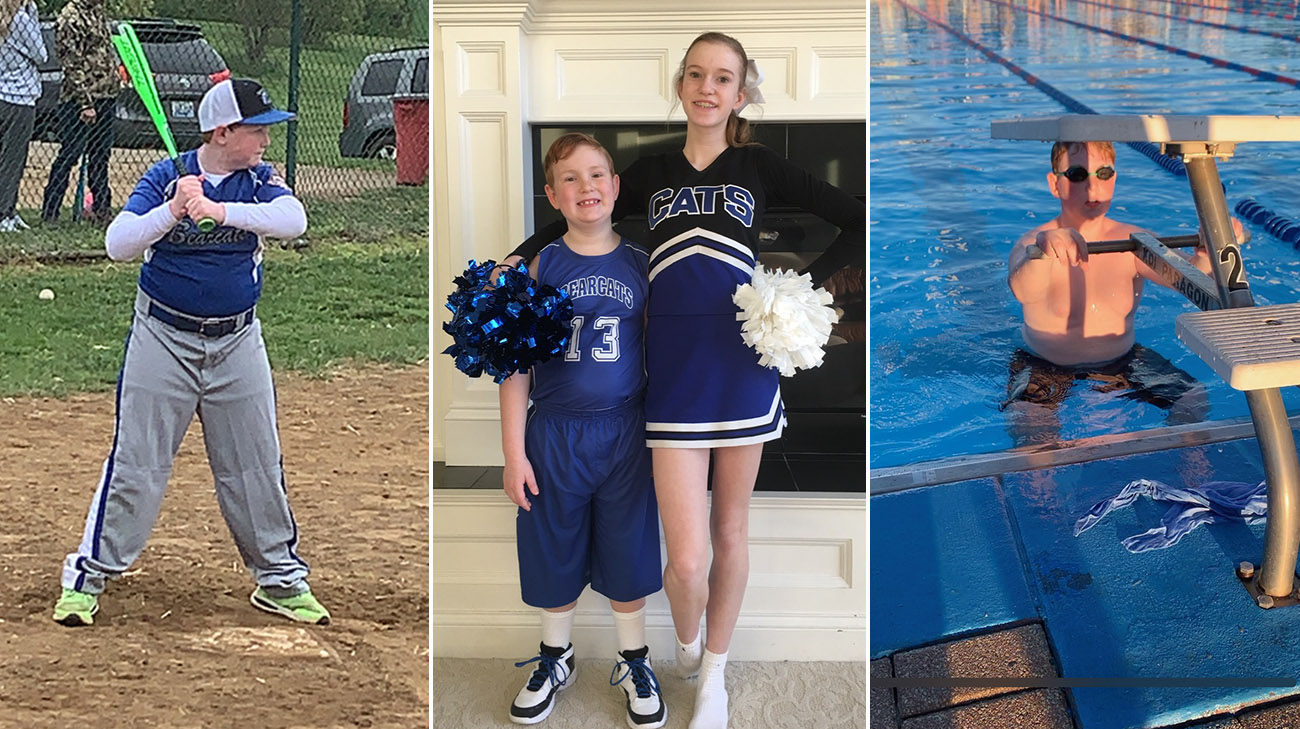
For much of his life, Jack embraced every opportunity to compete in sports. (Courtesy: Caroline Alston)
As Jack's symptoms improved, Dr. Tourlas left the decision about returning to football up to the family, cautioning another significant blow to the head could cause his headaches to return.
Ultimately, Jack chose to focus on another sport he loves: lacrosse. Drawn to the game's fast pace and physical demands, he has found his place as a goalkeeper. He says he didn't choose the position to avoid head injuries. Instead, he was attracted to the challenge it offers. Caroline says she feels a little more at ease seeing him on the lacrosse field than the football field.
“Balls are still flying at him in there, but it feels a little safer,” Caroline says. “I am glad he found a way to play a team sport. He loves the challenge of being part of the team, and he and his teammates really rely upon each other.”
Jack is quick to add he loves the physicality of being the last line of defense in lacrosse games.

Jack has been enjoying playing lacrosse. (Courtesy: Caroline Alston)
Today, Jack is back to doing the things he loves. He spends much of his time training and improving his strength and skills five days a week in preparation for the spring season. He is also thriving in the classroom again, no longer held back by the constant pain that once made it difficult to read, focus and get through the school day.
Outside of sports, Jack has another passion: birds. He spends time training his two pet birds to talk and dreams of opening an aviary someday.
“It was a long search for us to find answers, but we're so grateful we kept looking,” Caroline says.
Related Institutes: Neurological Institute, Cleveland Clinic Children'sPatient Stories
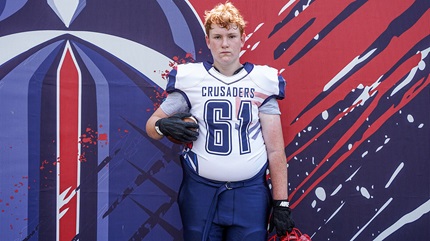
Teen Athlete Returns to Sports After Two Head Injuries Trigger Yearlong Headache
Oct 19, 2026
Exercise Medicine Program Helps Man Prepare for Surgery and Reclaim an Active Life
Oct 9, 2026

