Pseudoarthrosis can happen while you’re healing from a broken bone. It means the broken pieces didn’t form back into one complete piece like they should. Treatments can help your bone heal correctly. You might need surgery. Call your healthcare provider if you have new or worsening pain in your bone while you recover.
Advertisement
Cleveland Clinic is a non-profit academic medical center. Advertising on our site helps support our mission. We do not endorse non-Cleveland Clinic products or services. Policy
Pseudoarthrosis is a complication that happens when a broken bone doesn’t heal back together correctly. Some healthcare providers spell it pseudarthrosis. No matter what your provider calls it, it’s the same issue.
Advertisement
Cleveland Clinic is a non-profit academic medical center. Advertising on our site helps support our mission. We do not endorse non-Cleveland Clinic products or services. Policy
Pseudoarthrosis is Greek for “false joint.” It means the broken pieces of your bone didn’t heal together right. The pieces around the break didn’t form back into solid bone. Instead, a fiber-like mesh of tissue has developed around them. That’s the false joint. Two pieces of your bone that should be one are held together like they’re a joint made of two bones. This can cause pain and other symptoms. The false joint also won’t be as strong as a fully healed bone should be.
This issue usually affects long bones, like the ones in your arms and legs, because:
All of these factors can increase your risk of pseudarthrosis. It might take a while for signs to show up. Some bones need months to heal, even without complications. Contact a healthcare provider right away if you have new pain or other symptoms while you recover.
Pseudoarthrosis symptoms can include:
Healing from a broken bone always hurts. The difference with pseudoarthrosis is that the pain will last much longer than it should — weeks or months longer than your original healing timeline.
Advertisement
Pseudoarthrosis can happen for a few reasons, including:
Having certain health conditions can increase your risk of pseudarthrosis, including:
Advertisement
Other factors risk factors include:
If it’s not treated, pseudoarthrosis can lead to:
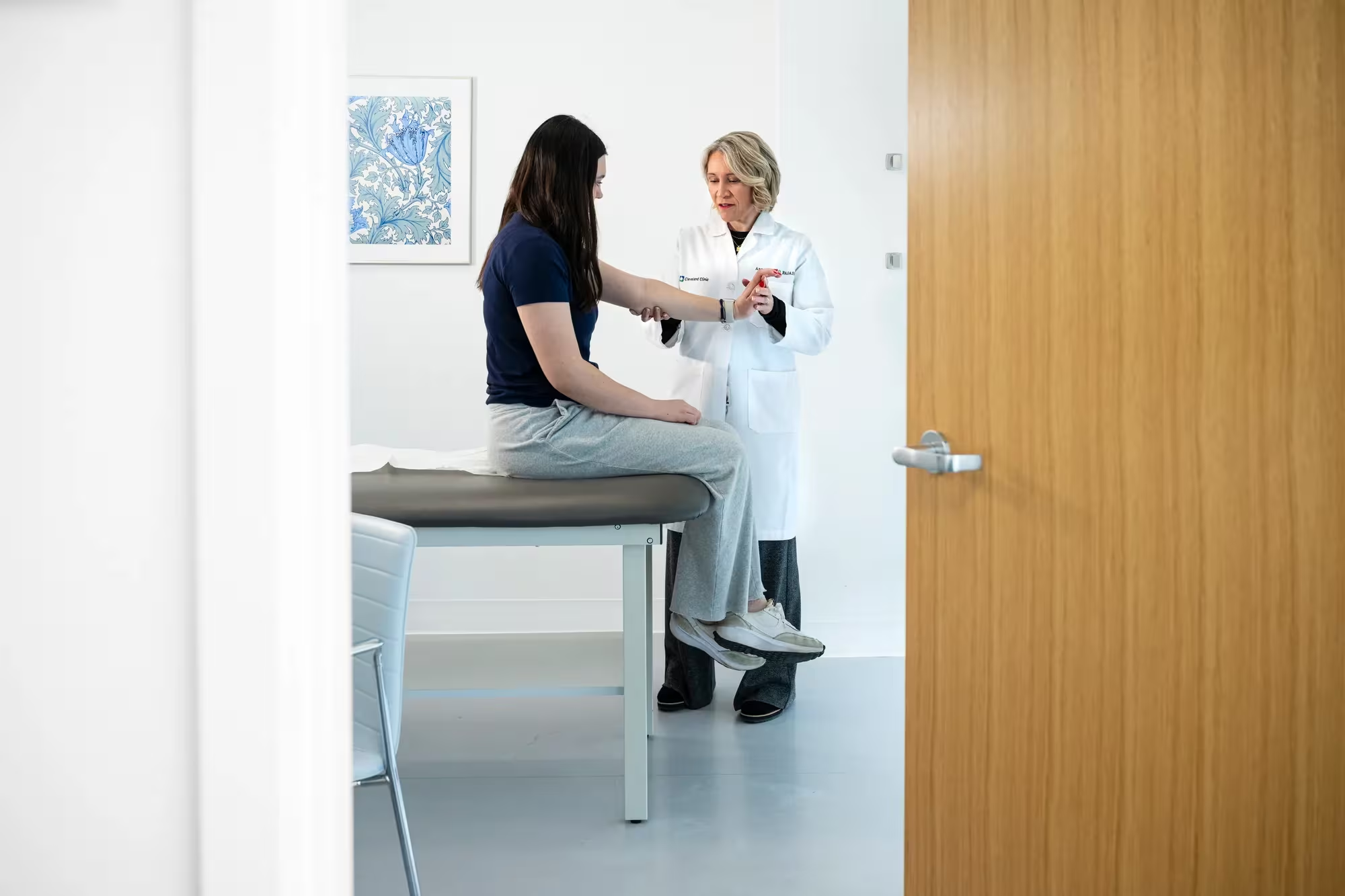
A healthcare provider will diagnose pseudarthrosis with a physical exam and an X-ray. Your provider will examine the area around your broken bone. Tell them when you noticed pain or other symptoms, and if any activities or movements make symptoms worse.
Your provider will take pictures of your bone with an X-ray. This will show how your bone is healing. You may also need a CT scan or MRI.
Your healthcare provider will suggest treatments to help your bone heal back together the right way. You might need:
Advertisement
Your healthcare provider will schedule follow-up visits after a bone fracture. They’ll check your healing and take more X-rays.
Call your provider if you think you have any pseudarthrosis symptoms. Let them know when you first noticed them. The sooner they’re able to diagnose and treat this issue, the better.
Treatments are usually successful. You might need to use a cane or walker while you recover. You shouldn’t have any long-term complications as long as your bone heals back together correctly. Your provider will tell you what to expect.
It can be frustrating to learn that your bone hasn’t healed right after weeks or months of treatments and healing. But the good news is that pseudoarthrosis usually responds well to treatments. Your bones are resilient. Sometimes, they just need a little extra help to repair themselves.
Advertisement



Sign up for our Health Essentials emails for expert guidance on nutrition, fitness, sleep, skin care and more.
Learn more about the Health Library and our editorial process.
Cleveland Clinic’s health articles are based on evidence-backed information and review by medical professionals to ensure accuracy, reliability and up-to-date clinical standards.
Cleveland Clinic’s health articles are based on evidence-backed information and review by medical professionals to ensure accuracy, reliability and up-to-date clinical standards.
From sudden injuries to chronic conditions, Cleveland Clinic’s orthopaedic providers can guide you through testing, treatment and beyond.