



A bladder ultrasound is a test that uses sound waves to create images of your bladder. It’s painless and noninvasive. It can help healthcare providers diagnose bladder conditions like bladder stones and tumors, or urinary issues like being unable to empty your bladder.
Advertisement
Cleveland Clinic is a non-profit academic medical center. Advertising on our site helps support our mission. We do not endorse non-Cleveland Clinic products or services. Policy
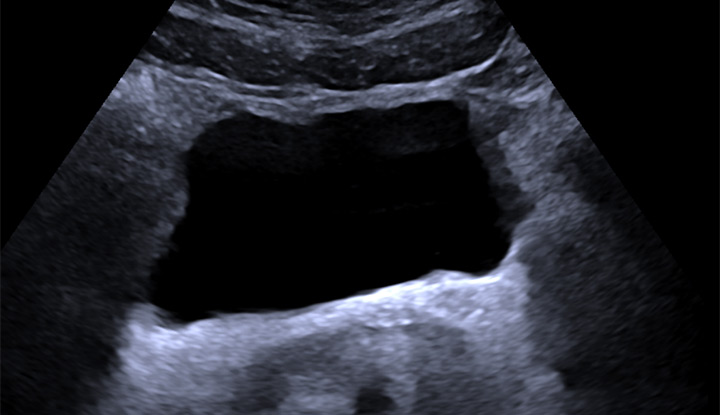
Image content: This image is available to view online.
View image online (https://my.clevelandclinic.org/-/scassets/images/org/health/articles/bladder-ultrasound)
A bladder ultrasound is an imaging test that uses sound waves to create pictures of your bladder. It can also show details of other structures around your bladder, like your kidneys and prostate. The test is painless and noninvasive. The results help your healthcare provider figure out what’s causing your symptoms. Then, they can figure out a treatment plan that helps you feel better.
Advertisement
Cleveland Clinic is a non-profit academic medical center. Advertising on our site helps support our mission. We do not endorse non-Cleveland Clinic products or services. Policy
Ultrasounds use sound waves to create a picture of the inside of your body. Sound waves from the ultrasound bounce or echo off structures inside your body. A machine translates the echoes into pictures. Then, healthcare providers can review the pictures.
Your bladder is an organ that holds your pee until it leaves your body. Your provider can look at the pictures from your ultrasound to check your bladder for anything that looks abnormal.
An ultrasound technologist typically performs your ultrasound.
A bladder ultrasound can show things like:
Some reasons your provider may order a bladder ultrasound are:
Your provider will let you know if you need to prepare for the ultrasound. In many cases, you’ll need to drink water before the test and not pee until after the test (or until your provider tells you to). Your provider will tell you how much to drink and when to start. Providers usually prefer a full bladder because it helps them see it better.
Advertisement
Here’s what you can expect during a bladder ultrasound:
The ultrasound usually takes less than 30 minutes. There are no risks or side effects from an ultrasound.
After you leave your ultrasound appointment, you can go about your normal activities. The results of your ultrasound should be ready in a few days. This can depend on how quickly your healthcare team can review and analyze the images. You can ask your technologist how many days it may take.
The provider who ordered the test will discuss the results and next steps with you.
The results you receive will depend on what your provider was looking for and why you had the ultrasound. If your results are normal, it means your bladder looks and functions as it should.
If your results show something concerning, your healthcare provider may recommend other tests, like a CT scan, MRI or VCUG. They may also refer you to a urologist.
Contact your provider if you have any questions about your bladder ultrasound or about what comes next in your care.
A bladder ultrasound is a safe and effective way for healthcare providers to examine your bladder. Your provider will explain what to expect and if you need to come with a full bladder. After the test, they’ll review the results and next steps with you.
Advertisement



Sign up for our Health Essentials emails for expert guidance on nutrition, fitness, sleep, skin care and more.
Learn more about the Health Library and our editorial process.
Cleveland Clinic’s health articles are based on evidence-backed information and review by medical professionals to ensure accuracy, reliability and up-to-date clinical standards.
Cleveland Clinic’s health articles are based on evidence-backed information and review by medical professionals to ensure accuracy, reliability and up-to-date clinical standards.
It can be stressful (and painful) to have bladder disorders, like urinary incontinence or cystitis. But the urology providers at Cleveland Clinic are here for you.
