Antoine Van Meir learned a very important lesson after experiencing a tear in his aorta, known as Type A Aortic Dissection, in 2023: never ignore potential warning signs.
His life-changing story began while he was on his way to the airport, heading for a trip to Ecuador. Antoine suddenly had difficulty breathing and could barely speak. He told his girlfriend they needed to turn around and go home.
“I thought it would pass and I’d feel better in a day or two,” Antoine said.
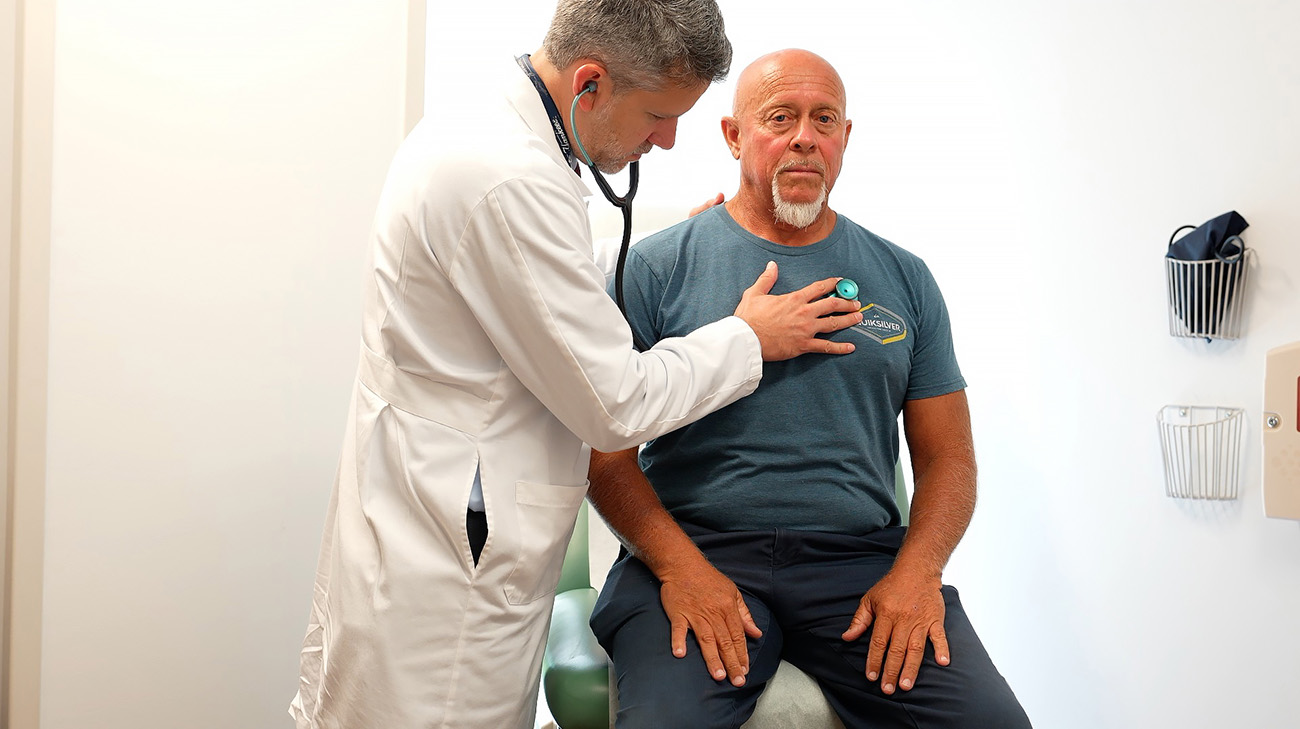
Two weeks later, when his condition had not improved, Antoine saw Arley Peter, MD, Internal Medicine, Cleveland Clinic Indian River Hospital. Following an ultrasound, Antoine was sent directly to the hospital where an expert, multidisciplinary cardiovascular team was prepared to address his serious heart condition.
Antoine’s memory of what happened next is blurry. Following emergent open-heart surgery, he met his cardiothoracic surgeon, Luis Velazco, MD.
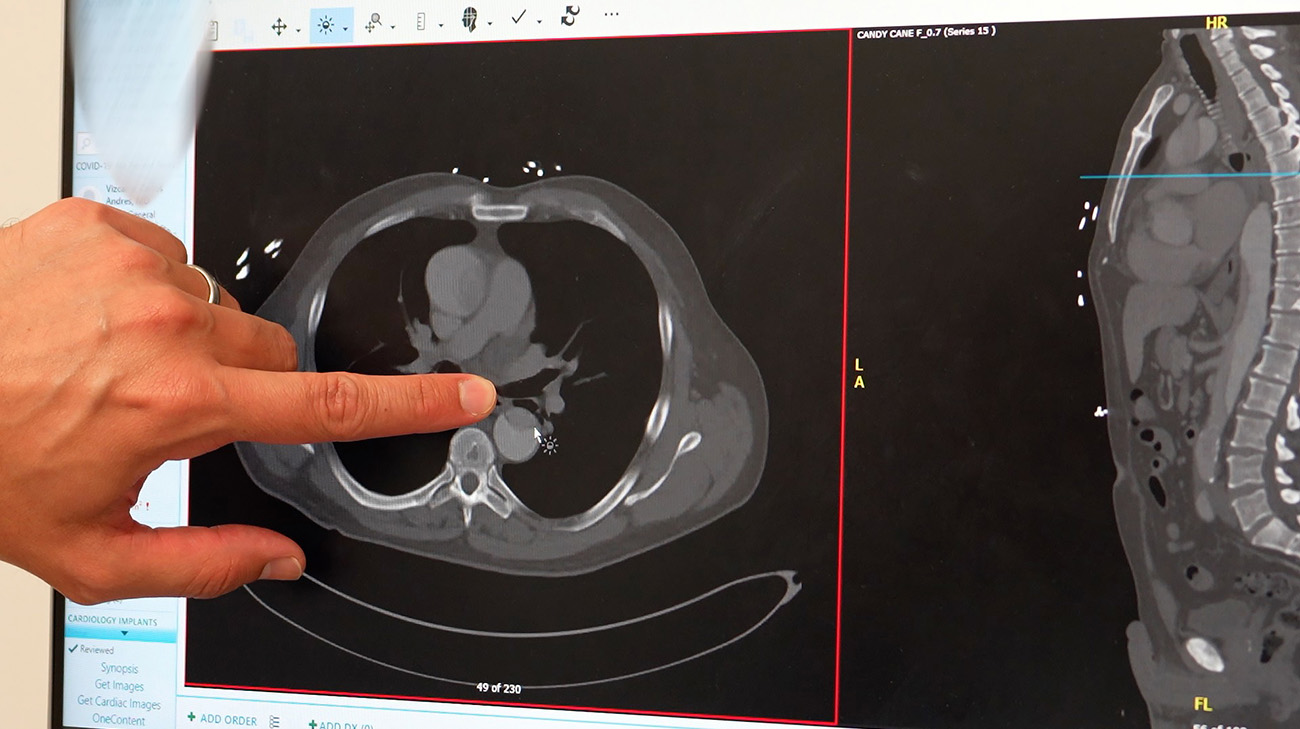
“This was a complex and life-threatening case,” says Dr. Velazco. “Antoine was very fortunate. He was experiencing back pain, one of the common symptoms of his condition, and disregarded it for quite some time.”
Due to the tear in Antoine’s ascending aorta, Dr. Velazco had to replace the entire front portion of the aorta from where it comes out of the heart to the aortic arch.
[Editor’s Note: The aorta is the largest blood vessel in the body and the main “pipe” supplying blood throughout the body. The ascending aorta comes out of the heart and pumps blood through the aortic arch and into the descending aorta. The aortic arch helps distribute blood to the head and upper extremities.]
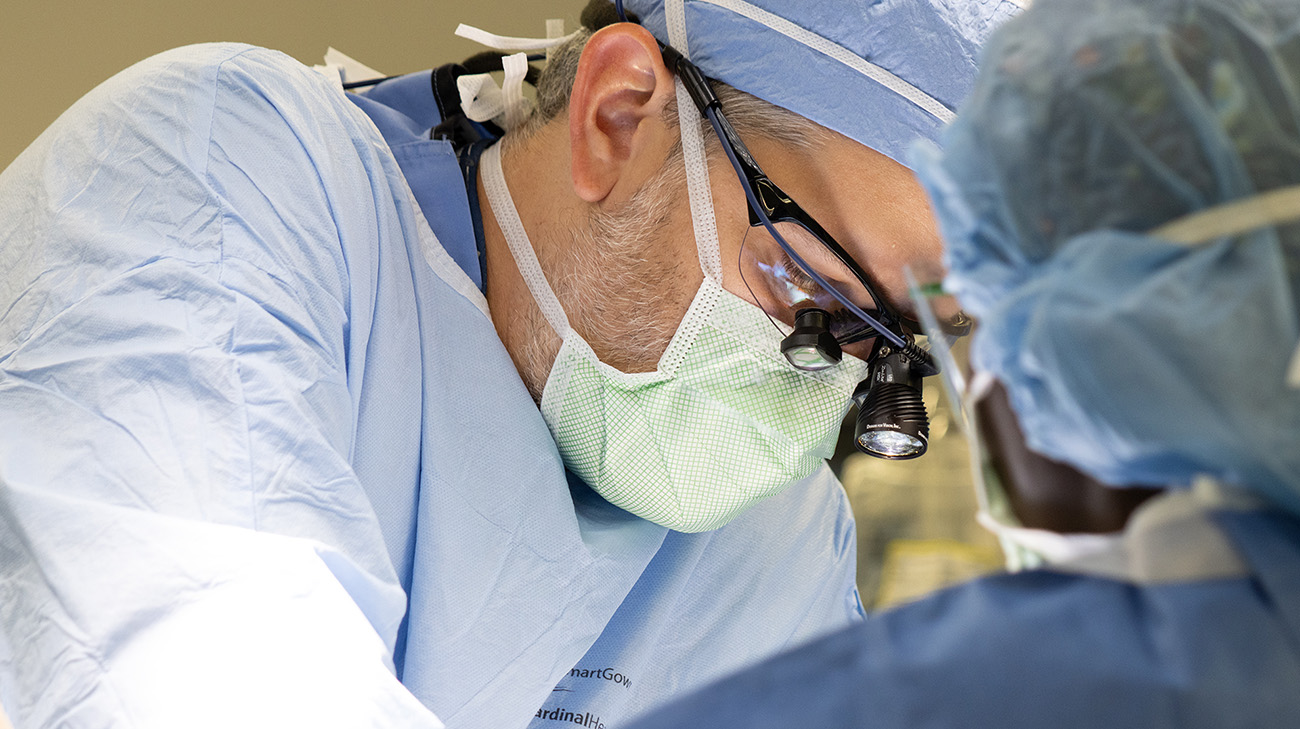
Throughout his recovery Antoine worked hard to get back to his normal life. He is exceedingly grateful to Dr. Velazco for his expertise and compassion.
“Dr. Velazco is unlike any doctor you are ever going to meet,” Antoine says. “After the surgery, he would call me every couple of weeks to see how I was doing. He let me know he was there for me.”
When it was time, Dr. Velazco told Antoine, “Go and resume your life.”
That’s just what Antoine has done. He started walking and biking, then added jogging to his routine, and finally got back in the water to do what he loves most – surfing.
“Antoine is back to a normal, functioning life,” says Dr. Velazco. “It will be important for him to continue with follow-up appointments and routine tests to make sure there are no more complications down the road requiring treatment.”
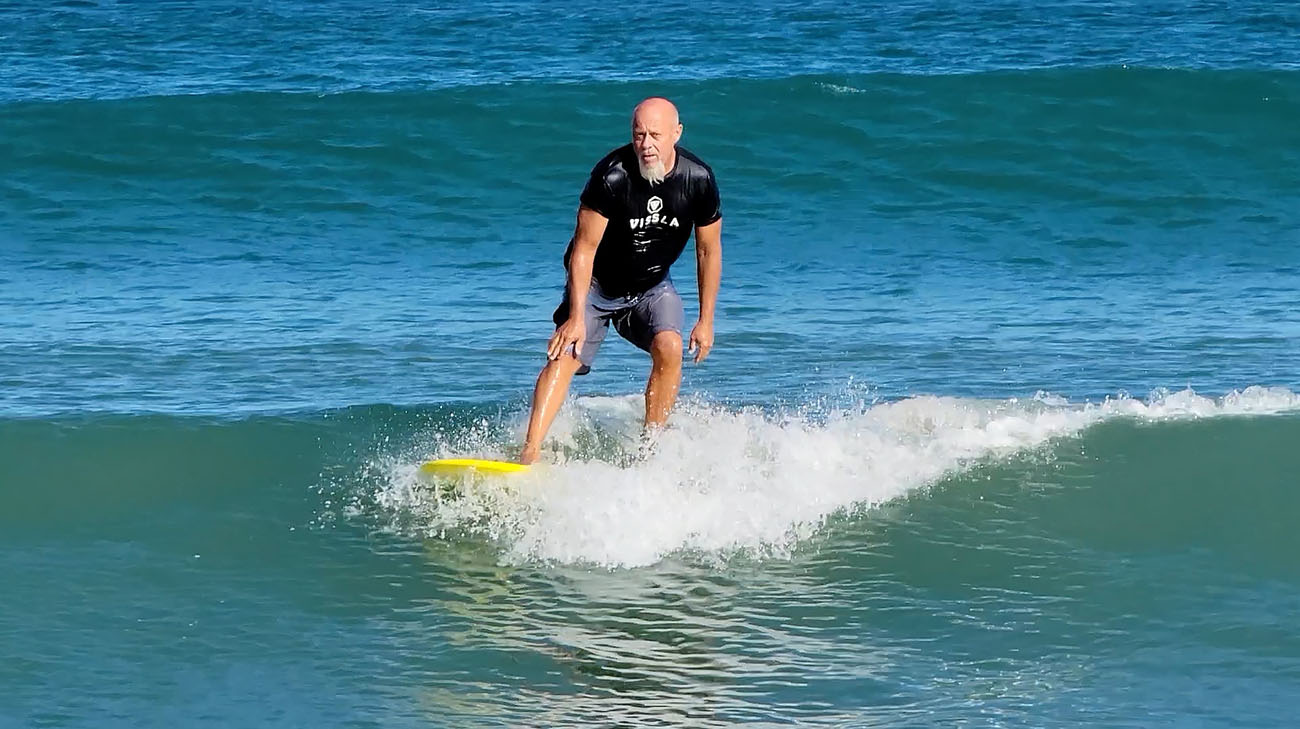
For Antoine, the experience has brought him a new-found gratitude and appreciation for life.
“The care I received was outstanding,” he says. “The doctor and staff encouraged me to get better and I did. I’m so grateful to be here. It all could have ended in an instant.”
Dr. Velazco couldn’t be more pleased with Antoine’s outcome.
“This is rewarding work,” he says. “To see someone recover from such a critical surgery, and get back to their loved ones and their life, is absolutely amazing.”
Patient Stories

Teen Relearns To Walk and Talk After Rare 1-In-A-Million Brain Disorder
Oct 27, 2026
Cleveland Clinic Team Helps Florida Patient Breathe Easier After Complex Lung Surgery
Oct 21, 2026