Phytophotodermatitis is a skin reaction that looks like a burn after certain plant oils touch your skin and mix with sunlight. It isn’t contagious or an allergy. It can cause discoloration, swelling and dark patches. Most cases heal on their own with gentle skin care and sun protection. But a healthcare provider can help if it’s severe.
Advertisement
Cleveland Clinic is a non-profit academic medical center. Advertising on our site helps support our mission. We do not endorse non-Cleveland Clinic products or services. Policy
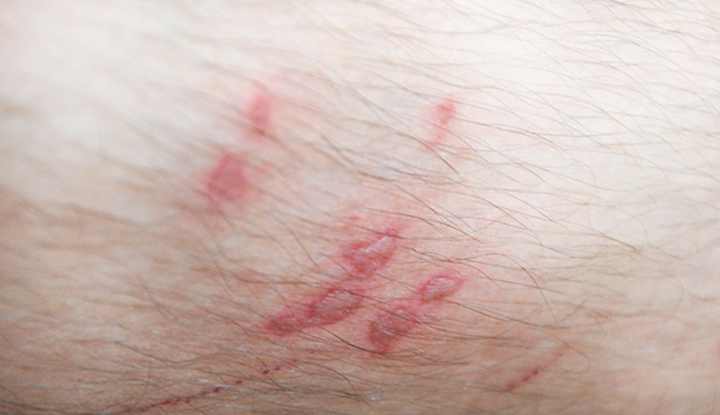
Image content: This image is available to view online.
View image online (https://my.clevelandclinic.org/-/scassets/images/org/health/articles/phytophotodermatitis)
Phytophotodermatitis is a skin reaction that happens when certain plant chemicals and sunlight mix on your skin. The reaction causes irritation that looks and feels like a burn.
Advertisement
Cleveland Clinic is a non-profit academic medical center. Advertising on our site helps support our mission. We do not endorse non-Cleveland Clinic products or services. Policy
It isn’t an allergy. It’s a type of contact dermatitis. This is a reaction that happens after something touches your skin. Specifically, it’s a chemical reaction between plant oils and sunlight (UVA rays). Symptoms can include skin discoloration, blisters, swelling or a rash.
You can manage this at home. But a healthcare provider can help, too.
Phytophotodermatitis only affects the parts of your skin that touch the plant or plant oils. This can be from direct touch or spread from hands, other body parts or clothing. Symptoms can look different for each person, but they may include:
Symptoms usually show up one to two days after your skin touches a plant and then gets sun exposure.
Phytophotodermatitis happens when a chemical from certain plants touches your skin and reacts after mixing with sunlight.
These plants make a natural chemical called furanocoumarin (pronounced “fyoo-rah-no-KOO-muh-rin”). It helps protect the plant from bugs and germs. You can find this chemical on the leaves, stems and fruits of many plants.
Advertisement
When sunlight hits the chemical, it becomes active. If it’s on your skin, it can irritate or burn. This causes discoloration, swelling and other symptoms.
Many plants can cause this skin reaction. Some of the most common include:
Anyone can develop a skin reaction if their skin touches plant chemicals and then gets sunlight. You may have a higher risk if you:
The rash itself isn’t contagious — you can’t spread it to another person by touch. But someone else could get a similar rash if they touch the same plant and then go out in the sun.
The rash can also appear on new areas of your own skin if the plant’s sap or juice spreads. For example, if you get fig sap on your hands, wipe your thigh and then go outside, both spots could develop a rash.
A healthcare provider can usually diagnose phytophotodermatitis after examining your skin and learning more about your medical history.
In rare cases, your provider may order a skin biopsy to confirm the diagnosis. This test involves removing a small sample of skin and looking at it under a microscope. You don’t usually need this if it’s clear that you had plant contact and sun exposure about a day before symptoms started.
You can often treat this skin condition at home. Try these tips:
Over-the-counter medications can also help relieve symptoms. Try:
If it isn’t getting better, is very painful or looks infected (more discoloration, warmth, pus, fever), contact a healthcare provider. They may prescribe a stronger steroid cream to reduce inflammation and help it heal faster.
Your skin usually heals on its own within two to four weeks. Most people don’t need medical treatment unless symptoms are severe. At-home care can relieve pain, itching and swelling.
After the rash fades, your affected skin may stay darker or lighter for a few months. This discoloration is temporary and will slowly return to normal. If the color changes bother you or don’t go away, talk to a dermatologist for advice or treatment options.
Advertisement
Try your best to avoid popping blisters, scratching or picking at the rash. This can cause open sores, infections or scars.
Most cases happen by accident, but there are ways to lower your risk:
Sun exposure within hours of plant contact triggers the reaction. If you wash your skin quickly after touching plants, you may be able to prevent some symptoms.
Phytophotodermatitis is an unexpected result of everyday plant or herb chemicals reacting to sunlight on your skin. What starts as a simple touch can turn into an itchy or painful rash later.
The reaction can look serious, but it’s not contagious and usually heals with basic home care. Knowing what causes it can help you avoid it in the future. When gardening, cooking or spending time outside, washing your skin soon after contact with plants or fruits can make a big difference, too.
Advertisement



Sign up for our Health Essentials emails for expert guidance on nutrition, fitness, sleep, skin care and more.
Learn more about the Health Library and our editorial process.
Cleveland Clinic’s health articles are based on evidence-backed information and review by medical professionals to ensure accuracy, reliability and up-to-date clinical standards.
Cleveland Clinic’s health articles are based on evidence-backed information and review by medical professionals to ensure accuracy, reliability and up-to-date clinical standards.
Need care fast? Cleveland Clinic’s Express Care and Urgent Care locations treat everything from sprains to sinus infections — no appointment needed.