



An epidemiologist is a scientist who works within the field of public health. Epidemiologists collect and analyze data about the causes and frequency of diseases among specific groups of people, like residents of a certain city. Healthcare providers, policymakers and others use this information to help keep communities healthy and safe.
Advertisement
Cleveland Clinic is a non-profit academic medical center. Advertising on our site helps support our mission. We do not endorse non-Cleveland Clinic products or services. Policy
An epidemiologist is a scientist who studies patterns of health and disease among specific groups of people within society. Epidemiologists gather and analyze data that will help them understand:
Advertisement
Cleveland Clinic is a non-profit academic medical center. Advertising on our site helps support our mission. We do not endorse non-Cleveland Clinic products or services. Policy
An epidemiologist is an example of a public health professional, or a person whose work aims to help everyone feel safe and healthy within their community.
Epidemiology is the systematic, scientific study of health and disease among a group of people. It involves working with high-quality data to understand what causes a certain disease, how many people it affects and who’s at risk. A person who receives training (at least a master’s degree) in epidemiology is called an epidemiologist.
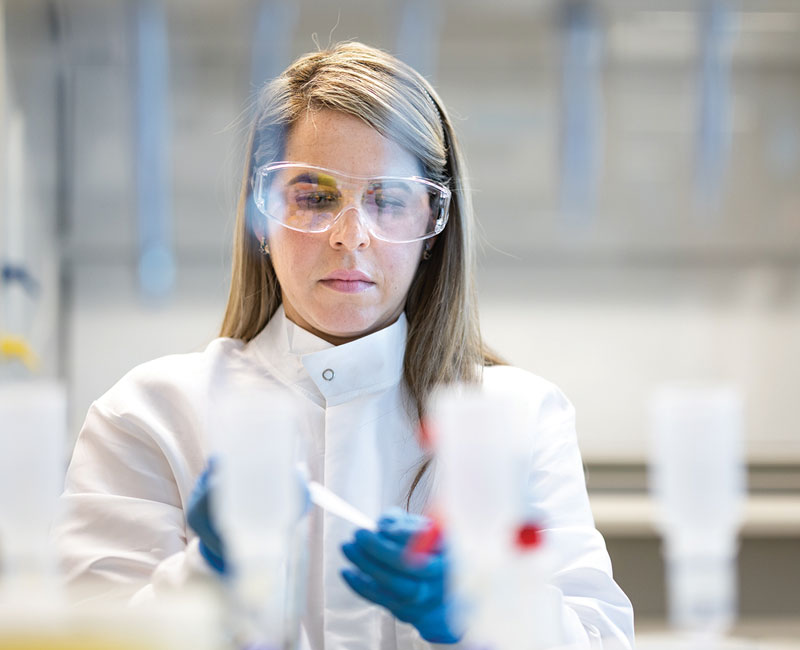
Image content: This image is available to view online.
View image online (https://my.clevelandclinic.org/-/scassets/images/org/health/articles/epidemiologist.jpg)
Epidemiologists do research on health and disease that gets translated into real-world solutions.
Epidemiologists typically work in offices and labs. They sometimes need to travel — for example, to areas with an infectious disease outbreak— but it depends on the exact nature of their job.
Most epidemiologists in the U.S. work for state and local health departments, where they focus on protecting the health and well-being of people who live in that area. Others work for:
Epidemiologists are informally called “disease detectives.” That’s because in infectious disease outbreaks, epidemiologists are on the frontlines of the investigation. They look for clues that will help them understand how the disease is spreading and what might stop the spread. They also educate others — including healthcare providers, local officials and the general public — on what’s happening and what people need to do to stay safe.
Advertisement
Epidemiologists commonly serve as contact tracers — a role you might not have heard much about until the COVID-19 pandemic. Contact tracers work with people diagnosed with an infectious disease to identify who they’ve recently had close, in-person interactions with.
These close contacts might be infected but not yet show symptoms. So, they may spread the disease to others without realizing it. Epidemiologists and other public health workers use contact tracing to alert people of exposures and guide them on what to do next, like avoid contact with others or get tested.
The work that epidemiologists do during infectious disease outbreaks is vital to everyone’s health and safety. But not all epidemiologists specialize in infectious diseases. As part of their education, epidemiologists may choose to specialize in another area. Here are just a few examples:
An epidemiologist’s specialty will determine the group of people (target population) they study. For example, they might design studies to learn more about the factors that help people survive cancer. Or they might research the most common mental health conditions in children and the types of treatment they receive.
No matter their specialty, epidemiologists share a common goal of doing research that leads to action. In other words, they translate and share their evidence with policymakers and others who’ll use it to benefit people’s health.
You’re probably used to saying, “my doctor,” but not “my epidemiologist.” That’s because we don’t go to see an epidemiologist when we’re sick or have a question about our health. But like a theater’s stage crew, epidemiologists do the behind-the-scenes work that makes everything else possible.
You might not have the chance to thank an epidemiologist directly. But keep them in mind when you’re looking into the local spread of an infectious disease, or when your provider is talking about your risk factors for a chronic condition. Chances are good that epidemiologists played a role in uncovering the facts and stats that you rely on every day to take care of yourself and your loved ones.
Advertisement



Sign up for our Health Essentials emails for expert guidance on nutrition, fitness, sleep, skin care and more.
Learn more about the Health Library and our editorial process.
Cleveland Clinic’s health articles are based on evidence-backed information and review by medical professionals to ensure accuracy, reliability and up-to-date clinical standards.
Cleveland Clinic’s health articles are based on evidence-backed information and review by medical professionals to ensure accuracy, reliability and up-to-date clinical standards.
Have a virus, fungus or bacteria? Some of these “bugs” won’t go away on their own. Cleveland Clinic’s infectious disease experts are here to help.
