Follow the Progress
Subscribe to our monthly Top 5 Neuro email to stay informed.




Difficulty recalling a recent conversation could be an early sign of Alzheimer's disease. A slight tremor in one hand may signal Parkinson's disease. Persistent numbness in an arm or leg could be a warning sign of multiple sclerosis.
The first signs of neurological disease can be subtle. But its impact is becoming impossible to ignore. Waiting until it becomes personal is waiting too long.
Neurological disease is the leading cause of disability worldwide.
Neurological disease will take more lives than cancer.
People is projected to develop a neurological disorder.
Cleveland Clinic is working to detect neurological disease earlier, understand it more deeply and develop new ways to prevent, treat and ultimately cure it.
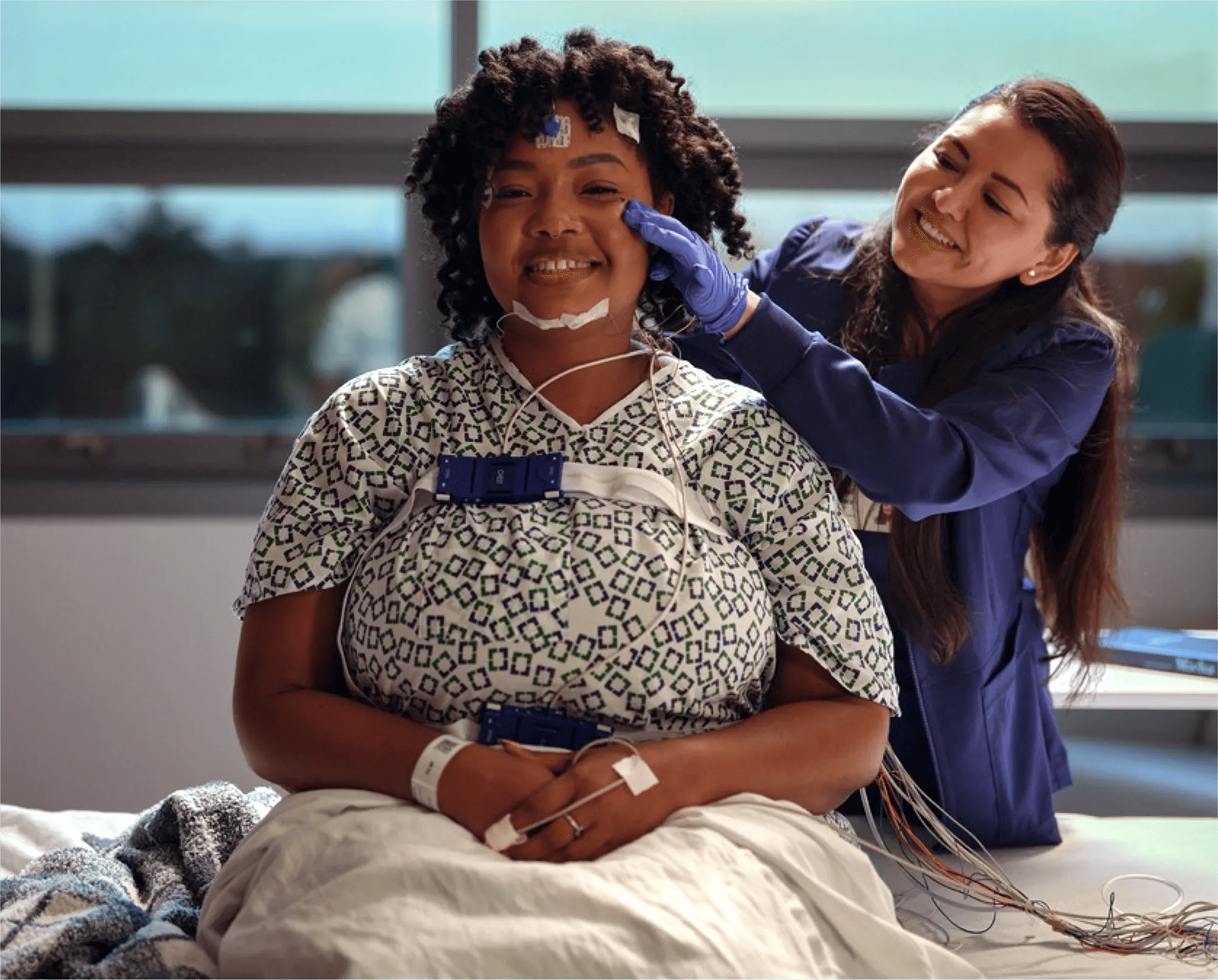
What if we could detect neurological disease years before the first symptoms appear and intervene before it progresses? This is the driving ambition behind the Cleveland Clinic Brain Study.
By following thousands of volunteers over 20 years, researchers are gathering insights into how the brain changes as neurological disease develops. They’re searching for the earliest warning signs of conditions such as Alzheimer’s and Parkinson’s, with the goal of predicting who is at risk and identifying opportunities for prevention.
The ultimate vision: a future in which neurological disease can be detected early enough to change its course or stop it altogether.
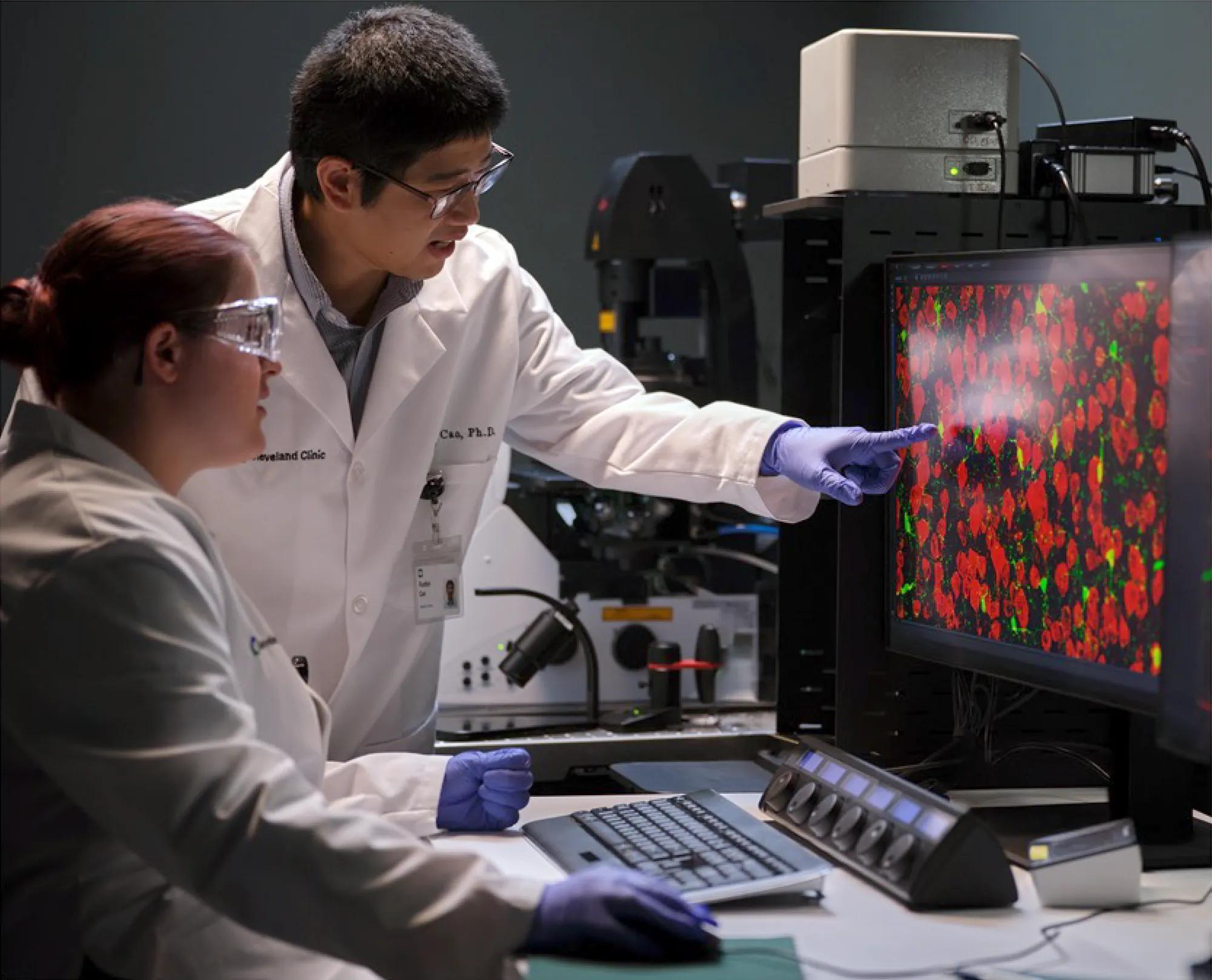
Imagine being able to measure the progression of neurological disease with precision and know sooner if a treatment is working. Cleveland Clinic is harnessing advanced imaging, artificial intelligence and sophisticated new assessment tools to make that possible. By detecting subtle changes in movement, memory, speech and other neurological functions, researchers can uncover patterns that might otherwise go unnoticed.
These insights could reveal new targets for treatment, accelerate clinical trials and help physicians tailor care to individual patients. It’s a powerful shift toward more precise, personalized medicine and faster progress against neurological disease.
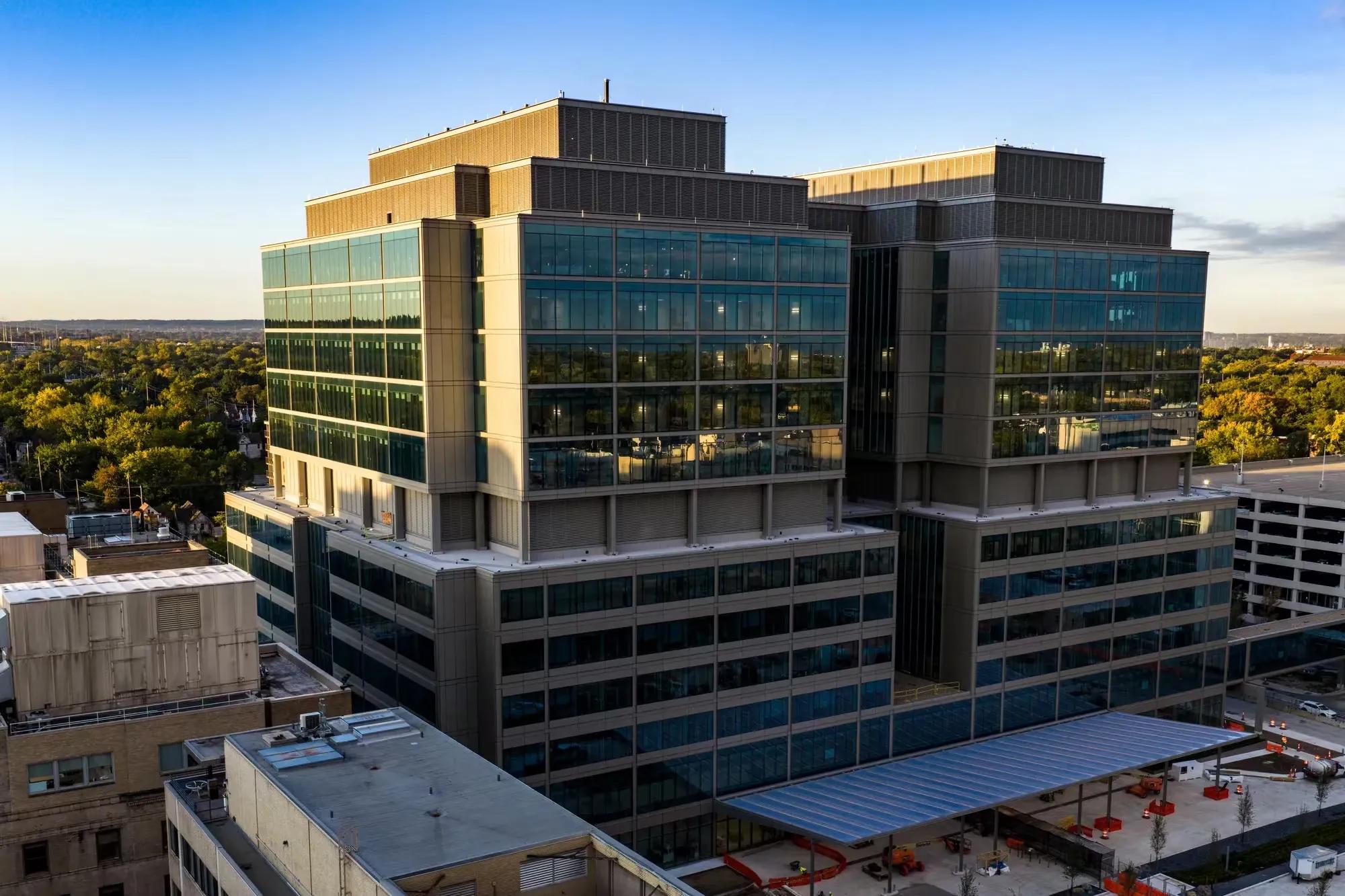
The future of neurological care needs a new kind of home. Cleveland Clinic’s new 1-million-square-foot Neurological Institute building brings world-class specialists, advanced technology, research and rehabilitation together under one roof. At its innovative Neurological Assessment Center, sophisticated technology measures subtle changes in patients’ movement, speech and cognitive function, giving physicians valuable insights to guide treatment.
With 300 inpatient rooms, dedicated neurosurgical operating suites and spaces designed to foster collaboration, the building makes care more connected, efficient and personalized. More than an extraordinary edifice, it’s a new model for neurological medicine — designed to meet today's needs while advancing tomorrow’s possibilities.
Subscribe to our monthly Top 5 Neuro email to stay informed.
Interested in participating in the Cleveland Clinic Brain Study?
Looking for help for yourself or someone else?
Donors help fuel research and innovation to change the future of brain disease.