



A wandering atrial pacemaker is an irregular heart rhythm that comes from several places in your atria. The electric impulses show as P waves with three or more different shapes on an EKG. This heart rhythm has a normal heart rate and usually isn’t cause for concern. The only treatment you may need is for the condition that caused it.
Advertisement
Cleveland Clinic is a non-profit academic medical center. Advertising on our site helps support our mission. We do not endorse non-Cleveland Clinic products or services. Policy
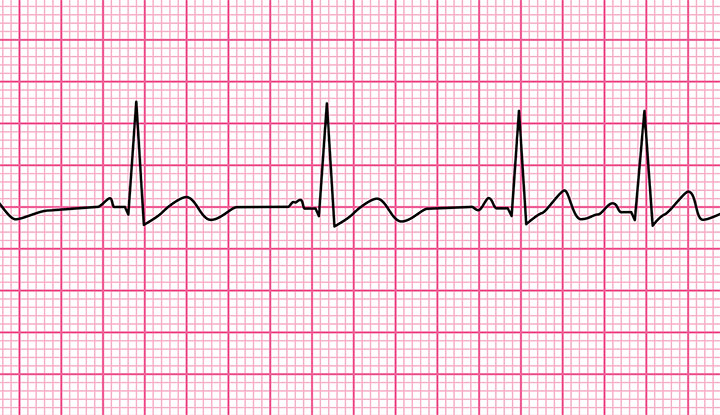
Image content: This image is available to view online.
View image online (https://my.clevelandclinic.org/-/scassets/images/org/health/articles/wandering-atrial-pacemaker)
A wandering atrial pacemaker (WAP) is an irregular but benign (harmless) heart rhythm. Your heartbeat impulse starts in different places in your upper heart chambers (atria) from beat to beat, instead of in the same place with every beat. Even though the heart rhythm is abnormal with this condition, your heart rate is normal (60 to 100 beats per minute). This sets it apart from similar abnormal heart rhythms.
Advertisement
Cleveland Clinic is a non-profit academic medical center. Advertising on our site helps support our mission. We do not endorse non-Cleveland Clinic products or services. Policy
A record (EKG) of your heart rhythm will show variety in the P waves, which your atria make. The P waves have different sizes and shapes because the signals come from different places in your upper heart chambers. With WAP, you can see at least three P waves that don’t look the same from one heartbeat to the next. With a normal heart rhythm, heartbeat signals start only in the sinus node. If you have a wandering atrial pacemaker, your sinus node may still send signals. But then, cells in another part of your atria send the next two.
Unless your heart rate is slow, this condition usually doesn’t cause symptoms.
But some people may feel:
Causes of wandering atrial pacemaker include:
You can still get this abnormal heart rhythm even without having any of these medical conditions. It can happen in adults and children.
Healthcare providers often find WAP when they’re not looking for it. They may find it when they’re checking for a different condition or doing a routine test. Tests may include:
Advertisement
You usually don’t need treatment for WAP. Wandering atrial pacemaker treatment consists of treating the condition that caused it.
If you have symptoms, contact your provider. You may need to see them once a year if you have a problem with your sinus node.
Questions to ask your provider may include:
A wandering atrial pacemaker rhythm isn’t dangerous. But it may lead to sick sinus syndrome in some people. You may need medicine or a pacemaker for that. If you’re taking digoxin, your healthcare provider may change your dose of digoxin or stop it completely.
You’ve probably never heard of this abnormal heart rhythm until a healthcare provider saw it on your EKG. But it’s usually not a cause for concern. Focus instead on treating the condition that may have led to it. Talk to your provider about getting the most from treatment and the best ways to take care of yourself.
Advertisement



Sign up for our Health Essentials emails for expert guidance on nutrition, fitness, sleep, skin care and more.
Learn more about the Health Library and our editorial process.
Cleveland Clinic’s health articles are based on evidence-backed information and review by medical professionals to ensure accuracy, reliability and up-to-date clinical standards.
Cleveland Clinic’s health articles are based on evidence-backed information and review by medical professionals to ensure accuracy, reliability and up-to-date clinical standards.
When your heart rhythm is out of sync, the experts at Cleveland Clinic can find out why. We offer personalized care for all types of arrhythmias.
