



Contact lenses are a simple way to help you see clearly. There are lots of different types of contacts, but your eye doctor will suggest the ones that are best for you and your eyes. Always wash your hands before touching your eyes and contacts. It’s a simple step that can help prevent eye infections.
Advertisement
Cleveland Clinic is a non-profit academic medical center. Advertising on our site helps support our mission. We do not endorse non-Cleveland Clinic products or services. Policy
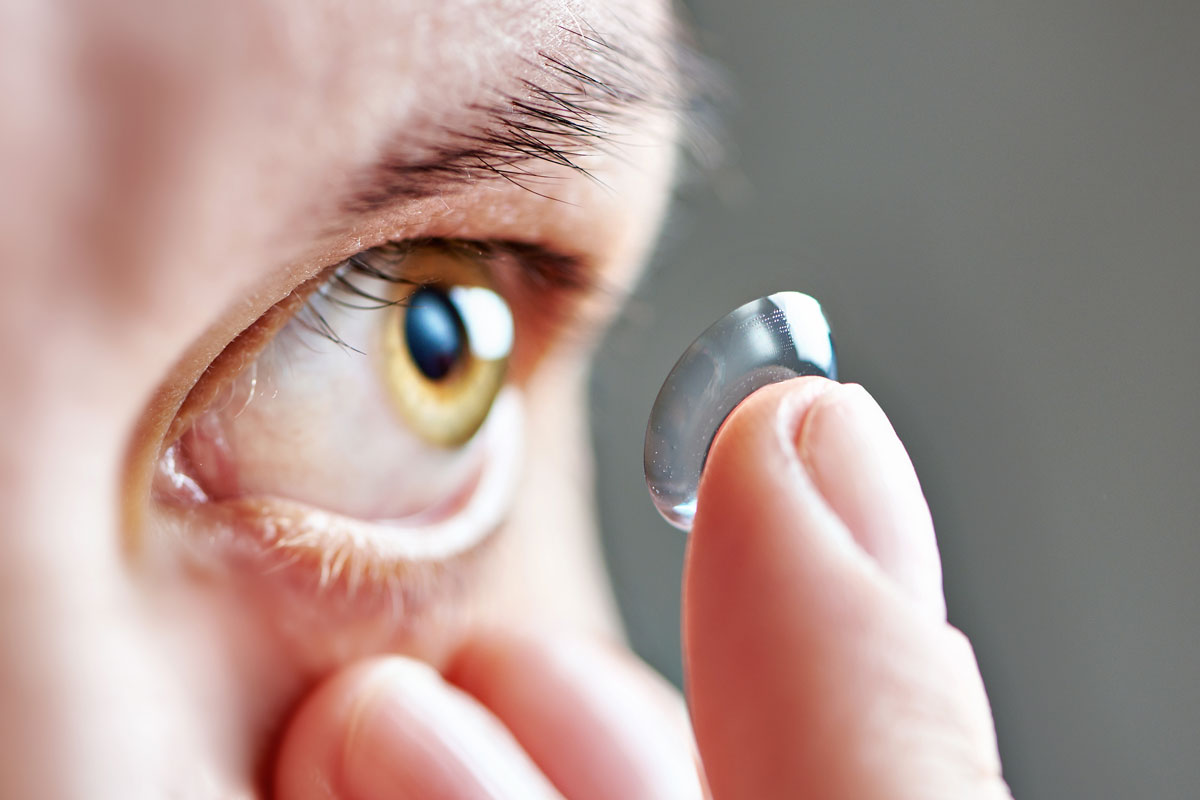
Image content: This image is available to view online.
View image online (https://my.clevelandclinic.org/-/scassets/images/org/health/articles/10737-contacts)
Contact lenses are small, round lenses that rest on top of your eyes to help you see clearly. They help in the same way glasses can, but you insert them into your eyes.
Advertisement
Cleveland Clinic is a non-profit academic medical center. Advertising on our site helps support our mission. We do not endorse non-Cleveland Clinic products or services. Policy
Contacts correct common refractive errors that make your vision blurry, including:
Millions of people wear contacts. They’re one of the most common medical devices. Contact lenses are simple to use once you get the hang of putting them in, wearing them and taking them out. But you can have an increased risk of eye infections if you don’t care for them correctly.
Talk to an eye doctor if you’re interested in trying contacts. They’ll suggest the kind that’s the best fit for you. They may also suggest contact lenses as a treatment for certain eye conditions.
There are a few different types of contact lenses, including:
Advertisement
Some contact lenses have other features that your eye doctor may suggest. For example, you may need toric lenses if you have astigmatism. Multifocal contacts have two or more prescriptions, just like bifocal glasses.
Contacts lenses work just like the lenses in eyeglasses. They bend or reshape light that enters your eyes to help you see clearly. The prescription is customized to your specific vision needs.
Your eye doctor will show you how to put in and take out your contact lenses safely. It can take some practice, especially at first.
Follow these steps for an example of how to insert soft lenses:
Removing contacts is a similar process, but in reverse:
It may take practice to get used to touching your eye. But once you get the hang of it, this process should become second nature. Try to put your contacts in before you put any makeup, lotion or cosmetics on your face. That’s the best way to prevent those products from getting on your contacts or in your eyes.
It’s normal to feel a little discomfort when you first start wearing contacts. But they shouldn’t make your eyes hurt. If they do, take them out and talk to your eye doctor.
Advertisement
Contacts are safe. But you’ll have an increased risk of eye infections and inflammation, especially if you’re not always washing your hands before touching your eyes or contact lenses.
Other complications are rare but can include:
Your eye doctor will tell you how often you’ll need exams to make sure your eyes are adjusting to wearing contacts. They’ll also tweak your prescription if needed.
Visit your eye doctor right away if you notice any signs of an eye infection, including:
When you first start wearing contacts, you may need a little time to get used to them. You'll also have to make cleaning your hands and caring for your lenses part of your daily self-care routine.
Never be afraid to ask your eye doctor for help. Share any questions that come to mind. Knowing the right way to care for your contacts is the best way to protect your eyes.
Advertisement



Sign up for our Health Essentials emails for expert guidance on nutrition, fitness, sleep, skin care and more.
Learn more about the Health Library and our editorial process.
Cleveland Clinic’s health articles are based on evidence-backed information and review by medical professionals to ensure accuracy, reliability and up-to-date clinical standards.
Cleveland Clinic’s health articles are based on evidence-backed information and review by medical professionals to ensure accuracy, reliability and up-to-date clinical standards.
Getting an annual eye exam at Cleveland Clinic can help you catch vision problems early and keep your eyes healthy for years to come.
