Diagnosis and Treatment of Pediatric Asthma and Allergies
Online Health Chat with Dr. John Carl
May 4, 2011
Introduction
Cleveland_Clinic_Host: Asthma and allergies are the most common chronic
childhood diseases. Asthma affects nearly five million children in the United
States and is the cause of almost 3 million physician visits and 200,000
hospitalizations each year. Uncontrolled asthma can lead to missed school days,
interrupted sleep patterns, and, ultimately, poor school performance. It is
important to realize, however, that asthma symptoms can begin at any age -- from
infancy through adulthood. Allergies affect about 50 million American children.
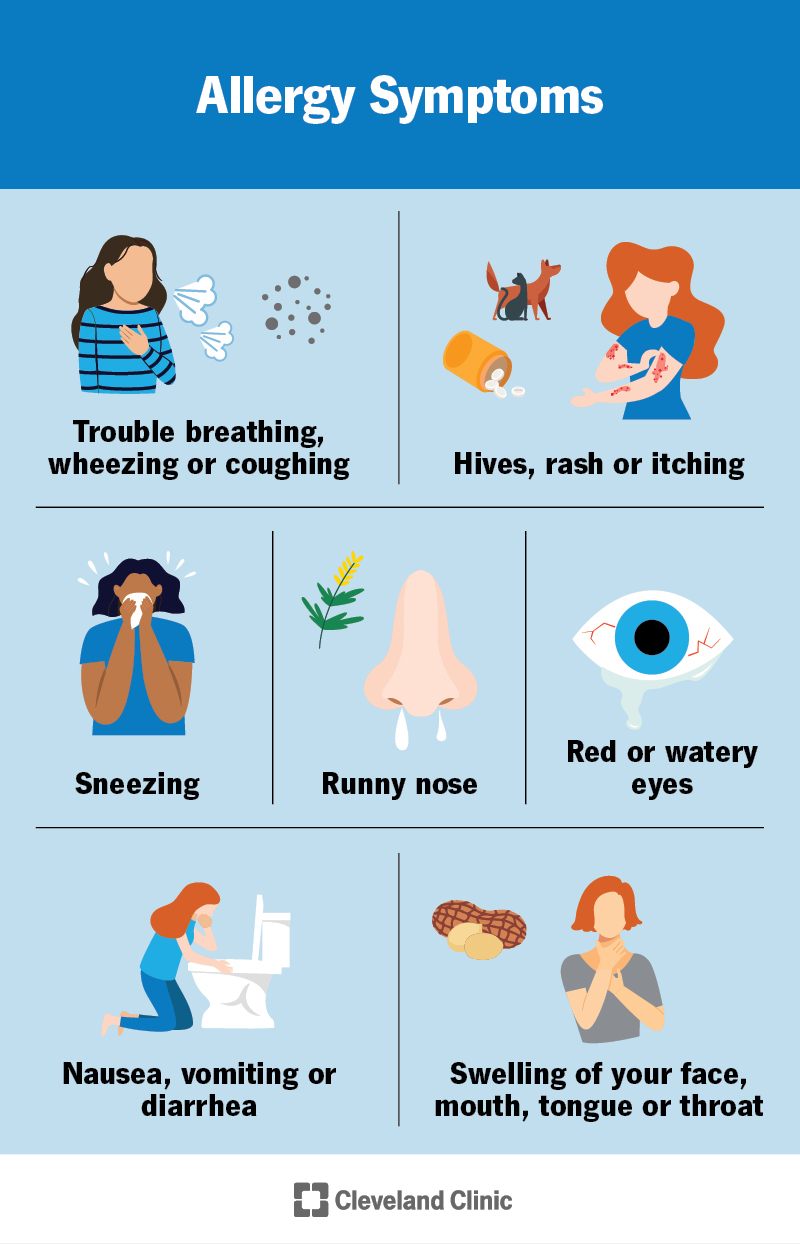
Allergies are the body's incorrect response to a foreign substance.
Exposure to what is normally a harmless substance (such as plant pollen, mold, or animal hair) causes the immune system to react as if the substance is harmful.
A Cleveland Clinic Children’s Hospital pediatrician or specialist can
effectively manage asthma and allergies by identifying and reducing exposure to
known triggers (substances that produce asthma symptoms), and offering an
individualized disease management plan that includes measurement of disease
severity, provision of medications, and means to seek medical attention and
information. In addition to treating hospitalized children and adolescents at
Cleveland Clinic's main campus, our specialists have outpatient practices at
Cleveland Clinic's main campus, and at Fairview and Hillcrest hospitals.
John Carl, MD, is a pediatric pulmonologist at Cleveland Clinic Children's
Hospital who diagnoses and treats pneumonia, asthma, bronchitis, emphysema, and
other respiratory problems in infants, children, and adolescents. He specializes
in growth and development of the lung, airways, and respiratory function in
children, and uses a variety of invasive and noninvasive diagnostic techniques
on young patients.
Cleveland Clinic Children’s Hospital pediatric pulmonologists, critical care
specialists, and allergists have unparalleled expertise, attracting national and
international patients seeking diagnosis or advanced treatment, often for rare
or complex disorders. In providing effective treatment for children with
respiratory illnesses, our pediatric pulmonologists collaborate with top
Cleveland Clinic pediatric specialists and surgeons in areas such as
cardiothoracic surgery, cardiology, hematology/oncology, infectious disease, and
rheumatology.
In addition to comprehensive clinical evaluation, we emphasize patient/parent
education to enable self-management. We provide access to both complete
pulmonary function and allergy diagnostic testing, and can provide specialty
care from board-certified pulmonologists and allergists with a single visit.
Cleveland_Clinic_Host:Welcome to our Online Health Chat with Dr. John Carl,
pediatric pulmonologist at Cleveland Clinic Children's Hospital. We are thrilled
to have him here today for this chat. Let’s begin with some of your questions.
trish: My 14-year-old son developed seasonal allergies a few years ago. Each
season they become worse and worse. He was put on an inhaler in the fall because
he had some rattling in his lungs. Can allergies become progressively worse? Can
they develop into asthma?
Dr__John_Carl: Yes. Allergies (particularly to environmental allergens such
as pollens, grasses, and molds) can get worse over several years. It sounds as
though your son has been provided with an albuterol inhaler to help with
short-term symptoms. While this medication may help in the short term, it will
not help with addressing any of his allergic symptoms. The allergies themselves
can be separate from -- or triggers of -- asthma. I recommend you seek further
evaluation of these triggers if he doesn't completely resolve the "rattling" symptoms.
kelley: I've been told that my son has "mild" asthma. What does this mean?
Dr__John_Carl: Hi Kelley. Mild asthma usually means the physician doesn't
consider the level of asthma to be life-threatening. Your son may not have
needed to consult an emergency department or have inpatient hospitalization for
asthma care. That's great, but it doesn't mean that he doesn't need ongoing
therapy for asthma. At the milder end of the asthma spectrum, we talk about
symptoms as being "intermittent," when patients have one or fewer episodes of
cough, wheezing, or shortness of breath per week, in which case albuterol alone
may be sufficient treatment. If these symptoms occur more than twice per week,
we usually term it "mild persistent" asthma. The recommendations for this level
of asthma are that patients receive daily controller therapy -- usually low-dose
inhaled steroids.
quincy: I want to ask the age-old question: can you 'grow' out of having asthma?
Dr__John_Carl: You are right. This is an "age-old" question. Our best
understanding is that those children under 3 years of age who have wheezing only
with viral respiratory infections may not necessarily later develop the older
child or adult form of asthma. Children between 3 and 6 years of age who have
wheezing apart from viral infections usually will continue to wheeze or have
asthma in later life. Once a child is older than 6 years of age, wheezing even
during a respiratory infection likely represents asthma. These age break-points
are actually more tied to the cross-sectional diameter of the airways at those
ages -- smaller airways of younger children may reach a critical narrowing to
cause wheezing -- so not all infant wheezing will become asthma.
Symptoms
greatdad: My daughter just started playing fourth grade volleyball. When she
runs she complains of breathing difficulty and pain in her neck. Is it asthma?
What signs should I be looking for? Why would she complain of pain in her neck?
Dr__John_Carl: Exercise is often a trigger for asthma symptoms, and
complaints of neck "pain" are used by some children as a main descriptive term.
I would review her symptom pattern with your pediatrician and discuss a possible
trial use of an albuterol inhaler prior to exercise to determine if she has
fewer symptoms. If not, then other possibilities should be considered.
jaka: Over the last two years, my (now) 14-year-old son has had three or four
bad asthma attacks, twice going to the emergency room. He has also had a few
more minor attacks. All of these attacks were brought on by respiratory
illnesses (bad colds). One doctor has said he has asthma because of these
attacks. He was tested for asthma, and we were told the reports were not typical
of an asthma patient and, based on the results of the test, he did not have
asthma. He takes Flovent® now as a preventive during cold season and uses
albuterol for asthma episodes. What criteria do you use to diagnose a child with
asthma? What causes him to have these attacks when sick, and will this be a
problem that he has to deal with for the rest of his life? Can it get worse? He
has had no breathing problems, except when sick
Dr__John_Carl: Your description of his episodes certainly sound like asthma.
I think it sounds likely that he is receiving Flovent® (fluticasone) therapy
only during "cold" season. He may not be receiving a sufficient dose of inhaled
steroid to control his symptoms or keep him out of the emergency department. He
also may not be using the Flovent® consistently enough (or long enough). I would
recommend that he have a pulmonary function test (PFT) performed in addition to
reassessment by his pediatrician. The PFT may well give information that he has
lower lung function even when not experiencing cough or wheezing symptoms, and
would show that he really needs controller (or more controller) medication all the time.
gonefishing: Can allergies cause a young child to cough for weeks, even while
on medication? My 4-year-old seems to be fine otherwise (besides the cough).
Dr__John_Carl: Allergies may cause long-term coughing in children from "post
nasal" discharge falling backward onto the vocal cords and triggering cough. If
the allergy medications are insufficient to control symptoms, this can last for
a long time. You should still discuss this with your pediatrician, however,
since even cough as a single symptom can reflect other problems.
Medications
polly7: What medications are best for the treatment of asthma? What are their side effects?
Dr__John_Carl: Hi, Polly. Albuterol is usually the primary "rescue" or
short-term medicine that is used to help acute asthma symptoms, such as coughing
or wheezing. When a patient needs to use albuterol to relieve daytime symptoms
more than twice per week, however, it usually reflects the need to use daily
"controller" or anti-inflammatory medications. Many people are concerned about
possible side effects of inhaled steroids, which are the largest group of
"controller" medications available. When used in low- to medium-doses, however,
inhaled steroids are very safe, even used on a daily basis for years. They are
much safer than either multiple courses of oral steroids OR uncontrolled/undertreated
asthma symptoms.
mara: My son was prescribed albuterol to use when he is wheezing. It is not very effective. What else can we try?
Dr__John_Carl: Albuterol is most often very effective if used properly. I
hope he/you have been instructed to use the inhaler with a valved holding
chamber (spacer) device. Using one can greatly increase the amount of the "puff"
administered that reaches the lower respiratory tract, making the medicine much
more effective overall. If your concern about it not working is just that his
symptoms come back after several hours, then he may need a "controller"
medication as well.
berta: With severe allergies that require an EpiPen®, how old should a child
be before he or she is allowed to carry it with him or her? Also, is there an
age when you say it is okay for a child to carry their own rescue inhaler?
Dr__John_Carl: The laws vary by state about allowing a child in a school
setting to carry either an EpiPen® (epinephrine injection) or a rescue inhaler.
I think it also varies by individual patient, too. I have some adolescent
patients for whom I recommend supervised administration of albuterol, though
many early school age children can appropriately self-administer inhalers. Use
of either medication in a school setting should include open communication with
school personnel and parents.
jenk2: My 5-year-old daughter has asthma. What is the effect of using an
asthma preventer long term? I heard that using it for years might cause bone
shrinkage. Is it true?
Dr__John_Carl: There is a lot of discussion by parents and physicians about
the use of daily inhaled steroids (the "preventers" that you mentioned). When
used at low dose, I feel there is robust data to support that they are very
safe, even if used for years. There are good long-term studies that show there
is not any significant effect on achieved height or growth velocity, and no
effect on things that are associated with use of oral steroids, such as
diabetes, hypertension, and immune suppression. At low dose, they won't cause
bone shrinkage. Most pediatric asthma specialists choose to decrease doses of
any inhaled steroids used about every three to six months if they achieve good
symptom control.
Lex400: How old should a baby be before you use a decongestant? My
10-month-old gets so clogged up, and using saline and a bulb syringe just does
not seem to help.
Dr__John_Carl: Lex, the American Academy of Pediatrics has discouraged use of
decongestants in most children under 5 to 6 years of age. I certainly wouldn't
use them for a 10-month-old child. You should discuss other measures with your
pediatrician. Hang in there, the bulb suctioning can be frustrating for older
infants.
Over the Counter (OTC) Medications
soccermom: Do you recommend an OTC allergy medication over prescription
medications for allergies? If so, which is the best?
Dr__John_Carl: There are several OTC (over the counter) allergy medications
now available. The best non-sedating ones are: loratadine (brand name:
Claritin®) cetirizine (brand name: Zyrtec®); and fexofenadine (brand name:
Allegra®). All can be effective for many people with allergies. Allegra® just
became an OTC agent, and I don't think it is yet available as a generic. You can
also get these medications in combination with decongestant (pseudoephedrine),
but alone they can be very helpful. They come in many forms (pill, liquid,
dissolvable tablets), so you have many choices.
Tamara68: Is the new Allegra® OTC medication the same strength and potency as the prescribed Allegra®?
Dr__John_Carl: Yes. It should be the same dosage and potency. If choosing an
OTC product in place of a prescriptive product that was previously used,
however, I would check the dosage that was prescribed and compare it to the now
available OTC preparations.
Genetic Influence
daredevil: Does it really help to delay milk and solid foods for babies in
the hopes of preventing allergies and asthma?
Dr__John_Carl: No, only if they have a genetic push (or tendency) for allergies.
sandcastles: Does it help to have pets or to expose children to animals at a young age?
Dr__John_Carl: Great question! This also depends on genetics. Most people
don't have a genetic tendency to an allergy to dogs or cats. If you do, however,
they can accelerate the onset of symptoms. The data on cats and dogs are
variable, however.
gordie: My 16-year-old daughter has been having a lot of trouble recently
with eczema. She had this as a child; was nickel sensitive, etc. Until recently,
she had a patch here or there. Is eczema allergy related? What can she use to
get rid of it? Hydrocortisone ointment does not seem to help.
Dr__John_Carl: Asthma, allergic rhinitis, and eczema are all considered "atopic"
conditions with some common genetic basis. It is possible to have one or all of
them, however, which obviously means there are individual environmental and
infectious differences between individuals. Your 16-year-old daughter likely
still has allergies, reflected in part by her current eczema. OTC hydrocortisone
preparations are often not strong enough to have a good result in children with
as much eczema as your daughter seems to have. Longer-term use of lower potency
topical steroids can also result in long-term changes in skin pigment, so I
would recommend discussing this with your allergist or dermatologist.
2hard: Does day care/preschool, etc. have an effect on children developing allergies or asthma?
Dr__John_Carl: Yes, it does. Most children in day care or preschool settings
experience more viral respiratory infections in the first two to three years of
life than children who are at home with no siblings. If you control for genetic
background and environmental triggers, however, the children who attended day
care/preschool had a lower incidence of asthma later in life.
Colds vs. Virus
violette: My 17-month-old daughter has been coughing a lot the past month or
so. Her pediatrician says it's just a cold, but it seems to be getting worse.
What should I look for to be sure it isn't anything more serious?
Dr__John_Carl: Violette, a great question! I agree with your concern that a
month-long cough needs to be evaluated further and not simply dismissed as a
"cold." Unfortunately, her symptoms may just represent "back-to-back" viral
infections. In Ohio, we have seen a lot of Parainfluenza viral infections this
spring. (This is one of the viruses in the "croup" virus family.) These
infections have been causing prolonged symptoms. In any case, however, a month
of symptoms probably deserves a chest X-Ray, careful re-exam, and further
discussion with your pediatrician.
violette: Referring back to my earlier question, how long should viral symptoms last?
Dr__John_Carl: I usually feel that viral "cold" symptoms should last fewer than seven days.
Celia: How does one differentiate between allergies and just a good old-fashioned cold?
Dr__John_Carl: Allergies usually include sneezing, runny nose, eye itching
and redness. These won't resolve until the offending allergen (grass, dog, cat,
etc.) are removed (or the season changes). Cold symptoms usually resolve with
the decrease in runny nose within a week. Colds (viral respiratory infections)
may also be accompanied by fever, which is very unusual with allergic rhinitis.
General Questions
2011: I have read that excessive use of antibacterial products (such as
Purell®) is contributing to children being sick more often, as they do not
naturally develop antibodies. Is this true with allergies as well? Is there any
connection?
Dr__John_Carl: What you are referring to is what physicians and asthma
researchers term the "hygiene hypothesis," which reflects that exposure to
certain bacteria at an early age may actually decrease the likelihood of a child
later developing asthma. This is population data, and shouldn't be interpreted
in your child. I certainly wouldn't discourage routine use of hand washing or
hand sanitizers for any child (I don't for my children, either).
midtown: Is there anything you should or should not eat while pregnant that can help prevent allergies in children?
Dr__John_Carl: I think the prudent answer would be to include a well-balanced
diet throughout pregnancy, directed by your obstetrician/midwife. If you have
specific food allergies, it would be advisable to avoid them.
CampMom: What is the big deal with peanut (or any nut) allergies? I know that
some people can have severe allergic reactions, but why do so many kids seem to
have this allergy now compared to when I was growing up in the late 70's?
Dr__John_Carl: Exposure to peanuts or other nuts is life-threatening to some
people. This can be from exposures as "innocuous" as sitting next to someone
eating them, or touching a cookie that contains peanuts to your lip. Avoidance
is the best strategy. The issue of increasing incidence requires a longer answer (sorry).
Closing
Cleveland_Clinic_Host: I'm sorry to say that our time with Dr. Carl is now
over. Thank you again Dr. Carl for taking the time to answer our questions today
about pediatric asthma and allergies.
Dr__John_Carl: Thanks, everyone, for your excellent questions. I enjoyed talking with you.
More Information
To make an appointment with John Carl, MD or any of our pediatricians or pediatric specialists at Cleveland Clinic Children's Hospital, please call 216.444.KIDS (5437) or call toll-free 800.223.2273, ext. 5437. You can also visit us online at
www.clevelandclinicchildrens.org.
A remote second opinion may also be requested from Cleveland Clinic through the secure eCleveland Clinic MyConsult
Web site. To request a remote second opinion, visit
www.eclevelandclinic.org/myConsult.
If you need more information, click here to contact us, chat online
or call the Center for Consumer Health Information at 216.444.3771 or toll-free at 800.223.2272 ext. 43771 to speak with a Health Educator. We would be happy to help you. Let us know if you want us to let you know about future web chat events!
Some participants have asked about upcoming web chat topics. If you would like to suggest topics, please use our contact link www.clevelandclinic.org/webcontact.
This information is provided by Cleveland Clinic and is not intended to replace the medical advice of your doctor or health care provider. Please consult your health care provider for advice about a specific medical condition.
© Copyright 1995-2011 The Cleveland Clinic Foundation. All rights reserved.