
GLP-1 agonists affect the way your body signals hunger and digests food. Combined, these changes help manage blood sugar levels and trigger weight loss. GLP-1s can also cause gastrointestinal (GI) side effects like nausea and constipation. So, it’s important to consider what foods you eat while taking this medication. That way, you can benefit from the wanted effects of your GLP-1 and minimize the unwanted ones.
Video content: This video is available to watch online.
View video online (https://cdnapisec.kaltura.com/p/2207941/sp/220794100/playManifest/entryId/1_5o4swlgf/flavorId/1_5f3sgelj/format/url/protocol/https/a.mp4)
When you take a GLP-1 agonist, food stays in your stomach longer. Because of this, certain foods can contribute more to the GI side effects, like spicy and high-fat foods. GLP-1s also reduce your appetite, so you end up eating less. But your body still needs a variety of nutrients to be healthy. You’ll want to make sure you’re getting these nutrients while eating less food.
Advertisement
Cleveland Clinic is a non-profit academic medical center. Advertising on our site helps support our mission. We do not endorse non-Cleveland Clinic products or services. Policy
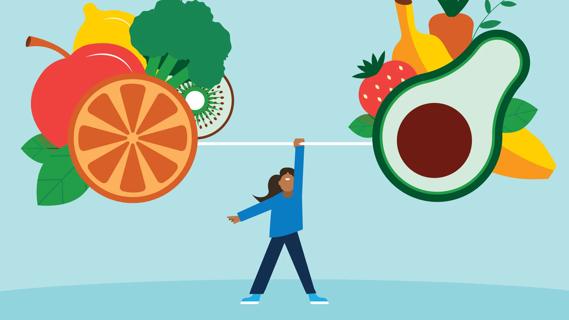
In general, nutritionally packed foods are helpful when taking a GLP-1. Reach for foods like:
Two nutrients to keep at the top of your mind — and on your plate — are protein and fiber. They both help keep you feeling full longer and stabilize blood sugar.
Protein also keeps your body from losing muscle instead of fat. And fiber can help combat constipation that a GLP-1 can cause.
Certain foods can make GLP-1 side effects worse. Every body is different, so it may take time to figure out what triggers symptoms for you. In general, try to limit or avoid:
Adjusting to a GLP-1 while changing your diet may be overwhelming. You don’t have to go through it alone. A registered dietitian can help you form an eating plan that’s unique to your needs. It may take time and a little trial and error. You can also reach out to others who are taking GLP-1s for recipes and advice. Lean on friends and family members, too — it can be fun to discover new favorite meals with loved ones.
Advertisement
Some still turn to a 500-calorie deficit to lose weight, but that approach isn’t always effective or healthy
Lower your risk by sticking to the right dose and avoiding long-term use without medical guidance

Consistency at an early age is key to getting your little one ready to sleep all night

There’s no easy way to tell whether a mushroom is poisonous or safe — and making a wrong choice can be deadly

To help yourself heal, prepare your home for recovery ahead of time and tend to your physical and mental health

Clamshells, Pallof presses and Romanian deadlifts can help strengthen and build core muscles