
Sleep apnea doesn’t just disrupt your sleep, it may affect your overall health. It’s easy to brush off snoring or feeling tired during the day, but the condition goes far beyond simple fatigue. When you stop breathing multiple times throughout the night, your body may pay the price.
Video content: This video is available to watch online.
View video online (https://cdnapisec.kaltura.com/p/2207941/sp/220794100/playManifest/entryId/1_kf7vba2i/flavorId/1_5f3sgelj/format/url/protocol/https/a.mp4)
Sleep apnea is more than just snoring. It’s a sleep disorder that causes your breathing to repeatedly stop and start while you sleep. These pauses can happen dozens or even hundreds of times a night, often without you realizing it.
Advertisement
Cleveland Clinic is a non-profit academic medical center. Advertising on our site helps support our mission. We do not endorse non-Cleveland Clinic products or services. Policy
Each time your breathing stops, your oxygen levels drop. Your brain briefly wakes you up so you can start breathing again. These repeated interruptions prevent you from reaching deep, restorative sleep. Even if you spend a full night in bed, your body and brain don’t get the rest they need.
One of the most serious dangers of untreated sleep apnea is the stress it puts on your heart and blood vessels. Low oxygen levels activate your body’s stress response, increasing your heart rate and blood pressure throughout the night.
Over time, this strain raises your risk for high blood pressure, irregular heart rhythms and stroke. You may also have a higher risk of sudden cardiac death. These risks are even greater if you already have heart disease or other cardiovascular conditions.
Interrupted sleep affects more than your energy level. Untreated sleep apnea can make it harder to concentrate, remember information and make decisions. You might have daytime exhaustion, slowed reaction times and difficulty staying alert.
Mood changes are also common. Poor-quality sleep can contribute to depression, anxiety and irritability. Because of fatigue and reduced focus, you may have a higher risk of motor vehicle and workplace accidents.
Sleep apnea may contribute to or worsen other chronic conditions. For example, it’s linked to Type 2 diabetes.
In children, sleep apnea doesn’t always look like sleepiness. It can show up as behavior issues or restlessness, in some cases.
Sleep apnea is a treatable condition. To make a diagnosis, your provider may recommend a sleep study. You can do this in a sleep lab or at home.
Advertisement
There are different kinds of treatment options, like a CPAP machine to keep your airway open, an oral appliance to reposition your jaw or tongue, or lifestyle changes like adjusting sleep position or maintaining a weight that’s healthy for you.
In some cases, medications or procedures to reduce airway blockages may help. Treating sleep apnea may improve sleep quality, reduce health risks and protect your long-term well-being.
If you think you might have sleep apnea, don’t ignore the signs. Getting care can make a meaningful difference in both your sleep and your overall health.
Advertisement
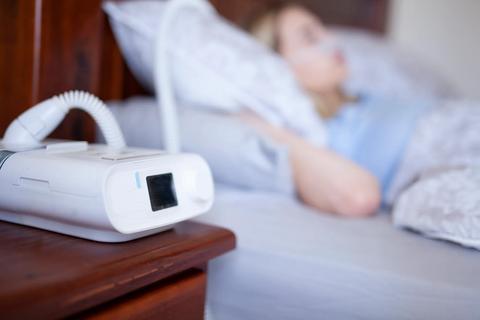
The right mask fit, pressure settings and machine adjustments can help make this treatment more comfortable
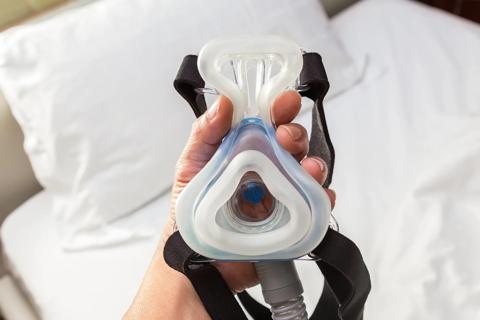
CPAPs aren’t counted as carry-ons and they’re easy to pack and transport
Silent sleep apnea can still disrupt your sleep and affect your long-term health

Obstructive sleep apnea can lead to high blood pressure — and vice versa
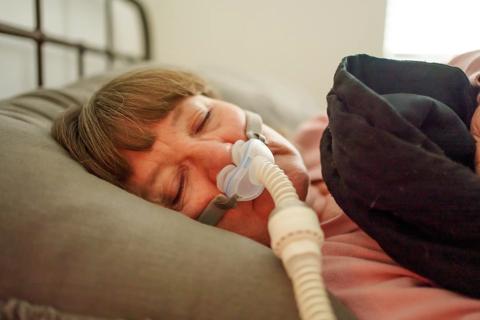
Genes, family history and anatomy can all influence obstructive sleep apnea — but lifestyle factors can, too
Sleep disorders, mental health conditions and other health concerns can all affect the quality of your sleep