
Video content: This video is available to watch online.
View video online (https://cdnapisec.kaltura.com/p/2207941/sp/220794100/playManifest/entryId/1_mc95urer/flavorId/1_5f3sgelj/format/url/protocol/https/a.mp4)
Tiffany Onger, MD:
Advertisement
Cleveland Clinic is a non-profit academic medical center. Advertising on our site helps support our mission. We do not endorse non-Cleveland Clinic products or services. Policy
With breast cancer being one of the most common cancers — I mean, one in eight women will experience breast cancer in their lives — a lot of the time, our treatments are curative intent. And so we want to make sure that you have a good quality of life while going through treatment.
Fatigue is really common. I mean, 90%, some studies say even up to 100% of patients will experience some aspect of fatigue while they're going through treatment. The fatigue can really be due to a number of different causes, anything from just recovering from surgery, to radiation, to the chemotherapies, to mood changes due to your changing body. Allowing yourself to have some grace and take a little extra time, if it takes more time to do things, can be really helpful.
When you're going through cancer treatment, walking can really be beneficial to your energy. And so I really encourage my patients, as we're moving into treatment and during treatment, to try to move their bodies in gentle ways. My hope and expectation would not be lying in bed 18 hours a day. If that's going on, I definitely need to know about it because that is not the goal during treatment.
Surgery presents some challenges for sleeping, but certainly the treatments can as well. With a lot of our treatments, especially the chemotherapy treatments, you'll get dexamethasone, which is a steroid, which can really impact your sleep.
The third part I want to mention is the mental health aspect. Anxiety. Anxiety is really common during cancer treatments. When you're going through something that's so stressful and plagued with a lot of uncertainty, such as going through cancer, there can be a lot of anxiety, and that can keep you up at night.
Advertisement
Chemo brain, it is common, but there are things that we can do to mitigate it. It's typically defined as mental fogginess or trouble with concentration or memory during and even after treatment. And unfortunately, this isn't one of those side effects that ends right at the end of treatment. It can persist for months and sometimes even years, although it does tend to get significantly better over time.
One of the things that is very important during chemo brain is patience with yourself. Again, as the body is going through an extremely stressful time, and emotionally stressful as well, it's important that you give yourself that flexibility to take a little bit more time to do things.
One symptom that patients frequently experience but don't as often bring to their doctor's attention is the sexual side effects of treatment. Lots of different treatments for cancer can all contribute to sexual dysfunction. When I talk to my patients about this, I usually define sexual dysfunction as sometimes reduced interest in sexual activity.
And because someone, when they're dealing with cancer, they're really going through one of the most challenging times of their lives, even as those side effects improve, they still might feel like a new person compared to their pre-cancer life. But that's part of change. It's part of continuing to live. And so sometimes those side effects can persist longer than hoped, but the vast majority of times, they do get better with time.
I really encourage folks to talk with their family and their close friends about what they're going through to allow them to support them through their cancer journey. It's not only helpful for the patient, but it's also helpful for your family to know that there's something that they can do to help you through a difficult time.
Advertisement

BRCA1/2 gene mutations can raise your risk for breast, prostate and other cancers — genetic testing can help you take proactive steps
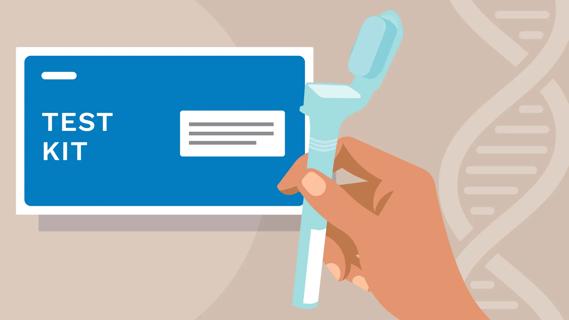
If you’re of Ashkenazi Jewish descent, these tests may be a reasonable starting point — but more thorough genetic testing can go much deeper

Breast cancer treatments can lower estrogen, which has a ripple effect on your bones

Breast cancer treatments can lower your fertility, but egg freezing and other preservation measures may be an option

The process can range from six months to more than a year, depending on whether you have immediate or two-stage reconstruction

To help yourself heal, prepare your home for recovery ahead of time and tend to your physical and mental health