
Video content: This video is available to watch online.
View video online (https://cdnapisec.kaltura.com/p/2207941/sp/220794100/playManifest/entryId/1_nswfwo1i/flavorId/1_5f3sgelj/format/url/protocol/https/a.mp4)
Checking your blood sugar gives you information on how to manage your diabetes on a daily basis. It tells you how well your diabetes is being controlled at that moment. Many different things, such as food, physical activity, medications and stress, can affect your blood sugar.
Advertisement
Cleveland Clinic is a non-profit academic medical center. Advertising on our site helps support our mission. We do not endorse non-Cleveland Clinic products or services. Policy
For instance, here’s what can raise it: eating too much, not taking your diabetes medication, illness, surgery or stress, and not staying active. And here are some things that can lower your blood sugar: missing meals or not eating very much, taking too much diabetes medication, drinking alcohol without eating, and too much activity.
Blood sugar targets may be different for each person and can change throughout the day. Your caregiver will tell you what range is best for you. Here are the blood sugar goals that are recommended by the American Diabetes Association: Before meals, 80 to 130 milligrams per deciliter. Two hours after the start of a meal, less than 180 milligrams per deciliter. And before bedtime, 100 to 150 milligrams per deciliter. If the level is less than 100 milligrams per deciliter, have a snack.
You can get blood sugar testing supplies from local pharmacies or some mail-order companies. If you have insurance, check with your insurance company to see if you are covered. If you do not have insurance, check with your caregiver for other options.
Supplies needed for monitoring include a blood glucose monitor, lancet device, a new lancet, test strips and alcohol wipes if you do not have access to soap and water.
Here are the steps for checking your blood sugar. Gather your supplies. Wash your hands with soap and warm water. If you are not able to wash with soap and water, use an alcohol wipe. The testing area must be completely dry. Do not use hand sanitizers.
Place a new lancet into the lancing device using the instructions in the user manual. Insert a test strip into the meter. Be sure to close the test strip container immediately so as not to contaminate the strips.
Advertisement
Place the lancing device firmly on the side of your fingertip. Press the button on the lancing device to obtain a drop of blood. Place the test strip against the drop of blood and allow the strip to absorb it. Read the result from the meter. Write down your blood sugar level in your logbook. Throw the lancet away in a hard plastic container or commercial sharps container.
We hope you have found this information helpful. If you have any questions, please ask one of your caregivers.
Advertisement

Make meals with lean proteins, non-starchy vegetables and complex carbohydrates

Fill your plate with lean proteins, non-starchy vegetables and complex carbohydrates

Focus on exercise, healthy eating and weight management to help lower your risk
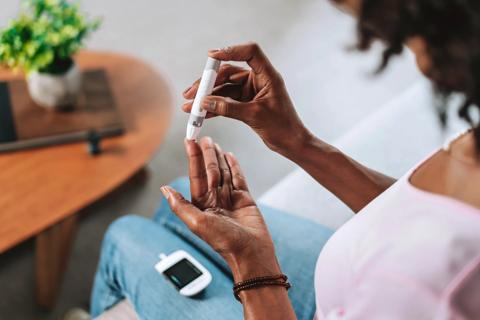
Track your blood sugar levels and pay attention to any symptoms, like feeling thirstier than normal

Prioritize your health by managing stress, strengthening your social connections and getting quality sleep

Keto can reduce blood sugar, but that doesn’t mean it’s right for everyone