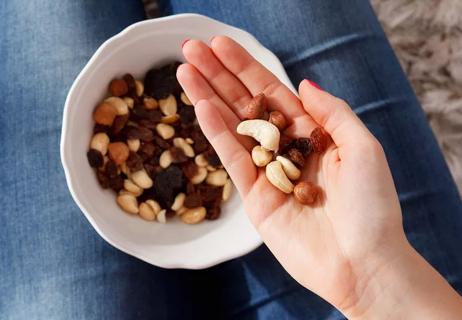
Eating a diet heavy on plant-based food can keep your digestive system in top form

If you’ve got a bad feeling in your belly, it’s best to pay attention. What’s happening in your digestive tract can set the tone for your whole day. (Remember the last time you battled diarrhea? Yeah … that’s what we’re talking about.)
Cleveland Clinic is a non-profit academic medical center. Advertising on our site helps support our mission. We do not endorse non-Cleveland Clinic products or services. Policy
Keeping your gut healthy and happy often comes down to what’s put in it. Diet and nutrition can make a BIG difference when it comes to managing gastrointestinal issues that make you feel like crud.
The good news? It’s pretty simple to find food that allows your gut to flourish while taking care of business downstairs, says gastroenterologist Christine Lee, MD.
So, let’s set a grocery store shopping list set to boost your gut health.
“You are what you eat.” That old saying dates back to 1825 — and it’s as true today as when French bon vivant Jean Anthelme Brillat-Savarin penned the axiom in his renowned foodie book The Physiology of Taste.
Two centuries of research have only reinforced the concept, says Dr. Lee. A healthy diet helps build a healthy gut, which is key for maintaining a strong immune system, boosting mental health and just feeling hunky-dory.
Eating the right foods fortifies your gut’s complex microbiome and the trillions of microbes — including “good” bacteria — that call it home. It’s essential for your health to maintain a good balance of gut bacteria.
“What you eat affects your gut health and overall health,” reiterates Dr. Lee. “If you put substandard food in, that balance is disrupted and your body will not treat you well.”
So, what happens when your gut gets off kilter? Symptoms of poor gut health include:
“It’s important to stay attuned to these symptoms, particularly when they seem to closely follow meals,” notes Dr. Lee. “These are all indicators that you might want to look at dietary changes to help your gut.”
When it comes to selecting the right food to help your gut stay in tip-top shape, you’ve got a lot of options. In fact, it’s better for your system to eat a wide array of healthy foods, says Dr. Lee.
Dietary diversity leads to a healthier microbiome with more species of “good” bacteria. That broader population of microbes puts your gut in a better position to handle anything that comes along.
“You want to have a wide variety in your diet,” she says. “Try to mix it up.”
Just make sure these foods are in (or out of) the mix.
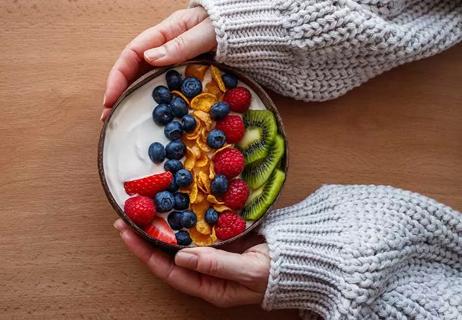
Plant foods are packed with soluble and insoluble fiber, which aid digestion and keep your gut’s plumbing flowing. (Regularly emptying out your bowels is something that makes your body happy, states Dr. Lee.)
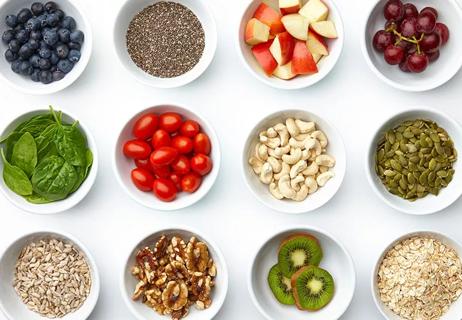
Aim for five to seven servings of fruit and vegetables per day. Be adventurous and get creative in the process, too.
“Get lots of different colors on your plate — greens, reds, oranges, yellows,” recommends Dr. Lee. “A rainbow sort of diet will provide a wide variety of vitamins and nutrients your body needs.”
Fresh produce is best, but canned and frozen fruit and veggies can offer extra convenience. (Try to avoid canned produce with added sodium or that’s swimming in sugar-sweetened syrup. Watch for extra sugar in frozen options, too.)
Another way to stay “regular” with your bathroom routine is to eat food made with fiber-rich whole grains. The list in this category reads like a morning crop report in farm country, with grains such as:
Whole grains that are unprocessed retain more natural goodness compared to milled or refined grains that have nutritious layers stripped off.
When shopping for whole grain items such as bread or cereal, make sure that the words “whole grains” appear among the first ingredients listed. Try to choose items with at least 3 grams of dietary fiber per serving for the best benefit.
(Learn more about how much fiber you need daily from a registered dietitian.)
There’s something special in fermented foods … and it’s alive. (Don’t be spooked by that creepy fact. It’s actually a good thing.)
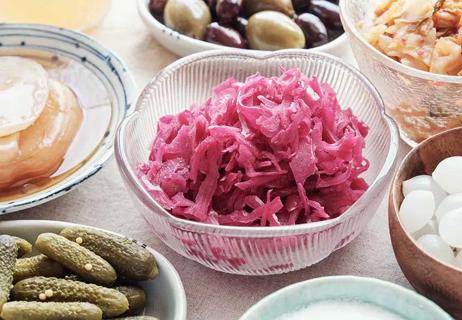
Many fermented foods include live microorganisms that can be beneficial to your gastrointestinal health, says Dr. Lee. These foods bring more good bacteria to the party in your gut’s microbiome.
Fermented foods are a type of probiotic. Examples of fermented food include:
As we mentioned the probiotics, it’s only fair to mention prebiotics. Prebiotics work in tandem with probiotics to keep your gut and its microbiome operating at peak efficiency, explains Dr. Lee.
In the simplest of explanations, prebiotics act as a food source to support the good bacteria in your gut while probiotics add to the population of good bacteria. (Learn more about probiotics and prebiotics and their unique relationship in this explainer from a registered dietitian.)
Examples of prebiotics include garlic, onions, artichokes, bananas, apples and whole oats.
The food on this list won’t surprise you. Odds are you’ve felt a little belly pain after overdoing it on one or more of the items. That’s a sign. “Your body has a way of sending a message,” says Dr. Lee.
Foods to limit or avoid include:
In general, a diet with a heavy emphasis on plant-based foods will help your gut stay healthy and happy. And if you’re going to eat food on the “avoid-it” list — and let’s be honest, we all will — do so in moderation.
“In general, though, simple foods are the best for our bodies,” says Dr. Lee. “Your gut will let you know that, too.”
Learn more about our editorial process.
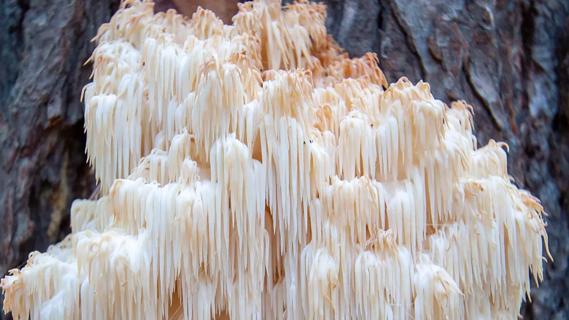
These trendy fungi may promote a healthy brain, heart and gut, but more research is needed to say for sure
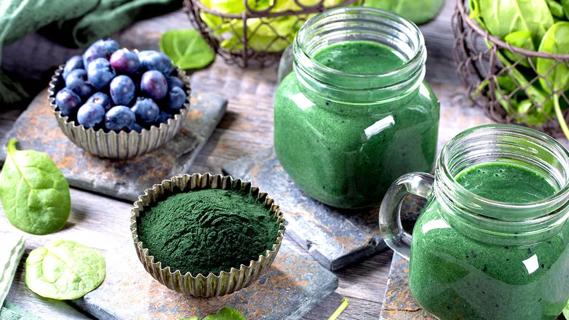
The supplement shouldn’t replace a healthy diet, but it can help you get in your fruits and veggies

You don’t need a strenuous or expensive fitness routine to keep your digestive tract in shape
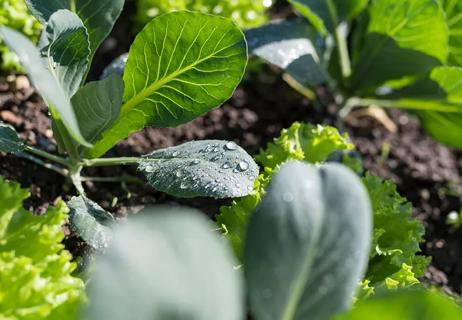
These small-but-mighty veggies pack a powerful nutritional punch

The natural supplement may help with weight loss, lower blood sugar and protect your heart
A healthy gut benefits your entire digestive system — and more
Pay close attention to the dose, colony-forming units, storage information and genus
The alkaline diet promotes good-for-you-foods, but its primary promise doesn’t hold up

Your metabolism may torch 1,300 to 2,000 calories daily with no activity

A gentle touch in all the right places may help drain your sinuses