A diabetes diagnosis, new or long-standing, can trigger reactions like grief, stress, depression and frustration, but symptom relief and help are available
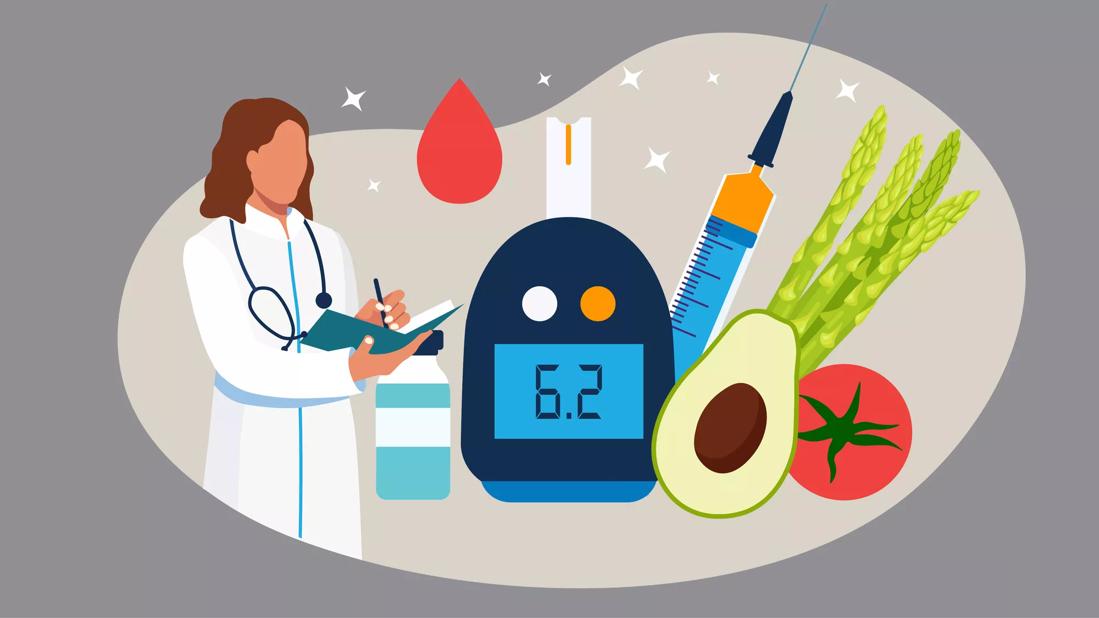
When life feels like it’s moving at an extremely fast pace, stress is often an unwelcome companion along for the ride. And while certain amounts of stress come with the territory of being human, too much of it can have a negative impact on your body and health.
Cleveland Clinic is a non-profit academic medical center. Advertising on our site helps support our mission. We do not endorse non-Cleveland Clinic products or services. Policy
If you’re someone who lives with diabetes, you may have wondered about the connection between different types of stress and diabetes. Understanding this connection is important for your health.
Diabetes educator Sue Cotey, RN, CDCES, explains how stress — as well as feelings of depression — are linked to diabetes and what you can do to manage both.
Stress is something we all deal with, notes Cotey. It’s that feeling when life gets a little overwhelming, like when we have a lot of schoolwork or when things at home get busy. In the same sense, our health can also be a cause for stress. Whether it’s a new diagnosis or a longstanding one, living with diabetes in particular can trigger a flood of emotions.
Some of these emotions can include:
These emotions are natural responses and are experienced by many people, especially when you’re first diagnosed with diabetes. You may also feel these emotions when managing diabetes over the long term.
Emotional issues may make it harder for you to take care of yourself — to eat right, exercise and rest — which, in turn, can affect your blood sugar. In addition, you might find yourself trying to reduce stress with unhealthy behaviors, which can contribute to diabetes complications.
When we’re stressed, our bodies can go into “fight-or-flight” mode, releasing hormones like adrenaline. These hormones can make our hearts race and our muscles tense up, preparing us to handle a tough situation. But they also tell our liver to release extra sugar into our blood, which can cause glucose levels to spike. If we’re constantly stressed, this can strain our bodies’ ability to manage glucose effectively over time.
Most people experience stress as an emotional or physical strain. It can result in worry, anxiety and tension. Everyday events or changes in life may create stress. Stress affects everyone to some degree, but it may be more difficult to manage when people learn they have diabetes.
Symptoms of stress can include:
Stress can make it more difficult to manage your diabetes, as it may throw off your daily routine and can result in wear and tear on your body. Hormones from stress increase your blood pressure, raise your heart rate and can cause blood sugar to rise. High blood sugar can make you feel down or tired. Low blood sugar may result in you feeling upset or nervous.
When you’re feeling the weight of stress in the moment, it may feel like it’s an impossible boulder that you can’t move. Recognizing this feeling is an important first step. Then, Cotey suggests trying some of these approaches to reduce feelings of stress:
If you try these approaches and you still don’t feel you’re able to manage your stress levels, Cotey recommends contacting a diabetes educator or healthcare provider about other options you can try.
Too much stress sometimes can lead to depression. People with diabetes are more likely to experience depression than the average person. You may be at risk for depression if you have any of the following symptoms for more than a week:
Feelings of fatigue or feelings of worthlessness could make it harder to engage in the self-care you need to help manage your diabetes. And while these feelings can be stifling, they’re not impossible to work through. Depression can be treated with lifestyle activities (like increased exercise and relaxation), medication and counseling. Speak with your healthcare provider if you’re beginning to experience any of these symptoms of depression.
Your healthcare providers are here to help you find relief from constant stress, depression and other mental health problems that may be worsening your diabetes. Get in touch with your healthcare provider if any symptoms of stress or depression are starting to affect your day-to-day life. They can work with you to make a plan not just for managing your diabetes, but also for managing your stress and any symptoms of depression.
Learn more about our editorial process.
Getting to the root cause of night sweats — like menopause, medication side effects, stress or anxiety — can help you manage them

Enter relaxation mode by managing your breathing, releasing muscle tension and practicing mindfulness

There are better breakfast options, but if it’s got to be cereal, look for whole grains, high fiber and no added sugar
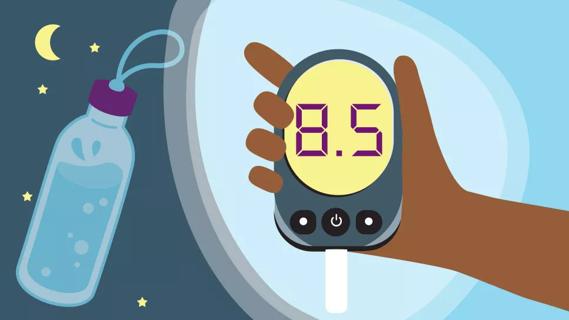
Planning ahead, checking in with your care team and being vigilant about blood sugar monitoring can help ensure a safe fast
Identify your triggers, set ground rules for your break and start practicing mindfulness

Type 1 diabetes happens when your body doesn’t make insulin, while Type 2 happens when your body can’t use insulin properly

Too much screen time and unrealistic expectations and perceptions and can lead to an increased risk of anxiety and depression

There is an indirect link between the sweet substance and the condition

Your metabolism may torch 1,300 to 2,000 calories daily with no activity

A gentle touch in all the right places may help drain your sinuses